
GANGSTA.
In the city of Ergastulum, a shady ville filled with made men and petty thieves, whores on the make and cops on the take, there are some deeds too dirty for even its jaded inhabitants to touch. Enter the "Handymen," Nic and Worick, who take care of the jobs no one else will handle. Until the day when a cop they know on the force requests their help in taking down a new gang muscling in on the territory of a top Mafia family. It seems like business (and mayhem) as usual, but the Handymen are about to find that this job is a lot more than they bargained for.
(Source: Anime News Network)
📺Anime Details
📝Editorial Analysis
Rain slicks the cobblestones of Ergastulum like oil on a butcher’s block—black, reflective, thick with the smell of wet brick, stale tobacco, and something metallic underneath. Nic leans against a rusted fire escape, one hand resting lightly on the grip of his revolver, the other curled around a half-empty glass of cheap whiskey. His eyes don’t blink long enough. Worick stands a few steps below, arms crossed, watching a pair of street kids dart between alleys—too fast, too quiet, already learning how to vanish before they’re seen. Neither speaks. The silence isn’t empty; it’s weighted, humming with unspoken debts, old wounds that never scabbed right, and the low, constant thrum of a city that eats its own.

That silence is the soul of GANGSTA. It doesn’t feel like noir because it borrows shadows—it breathes them. This isn’t stylized cool or romantic fatalism. It’s the exhaustion in Nic’s knuckles when he flexes his hand, the way Worick’s voice drops half an octave when he names a price, the way violence arrives not with fanfare but with the wet thunk of a blade finding soft tissue—then stops, just like that. You don’t feel heroic here. You feel accountable. Every favor carries interest. Every alley has eyes—or worse, no eyes, just the hollow certainty that someone’s already decided your usefulness. It makes you think about dignity as a currency, about loyalty as a scar you keep rubbing raw, about how disability isn’t framed as inspiration or tragedy—but as fact, like weather: something you move through, adapt to, sometimes weaponize, never transcend.
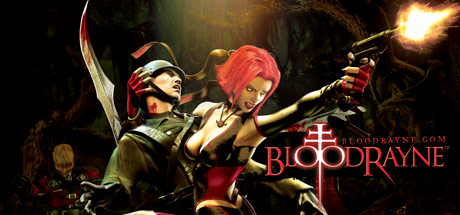
That same emotional gravity lives in Vampire: The Masquerade - Bloodlines, where the neon-drenched streets of Los Angeles don’t glitter—they leach. Its description calls it “a new type of RPG experience… blending all the core elements of a traditional RPG with… brutal combat,” and the player review nails it: “BUY IT ON GOG; if you want to use the steam version you need to download the unofficial patch…” That scrappy, almost defiant persistence—patching broken systems just to keep breathing in this world—mirrors Nic and Worick’s daily labor. Both are built on infrastructure barely holding together, where every dialogue choice risks exposure, every bite of blood feels transactional, and survival means knowing exactly how much of yourself you’re willing to forfeit before sunrise. It’s adult, yes—but more precisely, it’s weary. Not jaded. Not cynical. Weary.
Then there’s Dark Messiah of Might & Magic, described as “a new breed of Action-RPG… powered by an enhanced version of the Source™ Engine,” with a player review praising its “ferocious combat” and noting, “it needs a patch to get the game running properly tho.” That phrase—needs a patch—is shockingly resonant. Like Ergastulum, this world runs on duct tape and inherited violence. Its swordplay isn’t balletic; it’s clumsy, urgent, limbs flailing, blades catching on armor, blood spraying in uneven arcs. The combat system itself feels lived-in, imperfect—just like Worick’s hearing loss shaping how he reads a room, or Nic’s tremor altering how he draws. Both demand presence, not perfection. Both reward instinct over polish. Both make you feel the grit in your teeth.
Even Assassin's Creed™: Director's Cut Edition, with its “next-gen” ambition and dated textures, shares that texture of worn authenticity. Its description says it “redefines the action genre,” but the player review admits, “some of the models and textures are quite dated but no issues with me…” That gentle shrug—it’s flawed, but it’s real—is pure GANGSTA. The parkour isn’t graceful; it’s desperate momentum. The assassinations aren’t clean—they’re hurried, improvised, often messy. You don’t feel like a legend. You feel like a man who’s climbed one too many rooftops, whose breath rasps just a little too loud in the silence after the kill.
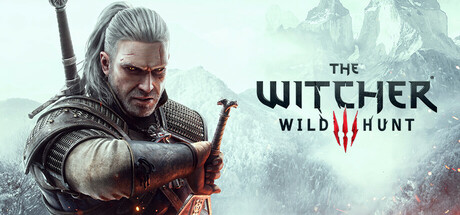
This isn’t for people who want catharsis. It’s for those who recognize the weight in a pause before a gun is drawn, the quiet pride in a job done quietly, the way loyalty isn’t declared—it’s demonstrated, slowly, under pressure. It’s for players who replay The Witcher 3: Wild Hunt not for the spectacle, but for the way Geralt’s voice cracks just once when he says “I’m not her father,” and for viewers who remember Nic lighting a cigarette with fingers that won’t stop shaking—not because he’s scared, but because he’s still here.
They know the difference between surviving and enduring. And they’ll recognize it anywhere it’s earned.
🎮116 Games That Match the Vibe























Match Dimensions Explained
❓Frequently Asked Questions
Why does GANGSTA feel so much like Vampire: The Masquerade – Bloodlines even though they’re not in the same universe?
It’s all about that Neon Noir + Dark Fantasy combo — both drench you in rain-slicked, morally rotten city streets where every alley hides a betrayal or blood pact. You’ll recognize the vibe instantly: the brooding voiceover, the dialogue trees where charm or intimidation can get you into (or out of) a vampire’s penthouse, and that same gritty, adult-toned Seinen energy — like when you negotiate with Smiling Jack in Bloodlines while GANGSTA’s Kaito negotiates under flickering neon in Shinjuku.
Is there a GANGSTA anime or manga adaptation coming soon?
No official anime or manga adaptation exists — and given how tightly GANGSTA leans into its own Dark Seinen/Neon Noir identity (think Bloodlines’ tone meets The Witcher 3’s emotional weight), it’d be tough to adapt without losing that lived-in grit. That said, fans often compare its layered underworld politics and morally grey characters to what makes Bloodlines and Assassin’s Creed: Director’s Cut Edition so compelling — grounded worldbuilding over flashy lore dumps.
How does Dark Messiah of Might & Magic compare to GANGSTA in terms of combat intensity?
If GANGSTA’s street brawls are raw, close-quarters knife fights in cramped stairwells, Dark Messiah is that same energy cranked to eleven with physics-driven melee — imagine kicking a thug off a balcony like you’d shove Nico into a dumpster in GANGSTA, but with bone-crunching ragdoll feedback and spell-enhanced kicks. It nails the Action Spectacle dimension hard, and players who loved Arx Fatalis (mentioned in its review) will feel right at home with that visceral, weighty chaos.
What’s the best GANGSTA-like game if I want something dark, emotionally heavy, and story-driven — not just action-packed?
Go straight to The Witcher 3: Wild Hunt. It’s the only match on the list scoring high on *both* Emotional Narrative and Adult & Dark Seinen — just like GANGSTA’s slow-burn character arcs and morally exhausting choices. When Geralt sits with Ciri after a brutal mission, or reflects on lost love in Skellige, it hits with the same quiet devastation as GANGSTA’s quieter moments between Nick and Alex — no neon, no guns, just human cost.