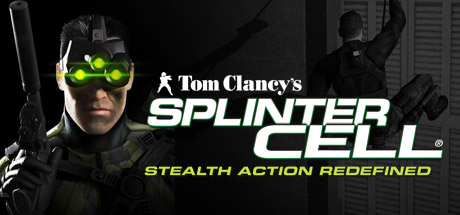
Tom Clancy's Splinter Cell®
Enter the world of cinematic stealth action with Splinter Cell, the game that propelled the genre to cult status. You are Sam Fisher, an elite covert agent in the NSA's top-secret division: Third Echelon.
🎮Game Details
💬What Players Say
"What can I say about Splinter Cell that you don't already know? Because, I don't know why, but I presume that everything we've said about it, the impatient reader has already read. But some may have been waiting for this review to discover Ubisoft's title...."
"Classic game. Of course I only played the inferior PS2 port of this game way back in the day, so all these years later like nothing outside of a few locations even seemed similar. Unlike the console ports I also like the ability to save on the fly that this version has, saved me quite a few times honestly."
"It's a classic for a reason, but you need community patches to make it remotely playable on modern hardware. I spent like 4 hours troubleshooting to even get it to run, but it's worth it. Get EnhancedSC for the best experience."
📝Editorial Analysis
The flicker of a single fluorescent tube in a derelict subway tunnel—greenish, stuttering, casting Sam Fisher’s silhouette like a cutout against damp concrete. You crouch. Hold your breath. Not because the game tells you to, but because the silence presses—thick, electric, humming with the weight of what happens if you exhale wrong. That’s Tom Clancy's Splinter Cell®: not just stealth as mechanic, but stealth as sensory discipline. The official description nails it—not with flash, but with gravity: “You are Sam Fisher, an elite covert agent in the NSA's top-secret division: Third Echelon.” No fanfare. No origin montage. Just designation, duty, and the quiet dread of consequence. One player admits they “spent like 4 hours troubleshooting to even get it to run”, not for nostalgia’s sake—but because that tension, that razor-thin margin between detection and dissolution, is worth it. Another calls it “classic” while confessing the PS2 port felt “nothing outside of a few locations even seemed similar”—proof that the power wasn’t in fidelity, but in architecture: how light bends, how sound travels, how time slows when you’re inches from a guard’s peripheral vision.
What makes this atmosphere singular isn’t darkness—it’s controlled vulnerability. You’re not invincible. You’re not even particularly fast. You’re measured. Every movement is calibrated: the scrape of boot on gravel muted by ambient rain, the way your HUD pulses faintly when enemies shift posture, the way shadows don’t just hide you—they breathe with you. It makes you feel hyper-aware, yes—but also profoundly alone. There’s no squad chatter, no morale boosts, no heroic music swelling as you breach. Just Fisher’s dry, weary voice over comms, and the low thrum of a city that doesn’t know you exist. You think about consequence—not just mission failure, but what failure costs: intel lost, assets compromised, lives erased without ceremony. That’s the emotional DNA: duty without glory, precision without praise, neon-lit isolation.
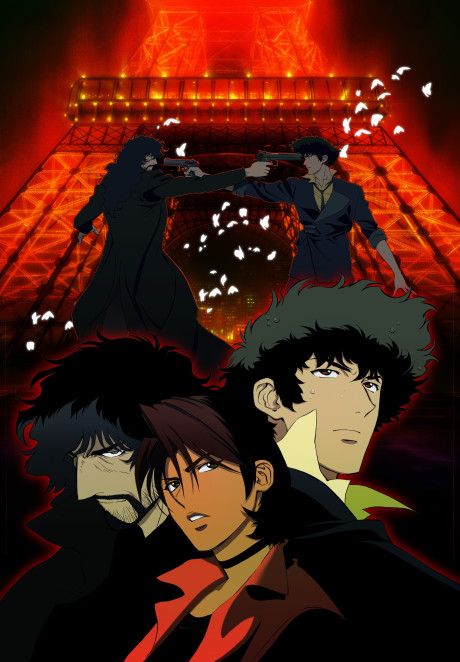
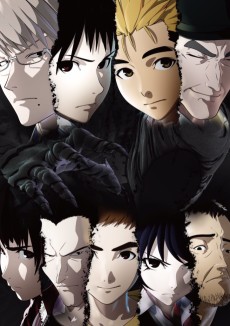
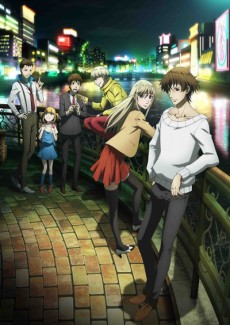
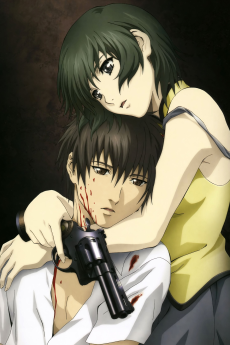
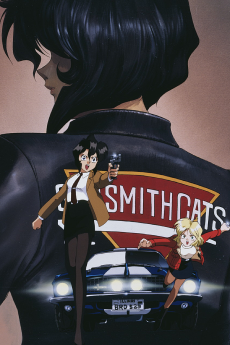
That same pulse lives in Darker than Black, where Contractors move through rain-slicked Tokyo alleys not as heroes, but as instruments—cold, efficient, bound by contracts written in blood and static. Its Neon Noir isn’t just palette; it’s moral ambiguity rendered in sodium-vapor glow and flickering CCTV feeds. Like Fisher, Hei doesn’t shout—he observes, calculates, disappears—and his tactical warfare is never about domination, but containment. Same with Noir: Mireille and Kirika don’t duel in sunlit plazas—they stalk each other across moonlit rooftops and fog-choked docks, their ballet of violence rooted in discipline, not rage. Every shot placed, every knife drawn, echoes Fisher’s restraint: lethal, but never wasteful. And Buddy Daddies? At first glance, tonal whiplash—but dig deeper. Its Neon Noir isn’t moody set-dressing; it’s the visual language of duality: warm domestic lighting bleeding into cold, high-contrast surveillance footage. The tactical warfare isn’t battlefield strategy—it’s parenting under cover, reading micro-expressions in a grocery aisle, disarming threats without breaking stride. Like Fisher moving past a guard while adjusting a child’s backpack strap—same nerve, same quiet intensity.
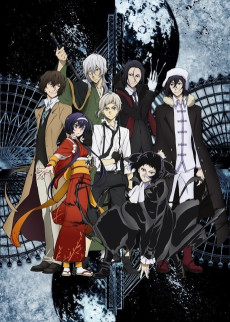
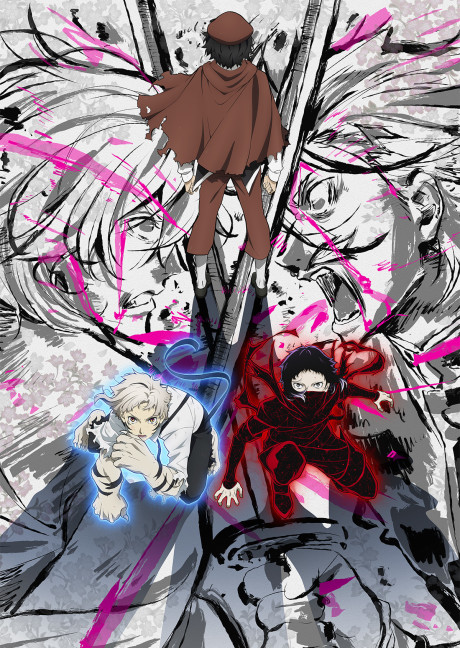
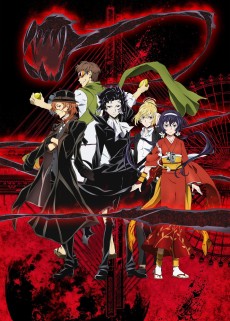
This pairing isn’t for fans of spectacle or speed. It’s for the viewer who rewinds a 3-second shot in Bungo Stray Dogs 4 just to study how Dazai’s shadow falls across a dossier before he flips the page. It’s for the player who spends ten minutes aligning a single ventilation shaft’s grate noise with a distant siren so they can slip through unseen. It’s for someone who feels more alive in stillness than in motion—who finds catharsis not in explosion, but in the exact millisecond a guard turns his head away, and you exhale—not relief, but recognition: you were seen, but not seen. You were there, but not there. That fragile, luminous balance—that’s where Tom Clancy's Splinter Cell® and these anime live. Not in the light. Not fully in the dark. But in the sliver between, where every choice is deliberate, every shadow has weight, and silence isn’t empty—it’s charged.
→40 Anime That Match the Vibe
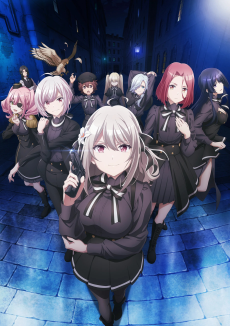
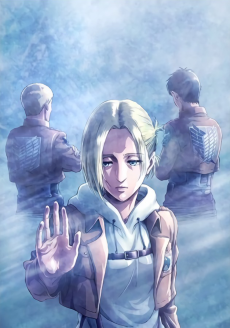
Shadows, cigarettes, and moral ambiguity — noir at its most stylish.

Shadows, cigarettes, and moral ambiguity — noir at its most stylish.

Shadows, cigarettes, and moral ambiguity — noir at its most stylish.

Neon Noir bleeds through both: Sam Fisher’s rain-slicked, shadow-choked D.C. rooftops mirror Kazuki and Rei’s Tokyo—where convenience store lights cut through midnight alleyways as they navigate custody paperwork mid-gunfight. Tactical Warfare isn’t just about angles and suppressed fire; it’s the quiet calculus of a hitman choosing *not* to shoot when Miri’s asleep upstairs. That tension—between lethal precision and paternal softness—makes their resonance startlingly tender, not just stylistically slick.
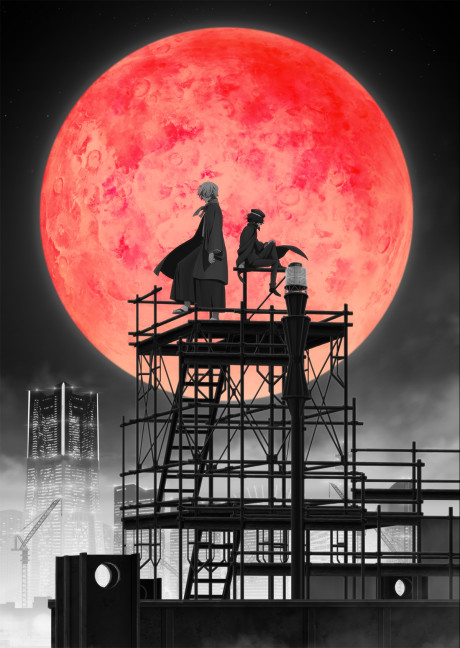
Sam Fisher’s rain-slicked, neon-drenched infiltration of a Tokyo data center mirrors Yukichi Fukuzawa’s lone swordsmanship in *Bungo Stray Dogs 4*’s Shinjuku alley ambush—both weaponizing urban geometry and shadow. Where Splinter Cell builds tension through pixel-perfect light discipline, Season 4 reframes tactical warfare as intimate, almost balletic violence amid the same 🌃 Neon Noir palette. This resonance feels surprising: stealth realism and supernatural swordplay converge not on plot, but on the visceral weight of choice—every silenced takedown, every parried strike, demands the same razor’s-edge control.
Shadows, cigarettes, and moral ambiguity — noir at its most stylish.
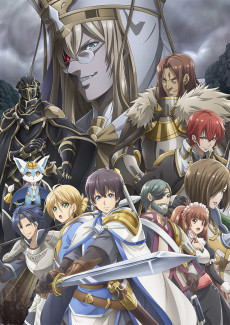
Shadows, cigarettes, and moral ambiguity — noir at its most stylish.
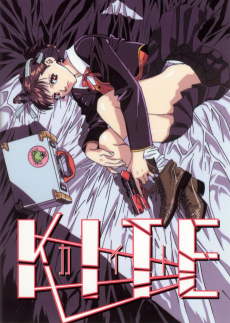
Shadows, cigarettes, and moral ambiguity — noir at its most stylish.

Shadows, cigarettes, and moral ambiguity — noir at its most stylish.
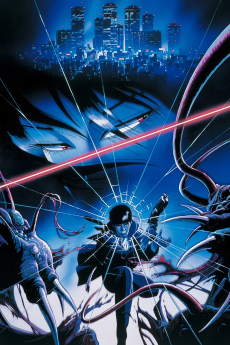
Shadows, cigarettes, and moral ambiguity — noir at its most stylish.


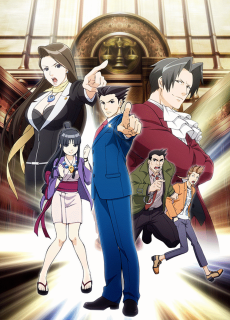









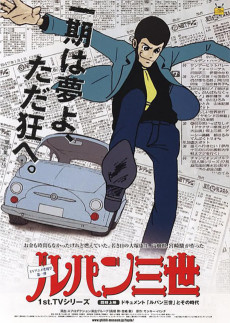

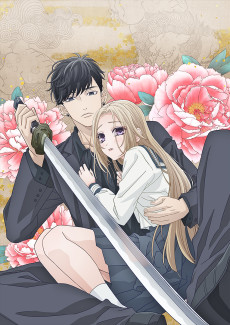


Match Dimensions Explained
❓Frequently Asked Questions
Why is Darker than Black recommended for Splinter Cell fans?
Because its protagonist Hei operates like a real Third Echelon operative—moving silently through rain-slicked Tokyo rooftops, using precise gadget-based takedowns (like his electro-conductive gloves disabling security systems), and executing missions where intel gathering matters more than firepower. The ‘Pandora’s Box’ arc even mirrors Splinter Cell’s signature ‘light/shadow’ tension, with Hei vanishing into darkness mid-combat just like Sam Fisher slipping behind cover in the Georgian embassy.
Is there an anime adaptation of Splinter Cell?
No—there’s never been an official Splinter Cell anime. Ubisoft hasn’t licensed one, and none of the top matches (like Noir or Bungo Stray Dogs 4) are adaptations—they’re standalone series that *feel* like Splinter Cell because of shared DNA: elite spies, high-stakes surveillance, and tactical restraint over brute force. Think Mireille’s sniper discipline in Noir, not a rehash of Sam Fisher’s dossier.
How does Noir compare to Bungo Stray Dogs 4 for Splinter Cell vibes?
Noir leans harder into classic stealth tradecraft—Mireille and Kirika use silenced pistols, dead drops, and layered deception across European locales, mirroring Splinter Cell’s grounded espionage. Bungo Stray Dogs 4 shifts toward stylized urban warfare (Atsushi’s gravity bursts, Dazai’s feints), but keeps that same neon-noir tension and Third Echelon-level mission structure—like the Port Mafia raid where every corridor turn feels like a Fisher-style light-meter calculation.
What’s the best anime like Splinter Cell for late-night, tense, solo stealth energy?
Darker than Black—it’s got that exact vibe: Hei alone on a rainy Shinjuku overpass at 2:17 a.m., thermoptic camo flickering as he bypasses motion sensors, then dropping a guard with zero sound—just like Sam Fisher’s ‘no-kill’ takedown in the Paris metro station. The pacing, silence between actions, and weight of every decision hit the same nerve as playing Splinter Cell with headphones on and lights off.