
Noir
Mireille Bouquet is a professional assassin, and a very good one at that. But when she follows up an e-mail from a young Japanese girl named Yumura Kirika, inviting her to take "a pilgrimage to the past", her life becomes even more dangerous than it already is. Now, with a haunting melody invoking the memory of an event long past, Mireille and Kirika decide to work together to find the truth about a thousand year old organization that has controlled both of their lives since before they were born. And the only clue in their search, the only thing Kirika remembers about herself, becomes their working codename: a name designating an ancient fate, of two maidens who reign over death--Noir.
(Source: Anime News Network)
📺Anime Details
📝Editorial Analysis
Rain slicks the cobblestones of Marseilles like oil on black velvet. A single piano note hangs in the air—thin, unresolved—before Kirika’s voice cuts through: “We are Noir.” Mireille doesn’t flinch. Her gloved hand rests on the cold steel of her Walther PPK, not drawn, not holstered—held in that breathless, suspended space between memory and murder. The camera lingers on the rain tracing slow paths down Kirika’s cheek, not tears, not fear—just recognition, quiet and absolute. That moment isn’t action. It’s gravity.
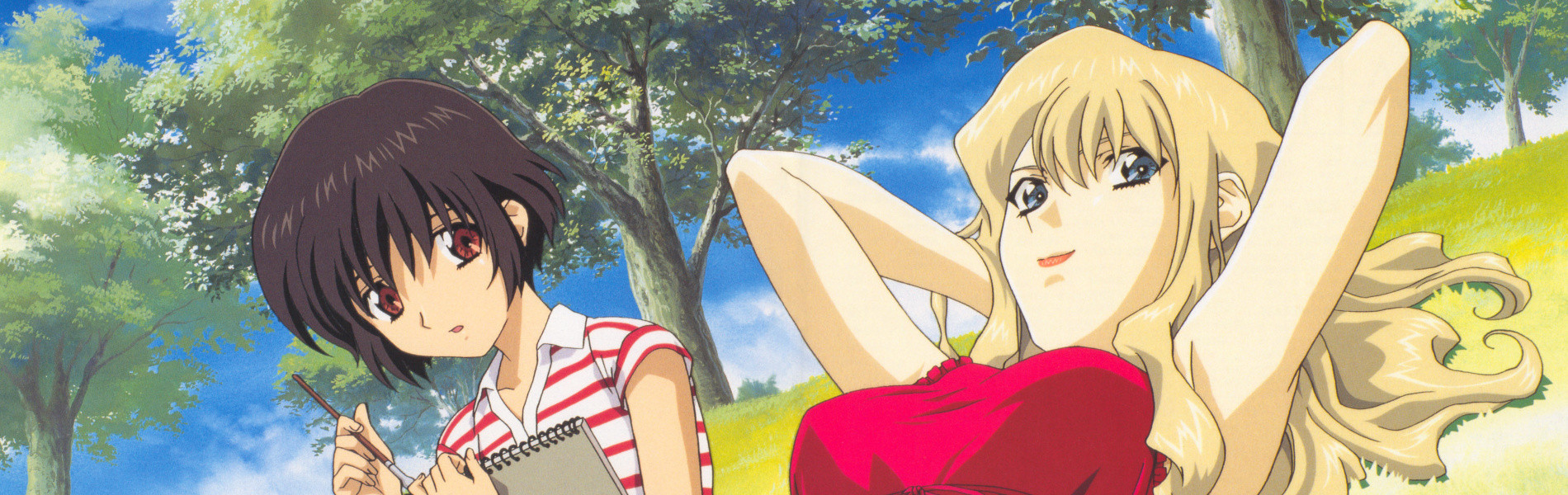
What makes Noir ache isn’t its assassins or its conspiracies—it’s the weight of silence before revelation. This isn’t suspense built on countdowns or chases; it’s the suffocating hush when a name surfaces from amnesia, when a lullaby becomes evidence, when two women walk into a cathedral not to pray but to exhume their own origins. You don’t feel adrenaline—you feel resonance. Every shadow holds a prior self. Every gun click echoes a vow made in childhood. It makes you question how much of identity is inherited trauma dressed as destiny—and whether truth, once uncovered, is liberation or just another kind of chain.
That same resonance hums in Assassin's Creed™: Director's Cut Edition, where the player navigates not just rooftops and blades, but layers of political inheritance—a “thousand year old organization” mirrored in the Templar-Assassin schism, its architecture echoing the very conspiracy that shaped Mireille and Kirika’s bloodlines. The player review admits the textures are dated—but what endures isn’t polish, it’s the haunting melody of legacy, the way Altaïr moves through Jerusalem like someone retracing a dream he’s lived before. Tactical warfare here isn’t about cover systems—it’s about precision as ritual, every kill a stanza in a poem written centuries ago.
Then there’s Disco Elysium - The Final Cut, where the city of Revachol isn’t a backdrop but a living archive of buried selves. Like Kirika’s fragmented recollections, the detective’s mind fractures into skill voices arguing over truth, memory, ideology—each one a shard of a past he can’t fully reassemble. The description calls it a “groundbreaking role playing game” built on interrogation and path-carving; the player review quotes capital’s cruel irony—how even critique gets swallowed by the system. That’s the emotional DNA: the exhaustion of digging, the dread that every answer deepens the mystery, that understanding doesn’t free you—it only clarifies the bars. Noir doesn’t give you a villain to shoot. It gives you a doctrine to unlearn. So does Disco Elysium.
And Max Payne 2: The Fall of Max Payne, with its “violent, film-noir love story”—not romance as solace, but as catastrophe made intimate. The description names it “dark, tragic and intense,” its twists not plot devices but psychological landmines. The player review praises “clearing a room full of enemies,” yes—but what sticks is the emotional choreography: Max moving through neon-drenched corridors, grief coiled tight in his shoulders, every bullet a refusal to stop remembering. Like Mireille choosing Kirika over solitude, Max chooses love knowing it will burn him alive. Both stories treat loyalty not as virtue but as fatal magnetism—a pull so strong it overrides survival.
These pairings aren’t for fans of “cool guns” or “mystery plots.” They’re for people who’ve stared at a photograph of someone they should remember but don’t—and felt that hollow behind the eyes. For those who read a line of dialogue and pause, not because it’s clever, but because it unlocks something cold and familiar in their spine. For the ones who don’t want to win the fight—they want to understand why their hands already know the grip. Who love the silence after the shot, the weight of the name finally spoken, the unbearable lightness when a truth you’ve carried like stone finally cracks open—not to vanish, but to reveal the shape of the wound beneath. That’s where Noir lives. And that’s where these games wait, not with fanfare, but with a single piano note—held, trembling, inevitable.
🎮60 Games That Match the Vibe

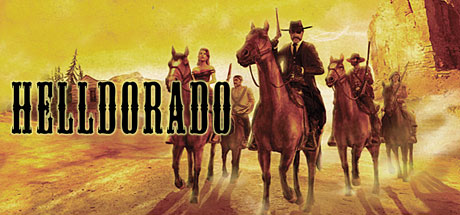
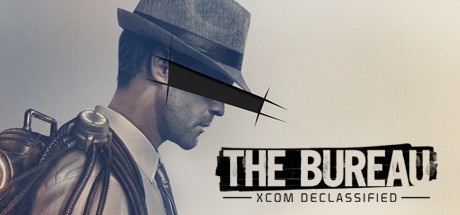
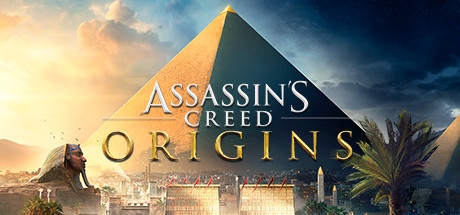
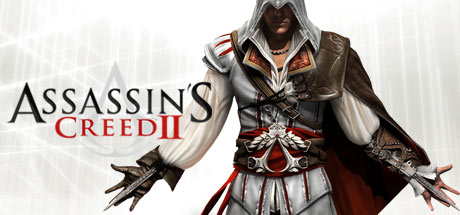









Match Dimensions Explained
❓Frequently Asked Questions
Why is Assassin's Creed listed as a noir game when it's set in the Middle Ages?
Great question—it’s not *classic* noir, but the Director’s Cut Edition leans hard into 'Neon Noir' and 'Political Thriller' dimensions: think Altaïr’s morally gray assassinations, shadow-draped Damascus alleyways lit by flickering oil lamps (a deliberate neon-adjacent chiaroscuro), and conspiracies where no authority is trustworthy—very much like a rain-slicked, corrupt city council meeting in *Chinatown*. Critics and players noted how its tone mirrors noir’s fatalism, even without fedoras or voiceover.
Is there a Disco Elysium TV adaptation coming?
No official TV or film adaptation exists yet—though fans have been begging for one since *Disco Elysium - The Final Cut* dropped. What *does* exist is pure, uncut noir DNA in-game: Detective Harrier DuBois sweating through humid, rain-streaked windows in Martinaise, debating ideology with a sentient billboard named ‘The Moral Compass’, and solving cases where the real mystery is whether truth even matters in a collapsing world. That vibe? Uniquely, brilliantly, *noir*—no screenwriter needed (yet).
How does Max Payne 2 compare to Hitman 2: Silent Assassin for stealthy, moody assassination gameplay?
Max Payne 2 is all about tragic, close-quarters gunplay—think bullet-time dives through shattered glass in a neon-drenched nightclub while Vinnie’s voice cracks over the radio—but it’s *narrative*-driven, emotionally raw, and dialogue-heavy. Hitman 2: Silent Assassin, meanwhile, gives you patient, methodical control: disguise as a priest to infiltrate a temple, poison tea at a diplomatic gala, then vanish—zero dialogue, maximum atmosphere. Both nail 'Neon Noir' and 'Tactical Warfare', but MP2 is a Shakespearean tragedy with pistols; Hitman 2 is a silent, surgical poem.
What’s the best game like Noir if I want that lonely, rain-soaked detective feeling at 3 a.m.?
Hands down *Disco Elysium - The Final Cut*: picture yourself as Detective DuBois in a damp trench coat, staring at a dead body under a flickering streetlamp in Revachol, your own thoughts arguing in your head like rival private eyes ('Logic' vs. 'Empathy' rolling dice in real time). The city breathes noir—graffiti reads 'THE END IS NIGH', your insomnia feels physical, and every conversation could unravel a conspiracy—or just make you cry. It’s not *like* noir—it *is* noir, running on RPG mechanics and existential dread.