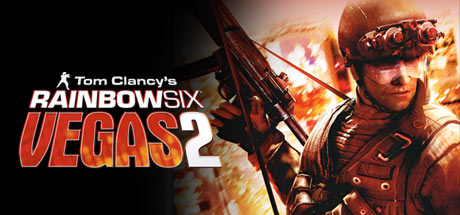
Tom Clancy's Rainbow Six® Vegas 2
Tom Clancy's Rainbow Six® Vegas 2 - the sequel to the award-winning next-generation first-person shooter - returns to Sin City. Tom Clancy's Rainbow Six Vegas 2 is your last chance to rescue America's sexiest city from an escalating terrorist siege that will force you into heart-pounding action from beginning to end.
🎮Game Details
💬What Players Say
"Rainbow Six Vegas 2 was a great game for its time spent 100’s of hours playing on the Xbox360. But replaying it today the controls sure were in that middle period of gaming, with clucky controls (though better than the original RS:V) and a wonky cover system that works only half the time. Especially in hard difficulty or in multiplayer where the enemy’s just shoot though the cover making in pointless...."
"It's a good game, a cult classic. However I can't find any solution to why my game's performance gets so low randomly, it goes from 60FPS to even 12 and 8 during some areas."
"Stellar game, holds up well in the current day and age. I wish it'd have more checkpoints in the Story Mode, and functioning multiplayer though. Overall, a great game to pickup on sale."
📝Editorial Analysis
The flicker of a neon palm tree reflected in rain-slicked asphalt—then the crack of a suppressed rifle, the sharp intake of breath as your squadmate drops mid-stride, and the sudden, gut-lurching drop in frame rate: 60FPS to 12, then 8, right as you round the corner into the Luxor’s shattered atrium. That’s Tom Clancy's Rainbow Six® Vegas 2—not as a polished artifact, but as a living pulse, uneven and urgent, vibrating with the friction of its own making. It’s not the clean precision of later tactical shooters; it’s clunky, it stutters, it demands presence—not perfection. You’re not mastering a system. You’re enduring Sin City’s collapse, one unscripted, stuttering, sweat-slicked breath at a time.
What makes this game’s atmosphere singular isn’t its desert setting or counter-terror premise—it’s how it feels like surveillance footage shot by someone who’s running out of time. The official description calls it “your last chance to rescue America’s sexiest city”—and that phrasing lands with weight because the game refuses to let you forget the stakes are visceral, immediate, human. There’s no HUD clutter, no cinematic slow-mo replays—just tight corridors, flickering casino lights, and the raw, unfiltered sound of boots on broken tile. Player reviews don’t praise its polish; they remember the hundreds of hours, the cult devotion, the way it holds up despite its flaws—the low FPS spikes, the checkpoint gaps, the controls stuck in that middle period of gaming evolution. It doesn’t aspire to be timeless. It is time—gritty, analog, breathing hard.
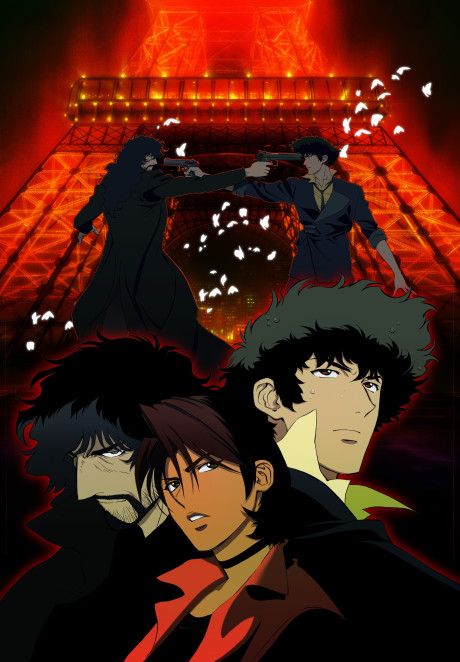
That same Neon Noir, Tactical Warfare DNA thrums through Darker than Black, where every rooftop leap is lit by sodium-vapor glow and every mission unfolds like a tense, silent negotiation between shadow and signal. The operatives don’t shout—they listen, calculate, adjust—just like Vegas 2’s squad commands, issued mid-firefight with clipped urgency. There’s no grand monologue before the breach; just the quiet click of a mag release and the shared glance before pushing through smoke. Then Buddy Daddies, which swaps espionage for found-family warmth—but never softens the edges of its tactical choreography. Gunplay here is precise, grounded, physical: recoil matters, cover is finite, and every exchange carries the weight of consequence—not spectacle. Like Vegas 2’s best firefights, it’s less about winning and more about staying coherent amid chaos. And Noir, the velvet-gloved ancestor of them all: all cigarette smoke and slow-burn dread, where the neon isn’t decoration—it’s atmospheric pressure, bending light and logic alike. Its assassins move like Vegas 2’s AI—methodical, adaptive, never over-explaining, always in the moment, always one step ahead of panic.
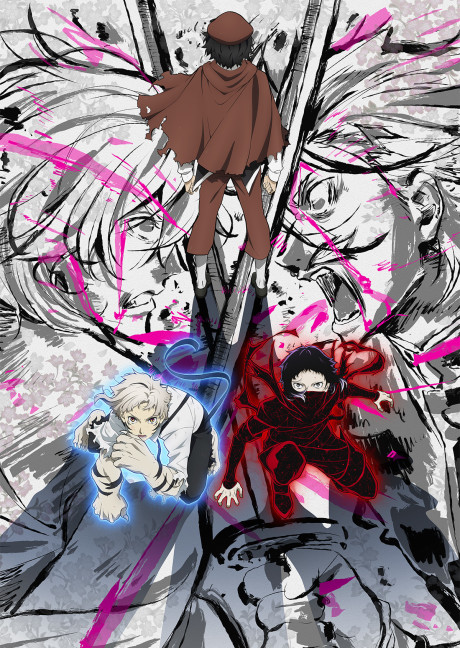
This pairing isn’t for fans of flawless mechanics or seamless worlds. It’s for the person who rewinds an anime fight scene not to admire the animation—but to study how the character shifts weight before the first strike. It’s for the player who still keeps their old Xbox 360 controller plugged in, not for nostalgia’s sake, but because they miss the resistance—the slight lag before the trigger registers, the way the camera lurches when you vault over a blackjack table, the beautiful imperfection of systems straining under their own intensity. It’s for the reader who highlights paragraphs in Bungo Stray Dogs 4 where characters pause mid-combat—not to breathe, but to reassess the architecture of the room, just like Vegas 2’s breaching drills demand you read door hinges, sightlines, and blast radiuses in real time. And it’s for the viewer who watches My Hero Academia Season 4’s U.A. raid not for Deku’s roar, but for the silence two frames before the explosion—when everyone’s eyes lock, shoulders tighten, and the city lights flare just so—exactly like the heartbeat pause before Vegas 2 drops you into the Bellagio’s flooded lobby, flashlight beam trembling, audio cutting to nothing but your own pulse and the distant, distorted wail of a siren. These aren’t stories about victory. They’re about presence, about standing in the glare—unblinking, unflinching, alive in the glitch.
→40 Anime That Match the Vibe
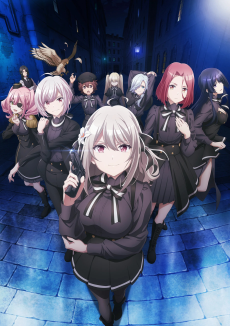
Shadows, cigarettes, and moral ambiguity — noir at its most stylish.

Shadows, cigarettes, and moral ambiguity — noir at its most stylish.
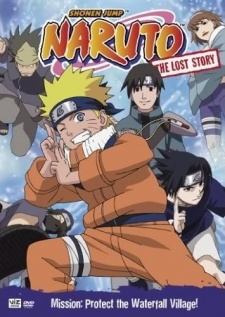
Shadows, cigarettes, and moral ambiguity — noir at its most stylish.

Neon-lit alleyways pulse with the same anxious stillness before a breach—whether it’s Rainbow Team breaching a Vegas casino vault or Kazuki pausing mid-takedown to check if Miri’s asleep in the next room. 🌃 Neon Noir binds them: Vegas 2’s oppressive, glittering surveillance state mirrors Buddy Daddies’ Tokyo, where assassins navigate parenthood under constant, unseen scrutiny. Unlike most action pairings, this resonance isn’t about spectacle—it’s how both weaponize tension between lethal precision and fragile domesticity.
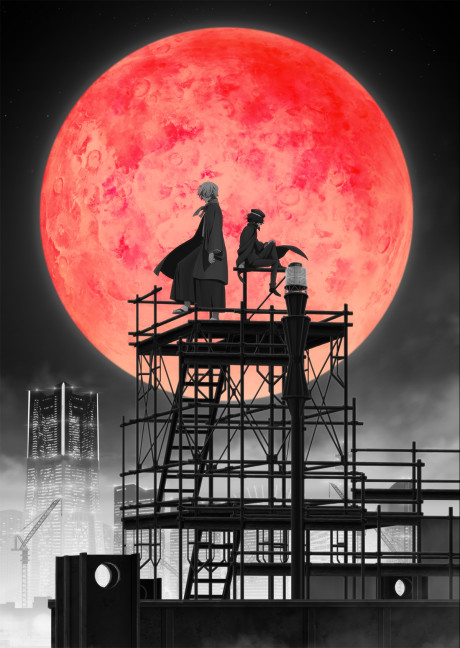
Neon-drenched alleyways pulse with the same electric dread in Vegas 2’s casino siege and *Bungo Stray Dogs* Season 4’s Yokohama underworld clashes—both weaponize 🌃 Neon Noir to frame moral ambiguity in flickering light. Unlike most tactical shooters, Vegas 2 makes cover feel claustrophobic and personal, much like Fukuzawa’s lone-guardian arc: his silent, precise swordplay mirrors Rainbow’s breaching drills—tense, ritualized, lethal. That shared 🎯 Tactical Warfare aesthetic transforms violence into choreographed consequence, not spectacle.
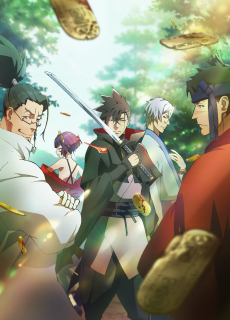
Shadows, cigarettes, and moral ambiguity — noir at its most stylish.
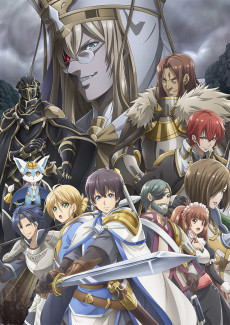
Shadows, cigarettes, and moral ambiguity — noir at its most stylish.
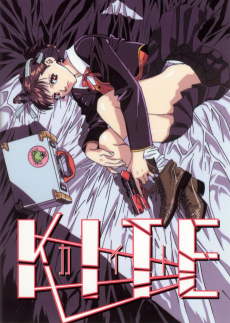
Shadows, cigarettes, and moral ambiguity — noir at its most stylish.

Shadows, cigarettes, and moral ambiguity — noir at its most stylish.
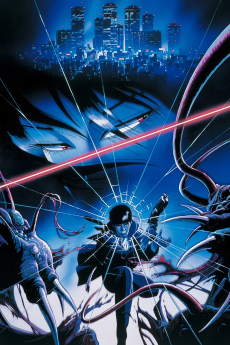
Shadows, cigarettes, and moral ambiguity — noir at its most stylish.


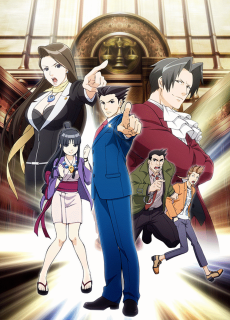


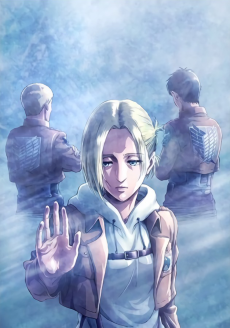

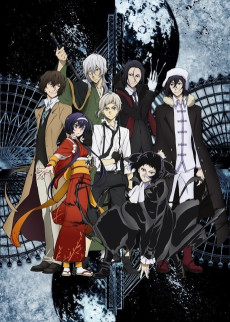
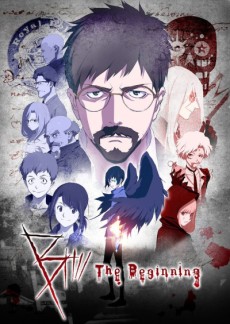



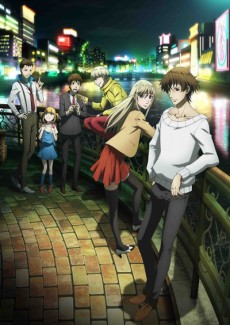
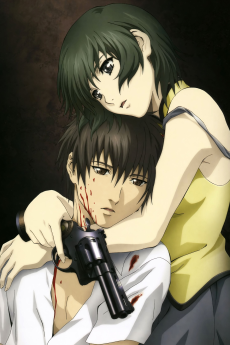


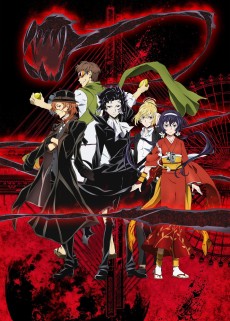

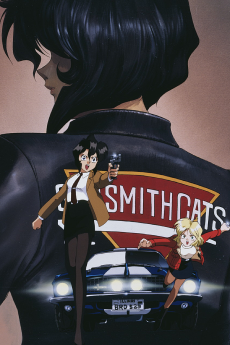
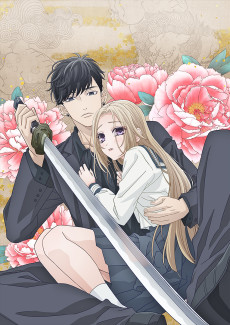
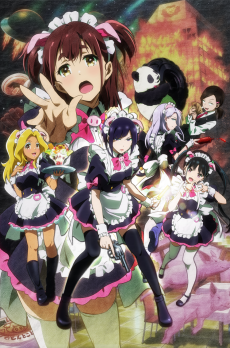
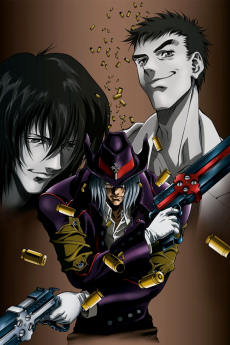


Match Dimensions Explained
❓Frequently Asked Questions
Why does Darker than Black feel like Rainbow Six Vegas 2?
Because both drop you into a neon-drenched, high-stakes tactical siege—like the Vegas Strip under terrorist occupation—but with human stakes instead of bullets. You’ll recognize the same tense, cover-based pacing in Hei’s rooftop takedowns and the meticulous squad coordination during the Hong Kong arc, where every move feels deliberate, just like breaching a hotel suite in Vegas 2’s ‘The Devil’s Own’ mission.
Is there an anime adaptation of Rainbow Six Vegas 2?
Nope—no official anime adaptation exists, and none are in development. But if you’re craving that same gritty, neon-lit tactical energy, Noir hits closest: its Parisian underworld ops mirror Vegas 2’s tight corridor fights and sudden ambushes—think the ‘Circus Maximus’ level’s claustrophobic tension, but with trench coats and silenced pistols instead of SCAR-Hs.
How does Buddy Daddies compare to My Hero Academia Season 4 for tactical action?
Buddy Daddies leans harder into grounded, small-unit tactics—like the convenience store hostage rescue where Rei and Kazuki use misdirection and precise timing, echoing Vegas 2’s ‘No Man’s Land’ mission where split-second callouts save lives. My Hero Academia S4 goes bigger (e.g., the Jaku Hospital raid), but trades realism for superpowered spectacle—less ‘breach-and-clear,’ more ‘quirk-overload.’
What’s the best anime like Rainbow Six Vegas 2 if I want that ‘clunky-but-tense’ 2008-era vibe?
Go with Noir—it nails the ‘clunky-but-tense’ rhythm fans remember from Vegas 2’s Xbox 360 controls: slower reloads, deliberate aiming, and consequences for rushing (like Mireille’s near-fatal stumble during the Marseille docks shootout). It’s not flashy; it’s methodical, sweat-on-your-neck suspense—exactly how Vegas 2 felt when you held your breath before kicking down that final door.