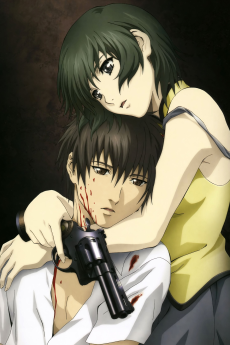
Phantom: Requiem for the Phantom
A young man wakes up in a strange room with no memory of who he is or how he got there. His past is lost—and his future belongs to Inferno, a violent crime syndicate. They give him a new name—Zwei—and team him with their top assassin, the enigmatic Ein. She’ll teach Zwei all he needs to know about his new life as an Inferno operative, starting with lesson number one: kill or be killed.
(Source: Crunchyroll)
📺Anime Details
📝Editorial Analysis
The fluorescent light hums—low, sickly, like a dying insect—over Zwei’s face as he stares at his own reflection in the bathroom mirror. His fingers press into the cold porcelain sink. He doesn’t recognize the eyes staring back. Not the shape. Not the color. Not the weight behind them. That silence—the one between breaths, between heartbeats—is where Phantom: Requiem for the Phantom lives. Not in gunfire (though there’s plenty), not in Ein’s calm, lethal precision, but in that hollow second when identity collapses and all that remains is the gun in your hand and the order in your ear.
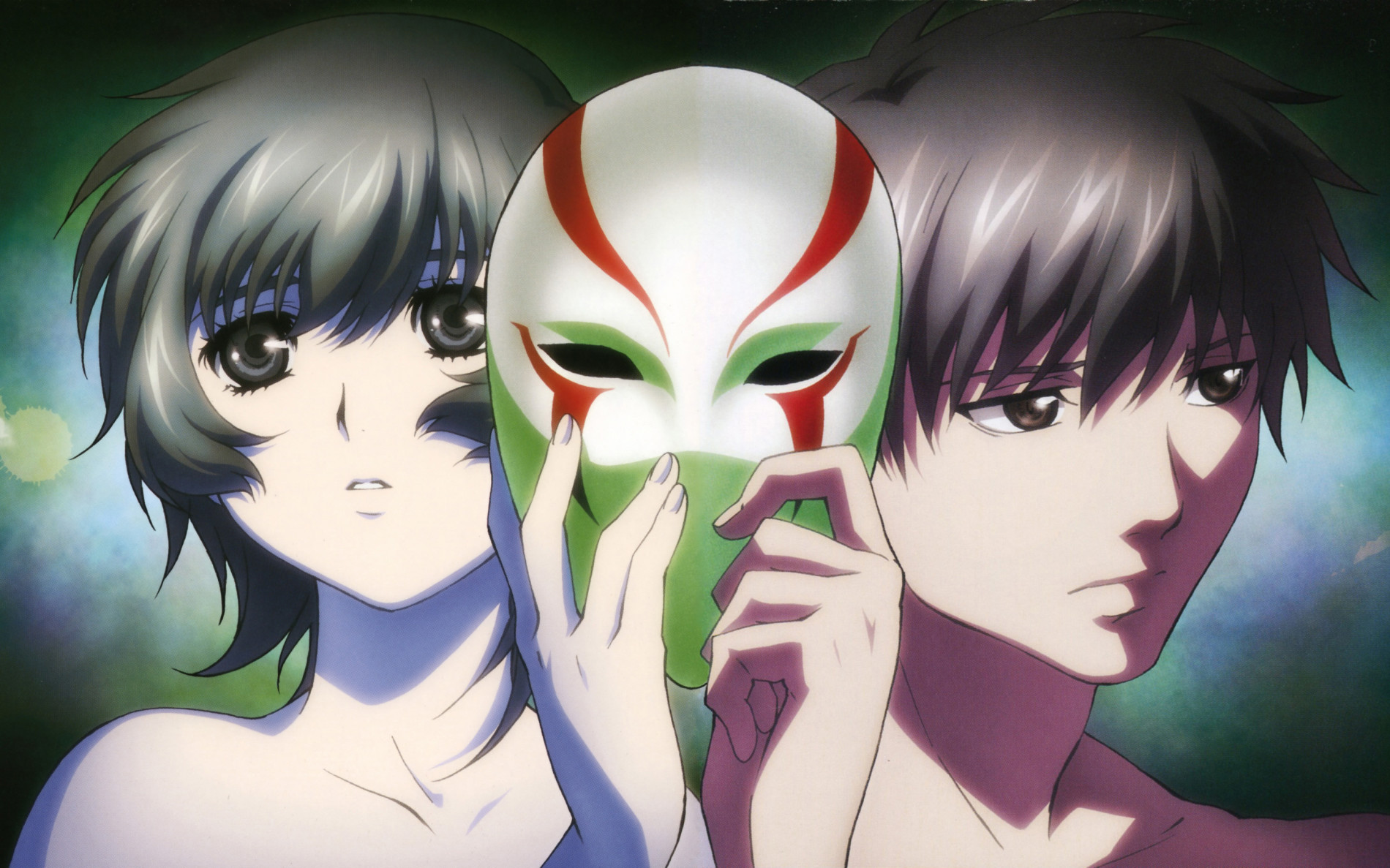
This isn’t noir as aesthetic—it’s noir as physiology. It’s the slow drip of amnesia turning memory into a crime scene you’re both victim and investigator of. Every alleyway smells like rain-slicked concrete and burnt cordite; every conversation carries the static of unreliability; every act of violence feels less like catharsis and more like erosion. You don’t root for Zwei—you watch him unmake himself, piece by piece, under Inferno’s direction. The tragedy isn’t that he kills. It’s that he learns to justify it before he remembers how to grieve. That’s the feeling: disorientation, yes—but deeper, complicity. You feel implicated—not because the show asks you to sympathize with assassins, but because it forces you to sit with the quiet horror of a mind being rewired while still fully conscious.
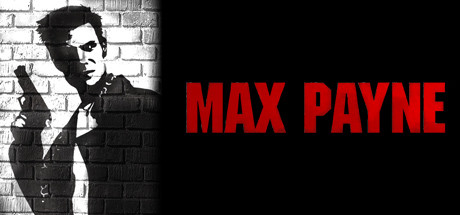
That same suffocating, morally airless tension lives in Max Payne. Its description calls it “a man with nothing to lose in the violent, cold urban night”—exactly how Zwei moves through Inferno’s world: hunted not by cops, but by his own erased past, framed not by evidence but by design. The player review mentions passing the controller after death—a ritual of shared exhaustion, mirroring how Zwei and Ein operate: two bodies cycling through trauma, each death a reset, each reload a surrender to the script. And Max Payne 2: The Fall of Max Payne, described as “a violent, film-noir love story,” hits even closer: love hurts, yes—but so does loyalty when it’s weaponized. Ein teaches Zwei to kill, but her restraint, her silence, her flickers of something almost protective—they’re the emotional counterpoint to Max’s doomed romance with Mona Sax. Both stories treat intimacy as a liability, trust as a tactical error, and tenderness as the most dangerous kind of exposure.
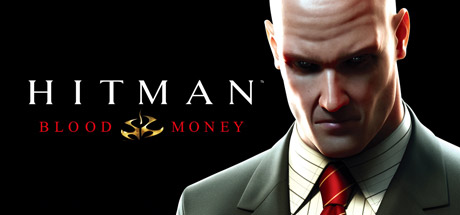
Then there’s Hitman: Codename 47, where you are “an enigmatic Hitman” using “stealth and tactical problem solving to enter, execute and exit… with minimum attention.” That clinical detachment—the way Zwei learns to observe angles, anticipate movement, disengage emotionally before pulling the trigger—is pure 47. The player review admits it’s “jank” and “old,” but “underrated”—just like Phantom’s pacing, which refuses to rush Zwei’s psychological unraveling. And Hitman 2: Silent Assassin, with its premise of “a retired assassin, forced back into action by treason,” echoes Zwei’s arc in reverse: he doesn’t return to a life—he’s installed into one, his retirement being the moment he wakes up with no name. Its description notes he “still has a sense of loyalty and justice”—a chilling parallel to Zwei’s dawning, unspoken resistance, not to killing, but to forgetting.
None of these pairings are about guns or syndicates on the surface. They’re about the silence after the shot. The way trauma calcifies into routine. How identity becomes a dossier you carry, not a voice you own. You’ll love this collision if you’ve ever paused mid-gameplay to stare at your character’s hands—wondering not what they’ll do next, but who they’ve become while you weren’t looking. If you’ve watched Zwei load a clip and felt your own throat tighten—not from suspense, but from recognition. If you don’t want heroes. You want people who move through shadows not because they choose darkness, but because the light has been edited out of their file. That’s the shared pulse: loneliness, doubt, inevitability. Not as themes—as textures. As weather. As the air you breathe while the world keeps giving orders—and you keep learning how to obey before you remember how to refuse.
🎮38 Games That Match the Vibe

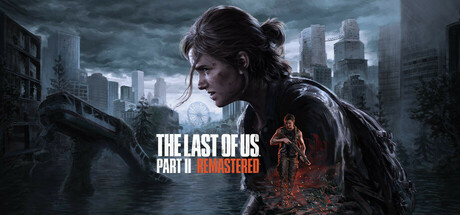


Match Dimensions Explained
❓Frequently Asked Questions
Why does Phantom: Requiem for the Phantom feel so much like Max Payne 2?
Because both are neon-drenched, tragic noir stories where a lone, morally compromised operative (Phantom's Enforcers vs. Max’s grief-fueled vengeance) navigates betrayal, doomed romance, and cinematic bullet-time action — especially in Max Payne 2’s ‘The Fall of Max Payne’ with its slow-motion shootouts and voiceover-heavy, emotionally raw storytelling. The match list confirms both share Neon Noir and Mystery & Detective dimensions, and players even note how clearing rooms full of enemies in Max Payne 2 mirrors Phantom’s tense, choreographed gunplay.
Is there a Phantom: Requiem for the Phantom anime or game adaptation?
No — Phantom: Requiem for the Phantom is itself an anime series (2009), not adapted *from* a game. But if you’re hunting games that *feel* like it — i.e., stylish, morally gray assassins in rain-slicked cities — Hitman: Codename 47 and Hitman 2: Silent Assassin are spot-on: both cast you as a stoic, genetically engineered killer navigating shadowy conspiracies, just like Phantom’s cold, precise Enforcers. Their Tactical Warfare + Neon Noir alignment on the match list isn’t accidental.
How does Rogue Trooper compare to Max Payne 2 for Phantom fans?
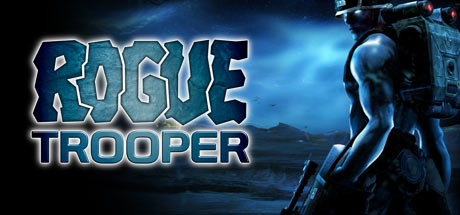
Rogue Trooper trades Max Payne 2’s intimate, dialogue-heavy noir tragedy for gritty, PS2-era sci-fi warfare — but keeps that same lone-wolf, neon-tinged despair: imagine Phantom’s stoic operatives reimagined as a bio-chipped soldier (Rogue) fighting a never-ending war on poisoned Nu Earth. Both score 75+ and share Neon Noir + Tactical Warfare, and fans call Rogue a ‘good hidden gem single player game… no bullshiet’ — perfect if you love Phantom’s atmosphere over its plot twists.
What’s the best Phantom-like game if I want that lonely, rain-soaked, morally ambiguous vibe?
Max Payne — hands down. Its description nails it: ‘a man with nothing to lose in the violent, cold urban night,’ hunted and haunted, just like Phantom’s operatives. The player review even recalls passing the controller after dying — that same grim, immersive tension. With its 79 score and shared Neon Noir + Tactical Warfare dimensions, it delivers Phantom’s brooding aesthetic and weighty silence between gunshots better than anything else on the list.