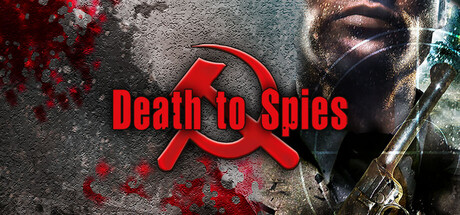
Death to Spies
Smersh is Russian for "Death to Spies" and was the name of a set of counterintelligence agencies formed in the Soviet Army during World War II. Their mission was to secure the rear of the active Red Army by arresting traitors, deserters, spies and criminal cells.
🎮Game Details
💬What Players Say
"If you like stealth games based on WW2 then this is for you. Good Game."
"This ♥♥♥♥ is so ass (gameplay wise)"
"Great Game Nostalgic"
📝Editorial Analysis
The cold sweat on your palms as you crouch behind a snow-draped fence in Death to Spies, breath shallow, listening—not for footsteps, but for the silence between them. That silence isn’t empty. It’s thick with the weight of the official description: Smersh is Russian for “Death to Spies” and was the name of a set of counterintelligence agencies formed in the Soviet Army during World War II. Their mission was to secure the rear of the active Red Army by arresting traitors, deserters, spies and criminal cells. Not liberation. Not glory. Securing the rear. A phrase that lands like a boot heel on frozen earth—functional, grim, unglamorous. One player calls it “Great Game Nostalgic…” — not for victory, but for the tactile memory of loading a save, adjusting a scope in grainy fidelity, knowing failure won’t trigger a cinematic cutscene, just a quiet reload and another try. Another says “This ♥♥♥♥ is so ass (gameplay wise)…” — not out of disdain, but exhaustion, the kind that comes from wrestling with systems that refuse to flatter you. This isn’t about mastery. It’s about endurance.
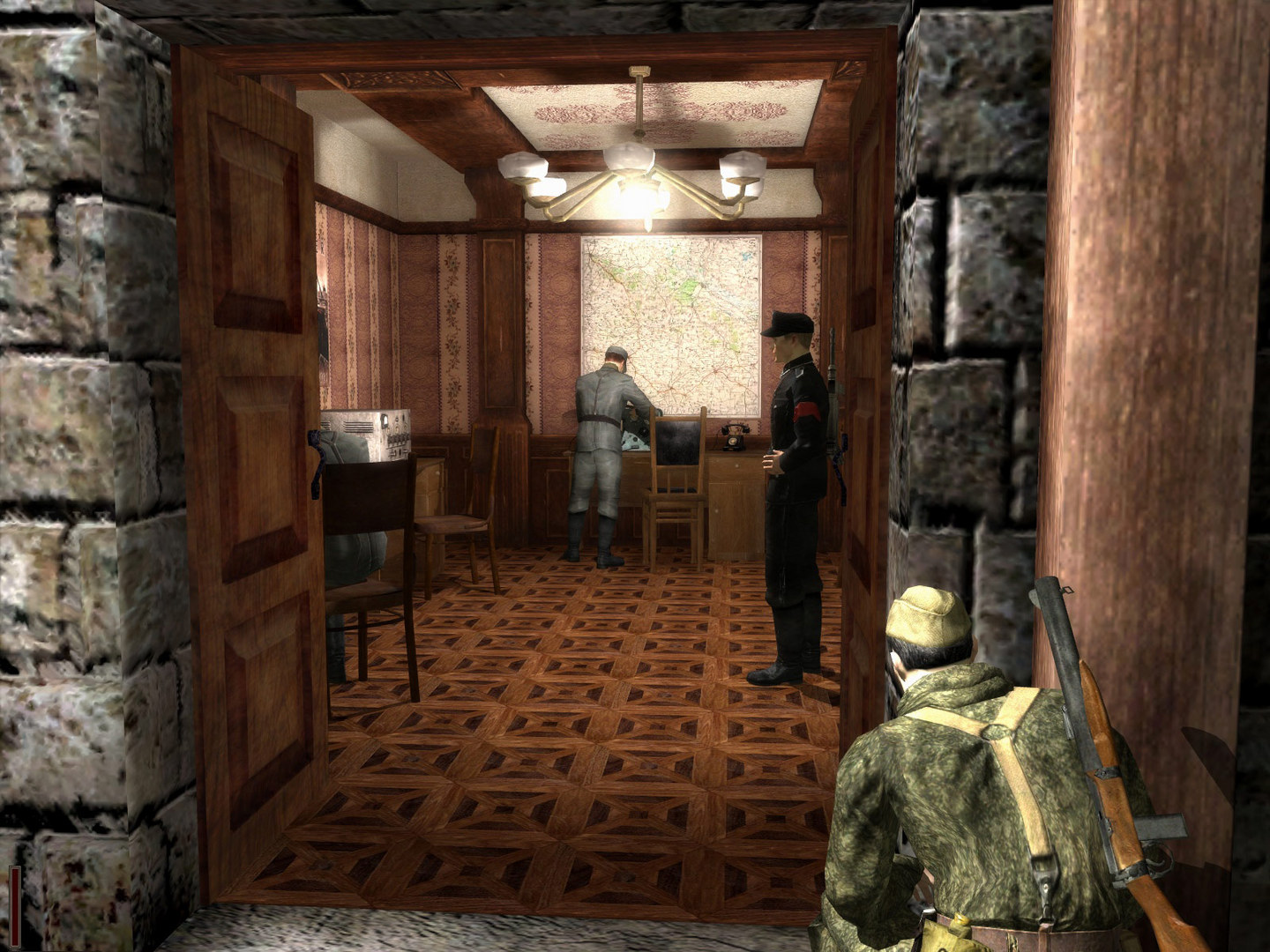
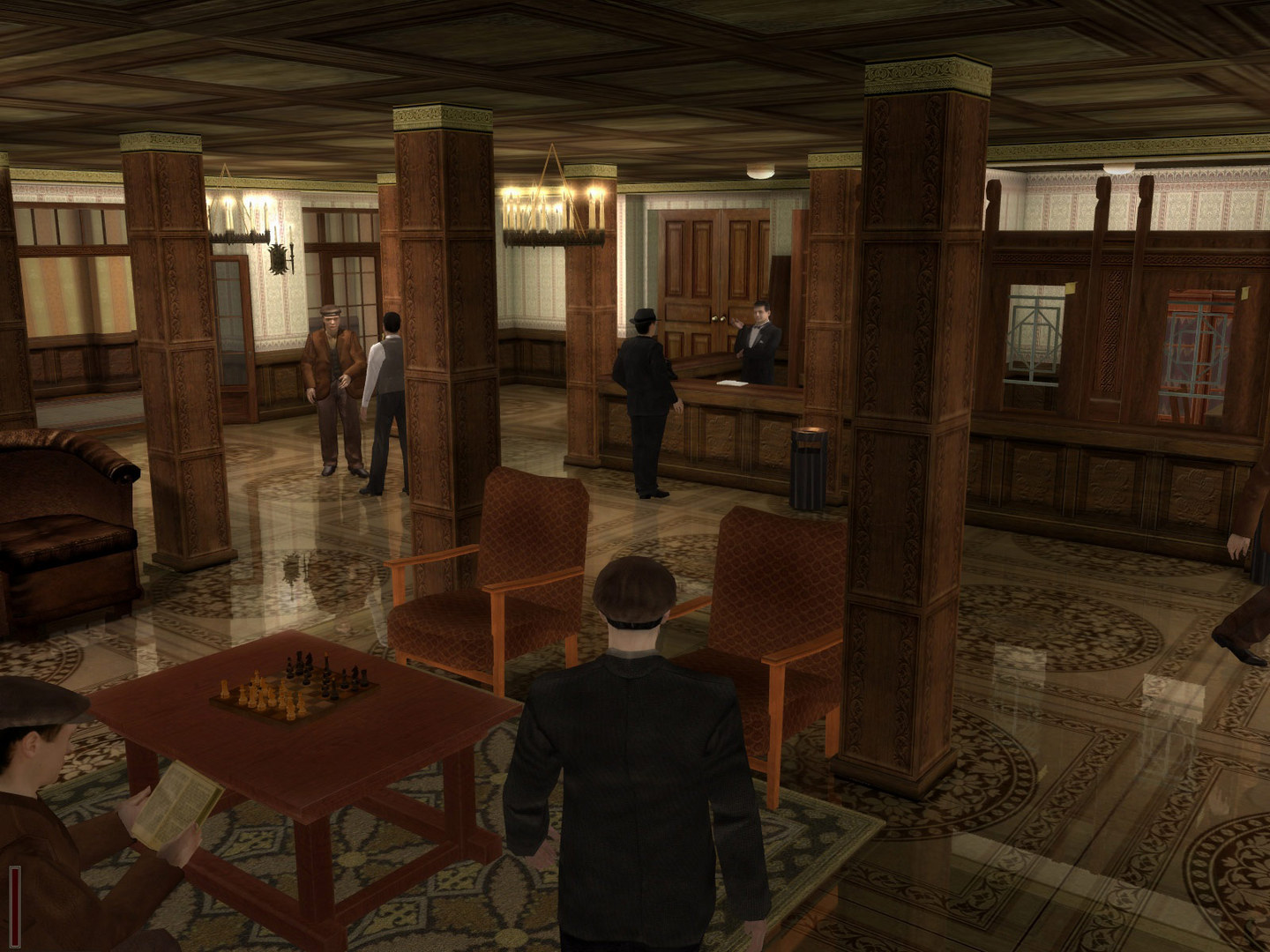
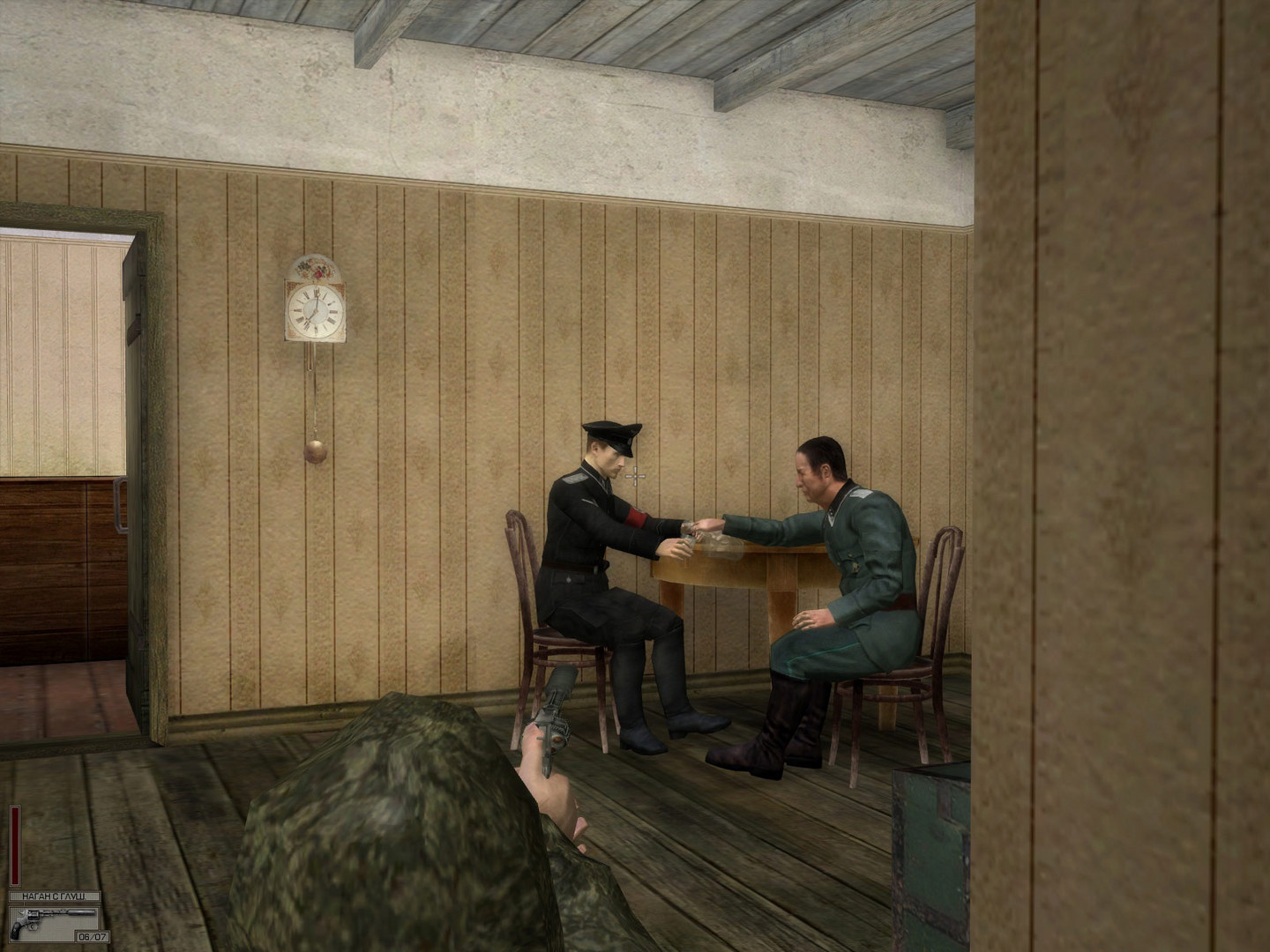
What makes Death to Spies vibrate at this particular frequency isn’t its WWII setting or its stealth mechanics—it’s the moral gravity of its stillness. You don’t move like an agent in a spy thriller; you move like someone who knows one misstep doesn’t mean death—it means erasure. No dossier, no memorial, no trace. Just a file stamped “liquidated” and filed under “rear security.” There’s no neon glow here, no synthwave pulse—but the feeling it evokes—the suffocating precision, the high-stakes choreography of concealment and consequence—is unmistakably Neon Noir: a world where light doesn’t illuminate truth, it exposes vulnerability. And Tactical Warfare isn’t about firefights—it’s about split-second risk calculus, where every decision bleeds into the next like ink in rain. You don’t feel heroic. You feel necessary. And that necessity is heavy, quiet, and utterly unforgiving.
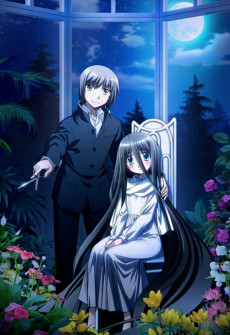
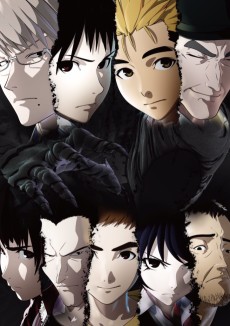
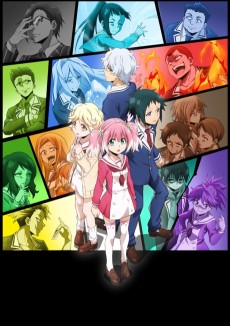
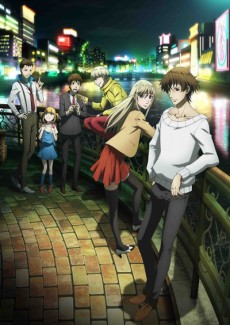
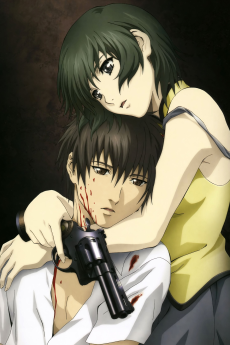
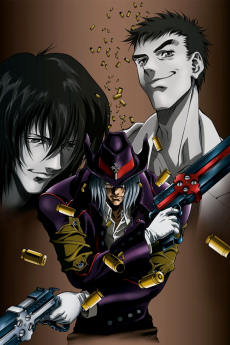
That same emotional architecture hums through Darker than Black, where Contractors operate in the shadows of Tokyo not for ideology, but because their very existence is a tactical liability—and every mission tightens the noose of consequence. The Neon Noir isn’t just aesthetic; it’s the way streetlights reflect off wet pavement as Hei chooses silence over speech, mirroring the player’s own held breath behind a crumbling wall in Death to Spies. Likewise, Buddy Daddies shares that same Tactical Warfare intimacy—not in grand battles, but in the razor-thin margin between domestic normalcy and lethal exposure, where protecting a child means calculating angles, timing exits, and living inside the weight of what happens if you’re seen. And Noir, with its French countryside assassins moving like clockwork through candlelit rooms and misted train platforms, carries the same Neon Noir melancholy: beauty sharpened to a point, elegance weaponized, every glance measured, every pause charged. These aren’t stories about winning—they’re about surviving the mission long enough to face the next one, eyes tired, hands steady, heart hollowed by repetition.
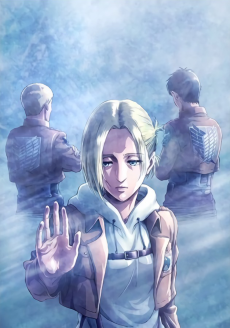
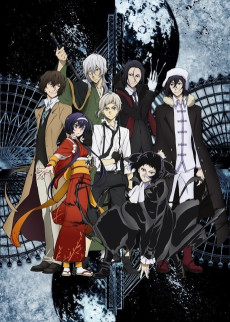
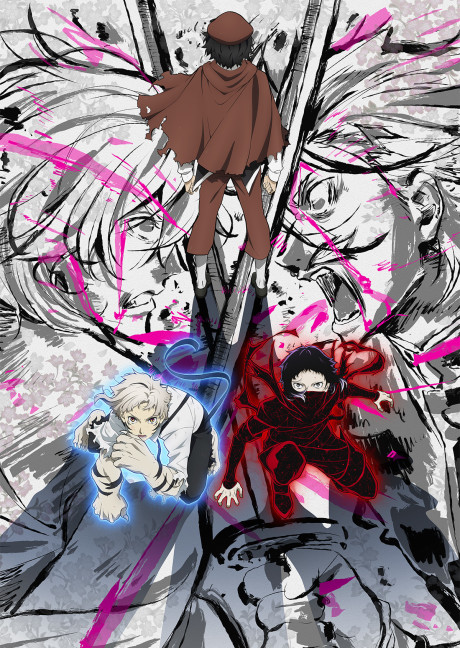
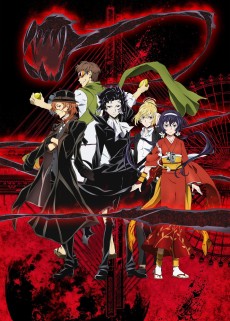
Who lives for this? Not the player who craves power fantasies or the viewer who needs cathartic explosions. It’s the one who replays a single Death to Spies level three times—not to beat it faster, but to feel the texture of the snow again, the grit of the rifle bolt, the way time stretches when you’re holding your breath behind a crate labeled “1943 – Smolensk Front.” It’s the anime fan who watches Bungo Stray Dogs 4 and doesn’t blink at the brutal efficiency of a takedown, but lingers on the aftermath—the quiet exhale, the unbuttoning of a glove, the way the light catches dust motes rising after violence has passed. It’s the person who finds poetry in tactical restraint, who hears the rhythm in a silenced pistol’s report and recognizes it as the same heartbeat thrumming beneath My Hero Academia Season 4’s most restrained moments—not Deku screaming, but Eraser Head waiting, fingers curled, watching, calculating, because in that stillness lies the only real control. They don’t want spectacle. They want substance. They want the weight. They want to stand, breath held, in the snow—and know, deep in their bones, that this is where meaning hides.
→40 Anime That Match the Vibe
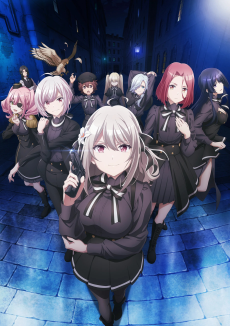
Shadows, cigarettes, and moral ambiguity — noir at its most stylish.

Shadows, cigarettes, and moral ambiguity — noir at its most stylish.
Shadows, cigarettes, and moral ambiguity — noir at its most stylish.

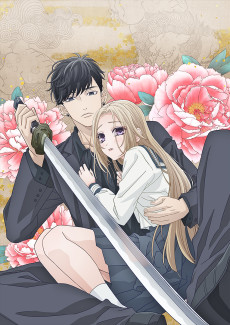
Neon-lit rain slicks Kazuki’s trench coat as he cradles Miri mid-chase—suddenly echoing a *Death to Spies* stealth takedown where light, shadow, and breath control become tactical instruments. Unlike most action pairings, neither work treats violence as cathartic spectacle; instead, both embed *Neon Noir* tension in quiet domesticity—Rei heating milk while listening for surveillance, a SMERSH agent checking door hinges before tucking in a child. That collision of lethal precision and tender vigilance feels startlingly, authentically Soviet-Japanese.
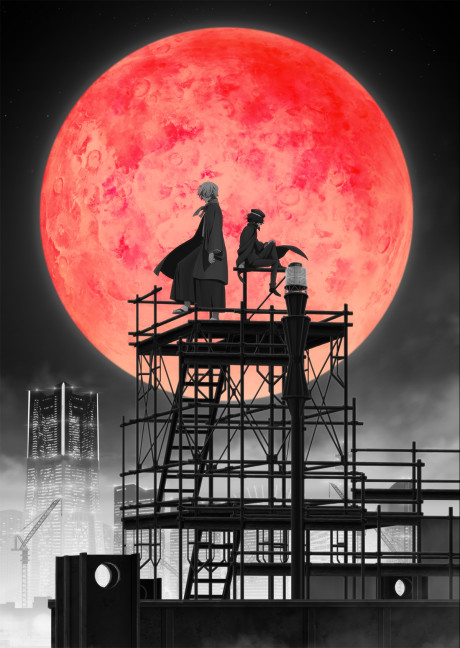
Neon-lit alleyways in *Bungo Stray Dogs 4*—where Yukichi Fukuzawa’s blade glints under flickering signage—echo the rain-slicked, high-stakes surveillance corridors of *Death to Spies*’ WWII Leningrad. Where SMERSH operatives move with silent, procedural precision, Fukuzawa embodies tactical warfare as solitary, almost ritualistic discipline—yet both weaponize restraint, not spectacle. This resonance isn’t stylistic coincidence: 🌃 Neon Noir here isn’t just mood—it’s the visual grammar of moral ambiguity under pressure.
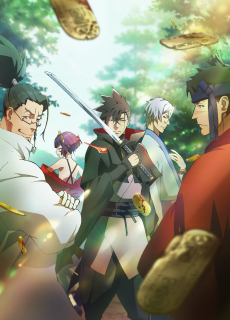
Shadows, cigarettes, and moral ambiguity — noir at its most stylish.
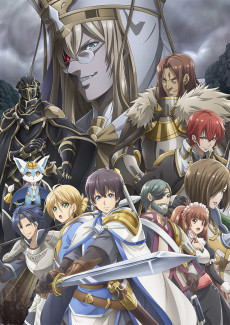
Shadows, cigarettes, and moral ambiguity — noir at its most stylish.
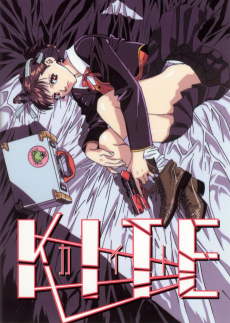
Shadows, cigarettes, and moral ambiguity — noir at its most stylish.

Shadows, cigarettes, and moral ambiguity — noir at its most stylish.
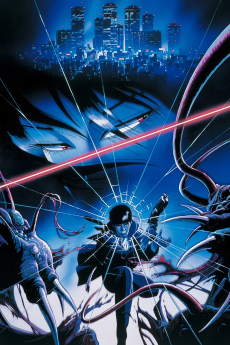
Shadows, cigarettes, and moral ambiguity — noir at its most stylish.


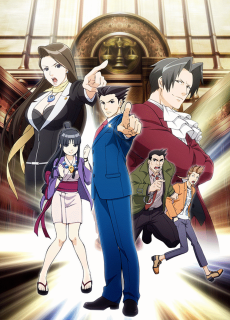










Match Dimensions Explained
❓Frequently Asked Questions
Why is Darker than Black recommended for Death to Spies fans?
Because both lean hard into cold, methodical spycraft in a morally gray world—think Hei’s silent takedowns and wire-based stealth mirroring Smersh’s real-world counterintelligence ops against traitors and deserters. The Neon Noir + Tactical Warfare vibe hits the same nerve as sneaking through WWII-era Soviet checkpoints or sabotaging enemy cells under cover of darkness.
Is there an anime adaptation of Death to Spies?
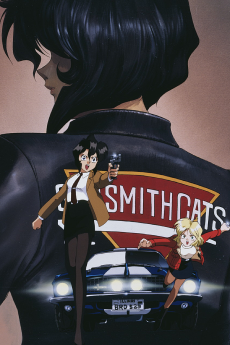
Nope—Death to Spies is strictly a video game series (no anime, manga, or live-action). But if you're craving that same tense, grounded WW2 espionage energy, Noir nails it: Mireille and Kirika operate like Smersh agents—cold, precise, and embedded in shadowy European underworlds where betrayal is currency.
How does Buddy Daddies compare to Death to Spies in tone and action?
It’s a surprising match—while Buddy Daddies has levity, its tactical gunplay (like Kazuki’s suppressed pistol work and clean extraction scenes) and Neon Noir grit echo Smersh’s emphasis on precision over flash. You’ll feel that same ‘rear-area security’ tension when they neutralize threats quietly, just like Smersh arresting deserters behind Red Army lines.
What’s the best anime like Death to Spies if I want that nostalgic, grounded WW2 spy vibe?
Go straight to Noir—it’s the closest in mood: no superpowers, just tradecraft, rain-slicked streets, and operatives hunting down traitors in a post-war-adjacent Europe. That ‘Great Game Nostalgic...’ review? Yeah, Noir delivers that exact same analog, cigarette-and-coat-wearing gravitas—especially in episodes where Mireille disarms intel rings with zero fanfare, just like Smersh’s real counterintelligence mission.