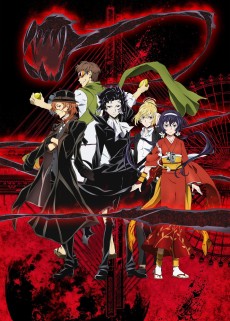
Bungo Stray Dogs 2: Walking Alone
Bundled with the 13th volume of the Bungou Stray Dogs manga, adapting Chapter 40 of the manga.
Note: While this was released related to the second season, the chapter it adapts both chronologically takes place during the third season as well as the chapter count its from is during the third season.
📺Anime Details
📝Editorial Analysis
Rain slicks the pavement of Yokohama’s back alleys like spilled ink—black, reflective, cold. A single cigarette glows in the dark as Atsushi Nakajima stands motionless, coat collar turned up, breath shallow, knuckles white around the hilt of a borrowed sword. Not fighting. Not running. Waiting. The silence isn’t empty—it’s charged, thick with the weight of choices already made and consequences still unfolding. That’s the heart of Bungo Stray Dogs 2: Walking Alone: not action as release, but action as aftermath. A single chapter, bundled with manga volume 13, adapting Chapter 40—yet existing in that uncanny liminal space where time folds: chronologically belonging to the third season, emotionally anchored in the second’s quiet erosion of certainty.

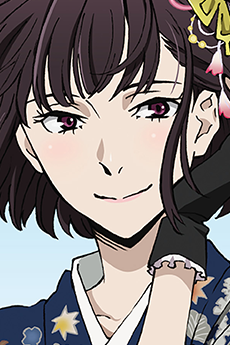
What makes it ache is how still it feels beneath its genre labels. This isn’t supernatural spectacle—it’s the hush after the explosion, the tremor in the hand that’s just lowered a gun, the way philosophy doesn’t arrive in monologues but in the pause before a sentence finishes. It’s seinen not because of age rating, but because it treats trauma like weather—inescapable, atmospheric, altering how light falls on everything. You don’t watch it to solve the mystery—you watch to feel the gravity of being a detective who knows the truth won’t fix anything. The terrorism isn’t cartoonish; it’s bureaucratic, weary, embedded. The swordplay isn’t choreographed triumph—it’s exhaustion given steel. And the kuudere isn’t cute detachment—it’s armor worn so long it’s fused to the skin.
That emotional DNA pulses strongest in Max Payne, where a man with nothing to lose moves through a violent, cold urban night—not as a hero, but as wreckage walking upright. The description nails it: “A fugitive undercover cop framed for murder, hunted by cops and the mob, Max is a man with his back against the wall, fighting.” Just like Atsushi, standing alone in the rain—not because he chose solitude, but because every alliance has frayed at the edges. And that player review? “Once you died, you passed the controller to the next player”—that communal, almost ritualistic passing of burden mirrors how Bungo Stray Dogs 2: Walking Alone treats consequence: it’s not yours alone to bear, but it is yours to carry forward, handed off in silence, without ceremony.
Then there’s Disco Elysium - The Final Cut, where you’re “a detective with a unique skill system at your disposal and a whole city to carve your path across.” Not to win—but to endure. Its description doesn’t promise resolution; it promises interrogation—of suspects, of systems, of yourself. And that player review cuts deep: “Capital has the ability to subsume all critiques into itself. Even those who would critique capital end up reinforcing it instead.” That’s the philosophical hum beneath Bungo Stray Dogs 2: Walking Alone—not “good vs evil,” but how institutions absorb resistance, how ideals curdle in practice, how even walking alone becomes a political act when every path is surveilled, every choice pre-scripted by forces you can’t name but feel in your bones.
Even Max Payne 2: The Fall of Max Payne, described as “a violent, film-noir love story. Dark, tragic and intense,” resonates—not in romance, but in its understanding of love as collateral damage. Its player review calls it “a stellar sequel… successfully improving on many of the original's key mechanics. Clearing a room full of enemies full of enemies…” But what lingers isn’t the clearing—it’s the fall. The title says it. And Bungo Stray Dogs 2: Walking Alone lives in that same falling space: no grand collapse, just the slow, quiet surrender of footing, one step at a time, on wet pavement.
This isn’t for the viewer who wants catharsis. It’s for the one who recognizes the weight in a held breath—the one who plays Crash Time 2 not for the chases, but for the hollow echo of sirens in an empty Autobahn at 3 a.m., or who revisits Indiana Jones® and the Fate of Atlantis™ not for the whip cracks, but for the line “An archaeological wonder trapped in amber”—because some truths are too fragile to excavate. They must be worn, like a coat turned up against the rain. You’ll love these pairings if you’ve ever stared at a city skyline and felt less awe than vertigo—if your favorite scenes aren’t the fights, but the silences between them—if you understand that the most dangerous weapon isn’t a sword or a gun or even a supernatural ability… but the quiet, unblinking certainty that walking alone is the only honest way to walk at all.
🎮69 Games That Match the Vibe









Match Dimensions Explained
❓Frequently Asked Questions
Why does Max Payne 2: The Fall of Max Payne match Bungo Stray Dogs 2: Walking Alone so well?
Because both lean hard into tragic, noir-tinged love stories with morally gray characters—Max’s doomed romance with Mona Sax mirrors the emotional weight and betrayal arcs in Walking Alone, especially around characters like Atsushi Nakajima and Kyoka Izumi. The slow-motion gunplay and cinematic, dialogue-heavy cutscenes (like the rain-soaked rooftop confrontation in Max Payne 2) echo the game’s stylized, emotionally charged pacing and adult & dark seinen tone.
Is there an anime or manga adaptation of Disco Elysium that’s similar to Bungo Stray Dogs?
No official anime or manga adaptation exists—but Disco Elysium shares Bungo Stray Dogs’ literary density and psychological depth, especially in how it handles fractured identities (like Harry DuBois’ amnesia vs. Atsushi’s split personality). Fans often compare the way both use voiceover narration, surreal inner monologues, and morally ambiguous cityscapes—Capital’s decaying districts feel like a grittier, rainier Yokohama.
How does Crash Time 2 compare to Max Payne 2 for fans of Bungo Stray Dogs 2’s mood?
Crash Time 2 *looks* like it fits the neon noir aesthetic—police chases at night, moody lighting—but it’s actually a janky arcade racer with awful controls and zero narrative weight, unlike Max Payne 2’s tightly written, tragic love story and film-noir dialogue. If you loved Walking Alone’s emotional stakes and character-driven tension, Crash Time 2 will leave you cold—skip it and go straight to Max Payne 2 or Disco Elysium instead.
What’s the best game like Bungo Stray Dogs 2: Walking Alone if I want something melancholic but deeply atmospheric?
Disco Elysium — The Final Cut is your best bet. Its rain-slicked, politically haunted city of Revachol, paired with Harry DuBois’ self-destructive introspection and voiceover musings on trauma and identity, hits the same lonely, poetic vibe as Walking Alone’s quieter moments—like Atsushi wandering alone through foggy portside alleys. The game even lets your skill checks shape how you interpret reality, much like how Walking Alone blurs memory and perception.