Grand Theft Auto III
Welcome to Liberty City. Where it all began. With stellar voice acting, a darkly comic storyline, a stunning soundtrack and revolutionary open-world gameplay, Grand Theft Auto III is the game that defined the open world genre for a generation.
🎮Game Details
💬What Players Say
"First game in a while I completely gave up on. It's a tedious, trial and error slog fest that's extremely punishing and has no quality of life. No autosaves or checkpoints, so if you do fail a mission, (which is very easy to do on a lot of them...."
"Good game."
"Good game, and the start the Sandbox 3d games like we know."
📝Editorial Analysis
Rain slicks the asphalt of Liberty City, reflecting fractured neon—pink, electric blue, sickly yellow—off wet brick and rusted fire escapes. You’re in a stolen Rumpo, fishtailing around a corner near the Callahan Bridge, engine screaming, police sirens wailing just out of sync with the bassline thumping from your cracked radio: “You’re gonna get yours, baby…” Then—crunch. You hit a lamppost. The screen flashes red. No checkpoint. No autosave. Just silence, then the cold restart from the last save point you made three missions ago, back in a dim apartment where the only light came from a flickering TV playing static. That’s not frustration—it’s disorientation. That’s Grand Theft Auto III: not a power fantasy, but a slow, humid descent into a city that doesn’t care if you live, die, or vanish mid-chase.
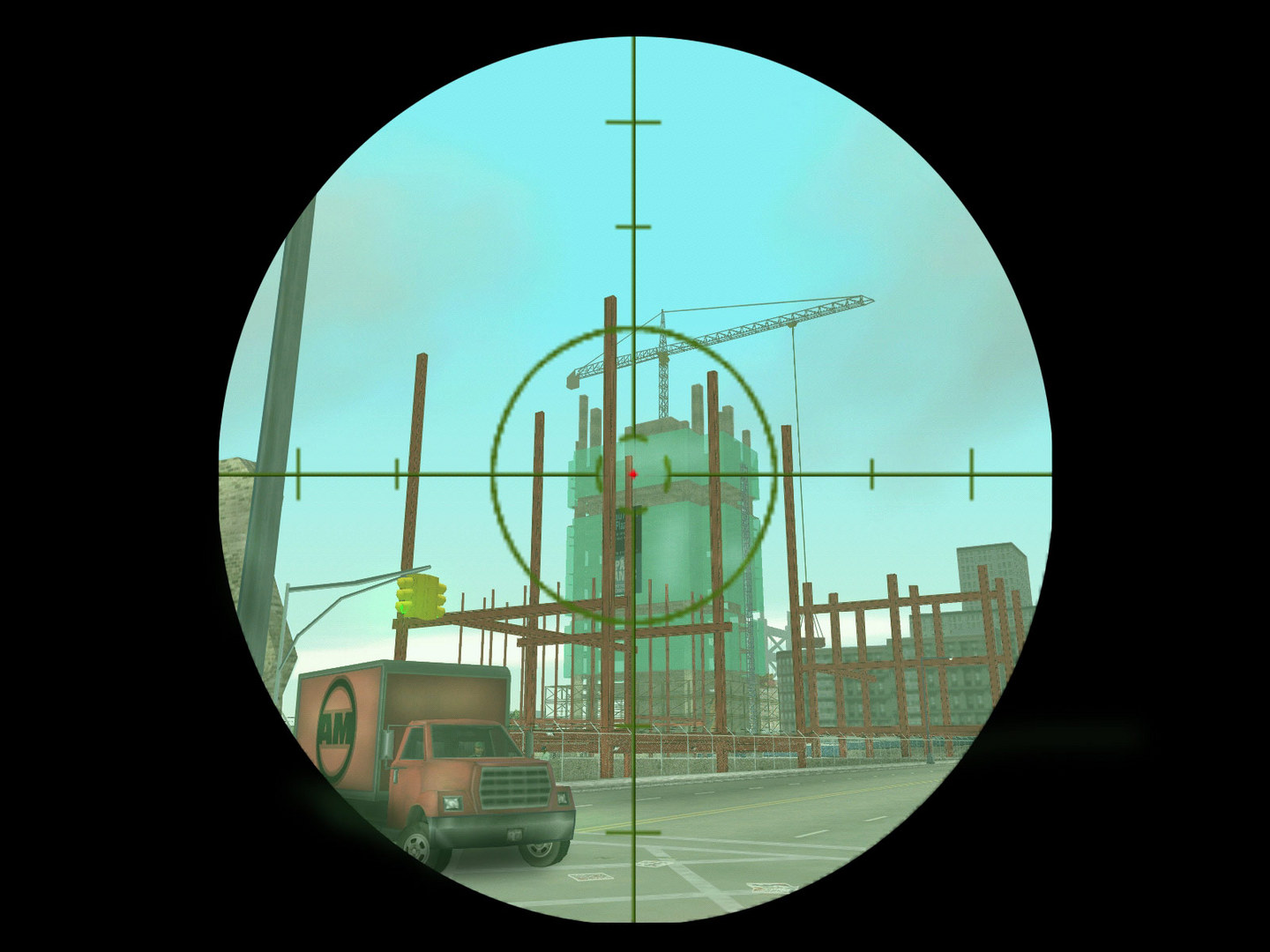
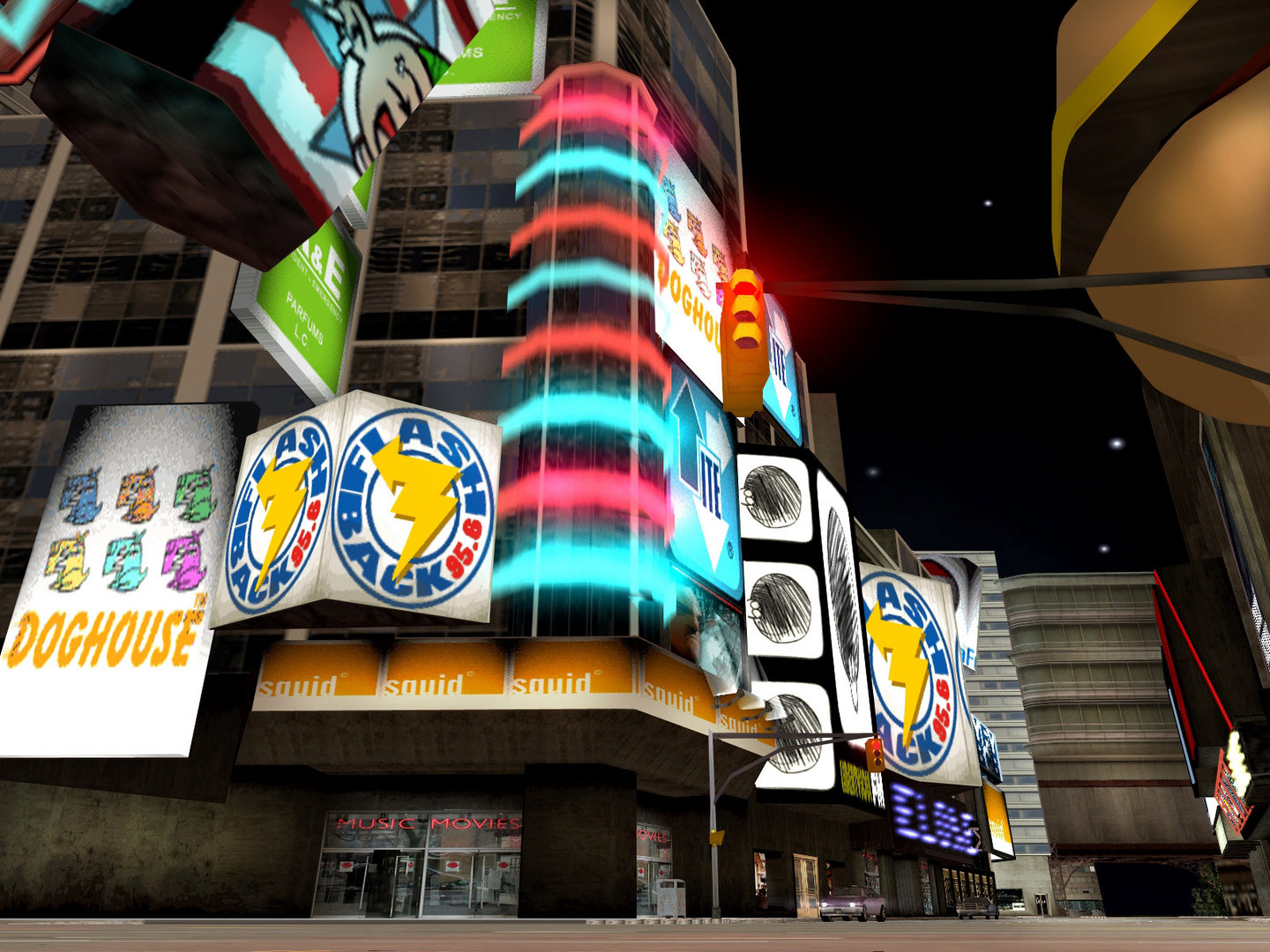
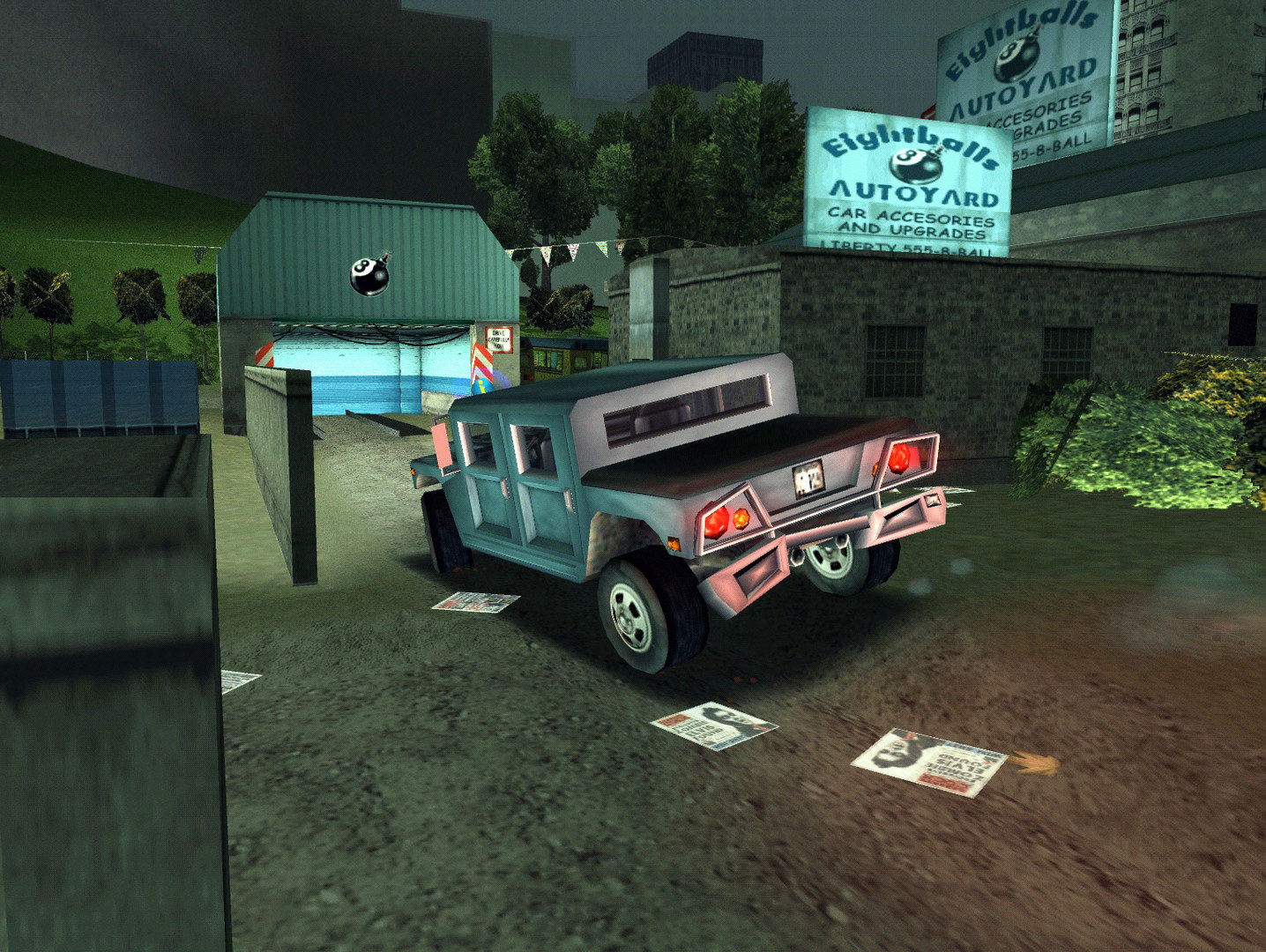
What makes it unique isn’t the open world—it’s the weight of it. This isn’t freedom as liberation; it’s freedom as exposure. Every alley feels like surveillance blind spot, every mission a gamble against memory and mercy. The official description calls it “darkly comic”—and it is—but the comedy isn’t in the jokes (though the voice acting is stellar), it’s in the absurdity of trying to be a criminal in a system that’s already broken, indifferent, and deeply bureaucratic. Player reviews confirm the texture: “tedious, trial and error slog fest”, yes—but also “missions are shorter and more sandboxy”, “you can complete them however you want”. That contradiction is the feeling: agency wrapped in exhaustion, improvisation born from limitation. There’s no HUD map guiding you home—just landmarks, instinct, and the low hum of the city’s 24/7 soundtrack, stitching together jazz, hip-hop, and talk radio into something that feels less like background music and more like the city’s nervous system. It makes you feel unmoored, yet hyper-alert—like you’re always one wrong turn from becoming part of the scenery.
That same unmoored intensity lives in GANGSTA., where twilight never lifts and every negotiation happens under flickering sodium lights. Its Neon Noir isn’t just palette—it’s moral murk, where loyalty is transactional and violence is quiet, sudden, and tactically precise. Like GTA III’s mission design, fights aren’t spectacles—they’re cramped, consequential, solved with timing, positioning, and knowing when to run. Both reject heroic arcs; they offer survival as the only win condition. Then there’s AJIN: Demi-Human, where immortality isn’t power—it’s alienation. The city’s surveillance cameras, the clinical detachment of government squads hunting “non-humans”, the way light bleeds through rain-streaked windows during rooftop chases—all mirror GTA III’s oppressive urban grammar. No autosaves? AJIN’s protagonists face irreversible consequences too: a single misstep fractures trust, identity, or life itself. And Bungo Stray Dogs 2: Walking Alone—not the flashy team-ups, but this season’s hollow-eyed solitude, its Adult & Dark Seinen gaze on betrayal and institutional rot. The Port Mafia’s neon-drenched offices, the way characters move through crowds like ghosts, the tactical restraint before explosion—this isn’t action as catharsis. It’s action as calculus. Like failing a GTA III mission and realizing you didn’t misaim—you misjudged the city’s rhythm.
These pairings aren’t for fans of slick power fantasies or tidy redemption arcs. They’re for the viewer who watches Lupin pull off a heist—not to cheer the win, but to study how he listens to the guard’s footsteps, how he times his breath between camera sweeps. Lupin the 3rd, at its sharpest, shares GTA III’s razor-thin margin between control and chaos: the smirk hides exhaustion, the jazz score pulses like a pulse rate, and every escape works only because the city’s systems are flawed, predictable, and deeply human. That’s the shared nerve: a fascination with structure—not to obey it, but to feel its pressure, to test its seams, to move through its shadows knowing you’re never truly safe, never fully in charge, but alive in the friction.
So if you’ve ever sat still after a failed mission—not angry, but quietly stunned by how much the city breathed around you—if you love anime where the lighting feels like a character and silence carries more threat than gunfire—then you’re already speaking this language. It’s not about winning. It’s about staying awake in the downpour, radio low, eyes scanning the rearview, heart beating just faster than the bassline. That’s where they all meet: in the wet, humming, unforgiving glow.
→5 Anime That Match the Vibe

Shadows, cigarettes, and moral ambiguity — noir at its most stylish.
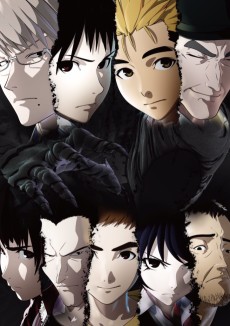
Neon-drenched alleyways in Liberty City pulse with the same moral rot that stains Kei Nagai’s first resurrection—bloodied but unbroken, staring at his own corpse. Where GTA III weaponizes urban decay through satirical, systemic violence, AJIN: Demi-Human fractures identity itself, making *Neon Noir* a shared grammar of alienation and surveillance. This pairing is startling precisely because both treat survival as tactical warfare—not against enemies, but against the indifferent architecture of power.

Liberty City’s rain-slicked alleys and Ergastulum’s neon-drenched docks both pulse with the same weary cynicism—where survival demands moral compromise, not heroism. 🌃 Neon Noir isn’t just lighting; it’s the shared grammar of compromised cops, ex-cons turned contractors (like Nicky “The Weasel” in GTA III and Nicolas Brown in GANGSTA.), and systems too rotten to reform. Unlike most crime sagas, neither flinches from showing how power calcifies in the shadows—making their resonance feel less like homage and more like parallel autopsies of urban decay.
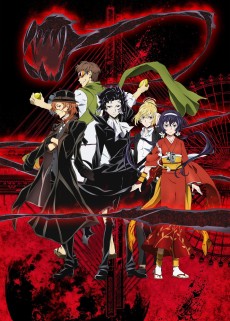
Liberty City’s rain-slicked alleys pulse with the same neon-noir dread as Atsushi’s solitary walk through Yokohama’s fogged docks in *Walking Alone*—an OVA where his isolation mirrors Claude’s silent, reactive traversal of a corrupt urban labyrinth. Unlike most action narratives, neither work romanticizes power; instead, they weaponize tactical warfare against systems that demand moral compromise. This dark seinen resonance feels startlingly intimate: two wounded men moving through hostile cities where every shadow hides consequence, not spectacle.
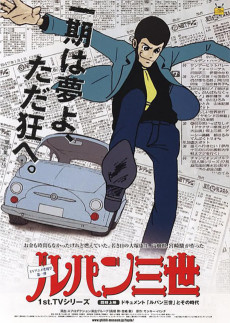
Liberty City’s rain-slicked alleys pulse with the same neon-noir tension as Lupin’s heist on the *Queen Emeraldas*—a ballet of stolen cars, split-second escapes, and sardonic one-liners. Where Jigen’s sniper precision mirrors Claude’s methodical drive-by takedowns, both works weaponize darkly comic fatalism against corrupt systems, grounding their chaos in a gritty, adult *seinen* realism. It’s surprising how deeply their tactical warfare—Lupin’s misdirection versus GTA III’s emergent police chases—feels like twin expressions of anarchic competence.
Match Dimensions Explained
❓Frequently Asked Questions
Why does GANGSTA. feel like Grand Theft Auto III’s anime cousin?
Because both drop you into a gritty, neon-drenched city—Liberty City and Ergastulum—with zero hand-holding and a heavy emphasis on tactical, consequence-heavy choices. Like GTA III’s infamous lack of autosaves, GANGSTA. forces you to live with messy decisions: when Nic and Worick take that ill-advised job in the Red Light District (ep 12), it spirals into a brutal, no-reload firefight—no checkpoints, just raw cause-and-effect.
Is there an anime adaptation of Grand Theft Auto III?
No—Rockstar has never licensed or produced an official anime adaptation of GTA III. But if you’re craving that same vibe—adult-oriented, morally gray, open-feeling urban chaos—you’ll get close with Lupin the 3rd, especially Part IV (‘The Italian Adventure’), where Lupin’s heists unfold across loosely connected city hubs, improvising escapes like GTA III’s sandbox missions (e.g., hijacking a Vespa mid-chase in Florence, then ditching it for a speedboat).
What’s the best anime like GTA III if I want that ‘gritty, no-hand-holding’ mood?
AJIN: Demi-Human nails it—especially early episodes where Kei’s hunted through rain-slicked, labyrinthine cityscapes (think the Shibuya underpass chase in ep 4), with no safety net: no respawns, no tutorials, just visceral, trial-and-error survival. It mirrors GTA III’s punishing rhythm: fail a stealth takedown? You get shot, dragged offscreen, and wake up bruised—just like losing all your health and respawning at a hospital with no ammo or car.
How accurate is Bungo Stray Dogs 2: Walking Alone as a GTA III anime match?
Surprisingly spot-on—not for guns-blazing chaos, but for its *structure*: like GTA III’s mission design, BSDB2’s arcs (e.g., the Port Mafia siege in eps 7–9) let you choose your approach—stealth, misdirection, or brute force—and consequences ripple outward. The Port Mafia HQ isn’t a linear corridor; it’s a multi-level, explorable space where you can flank guards, trigger alarms, or sneak through vents—exactly how GTA III’s ‘The Exchange’ mission rewards improvisation over scripted paths.