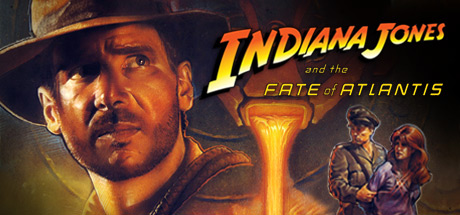
Indiana Jones® and the Fate of Atlantis™
The Man With The Hat Is Back In His Greatest Adventure Yet! 1939 - The eve of World War II. Nazi agents are about to get their hands on a weapon more dangerous than the atom bomb. Only Indy can stop them before they unleash the deadly secret that sank Atlantis.
🎮Game Details
💬What Players Say
""An archaeological wonder trapped in amber."Before modern gaming traded imagination for raw graphics, LucasArts gave us a masterpiece crafted entirely out of passion, clever code, and brilliant writing. The Fate of Atlantis isn't just a classic point-and-click; it is arguably the finest Indiana Jones story ever told...."
"A classic, amazing replayability value still 20+ years after the game was published."
"Genuine classic."
📝Editorial Analysis
The dusty scent of old parchment rises from the screen—not literally, but there, in the way Indy’s fingers brush the cracked clay tablet in Crete, the way the cursor hovers over “examine” like a held breath. It’s 1939. War looms like thunder just beyond the horizon, and somewhere beneath the Mediterranean, something older than empires stirs—not with malice, but with weight. Not spectacle, but consequence. That’s the feeling: standing at the threshold of myth made tactile, where every puzzle isn’t just logic, but legacy—where a wrong translation could let Nazis weaponize Atlantis itself. As one player put it, it’s “an archaeological wonder trapped in amber”—not frozen, but preserved, glowing with quiet intensity beneath layers of time and code.
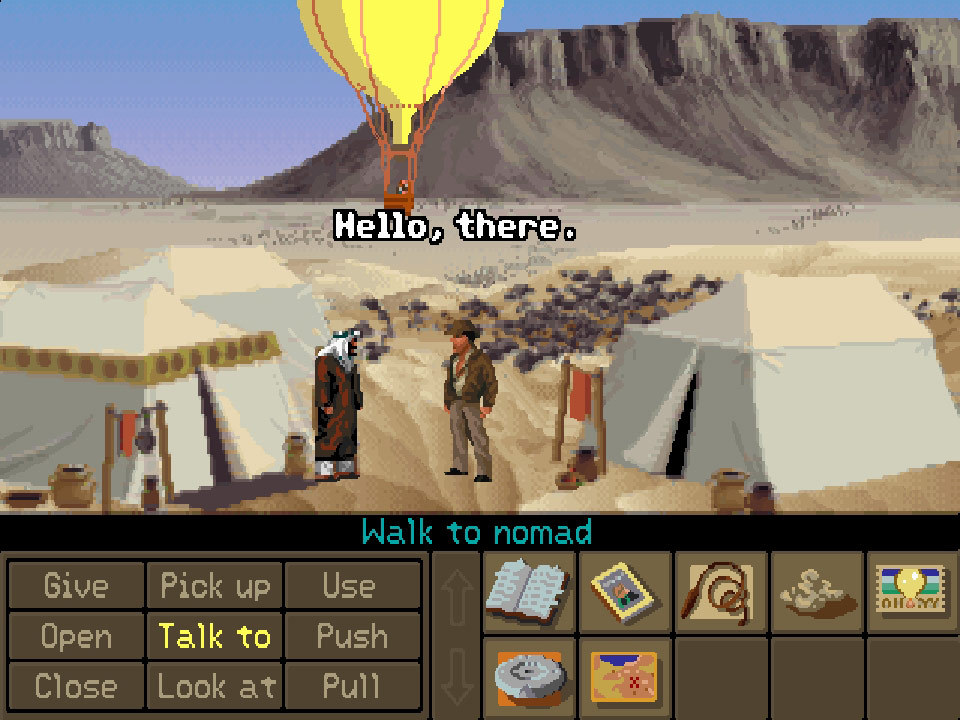
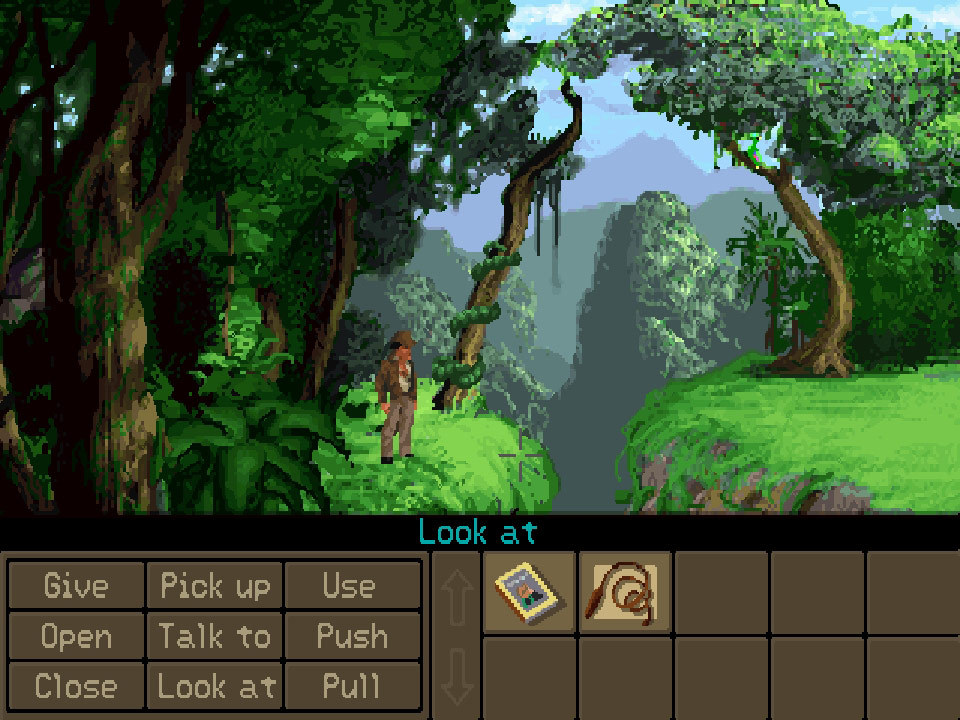

This isn’t adventure as adrenaline; it’s adventure as reverence. LucasArts didn’t build set-pieces—they built atmospheres: the hush before the Temple of Poseidon’s inner chamber, the low hum of Atlantean machinery waking after millennia, the dry crackle of Indy’s voice delivering exposition that lands like a scholar’s footnote and a spy’s warning. There’s no HUD, no health bar, no map marker—just your eyes, your memory, and the slow, satisfying click of a mental lock turning. You don’t win by reflex—you win by listening, by noticing how the same glyph appears on a Minoan fresco and a Nazi dossier, by realizing the “weapon more dangerous than the atom bomb” isn’t fire or force, but knowledge misapplied. It makes you feel like an apprentice to history—not its master. It makes you think about what gets buried not by disaster, but by choice: who decides which truths stay submerged?
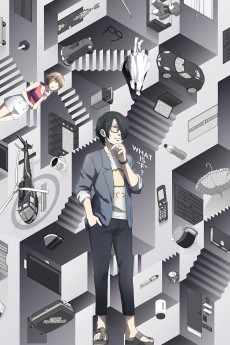
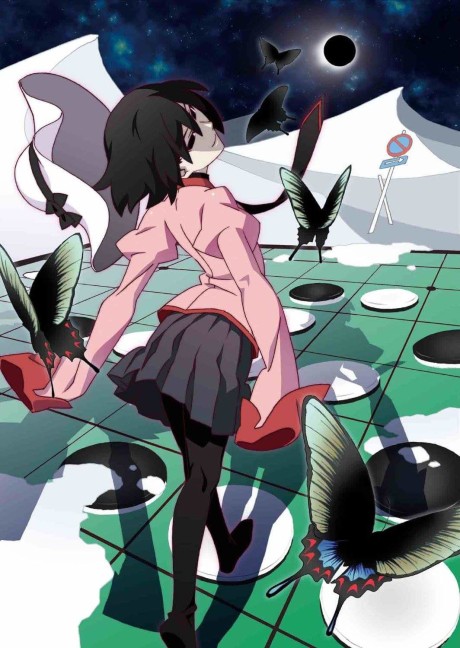
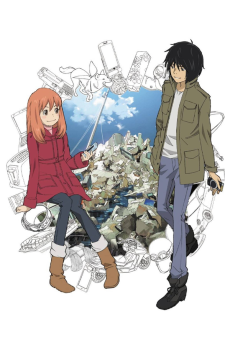
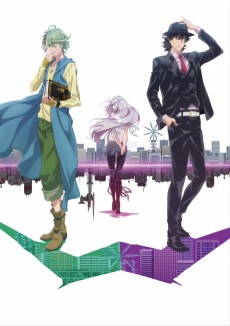
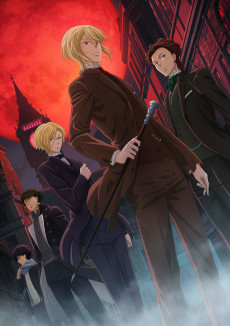
That precise alchemy—The World God Only Knows II shares it in its layered detective work disguised as romantic farce: Keima’s hyper-analytical mind parsing girls’ emotional tells like ancient inscriptions, each confession a fragmented tablet he must reassemble—not for conquest, but clarity. The comedy never undermines the stakes; it deepens them, just as Indy’s dry one-liners (“I’m not that kind of archaeologist”) sharpen the gravity of what’s at risk. Likewise, Hentai Prince & the Stony Cat, where language itself is archaeology—every stutter, every erased text message, every half-spoken vow is a shard of a buried self, painstakingly reconstructed across episodes. Its mystery isn’t whodunit, but who are you, really?, echoing Indy’s own excavation of truth beneath propaganda and pretense. And then there’s Ranma1/2 (2024)—yes, the remake—not as slapstick alone, but as a detective ballet: characters constantly misreading motives, disguises folding into identities, curses acting like cursed artifacts whose rules must be reverse-engineered through observation, repetition, and quiet deduction. The humor doesn’t cancel the tension—it suspends it, like Indy pausing mid-swing over a pit trap to adjust his hat.
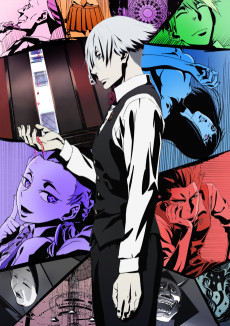
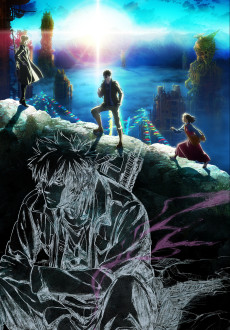
These aren’t matches of plot or power scaling. They’re kinships of texture: stories where mystery isn’t a backdrop, but a breathing ecosystem—and where comedy isn’t relief, but precision. Where the adult darkness of Owarimonogatari (its fractured timelines, its ghosts of past choices) and the existential weight of Death Parade (its silent, ritualistic unraveling of human contradiction) both resonate with the game’s unspoken thesis: that the most dangerous ruins aren’t stone, but memory—and the bravest act isn’t grabbing the idol, but choosing what to carry forward, and what to leave, respectfully, in the dark.
You’d love this pairing if you’ve ever reread a clue in Indiana Jones® and the Fate of Atlantis™ just to savor the rhythm of the writing—or paused a Monogatari episode to sketch the geometry of a hallway’s shadows. If you crave substance with sparkle, if you trust silence more than explosions, and if you believe the deepest treasures aren’t found in vaults—but in the careful, joyful, stubborn act of understanding.
→158 Anime That Match the Vibe

Layered mysteries that reward attention — every detail matters, and the truth is never simple.
Layered mysteries that reward attention — every detail matters, and the truth is never simple.

Layered mysteries that reward attention — every detail matters, and the truth is never simple.

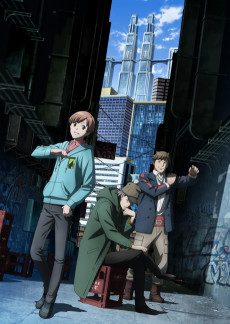
Indy’s frantic library chase—dodging Nazi goons while deciphering Atlantean glyphs—mirrors Keima’s Season 2 “loose soul” hunts, where comedic timing and razor-sharp deduction collide in absurd domestic spaces. Unlike most supernatural rom-coms, *The World God Only Knows II* leans into detective logic as ritual: Haqua’s deadpan skepticism parallels Indy’s weary pragmatism against escalating mythic stakes. This shared **Mystery & Detective** DNA—grounded in wit, not wonder—makes their resonance startlingly precise: intellect as both weapon and punchline.

Layered mysteries that reward attention — every detail matters, and the truth is never simple.
Layered mysteries that reward attention — every detail matters, and the truth is never simple.

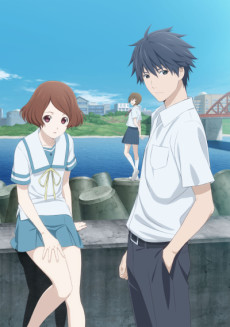
What if Atlantis wasn’t lost—but buried under layers of bureaucratic absurdity and teenage wish-fulfillment? *Fate of Atlantis*’s Nazi-chasing, puzzle-box archaeology mirrors *Hentai Prince*’s shrine-hopping, cat-statue wish logic—both pivot on **Mystery & Detective** tropes turned inside out by tonal whiplash. Where Indy deciphers Atlantean glyphs with scholarly grit, Youto misreads social cues like ancient curses; their quests collapse grand stakes into intimate, hilarious stumbles. That shared commitment to parodying genre gravity—while taking emotional stakes seriously—is unexpectedly brilliant.

Layered mysteries that reward attention — every detail matters, and the truth is never simple.
Layered mysteries that reward attention — every detail matters, and the truth is never simple.

Layered mysteries that reward attention — every detail matters, and the truth is never simple.





























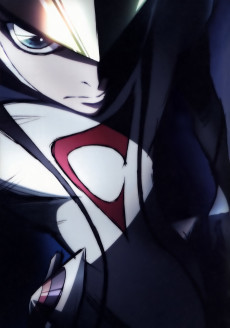




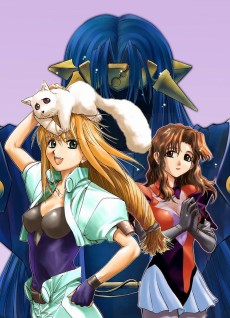



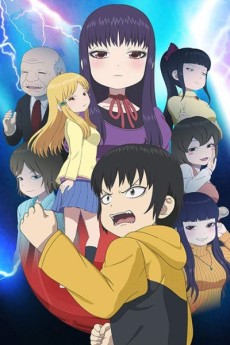







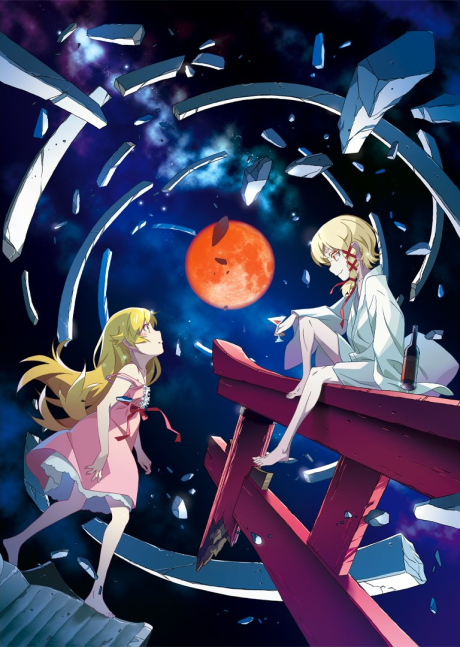








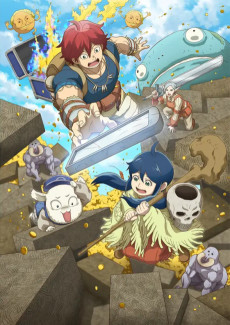






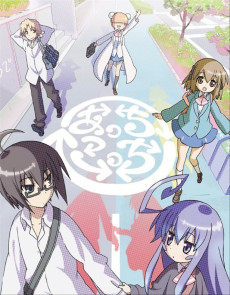
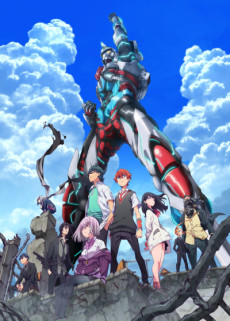




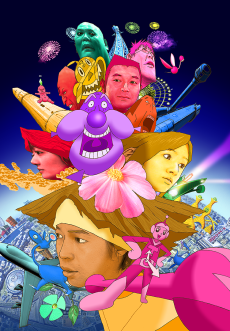



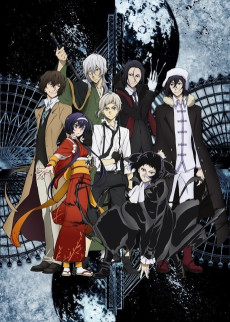


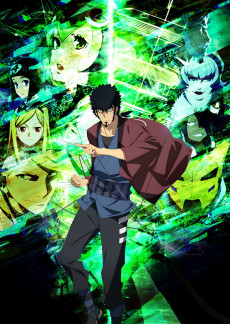






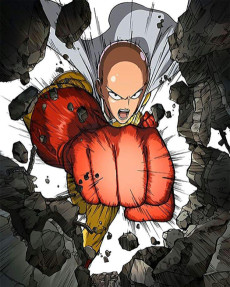







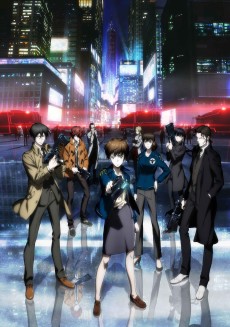

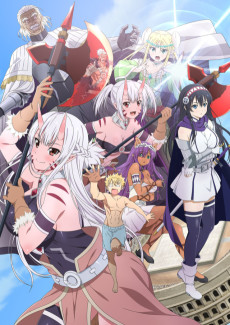

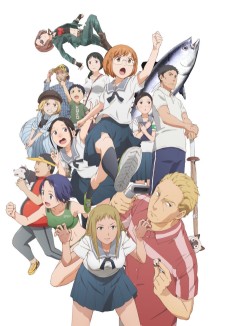


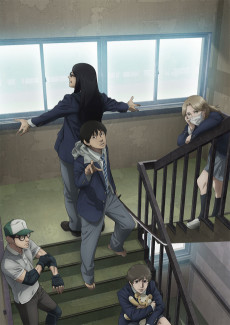








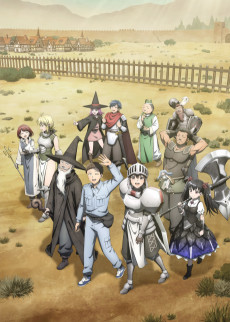



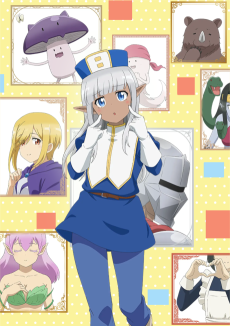


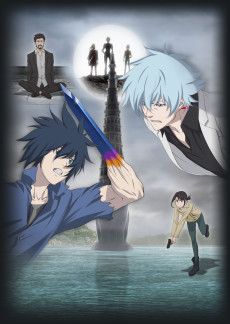

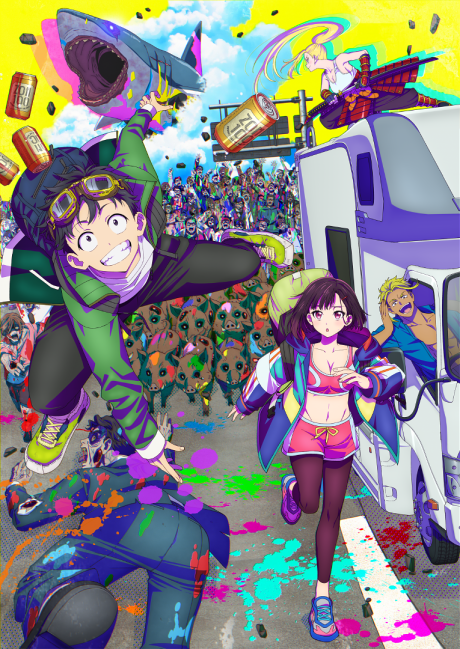



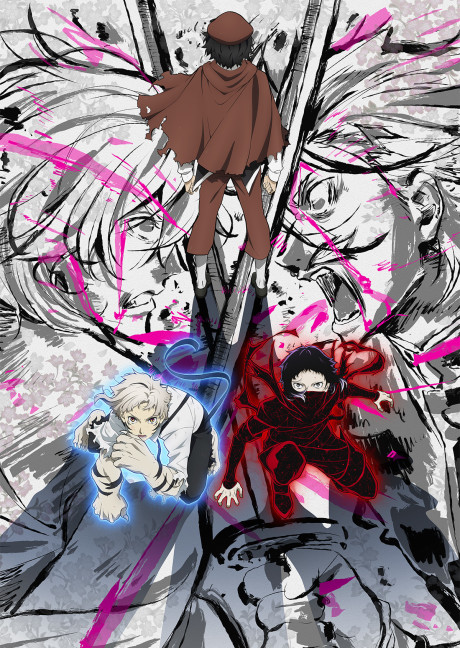
Match Dimensions Explained
❓Frequently Asked Questions
Why is The World God Only Knows II considered similar to Indiana Jones and the Fate of Atlantis?
Because both hinge on clever puzzle-solving rooted in real-world mythology and historical artifacts—like when Keima Katsuragi deciphers ancient shrine seals using logic and cultural context, mirroring Indy’s decoding of Atlantean glyphs in the Temple of Poseidon. The game’s ‘archaeological wonder trapped in amber’ vibe shines through Keima’s methodical, almost academic approach to uncovering hidden truths—just without the whip cracks.
Is there an anime adaptation of Indiana Jones and the Fate of Atlantis?
No—there’s never been an official anime adaptation of Fate of Atlantis. But if you love its blend of globe-trotting mystery, witty banter, and myth-driven stakes, Hentai Prince & the Stony Cat nails that energy: Yuuji’s investigation into the ‘Stony Cat’ urban legend has the same grounded-yet-uncanny tension as Indy racing Nazi agents through Crete, complete with layered clues and a ticking clock.
How does Ranma 1/2 (2024) compare to Owarimonogatari for Fate of Atlantis fans?
Ranma 1/2 (2024) leans into the playful, fast-paced adventure side—think Indy’s bar fights and cliffhangers—especially in episodes where Ranma and Shampoo chase cursed artifacts across Kyoto, full of slapstick, misdirection, and sudden reveals. Owarimonogatari, meanwhile, matches the darker, more cerebral weight of Atlantis’ final act: Koyomi’s psychological unraveling in the lighthouse scene echoes Indy’s confrontation with the truth behind Atlantis—not just a lost city, but a moral abyss.
What’s the best anime like Fate of Atlantis if I want that ‘genuine classic’ replayable mystery vibe?
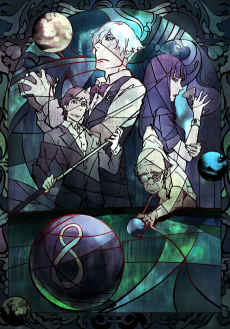
Death Parade is your pick—it’s got that same ‘genuine classic’ density and replay value: each episode layers new clues about the afterlife’s rules, much like how Fate of Atlantis rewards re-playing to catch subtle dialogue hints or alternate puzzle paths. And just as Indy’s choices in the Temple of Poseidon shift outcomes, Decim’s decisions in the bowling alley or billiards room reveal deeper truths about human nature—no filler, all substance.