
Grand Blue Dreaming Season 2
The second season of Grand Blue.
University is back in session for Iori, and so are the booze-fueled parties! Between diving club shenanigans, a surprise from his sister, and wild tests of courage, normal college life is anything but. Dive back into the madness with Iori and his beloved crew of lively splash artists.
(Source: Crunchyroll)
📺Anime Details
📝Editorial Analysis
The smell of saltwater and cheap beer hits before the credits roll—sweat-damp towels flung over diving tank valves, Iori’s voice cracking mid-scream as he’s shoved headfirst into a foam pit disguised as a “scuba buoyancy test,” his sister’s laugh cutting through the chaos like a knife through warm butter. That’s Grand Blue Dreaming Season 2: not a show about diving, but about the delirious physics of human collapse—bodies misfiring, plans detonating on contact, dignity dissolving in real time.

What makes it unique isn’t its college setting or scuba gear—it’s the unrelenting warmth of shared absurdity. This isn’t satire that sneers; it’s comedy that embraces, with open arms and a half-empty sake cup. You don’t watch to judge the characters—you watch because their hangovers feel like your own, their impromptu dares echo your dumbest group texts, and their coastal campus hums with the same low-grade euphoria of being just barely in control. It’s seinen not because it’s cynical, but because it treats adulthood as a collective improv act—no script, no safety net, just friends holding each other upright between dives and disasters.
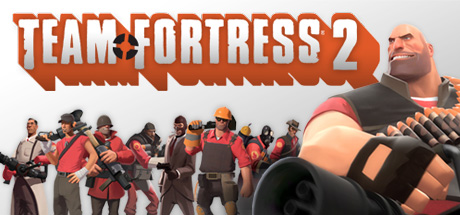
That emotional DNA pulses strongest in Team Fortress Classic. Its description calls it “a unique style of online team” combat—but what really binds it to Grand Blue Dreaming Season 2 is how deeply both rely on role-based chaos. The Medic’s frantic healing, the Spy’s theatrical betrayal, the Demolition Man’s glorious, self-immolating explosions—they’re all archetypes who lean into their flaws, turning weakness into rhythm. A player review nails it: “simply the best nostalgic game, i have dreams about this game.” That’s the same feeling Grand Blue evokes—not nostalgia for youth, but for the sensory overload of belonging: the shout of a teammate, the groan of a failed plan, the sudden, stupid joy when everything goes sideways together.
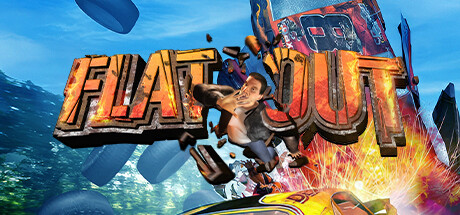
Then there’s FlatOut 2, where the description promises cars “throw[ing] themselves around on and off the track causing fences to shatter, tyre walls explode, water tanks and barrels fly across the track into other cars.” That’s Grand Blue’s visual grammar—every dive club initiation, every drunken beach sprint, every ill-advised bet involving inflatable dolphins—all governed by the same glorious, unapologetic physics. A player review praises its “excellent” physics and “unique” gameplay, and that’s the bridge: both the anime and the game treat cause-and-effect like a prank you can’t stop laughing at—even when your spine’s vibrating from impact. There’s no moral weight in the wreckage; only recognition: Yes. That’s exactly how momentum works when you’re drunk and determined.
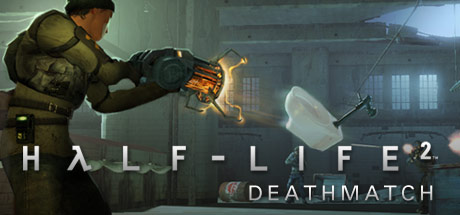
And then—unexpectedly—Half-Life 2: Deathmatch, whose description drops the casual, devastating line: “Toss a toilet at your friend.” Not a grenade. Not a crowbar. A toilet. That’s the tone match: surreal, bodily, deeply unserious violence rooted in camaraderie. Its “Adult & Dark Seinen” dimension isn’t about trauma—it’s about shared irreverence, the kind that lets you laugh while getting body-slammed into a coral reef. A player review compares it favorably to newer versions because “the gameplay here seems…”—unfinished, but the implication lands: it feels more alive, more responsive to human impulse. Like Iori trying (and failing) to hold his breath underwater while his friends chant nonsense syllables into his regulator.
This pairing isn’t for fans of “funny anime” or “chaotic games.” It’s for people who remember the exact texture of a sun-bleached towel after three hours of poolside shouting—who’ve woken up with sand in places sand shouldn’t be and felt proud, not embarrassed—who know the sacred ritual of rehydrating after the party, not during it. It’s for those who find deep comfort in controlled demolition—whether it’s a car flipping end-over-end or a university diving club staging an underwater karaoke battle using snorkel mics and sheer willpower. These aren’t escapes. They’re affirmations: that joy lives loudest in the wreckage, that friendship is measured in shared bruises and unrepeatable inside jokes, and that sometimes, the most profound thing you can do with your adult life is dive headfirst into the ridiculous—and trust your crew to catch you, or at least film it.
🎮72 Games That Match the Vibe



Match Dimensions Explained
❓Frequently Asked Questions
Why does Team Fortress Classic feel so much like Grand Blue Dreaming Season 2’s chaotic beach volleyball episode?
Because both thrive on over-the-top physical comedy, absurd team-based chaos, and characters with wildly distinct, clashing personalities—like TF Classic’s Spy sneaking around while the Heavy smashes everything, mirroring Iori’s deadpan panic vs. Makoto’s unhinged energy during that volleyball meltdown. The Competitive Spirit + Comedy & Parody dimension is strong in both, and players even call TF Classic 'nostalgic chaos'—just like Grand Blue’s vibe.
Is there a Grand Blue Dreaming Season 2 anime-to-game adaptation?
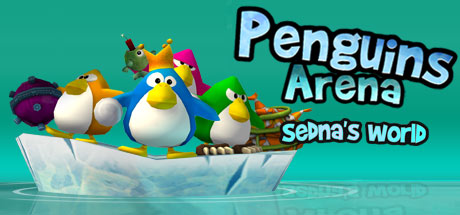
No—there’s no official game adaptation of Grand Blue Dreaming Season 2. But games like Penguins Arena: Sedna's World capture its same frenetic, self-aware energy: penguins respawn as ghosts mid-match (hello, absurd reincarnation gags), rounds are short and hilarious, and the whole thing feels like a live-action sketch where everyone’s yelling over each other—exactly how Grand Blue’s bar scenes or diving club disasters play out.
FlatOut 2 vs. FlatOut: Ultimate Carnage Collector's Edition—which one’s better for Grand Blue’s brand of drunken, physics-driven mayhem?
Go with FlatOut 2—it’s the purer fit. Its ragdoll flinging, barrel explosions, and 'weak PC friendly' accessibility mirror Grand Blue’s low-stakes, high-silliness tone (think Chisa launching herself off a dock into a dumpster). Ultimate Carnage tries harder with carnage modes but loses some of that joyful spontaneity—players even note it feels less polished, unlike FlatOut 2’s 'excellent physics' and 'unique gameplay' praised by longtime fans.
What’s the best game like Grand Blue Dreaming Season 2 if I just want to laugh while smashing stuff with friends?
Half-Life 2: Deathmatch is your move—especially for that 'toilet-tossing-in-a-bar-fight' energy. HL2DM’s physics let you hurl toilets, barrels, and even sawblades at your friends in fast, chaotic rounds, all wrapped in that dry, dark-seinen humor (Combine vs. Resistance teamplay feels like Grand Blue’s rival-dive-club banter). Reviewers love how it balances absurdity and tight multiplayer action—no pretense, just pure, shared laughter.