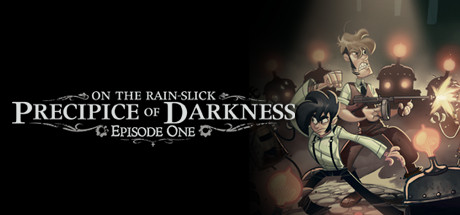
Precipice of Darkness, Episode One
On the Rain-Slick Precipice of Darkness, Episode One is the first installment in the RPG-Adventure game series based on the web comic Penny Arcade. Create your character in the classic comic style, and join Gabe and Tycho in the alternate 1920s universe of New Arcadia, where you'll combat savage enemies, solve mysteries, meet bizarre new...
🎮Game Details
💬What Players Say
"Fun as hell, especially if you enjoy the Penny Arcade style of humor though you don't need to know much about the comics since this is an AU, while it is a parody game it does have its serious moments and replaying it after finishing all episodes the foreshadowing in each episode is insane. 9/10, docked one point because they should have made Tycho and Gabe kiss."
"Rife with the Penny Arcade *vibe* Just a fun time"
"tycho can you not call yourself daddy"
📝Editorial Analysis
The rain never stops—not really. It’s always there, a slick, greasy sheen on the cobblestones of New Arcadia, glinting under flickering gas-lamp light as your custom comic-strip avatar stumbles into a speakeasy where Gabe’s already arguing with a sentient teapot and Tycho mutters, “tycho can you not call yourself daddy…” — not as a line of dialogue scripted in the game, but as a player’s real, breathless, half-exasperated, half-delighted outburst captured mid-session. That’s the feeling: the world is absurd, self-aware, and wet—not with pathos, but with the gleeful, slightly unhinged humidity of a joke told at 3 a.m. by people who’ve read too many pulp novels and too few instruction manuals.
What makes Precipice of Darkness, Episode One vibrate isn’t its turn-based combat or its 1920s alt-history setting—it’s the texture of its irony. It’s parody that doesn’t sneer; it leans in, grinning, tie askew, holding up a cracked mirror to RPG tropes while simultaneously polishing the lens with a handkerchief monogrammed “PA.” You feel playful, yes—but also recognized: recognized as someone who gets the wink behind the slapstick, who knows that calling a boss “The Unblinking Custodian of Tax Compliance” lands harder when you’ve just spent ten minutes debating whether a vending machine counts as a sentient ally. There’s no emotional whiplash between comedy and seriousness—just a low, warm hum of shared understanding, like overhearing your smartest friends riff on mythology, noir, and D&D rulebooks all at once. It’s comfortably irreverent. Not cynical. Not detached. Affectionate.
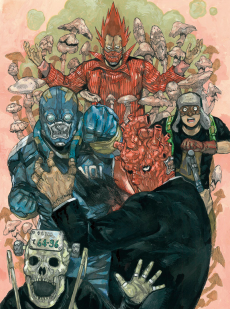
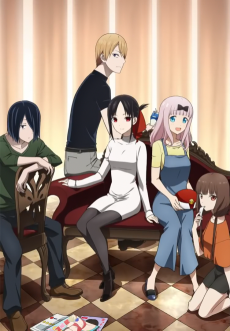
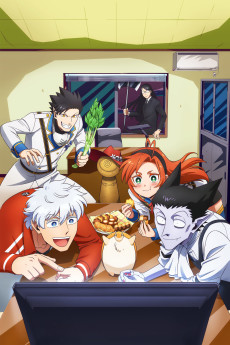
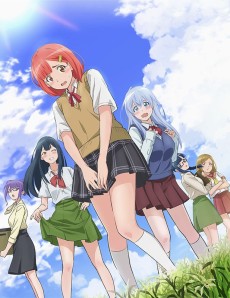
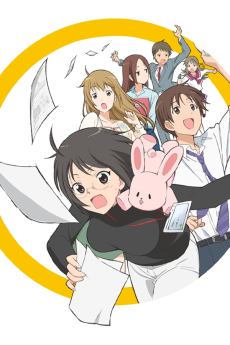
That exact frequency pulses through Kaguya-sama: Love is War -The First Kiss That Never Ends-, where every flirtatious gambit is a meticulously choreographed farce wrapped around genuine, almost painful tenderness—and where the narrative structure itself mimics an RPG’s cutscene logic: stats (charm, intelligence), “turns” (who confesses first?), and escalating stakes disguised as trivialities. Like Precipice, it treats genre scaffolding not as constraint but as collaborative playground—and both weaponize self-reference without losing heart. Then there’s Teasing Master Takagi-san, whose entire existence lives in the micro-second between a smirk and a blush: no grand villains, no apocalypses—just relentless, joyful parody of romantic tension as JRPG resource management. The rhythm matches perfectly—the way Tycho sighs about bureaucracy mirrors Takagi’s sigh as she watches Nishikata fumble his own confession, each beat landing because the characters know they’re performing, yet mean every syllable. And SHIROBAKO, with its backstage chaos of animators wrestling deadlines, budgets, and their own neuroses, shares the same DNA: it’s a love letter to craft made of inside jokes, where the parody isn’t aimed outward, but inward—at the very act of making something earnest in a system built for absurdity. All three anchor their humor in process, not punchlines—just like Precipice, where choosing your character’s class (“Sarcastic Archivist” feels plausible) isn’t about optimization, but about joining a long-running, deeply felt conversation.
You’d love these pairings if you’ve ever laughed so hard at a fourth-wall break that your ribs ached and immediately paused to Google the historical reference it mocked. If you keep a running mental list of which anime episode has the best fake commercial break, or if you’ve rewatched the same 47-second gag from Nichijou twelve times—not to dissect it, but to revel in its perfect, dumb, glittering nonsense. This isn’t for people who want escapism from reality—it’s for those who want escapism into the shared, slightly ridiculous, fiercely intelligent joy of building worlds with others, one sarcastic footnote, one teasing glance, one rain-slicked, lamp-lit alley at a time.
→85 Anime That Match the Vibe

Kaguya’s flustered internal monologue during the “first kiss that never ends”—stretched across silent, looping frames—mirrors the game’s fourth-wall-breaking RPG menus where your avatar stares blankly at absurd dialogue choices. Unlike most rom-coms, this OVA leans into *JRPG Narrative* structure: romantic tension as turn-based combat, confession attempts as skill checks with critical fails. The shared *Comedy & Parody* isn’t just tone—it’s structural: both weaponize genre exhaustion to make longing feel exhilaratingly, hilariously unwinnable.

Aoi’s exhausted grin after surviving the *Shirobako* studio’s “Sakura Quest” pitch meeting mirrors the player’s own dazed laughter when their Penny Arcade–style avatar survives yet another absurdly lethal trap in *Precipice of Darkness*. Where *Shirobako*’s slice-of-life drudgery meets JRPG Narrative—like Misa’s script rewrites echoing quest-log revisions—*Precipice* weaponizes that same self-aware structure, turning production hell into comedic combat. This isn’t just parody; it’s mutual recognition of creative labor as both crushing and euphorically ridiculous.

Connected through 2 aesthetic dimensions.
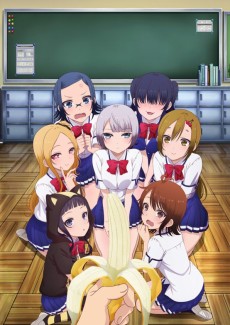
Connected through 2 aesthetic dimensions.
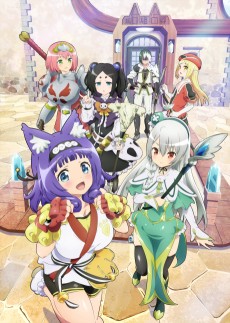
Connected through 2 aesthetic dimensions.
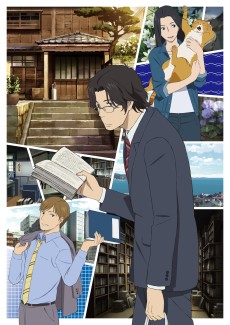
Connected through 2 aesthetic dimensions.
Connected through 2 aesthetic dimensions.
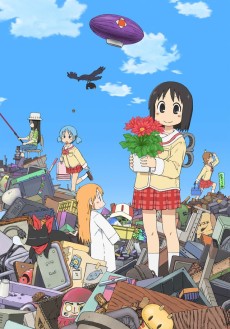
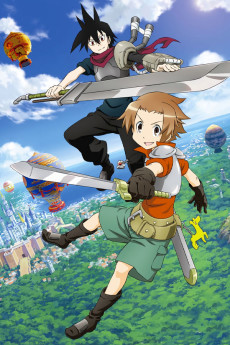
A deer wrestling a principal mid-corridor—*Nichijou*’s OVA opener—mirrors *Precipice*’s opening gag where your comic-book avatar trips over sentient rain. 😂 Comedy & Parody thrives in both through deadpan absurdity violating genre logic: one weaponizes slice-of-life tropes, the other hijacks JRPG narrative with fourth-wall-breaking inventory jokes. That shared commitment to escalating nonsense—not as chaos, but as precise, affectionate satire—makes their collision unexpectedly harmonious.

Connected through 2 aesthetic dimensions.
Connected through 2 aesthetic dimensions.

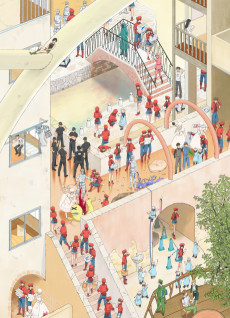
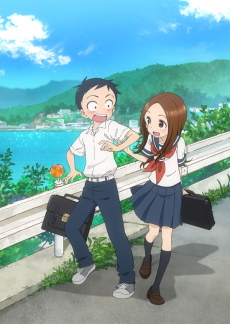
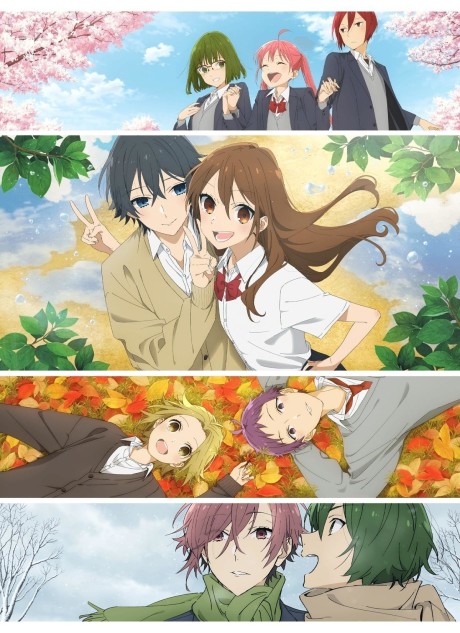



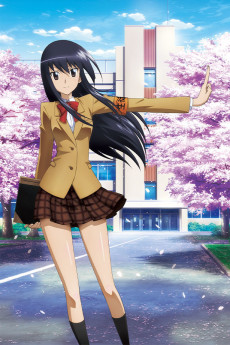
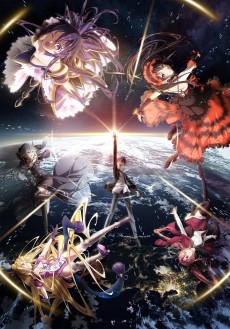
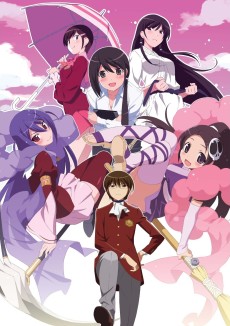

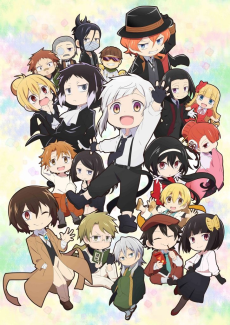




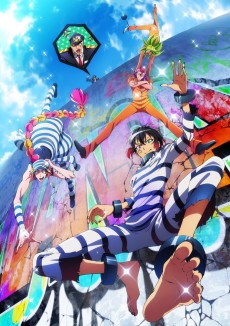

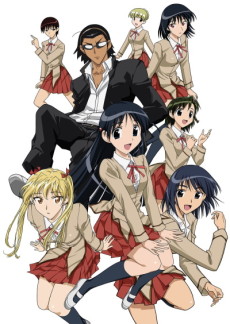
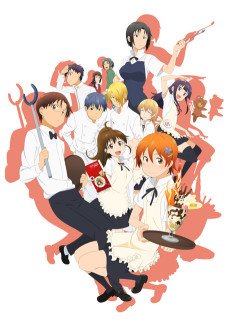





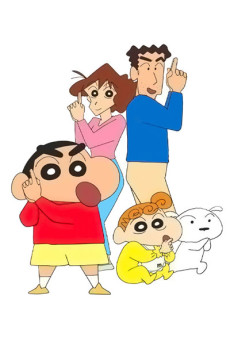


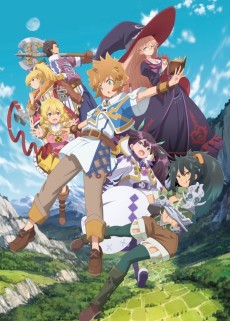





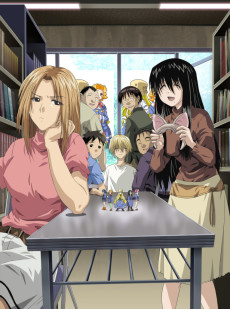
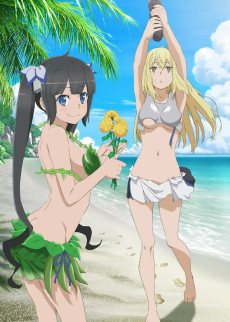
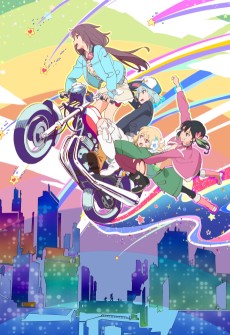
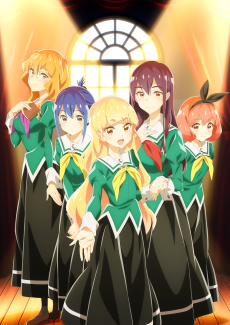


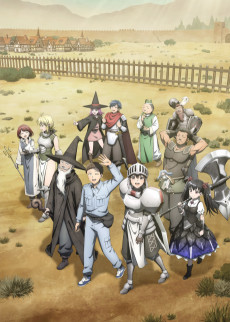
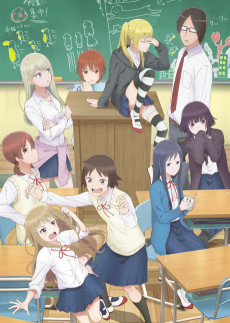
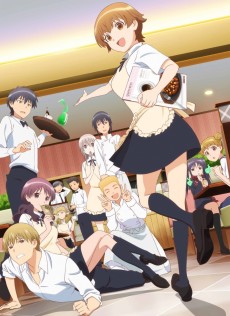





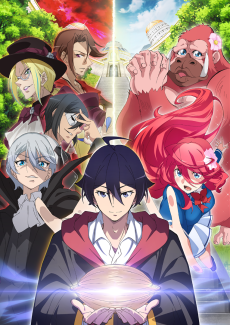
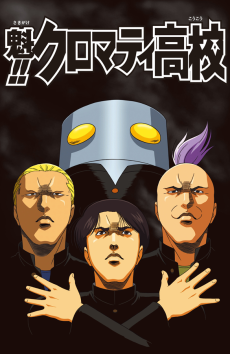
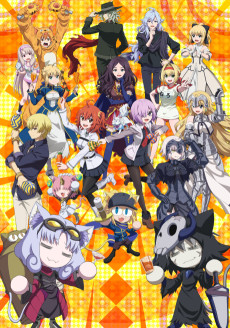
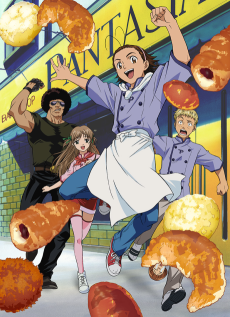

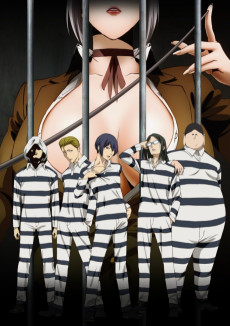
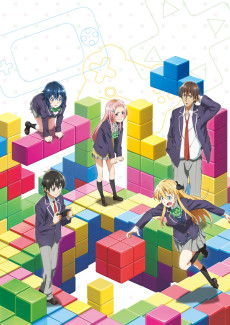


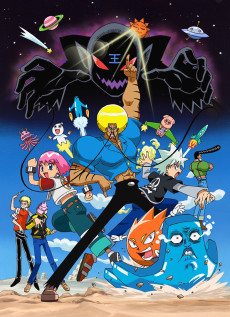


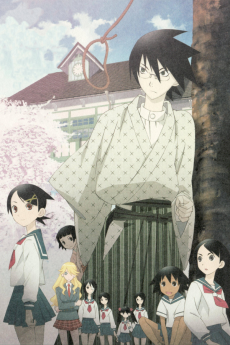
Match Dimensions Explained
❓Frequently Asked Questions
Why is Kaguya-sama: Love is War listed as similar to Precipice of Darkness, Episode One?
Because both lean hard into rapid-fire, character-driven parody with meta-humor and self-aware JRPG narrative beats—like Kaguya’s ‘battle of wits’ cutscenes mirroring Gabe and Tycho’s snarky, fourth-wall-bending banter during New Arcadia’s surreal combat encounters. You’ll even spot the same tonal whiplash: a slapstick gag about Tycho calling himself ‘daddy’ right before a genuinely tense rain-soaked showdown with the Slaughterhouse Gang.
Is there an anime adaptation of On the Rain-Slick Precipice of Darkness?
Nope—no official anime adaptation exists. But if you’re craving that exact vibe (1920s alt-history + absurd comedy + JRPG structure), Nichijou - My Ordinary Life: Episode 0 nails it: think Mio’s deadpan panic over a sentient teacup matching Tycho’s existential dread mid-battle, or the way both use exaggerated chibi cuts and sudden genre shifts to undercut tension—just like Precipice does when Gabe monologues about jazz while fighting clockwork rats.
How does Teasing Master Takagi-san compare to Precipice of Darkness, Episode One?
They’re surprisingly aligned in pacing and tone—not in plot, but in how they weaponize repetition and escalation for comedy: Takagi’s daily teasing mirrors Gabe’s escalating attempts to out-snark Tycho, and both use tight, dialogue-first scenes (like Takagi whispering ‘I saw you looking at me…’ vs. Tycho sighing ‘Gabe, your character sheet says ‘Charisma: 2’—why are you negotiating with a sentient umbrella?’) to drive their JRPG-style narrative rhythm.
What’s the best anime like Precipice of Darkness for when I want smart, sarcastic humor with sudden emotional weight?
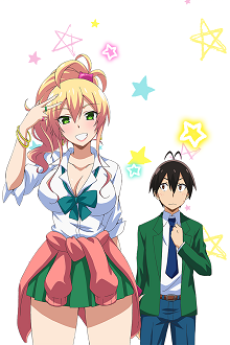
Go straight to Horimiya: The Missing Pieces—it’s got that same delicate balance: Hori’s quiet vulnerability after a school festival meltdown hits like Tycho’s rare, unguarded moment staring at the fogged-up window of the New Arcadia Diner, right after a joke about ‘plot armor being thinner than Gabe’s patience.’ Both use grounded, character-focused writing to pivot from laugh-out-loud parody (Horimiya’s ‘secret life’ gags / Precipice’s comic-book UI jokes) to real emotional resonance without breaking stride.