
ZOMBIE LAND SAGA
A typical morning. The usual music. Their normal lives. The peace these seven girls experience will suddenly be destroyed. By the living dead... zombies. A reality that they never wanted a part of, an amazing and terrifying zombie world. They all share one wish: "We want to live." These girls will struggle through this saga, in order to achieve a miracle. MAPPA, Avex Pictures, and Cygames team up to bring you a juicy, 100% original anime. A timeless shocker for all audiences, a brand new style of zombie anime, will soon rise.
(Source: Crunchyroll)
📺Anime Details
📝Editorial Analysis
The opening shot isn’t a zombie lurch or a scream—it’s Sakura Minamoto lying flat on her back in the rain, eyes wide open, blinking slowly as a car alarm wails in the distance. Her school uniform is soaked, her hair plastered to her forehead, and she’s laughing. Not hysterically, not bitterly—but with a raw, unguarded, almost absurd lightness, like she just remembered how to exhale after holding her breath for years. That laugh—sudden, fragile, defiant—is the first real pulse of ZOMBIE LAND SAGA, before the necromancer appears, before the idol training begins, before the word “zombie” even lands. It’s not horror. It’s relief.
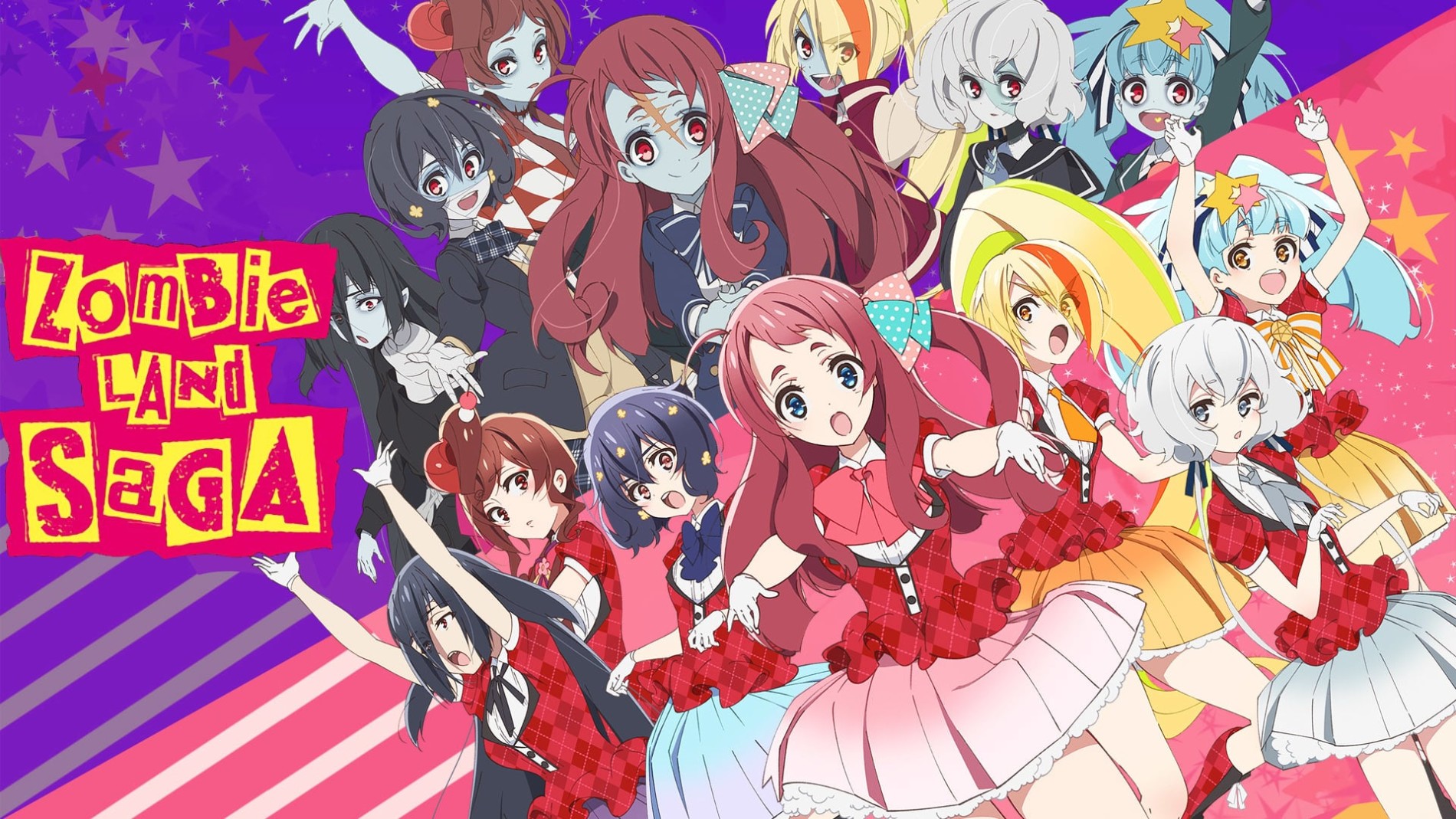
What makes ZOMBIE LAND SAGA’s atmosphere so singular isn’t its undead premise or its idol scaffolding—it’s the way it treats rebirth as rehearsal. Every stumble, every off-key note, every botched choreography moment carries the quiet weight of girls who’ve already died once—and now get to try again, not as ghosts haunting memory, but as performers rehearsing presence. The surreal comedy isn’t just absurdity for shock; it’s the friction between what they were told they should be (quiet, obedient, invisible) and what they’re allowed to become (loud, flawed, gloriously, inconveniently alive). It’s satire that doesn’t sneer—it leans in, tender and sharp, asking what happens when the thing you’re resurrected to do—sing, dance, sell merch—is also the thing no one ever let you want in the first place. You don’t feel dread here. You feel recognition. And then, slowly, hope.
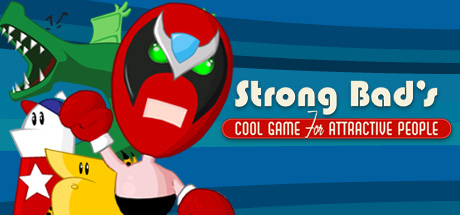
That same emotional alchemy hums in Strong Bad's Cool Game for Attractive People: Season 1. Its description promises “Strong Bad's wacky comedic adventures over 5 full episodes!”—and the player review nails the resonance: “With the recent remake of Poker Night, I hope Skunkape considers bringing this game back next…” That longing isn’t just nostalgia—it’s for a kind of humor that weaponizes self-awareness without cruelty, where parody honors the form it mimics by exaggerating its heart, not its flaws. Like ZOMBIE LAND SAGA, Strong Bad knows the power of a perfectly timed wink—not at the audience, but with them—over something deeply silly that somehow matters. Both treat performance as sacred ritual and ridiculous farce, sometimes in the same breath.
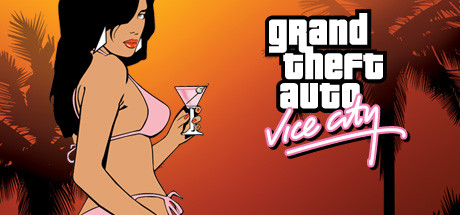
Then there’s Grand Theft Auto: Vice City, described as welcoming players to “the 1980s… a story of one man's rise to the top of the criminal pile.” But the player review cuts deeper: “The best GTA game. Great music, very fun, and hilarious to play…” That “hilarious” isn’t just slapstick—it’s the tonal whiplash of pastel suits and bloodshed, of synth-pop scoring a drive-by, of ambition dressed in irony but feeling terrifyingly real. Just like ZOMBIE LAND SAGA, Vice City builds its world on aesthetic conviction: every neon-lit corner, every cassette tape, every exaggerated hairdo is a deliberate act of world-building-as-wish-fulfillment. Both are about characters assembling identity from fragments—Sakura stitching together confidence from karaoke fails, Tommy Vercetti building empire from stolen suits—and doing it all with a soundtrack that refuses to let the mood stay still.
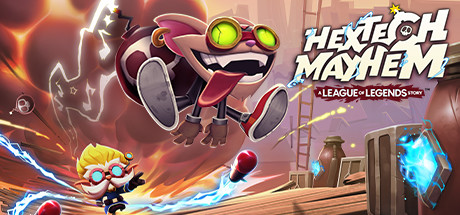
Even the lower-scoring Precipice of Darkness, Episode One and Episode Two, both tagged with Comedy & Parody, JRPG Narrative, echo this DNA. Their descriptions cite the Penny Arcade webcomic roots and “classic comic style” character creation; the player reviews highlight the humor—“Fun as hell, especially if you enjoy the Penny Arcade style of humor…” and “Same as my review on episode one though the special attack minigame seems to have some input delay…”—but crucially, neither review mentions confusion or alienation. Instead, there’s affectionate familiarity, even in critique. That’s the shared rhythm: a willingness to play inside the joke, to treat genre scaffolding—idol tropes, crime epics, JRPG turn-based combat—not as rigid rules, but as instruments to be bent, sampled, and sung off-key until they reveal something true underneath. Like ZOMBIE LAND SAGA, these games trust their audience to hold contradiction: sincerity and satire, craft and chaos, grief and glitter.
This pairing is for the person who cries during a chorus and snorts-laugh at the same time—who watches Sakura fumble a high note, then watches her nail it three episodes later, and feels both the ache of effort and the giddy rush of arrival. It’s for the player who rewinds Vice City just to hear “Billie Jean” blast from a convertible while chasing a helicopter, or who types “TROGDOR” into Strong Bad’s email box just to see what happens, because joy lives in the margin between intention and absurdity. They don’t want escapism—they want resonance, layered thick, messy, and alive.
🎮11 Games That Match the Vibe


Match Dimensions Explained
❓Frequently Asked Questions
Why does Grand Theft Auto: Vice City keep showing up in 'games like Zombie Land Saga' lists?
Because both lean hard into over-the-top 80s idol culture and satirical showbiz chaos—Vice City’s neon-drenched music scene, Tommy Vercetti’s delusional self-mythologizing, and those hilarious in-universe radio shows (like Emotion 98.3) mirror Sakura Minamoto’s cringe-y debut single and the girls’ absurdly staged variety show segments. It’s not about zombies or idols literally—it’s about the same delicious tone: glittery, self-aware, and unapologetically theatrical.
Is there a ZOMBIE LAND SAGA anime-to-game adaptation?
No official ZOMBIE LAND SAGA game exists—but Strong Bad's Cool Game for Attractive People nails that same energy: five episodic, music-and-comedy-driven adventures where characters break the fourth wall like Franchouchou does during their disastrous live shows. Fans even joke in reviews about hoping Skunkape revives it, just like how ZLS fans wish for a proper rhythm/idol sim with Lily, Yugiri, and Saki’s chaotic group dynamics.
How do Precipice of Darkness Episodes One and Two compare to each other for someone who loves ZOMBIE LAND SAGA’s humor?
Both lean into absurdist, meta comedy and JRPG storytelling—just like ZLS’s blend of deadpan zombie logic and idol parody—but Episode Two adds a special attack minigame (with noted input delay, per player reviews) that feels like trying to coordinate Franchouchou’s choreography mid-zombie panic. If you loved Saki’s awkward solo rehearsals or Junko’s deadpan delivery, the Penny Arcade-style banter hits that same sweet spot of clever + ridiculous.
What’s the best game like ZOMBIE LAND SAGA if I want something funny, musical, and full of overconfident weirdos?
Strong Bad's Cool Game for Attractive People is your jam—it’s got five full episodes of musical gags, shameless self-promotion (hello, Strong Bad’s ‘Trogdor’ merch empire), and characters who treat nonsense like high art, just like Franchouchou treating undead idol training like Olympic sport. The 83 Metacritic score and fan nostalgia for its return prove it’s the closest vibe match: all style, zero chill, maximum earworm potential.