Grand Theft Auto: Vice City
Welcome to Vice City. Welcome to the 1980s. From the decade of big hair, excess and pastel suits comes a story of one man's rise to the top of the criminal pile.
🎮Game Details
💬What Players Say
"The best GTA game. Great music, very fun, and hilarious to play."
"I was either 5 or 6 years old when I first played Vice City on PS2, and no game has ever hit me the same way since. Everything about this game is pure nostalgia. The neon lights, the sunsets, the palm trees, the rain at night while cruising through Ocean Drive… it felt like stepping into another world...."
"A lot better than GTA 3. This is seen as a classic game and one of the best GTA games and I can see why. I came across it initially when it came out but only now have I played it properly...."
📝Editorial Analysis
The sun dips behind the palm-fringed skyline, bleeding tangerine and violet across the water—that sunset. Not just any sunset, but the one you see from the roof of the Malibu Club after a drive down Ocean Drive, radio crackling with synth bass and sax, your convertible still warm from the asphalt, the city breathing neon and salt. That’s Vice City—not as a map, but as a feeling: humid, glittering, dangerously alive. It’s in the player review that stops mid-sentence—“the neon lights, the sunsets, the pal…”—as if the memory itself short-circuits language. It’s the 1980s not as history, but as texture: pastel suits clinging to sweat, cassette tapes warping in the trunk heat, ambition smelling like saltwater and burnt rubber.
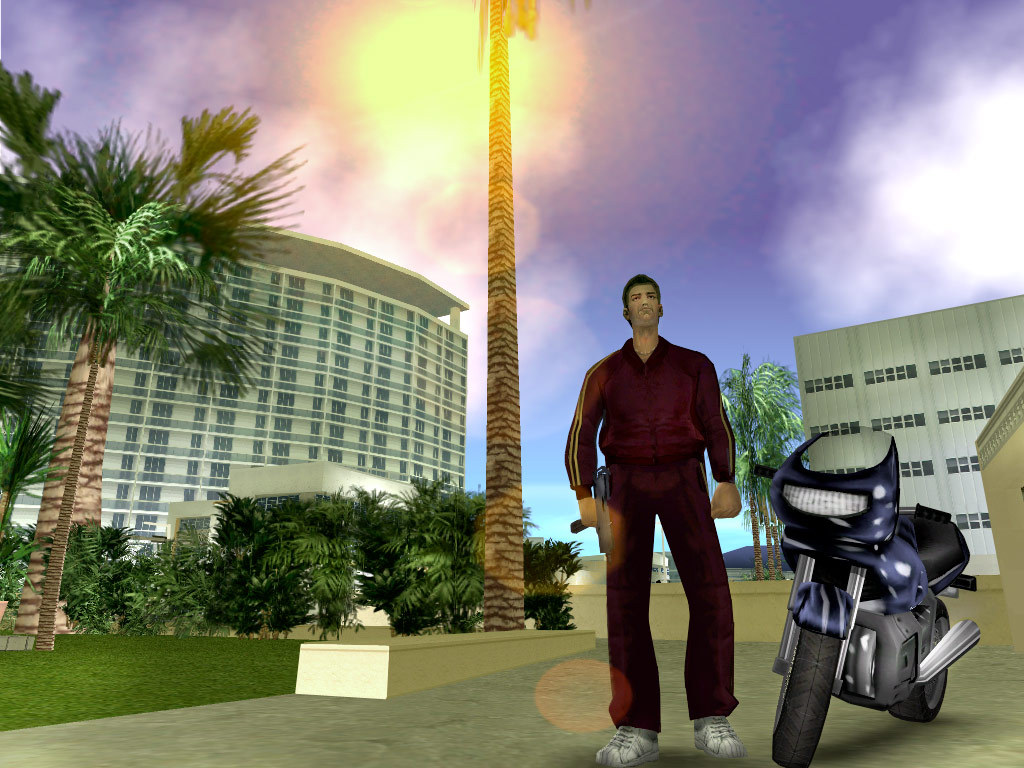
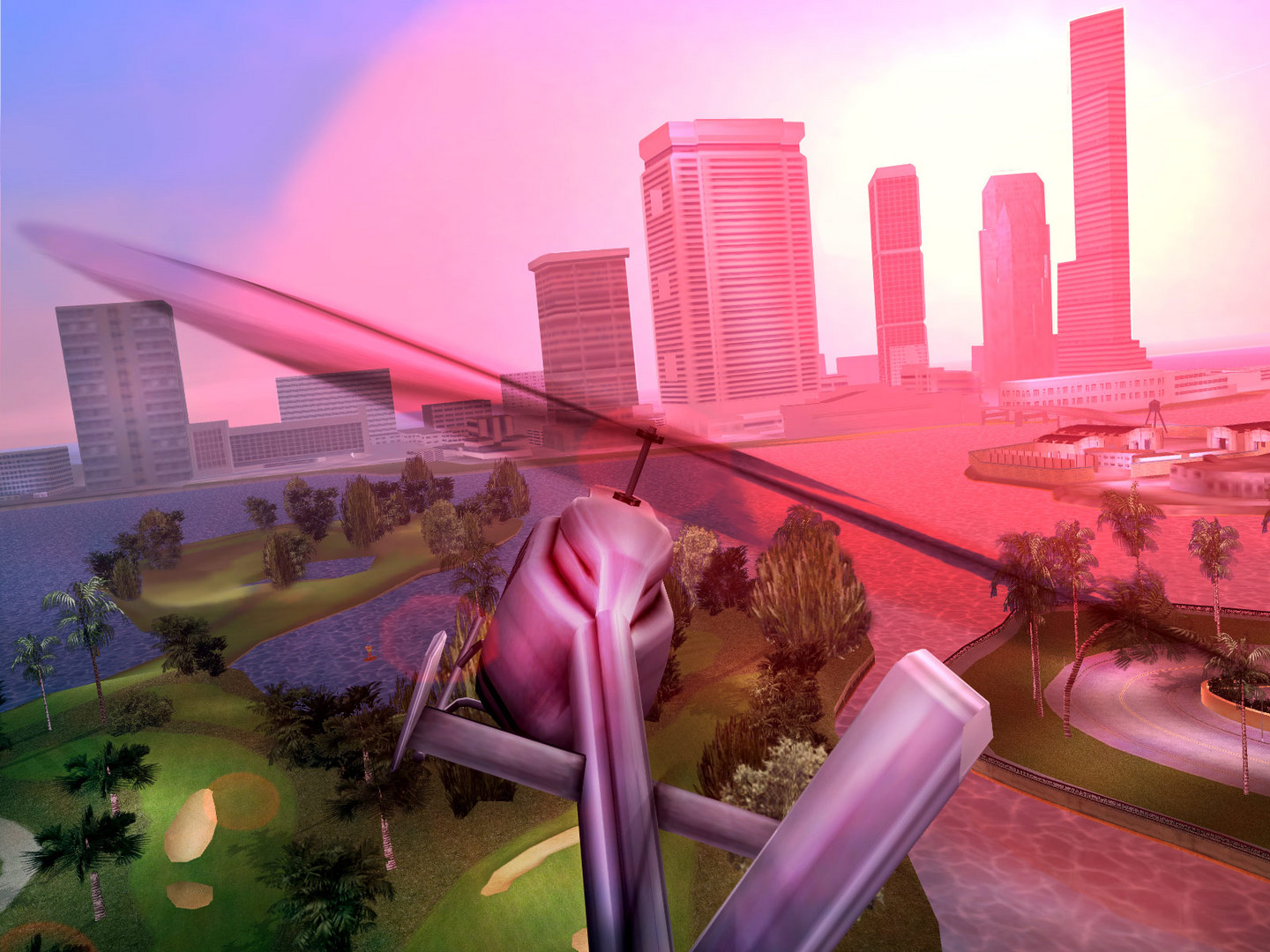

What makes Grand Theft Auto: Vice City vibrate isn’t its crime mechanics or open world—it’s how it weaponizes longing. It wraps aspiration in irony, lets you build an empire while knowing every penthouse view is borrowed time. You’re not just Tommy Vercetti—you’re the idea of reinvention, slick and unmoored, moving through a world where glamour and grotesquerie share the same mirrored elevator. The music doesn’t soundtrack the action—it is the action: urgent, seductive, slightly unhinged. And the nostalgia isn’t sentimental—it’s visceral, physical—the PS2 controller’s weight, the faint hum of the disc spinning, the way light bled from the CRT screen onto your childhood bedroom wall. It’s excess with emotional gravity: big hair hiding quiet desperation, luxury cars parked beside boarded-up motels, the thrill and the hollowness sharing the same beat.
That duality—glittering surface, churning depth—is why Perfect Blue hits with such uncanny resonance. Both live in the Neon Noir dimension: not just neon-lit, but neon-drenched, where light doesn’t illuminate—it distorts, refracts, exposes cracks in the persona. Mima’s idol career and Tommy’s syndicate rise both run on performance, surveillance, and the slow erosion of self under relentless spectacle. The Music & Idol layer isn’t about fame-as-goal—it’s about fame-as-mirror, reflecting back something fractured. And Adult & Dark Seinen? That’s the shared pulse: no moral hand-holding, just the cold calculus of survival in a world that sells dreams while chewing up the dreamers.
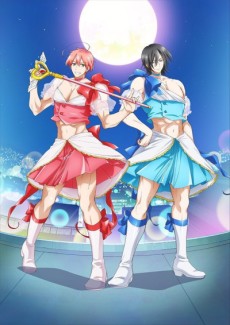
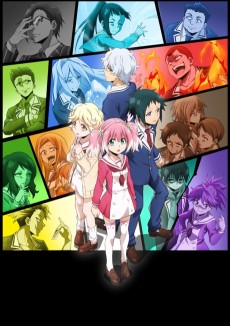
Then there’s Back Street Girls -GOKUDOLS, which shares that exact same Neon Noir palette—but flips the script into full-blown, sweat-soaked Comedy & Parody. Where Vice City winks at its own absurdity (a chainsaw-wielding mobster in a seersucker suit), GOKUDOLS screams it—three yakuza men surgically transformed into pop idols, dancing under blinding stage lights while their old bosses glare from the wings. The pastel suits? Check. The synth-heavy J-pop bangers synced to chaotic action? Absolutely. But beneath the glitter and pratfalls lies the same core tension: identity as costume, loyalty as choreography, power as something you perform until it starts feeling real. It’s Vice City’s Miami Beach turned inside out—same neon, same stakes, same hilarious, heartbreaking refusal to separate the ridiculous from the real.
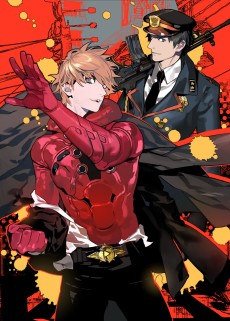
And My Hero Academia: Vigilantes—yes, that one—lands with eerie precision in Neon Noir and Music & Idol. Not because it’s about crime lords, but because it maps Vice City’s emotional geography onto Tokyo: rain-slicked alleyways humming with illegal gigs, underground clubs pulsing with bass while vigilantes trade blows in shadowed stairwells, the line between hero and thug blurred by circumstance and charisma. Its soundtrack swells like a Miami Vice theme—urgent, cinematic, emotionally charged—and its characters chase purpose the way Tommy chases territory: with equal parts swagger and vulnerability. The Music & Idol dimension here isn’t literal stardom—it’s the rhythm of urban myth-making, how legends are born in parking garages and abandoned arcades, how a single spotlight can rewrite a life.
This pairing isn’t for fans of “crime stories” or “idol shows.” It’s for the person who pauses mid-gameplay to watch the sunset over Starfish Island—not because it’s pretty, but because it aches. For the viewer who feels the bassline in Perfect Blue’s opening credits like a pulse in their throat, or who laughs too hard at GOKUDOLS’ third-act dance battle precisely because it’s laced with real grief. It’s for those who recognize that neon isn’t just color—it’s light that refuses to hide the shadows, and music isn’t background—it’s the nervous system of a world that’s equal parts seduction and surrender.
→110 Anime That Match the Vibe
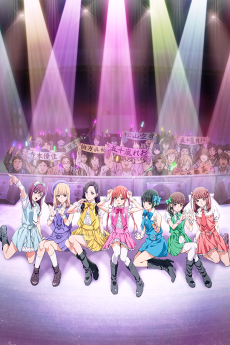
Vice City’s neon-drenched, synth-soaked skyline pulses with the same ironic glamour that backlights the Gokudols’ first idol stage debut—where former yakuza in sequined pastel outfits lip-sync to bubblegum J-pop under blinding spotlights. Unlike most crime sagas, both weaponize 80s excess not for nostalgia but as a satirical lens: Tommy Vercetti’s pastel suits mirror Ryo’s ill-fitting mini-dress during the “Gokudol Audition” chaos, where comedy and neon noir collide in glittering absurdity. This resonance isn’t accidental—it’s a shared commitment to music-as-weapon, where identity is remixed, not reclaimed.
Connected through 3 aesthetic dimensions.

Vice City’s neon-drenched, synth-soaked streets pulse with the same desperate, performative energy as Mima’s crumbling identity in *Perfect Blue*’s apartment-stalking sequences. Where Mima fractures under idol worship and surveillance, Tommy Vercetti weaponizes 80s excess—pastel suits, yacht parties, cocaine-fueled ambition—as armor against erasure. Their shared *Music & Idol* dimension isn’t celebratory; it’s a hall of mirrors reflecting how fame devours authenticity, making their dark synergy startlingly precise.

Neon-drenched alleyways pulse with synthwave in Vice City’s drug deals and Vigilantes’ midnight patrols—both steeped in 🌃 Neon Noir where light doesn’t illuminate truth but obscures moral lines. Kouichi’s quiet heroism echoes Tommy Vercetti’s ruthless ambition: one bends rules to protect his city, the other to own it, yet both navigate corrupt systems where justice wears a pastel suit or a makeshift mask. That shared tension between aspiration and compromise, scored by era-defining 🎵 Music & Idol aesthetics, makes their resonance unexpectedly poignant—not nostalgic, but dialectical.

Vice City’s neon-drenched, synth-soaked sunsets mirror Saga’s idol rehearsals bathed in retro-futuristic stage lights—both weaponize 80s music not as backdrop but as narrative engine and emotional logic. Where Tommy Vercetti builds a crime empire through pastel power suits and Miami bass, Sakura’s zombie resurrection kicks off with a deadpan cover of “GIRL’S TALK” that treats trauma like a choreographed dance break. This mutual embrace of 🎵 Music & Idol as world-building force makes their tonal whiplash—glittering absurdity over existential dread—strangely harmonious, even healing.
Connected through 2 aesthetic dimensions.
Connected through 2 aesthetic dimensions.

Connected through 2 aesthetic dimensions.









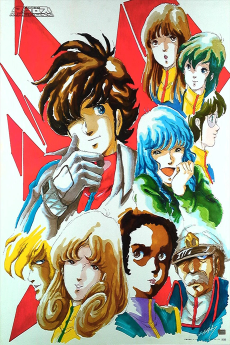


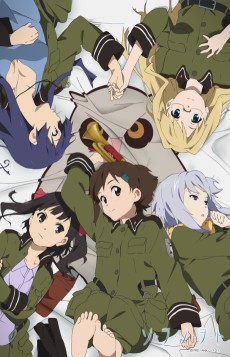
![[Oshi no Ko] Final Season](https://s4.anilist.co/file/anilistcdn/media/anime/cover/medium/bx209827-rjOeCZB6LqAg.jpg)



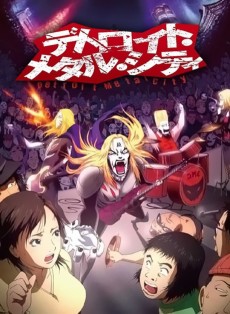
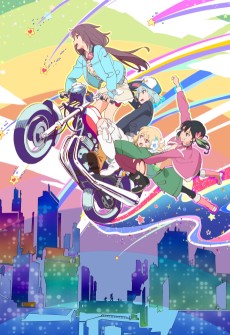





















Match Dimensions Explained
❓Frequently Asked Questions
Why is Back Street Girls -GOKUDOLS- compared to GTA: Vice City?
It’s all about that neon-soaked, pastel-suit criminal-to-idol pivot—just like Tommy Vercetti trading his prison jumpsuit for a pink blazer and building an empire. The yakuza-turned-idol trio’s chaotic rise mirrors Vice City’s over-the-top 80s power fantasy, complete with synth-heavy music cues and scenes where they literally perform on a stage lit up like Ocean Drive at sunset.
Is there an anime adaptation of GTA: Vice City?
Nope—Rockstar hasn’t licensed or produced an official anime adaptation. But if you’re craving that exact vibe (neon noir, criminal reinvention, 80s excess), My Hero Academia: Vigilantes nails it: Kuroda’s gritty street-level hustle in Kamino Ward feels like driving a Stinger down Vice Beach at dusk—graffiti, cassette tapes, and moral compromises included.
Back Street Girls vs. Oshi No Ko—which is better for Vice City vibes?
Go with Back Street Girls if you want the full Vice City *energy*: think Tommy’s swagger, the absurdity of ‘I’m not a gangster—I’m a *performer*’, and those hyper-stylized club scenes scored by actual 80s-style synth. Oshi No Ko leans darker and more psychological—like Vice City’s hidden trauma layers—but lacks the playful, sun-drenched criminal farce that makes Vice City iconic.
What’s the best anime like Vice City for pure nostalgic 80s neon fun?
Perfect Blue’s got the psychological edge, but for pure nostalgic 80s neon fun? Back Street Girls -GOKUDOLS- wins—those glittery idol concerts under palm-fringed spotlights, the Miami Vice color palette, and even the way characters pose mid-chase like they’re starring in their own VHS-tape intro sequence. It’s not just *set* in the 80s—it *feels* like bootlegging a PS2 copy off a shady guy at the mall in ’03.