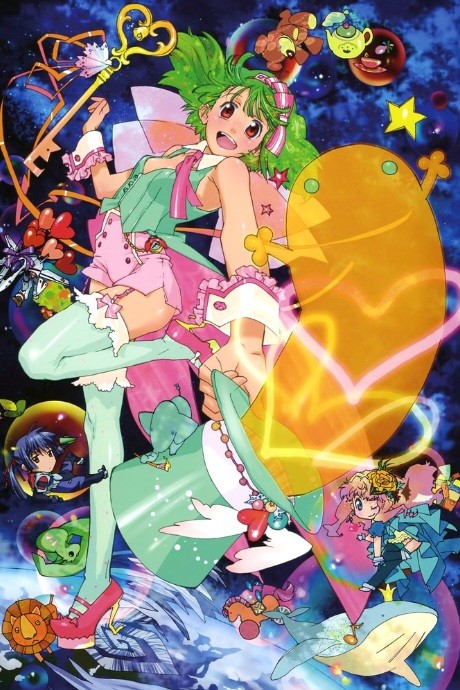
Macross Frontier: The Wings of Farewell
The sequel film to Macross Frontier: Itsuwari no Utahime.
Picking up from where the previous movie left off, Ranka's star career flourishes while Sheryl's health rapidly deteriorates after collapsing during a live performance. At the same time, separate factions are maneuvering behind the scenes seeking to control the Vajra horde by utilizing the singing abilities of the two songstresses. As the entire Macross Frontier fleet begins to wage the final war on the Vajra, Alto finally makes a choice between Ranka and Sheryl.
(Source: Anime News Network)
📺Anime Details
📝Editorial Analysis
The silence after Ranka’s voice cuts out mid-phrase—just before the Vajra swarm surges past the SDF-27’s hull—isn’t empty. It’s thick with static, sweat on Alto’s temple, the low thrum of damaged reactors, and the faint, fading echo of Sheryl’s last broadcast playing over shipwide comms like a ghost in the wiring. That pause isn’t just narrative breath—it’s the moment the real weight lands: love isn’t a choice between two women; it’s the unbearable tension between duty and devotion, between a song that heals and one that weaponizes hope.

What makes Macross Frontier: The Wings of Farewell ache so deeply isn’t its space battles or idol theatrics—it’s how it treats music as gravity. Not metaphorically. Literally. Sound bends spacetime here. Singing doesn’t inspire—it reconfigures biology, calms alien hordes, fractures enemy formations, and collapses time for dying people. You don’t watch this film—you feel frequencies in your molars. It makes you think about how fragile consensus reality is when a single voice can rewrite physics—and how devastating it is when that voice starts to fray at the edges. There’s no triumph without exhaustion, no romance without sacrifice baked into the very airframe of the ship. It’s grief wearing a flight suit. It’s longing synced to a 4/4 pulse. It’s hope that tastes like antiseptic and stage dust.
That emotional DNA—where music isn’t background but architecture, where combat and concert are the same event viewed from different angles—resonates sharply with Shatter. Its description calls it “a retro-inspired brick-breaking game that merges familiar action with unique twists and a modern crafted production approach.” Just like Ranka’s vocals trigger harmonic resonance in Vajra neural nets, Shatter’s core mechanic ties ball physics directly to sound design—the rhythm of your strikes, the pitch of breaking bricks, the tempo of your recovery—all feed into momentum and scoring. A player review nails it: “Like most great games, the concept is simple but mastering it is difficult. Also like most great games, it's fun even when you don't have it mastered…” That’s Ranka in her first solo performance—clumsy, trembling, yet undeniable. It’s the same kind of joyful precision: not perfection, but presence, where every input vibrates with intention.
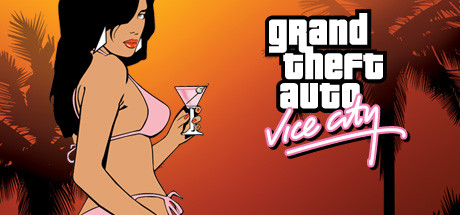
Then there’s Grand Theft Auto: Vice City, which shares something far less obvious but just as vital: the weight of spectacle as survival. Its description places you in “the 1980s… a story of one man’s rise to the top of the criminal pile,” and the player review gushes: “The best GTA game. Great music, very fun, and hilarious to play…” But listen closer—the laughter is nervous. The neon isn’t just flashy; it’s camouflage. Like Sheryl performing under military surveillance while her lungs fill with Vajra spores, Vice City’s glamour is armor. Both use pop culture as both shield and signal flare: a synth-pop track isn’t mood-setting—it’s intel, distraction, recruitment tool, and last will all at once. The tactical warfare tag isn’t about cover-shooting—it’s about reading crowd energy like radar, timing a getaway to the chorus drop, knowing when to sing and when to vanish. That duality—idol and insurgent, performer and prisoner—is threaded through both.
Who lives for this? Not just mecha fans or J-pop devotees. It’s the person who replays the same 12 seconds of a game because the bassline syncs perfectly with their heartbeat. It’s the one who watches Ranka’s final stage sequence not for the choreography—but for how the camera lingers on Alto’s knuckles whitening on his controls as the music swells, because that’s where the real battle lives. It’s someone who hears a synth arpeggio and feels vertigo—not nostalgia, but recognition: yes, this frequency cracked open a universe once. They don’t want escapism. They want resonance. They want to feel small in the best way—like a single note in a choir that holds back an apocalypse.
🎮1 Games That Match the Vibe
Match Dimensions Explained
❓Frequently Asked Questions
Why is Shatter listed as similar to Macross Frontier: The Wings of Farewell?
Because both lean hard into 80s-inspired music, idol culture, and sci-fi spectacle—Shatter’s neon-drenched space arena, pulsing synth soundtrack, and 'performance-as-combat' vibe mirror how Ranka Lee’s singing literally powers the VF-25’s systems in Wings of Farewell. Even the player review nails it: mastering Shatter feels like nailing a perfect song-and-mech combo—just like Ranka syncing with her Valkyrie during the final concert-battle scene.
Is there a GTA: Vice City adaptation of Macross Frontier?
No—there’s no official GTA: Vice City mod or crossover, but the match makes sense for mood: Vice City’s pastel-noir 80s aesthetic, radio DJ banter (like GBA’s ‘Vice City FM’), and over-the-top rise-to-power arc echo Macross Frontier’s blend of idol stardom and interstellar warfare. Think of it like watching Alto Saotome’s arc play out in a sun-bleached, synth-heavy crime saga instead of deep space.
How does Shatter compare to Grand Theft Auto: Vice City for Macross fans?
Shatter captures Macross’s *emotional core*—music-as-weapon, tight rhythm-based action, and dazzling visual flair—while Vice City delivers the *tonal palette*: big hair, charismatic leads, and a world where style and substance collide (like when Sheryl Nome drops a power ballad mid-battle). If you want Valkyrie dogfights with beat-synced precision, go Shatter; if you want to *live* in the 80s pop-culture sandbox that inspired Macross’s worldbuilding, Vice City’s your jam.
What’s the best game like Macross Frontier: The Wings of Farewell if I just want that bittersweet, soaring, music-and-mecha high?
Shatter—it’s the closest match for that specific rush: its brick-breaking mechanics sync to a driving synth score, and every level feels like a climactic performance (think Ranka’s ‘Triangler’ scene, but with lasers and shattered blocks). With an 82 Metacritic score and players calling it ‘fun even when you don’t have it mastered,’ it nails the Macross balance of emotional payoff and tactile satisfaction.