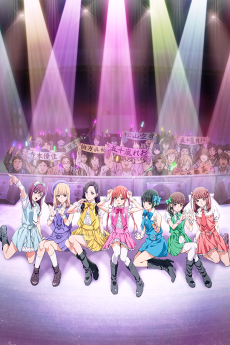
If My Favorite Pop Idol Made It to the Budokan, I Would Die
📺Anime Details
📝Editorial Analysis
The fluorescent hum of a convenience store at 2:17 a.m., the glow of a phone screen lighting up a tired face as she re-watches the same 12-second clip—her idol’s wink mid-chorus, hair catching stage light like spun gold—while the cashier glances over, not unkindly, just knowing. That’s the heart of If My Favorite Pop Idol Made It to the Budokan, I Would Die: not triumph, not fantasy, but the quiet, aching weight of devotion measured in yen, commute time, and the way your breath catches when her name appears in a tweet you refresh every 90 seconds.
This anime doesn’t trade in wish-fulfillment—it trades in proximity. The feeling isn’t euphoria; it’s tremor: the nervous flutter before a handshake event, the lump in your throat when you realize you’ve memorized the exact cadence of her ad-libs on a B-side no one else streams, the deep, lonely warmth of loving something so brightly that your own life seems softly blurred at the edges. It’s seinen not because it’s cynical, but because it treats obsession with tenderness and precision—like documenting how many times a fan folds the same concert flyer before it frays at the crease. There’s no grand rivalry, no backstage betrayal—just the slow, resonant thud of time passing, love accumulating, and the terrifying, beautiful fragility of a dream that lives entirely in the space between stages.
That emotional frequency—the intimacy of sustained attention, the music-as-lifeline, the adult ache of unrequited devotion—vibrates in surprising harmony with certain games. Take Grand Theft Auto: Vice City. Its description promises “a story of one man's rise to the top of the criminal pile” in the “decade of big hair, excess and pastel suits”—but the player review nails it: “Great music, very fun, and hilarious to play.” That’s the link—not crime, but soundtrack-as-soul. Like the anime’s idol songs, Vice City’s radio stations aren’t background; they’re atmosphere made audible, shaping mood, memory, identity. Hearing “Take On Me” crackle through a car stereo while cruising neon-drenched streets mirrors how the anime’s protagonist feels held by melody—music as both escape and anchor, joyous and deeply personal.
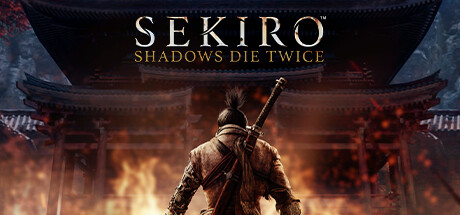
Then there’s Sekiro™: Shadows Die Twice - GOTY Edition, tagged with Music & Idol and Adult & Dark Seinen. That tag feels jarring until you sit with it: Sekiro’s world is brutal, ritualistic, steeped in repetition—dying, learning, returning, dying again. The player doesn’t conquer through power scaling, but through attunement: reading a boss’s breath, timing a deflection, feeling the rhythm of combat become second nature. That’s the anime’s emotional choreography too—the protagonist doesn’t “win” the idol’s affection; she learns the rhythm of fandom itself: when to save, when to splurge, how to hold space for someone else’s light without burning out. Both demand repetition as reverence, each attempt a quiet act of devotion.
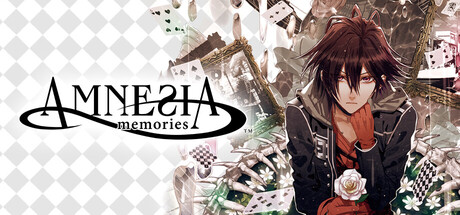
And Amnesia™: Memories, with its Romance & Shoujo and Adult & Dark Seinen dimensions, lands with startling resonance. Its description is absent—but the tags are telling. “Dark Seinen” here isn’t about gore; it’s about the weight of memory, the vulnerability of rebuilding connection after loss or erasure. The anime’s unrequited love isn’t tragic—it’s tenderly unresolved, carrying the quiet gravity of choosing to love without expectation. Like Amnesia’s narrative structure—fragmented, emotionally layered, built on what’s remembered, misremembered, or withheld—the anime finds profundity in the gaps: the glance not returned, the message unsent, the love that exists fully in the loving, not the receiving.
This pairing speaks to the viewer who keeps a notebook of train schedules to three different idol venues, who knows the exact BPM of their favorite chorus, who’s cried in a karaoke booth singing lyrics they’ll never perform—and who finds that devotion, that focus, that deep, quiet, rhythmic love just as heroic as any sword swing or heist. Not the loud kind. The kind that hums under everything, steady as a bassline, real as a 2 a.m. convenience store glow.
🎮11 Games That Match the Vibe


Match Dimensions Explained
❓Frequently Asked Questions
Why does Grand Theft Auto: Vice City match 'If My Favorite Pop Idol Made It to the Budokan, I Would Die'?
Because both lean hard into 80s idol culture—Vice City’s neon-drenched music scene, synth-heavy soundtrack, and flamboyant, fame-obsessed narrative mirror the intense adoration and performative glamour of Japanese pop idol fandom. You’ll feel that same rush when you blast ‘Take On Me’ while cruising Ocean Drive, just like the protagonist’s euphoric, almost overwhelming reaction to seeing their idol on stage at Budokan.
Is there an anime or visual novel adaptation of 'If My Favorite Pop Idol Made It to the Budokan, I Would Die'?
No official anime or visual novel adaptation exists—but Amnesia™: Memories is the closest spiritual sibling: it’s a romance-driven visual novel with branching storylines, emotional intensity, and shoujo-coded intimacy (think tearful confessions and heartfelt duets), all rated in the same Romance & Shoujo / Adult & Dark Seinen dimensions as the Budokan story.
How does Sekiro™: Shadows Die Twice compare to 'If My Favorite Pop Idol Made It to the Budokan, I Would Die'?
At first glance? Wildly different—Sekiro’s brutal swordplay and feudal Japan setting seem worlds away—but both share that high-stakes, emotionally charged ‘make-or-break moment’: Sekiro’s final duel at Ashina Castle hits with the same trembling, heart-in-throat intensity as the protagonist’s first Budokan concert. They’re both scored in Music & Idol and Adult & Dark Seinen, tapping into obsession, sacrifice, and transcendent performance.
What’s the best game like 'If My Favorite Pop Idol Made It to the Budokan, I Would Die' for that giddy, butterflies-in-your-stomach, fan-girl euphoria?
Amnesia™: Memories nails that vibe—especially the ‘Stage Star’ route where you navigate backstage drama, rehearsal jitters, and quiet moments with your idol under stage lights. It’s got the same shoujo warmth, romantic tension, and emotional crescendos as the Budokan story, and shares its exact Romance & Shoujo + Adult & Dark Seinen dimension pairing.