
My Hero Academia: Vigilantes
Kouichi Haimawari is a dull college student who aspires to be a hero but has given up on his dream. Although 80% of the world’s population has superhuman powers called Quirks, few are chosen to become heroes and protect people. Everything changes for Kouichi when he and Pop☆Step are saved by the vigilante Knuckleduster and get recruited to become vigilantes themselves!
(Source: Crunchyroll)
📺Anime Details
📝Editorial Analysis
Rain slicks the pavement of Naruhata City like oil on black glass—Kouichi Haimawari’s sneakers skid sideways as he chases a runaway delivery drone, breath ragged, Quirk useless, heart hammering not with power but urgency. He doesn’t stop because he’s strong. He stops because Pop☆Step is behind him, laughing breathlessly, and because Knuckleduster’s battered leather jacket vanishes around a corner—not as a savior, but as a choice, already made, already lived-in. That moment isn’t about saving the day. It’s about showing up, unchosen, unlicensed, unpaid, in a world that measures worth in hero rankings and endorsement deals.

This isn’t the polished gleam of U.A. High’s training grounds—it’s the damp brick, flickering neon, and half-unpacked convenience store bento boxes of a city breathing just outside the spotlight. My Hero Academia: Vigilantes lives in the grit of aspiration deferred: the weight of student loans, the exhaustion of part-time shifts, the quiet shame of wanting to matter but lacking the pedigree—or even the Quirk—to be seen. Its atmosphere isn’t heroic grandeur; it’s neon noir—not as aesthetic alone, but as moral texture. You feel the hum of streetlights at 2 a.m., the low thrum of bass from a basement club where idols lip-sync under strobes while real crime simmers two blocks over. It makes you think about legitimacy—who gets to wear the badge, who gets to be the story, and what happens when justice leaks out the cracks and becomes something scrappier, messier, human.
That same pulse lives in Grand Theft Auto: Vice City, where the Music & Idol dimension isn’t background flavor—it’s structural irony. You’re building a criminal empire while Miami Vice synths swell, your protagonist rising “to the top of the criminal pile” in pastel suits and big hair, all while the system he exploits keeps spinning. Like Kouichi, Tommy Vercetti isn’t sanctioned—he’s self-appointed, improvising ethics on the fly, dancing between law and shadow. A player calls it “hilarious to play”—and yes, there’s levity—but it’s the same kind: the absurd, defiant joy of carving agency from a rigged world. The idol culture in both isn’t glamor—it’s spectacle masking precarity, glitter over grit.
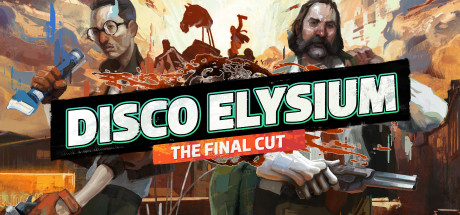
Then there’s Disco Elysium - The Final Cut, where the Political Thriller and Neon Noir dimensions converge in a detective whose mind is a warzone of ideologies—and whose city, Revachol, bleeds institutional decay. The player review quotes capital’s cruel ability to “subsume all critiques into itself,” echoing how Naruhata’s hero industry absorbs dissent, repackages rebellion as merch, and turns vigilantes into cautionary footnotes. Kouichi doesn’t fight villains—he negotiates with landlords, dodges debt collectors, and debates whether stopping a mugger matters when the real violence is systemic. Disco Elysium doesn’t give you answers—it gives you consequences, contradictions, and the crushing weight of thinking too much in a world that rewards silence. Both make you feel exhausted, yes—but also awake.
And Deus Ex: Game of the Year Edition? Its 2052 isn’t sci-fi fantasy—it’s extrapolation. “The gap between the insanely wealthy and the desperately poor grows ever wider.” Kouichi walks that gap daily: past luxury high-rises where pro heroes live, past alleyways where Quirkless kids sleep under tarps, past the very same “ages old conspiracy” that Vigilantes hints at—not with monologues, but with offhand lines about licensing fees, corporate sponsorships, and the quiet erasure of unregistered Quirks. A player praises how the game “gives you all options with one hit of the esc key”—just like Kouichi’s choices: walk away, call the cops (who may not come), or swing a pipe. No cutscene tells you it’s right. You feel it in your knuckles.
This pairing isn’t for fans of power fantasies or clean moral binaries. It’s for the ones who pause mid-episode to Google “Quirk discrimination laws in Japan” and wonder if the CCA’s licensing board has a PR department. It’s for players who replay Disco Elysium’s “Lobotomy” skill check not to win, but to hear the voice crack when ideology fails. It’s for people who love the weight—the way rain feels cold on skin, the way a bassline can sound like hope and warning at once, the way choosing to help someone costs—and still do it. Not because they’re heroes. But because they’re here, breathing the same thick, electric, imperfect air.
🎮8 Games That Match the Vibe

Match Dimensions Explained
❓Frequently Asked Questions
Why does Vigilantes feel so much like Disco Elysium despite being a shonen anime game?
It’s all about the grounded, morally gray street-level detective work—like when Katsuhira investigates the 'Hood' gang in Saitama City, piecing together clues through dialogue trees and environmental storytelling, just like Disco Elysium’s Inspector Harry DuBois interrogating witnesses in Martinaise. Both lean hard into Neon Noir aesthetics and Political Thriller themes, with Vigilantes’ focus on systemic injustice mirroring Disco Elysium’s critique of capital and ideology—hence why both land in the same ‘Neon Noir’ + ‘Political Thriller’ dimension.
Is there a My Hero Academia: Vigilantes video game adaptation?
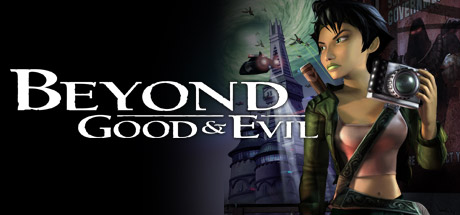
No—there’s never been an official Vigilantes game. The closest thing is how its tone and structure echo real games like Beyond Good and Evil™, where you play as Jade (a scrappy reporter) uncovering government lies alongside her pig partner Pey’j—very much like Koichi’s partnership with Rikido and their underground journalism in the Vigilantes manga. Fans often mistake fan-made mods or mobile spin-offs for canon, but nothing licensed exists.
How does Grand Theft Auto: Vice City compare to Vigilantes in terms of vibe and pacing?
Vice City nails the same neon-drenched, lawless-yet-charming urban energy—think Koichi chasing down villains through rain-slicked alleyways at night, versus Tommy Vercetti leaning out of a pink convertible blasting 80s hits. Both thrive on style-as-substance: Vigilantes’ ‘Music & Idol’ dimension (with its idol culture cameos and synth-heavy OST) directly mirrors Vice City’s iconic soundtrack and pastel-suited excess—but Vice City leans into chaos, while Vigilantes stays tightly focused on street-level justice.
What’s the best game like Vigilantes if I want that gritty, rain-soaked, conspiracy-unraveling mood?
Deus Ex: Game of the Year Edition—it drops you into 2052’s decaying megacities where every alley hides surveillance tech and every conversation could expose a global conspiracy, just like Vigilantes’ slow-burn reveals about the Meta Liberation Army and the corruption beneath U.A. You’ll hack terminals, talk your way past guards, and make choices that reshape the world—exactly the tense, cerebral, Neo-Noir political thriller energy that defines Vigilantes’ most gripping arcs.