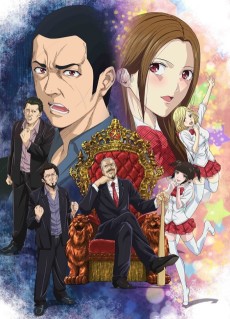
Back Street Girls -GOKUDOLS-
A group of 3 yakuza failed their boss for the last time. After messing up an important job, the boss gave them 2 choices: Honorably committing suicide, or go to Thailand to get a sex reassignment surgery in order to become "female" idols. After a gruesome year long training to become idols, they successfully debut, with overwhelming popularity, much to their dismay. This is where their tragedy truly begins.
📺Anime Details
📝Editorial Analysis
The fluorescent glare of a Bangkok clinic’s operating room—cold steel, antiseptic sting, the muffled thump-thump-thump of a bassline bleeding from a cracked door down the hall—while three men in hospital gowns clutch each other’s hands, not out of solidarity, but sheer, unmoored terror. One whispers, “I still owe ¥300,000 to the Nagano branch,” and another laughs—a raw, cracking sound that dissolves into sobs as the anesthesiologist nods. That moment isn’t just transition. It’s surrender, wrapped in glitter and gauze.
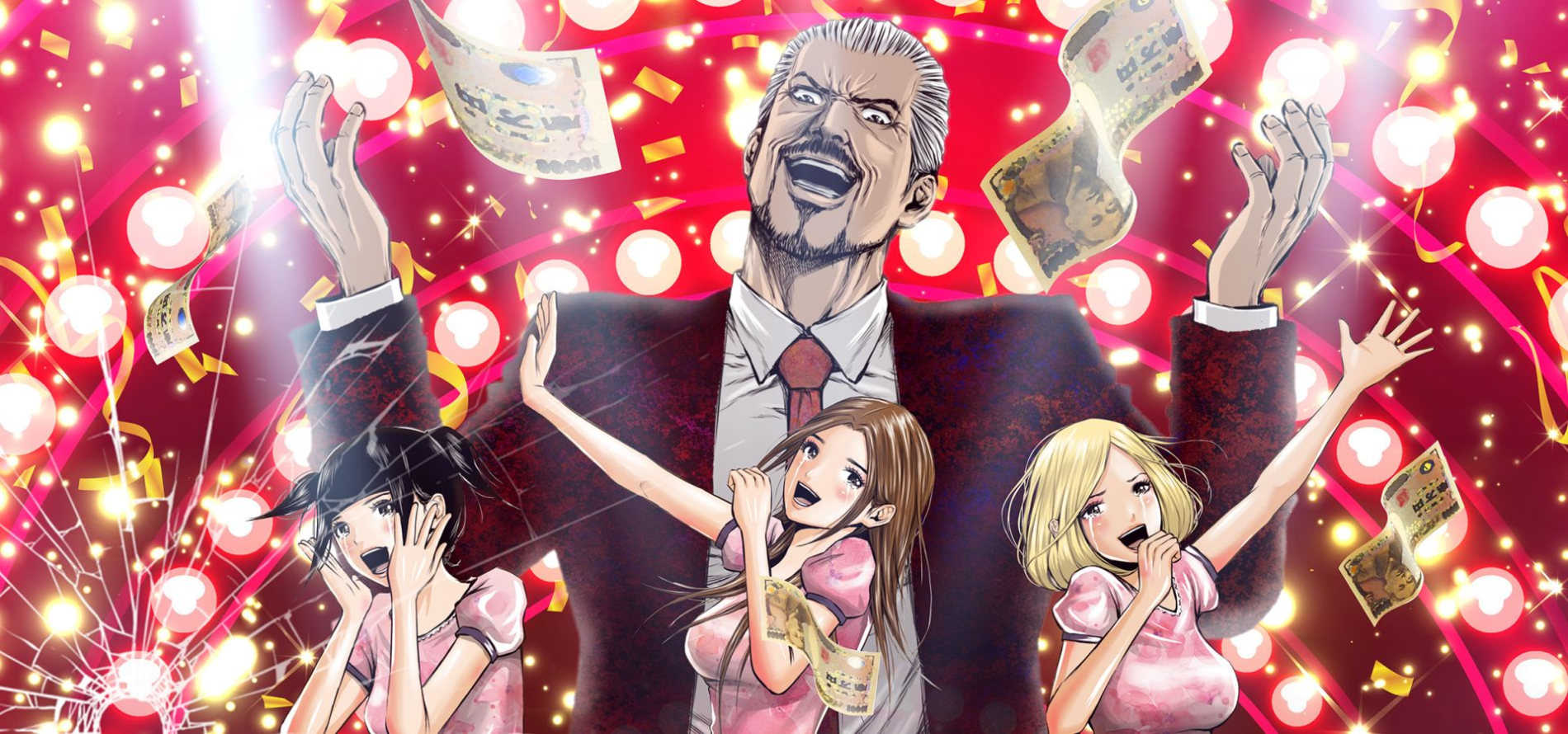
What makes Back Street Girls -GOKUDOLS- vibrate at this particular frequency isn’t its genre labels—it’s how it weaponizes dissonance. You’re laughing at slapstick pratfalls during vocal training, then your stomach drops when a character stares blankly at their reflection mid-hair dye, voice trembling mid-note—not from pitch, but from recognition: this face is real now. The show doesn’t treat gender transition as metaphor; it treats it as infrastructure—a brutal, bureaucratic pipeline grafted onto yakuza hierarchy. The horror isn’t in the surgery itself, but in the aftermath: the forced cheer, the idol choreography synced to J-pop beats while trauma hums underneath like a subwoofer left on. It’s exhausting, absurd, and weirdly tender—all at once. You don’t watch it to escape reality. You watch it to feel the friction where identity, loyalty, and performance grind against each other until something sparks.
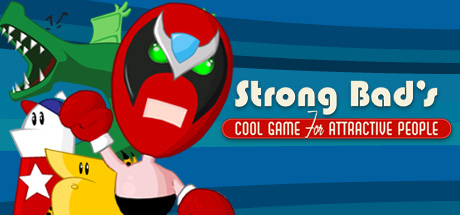
That same spark flickers in Strong Bad's Cool Game for Attractive People: Season 1, where music and idol culture collide with surreal, self-aware parody—and yes, body horror (just look at Strong Bad’s increasingly unstable facial geometry across episodes). The player review nails it: “With the recent remake of Poker Night, I hope Skunkape considers bringing this game back next…” — that wistful, almost pleading nostalgia mirrors how Back Street Girls makes you ache for the men these idols were, even as you scream-laugh at Strong Bad’s off-key karaoke or his “attractive people” checklist collapsing into nonsense. Both weaponize absurdity to expose how deeply performance reshapes personhood—even when the stage is a garage webcam or a neon-lit Tokyo dome.
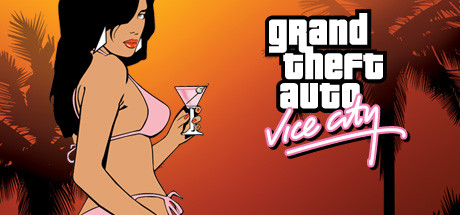
Then there’s Grand Theft Auto: Vice City, where the 1980s aren’t just backdrop—they’re pressure. Its description says: “Welcome to Vice City. Welcome to the 1980s. From the decade of big hair, excess and pastel suits comes a story of one man's rise to the top of the criminal pile.” That’s the same suffocating glamour that swallows the Gokudols: the pastel suits, the synth-heavy idol tracks, the way power wears sequins and demands total reinvention. A player calls it “the best GTA game. Great music, very fun, and hilarious to play…”—exactly how Back Street Girls lands: hilarious because it’s so devastatingly committed to its own logic. Both use hyper-stylized urban decay to ask: What do you become when your old self is no longer viable—and the only exit route is through the spotlight?
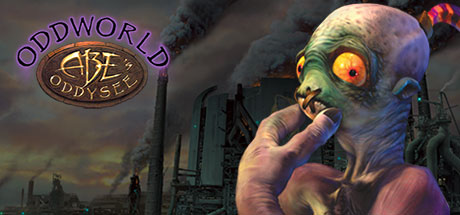
Even Oddworld: Abe's Exoddus®, with its Mudokon bones and Magog Cartel mining Necrum, shares that grim, tactile unease. Its description mentions sacred ground violated for profit—echoing how the Gokudols’ bodies become corporate assets, their trauma repackaged as “cute.” A player writes: “this game is very VERY OLD yet SO FUN was my child hood game so this game is so fun and nostalgic very very good…”—that layered affection, tinged with discomfort, is identical to watching Ryo, Mari, and Chika bow after a flawless dance break, sweat glistening, eyes hollow. You love them and mourn what they lost—in the same breath.
This pairing isn’t for casual fans. It’s for the viewer who rewatches the Gokudols’ first live performance—not for the choreography, but for the second when Ryo’s hand flinches, just once, toward the knife she used to carry. It’s for the player who boots up Vice City, not to chase missions, but to cruise Ocean Drive at dawn, radio low, feeling the weight of that pastel suit on them. It’s for people who find catharsis in awkwardness, who recognize dignity in surrender, and who know that the most human moments often arrive dressed in sequins, soaked in irony, and vibrating with quiet, unspoken grief.
🎮30 Games That Match the Vibe






Match Dimensions Explained
❓Frequently Asked Questions
Why does Strong Bad's Cool Game for Attractive People feel so much like Back Street Girls despite having zero idol mechanics?
It’s all about the tonal whiplash and commitment to absurdity—like when Strong Bad lip-syncs badly to synth-pop while sweating through a 'music video' in Episode 3, or when he transforms into a grotesque, glitter-covered 'idol monster' during the Body Horror & Occult climax of Episode 5. The Comedy & Parody + Music & Idol + Body Horror & Occult triple-dimension overlap (scored 84) nails that same surreal, self-aware, cringe-to-empowerment energy as Back Street Girls’ transformation arcs.
Is there an official Back Street Girls game adaptation?
No—there’s never been an official Back Street Girls game, which is why fans lean hard into matches like Grand Theft Auto: Vice City. Its neon-soaked 1980s idol scene (think the ‘Vice City Idol Arena’ mod community + soundtrack cameos by real 80s pop acts) and over-the-top parody of fame-as-crime-racket mirror the GOKUDOLS’ satire of industry exploitation—right down to Tommy Vercetti’s pastel suit mirroring Ryo’s first stage outfit.
How does Oddworld: Abe's Exoddus compare to Strong Bad's Cool Game for Attractive People for fans of Back Street Girls’ dark comedy?
Abe’s Exoddus leans heavier into body horror and spiritual absurdity—like when Mudokons explode into confetti-like bone dust during the Necrum mining sequence—while Strong Bad goes full satirical idol parody with karaoke cutscenes and fake endorsement deals. Both hit Comedy & Parody + Body Horror & Occult, but Abe’s Exoddus (71) trades Strong Bad’s glossy music-video sheen for grimy, cultish satire—closer to Back Street Girls’ early ‘broken system’ chapters than its glittery concerts.
What’s the best game like Back Street Girls if I want chaotic, neon-lit, laugh-until-you-cringe energy?
Grand Theft Auto: Vice City—hands down. It’s got the same unapologetic 80s excess, from the synth-heavy radio stations blasting faux-idol tracks to Tommy Vercetti’s increasingly unhinged rise (think his ‘pastel power suit’ montage mirroring the GOKUDOLS’ first performance). With its 83 score across Music & Idol, Comedy & Parody, and Neon Noir, it delivers that exact vibe: glamorous, ridiculous, and just morally sideways enough to feel like a Back Street Girls fever dream.