Borderlands Game of the Year
🎮Game Details
💬What Players Say
"Playing this instead of the GOTY Enhanced, I see what the difference was. This is the superior experience compared to the rerelease. There is no gray-ish brown-ish filter that makes everything look bad, it doesn't have a debilitating memory leak issue and also runs a lot better, they didn't gut a lot of the iconic hybrids like the Ajax Ogre out of the game, and they didn't screw with the general balance of the game...."
">decides to try and get 100% >watches 100% guide >uninstalls >installs bl2"
"Borderlands GOTY is still a fun and important looter-shooter, even if it feels a bit dated today. The game’s biggest strength is its intriguing loot system, with tons of crazy weapons to collect and experiment with. The comic-book art style also aged surprisingly well, and the co-op gameplay is where the game is at its best...."
📝Editorial Analysis
The first time you vault over a rusted-out Bandit truck, shotgun blast shredding the air, and watch three enemies explode into cartoonish sprays of crimson and loot—that’s Borderlands Game of the Year. Not the Enhanced re-release with its desaturated, gray-ish brown-ish filter that bleaches the world of life, but this one: unfiltered, loud, garish, vibrating with the kind of manic energy that makes your palms sweat and your laugh too sharp to contain. It’s not just shooting—it’s unloading, weapon after weapon, each one a surprise: a pistol that fires homing rockets, a SMG that spits acid, a sniper rifle that detonates on impact like a grenade. The official description nails it: “mind blowing insanity.” And it’s true—not in the clinical sense, but in the way your brain stutters when a weapon drops that shouldn’t exist, yet does, glowing faintly in the dust, humming with absurd potential.
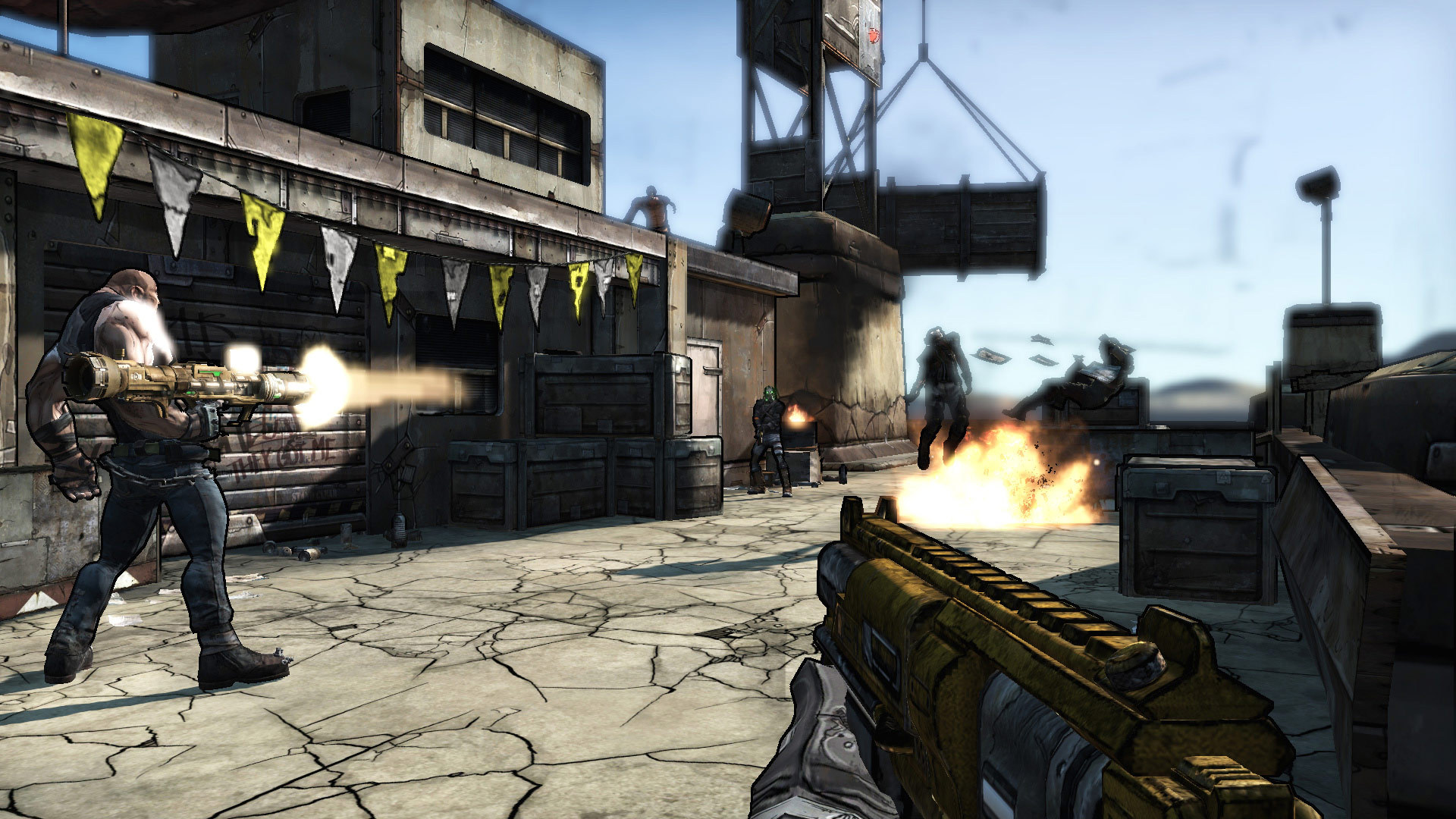
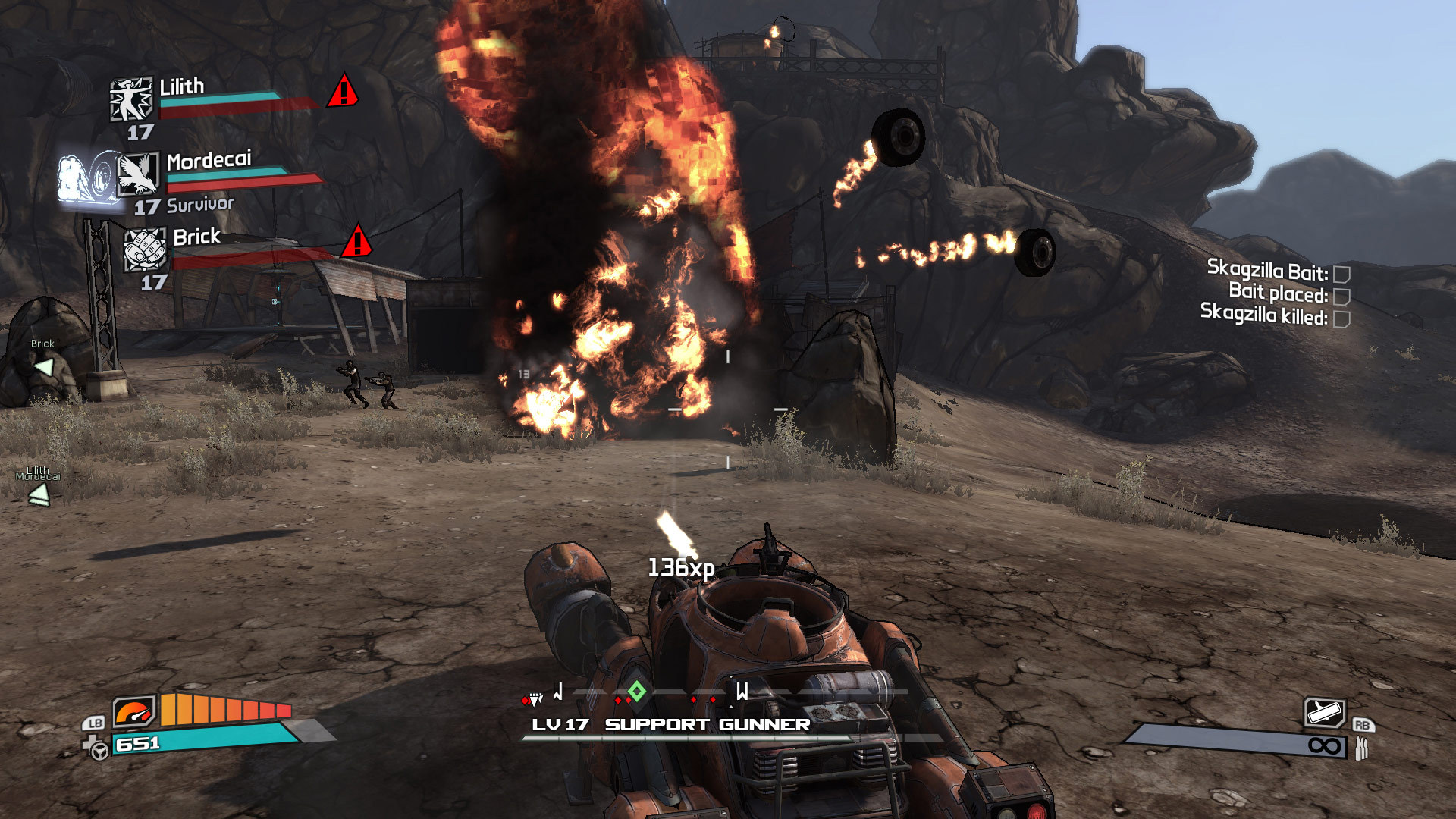
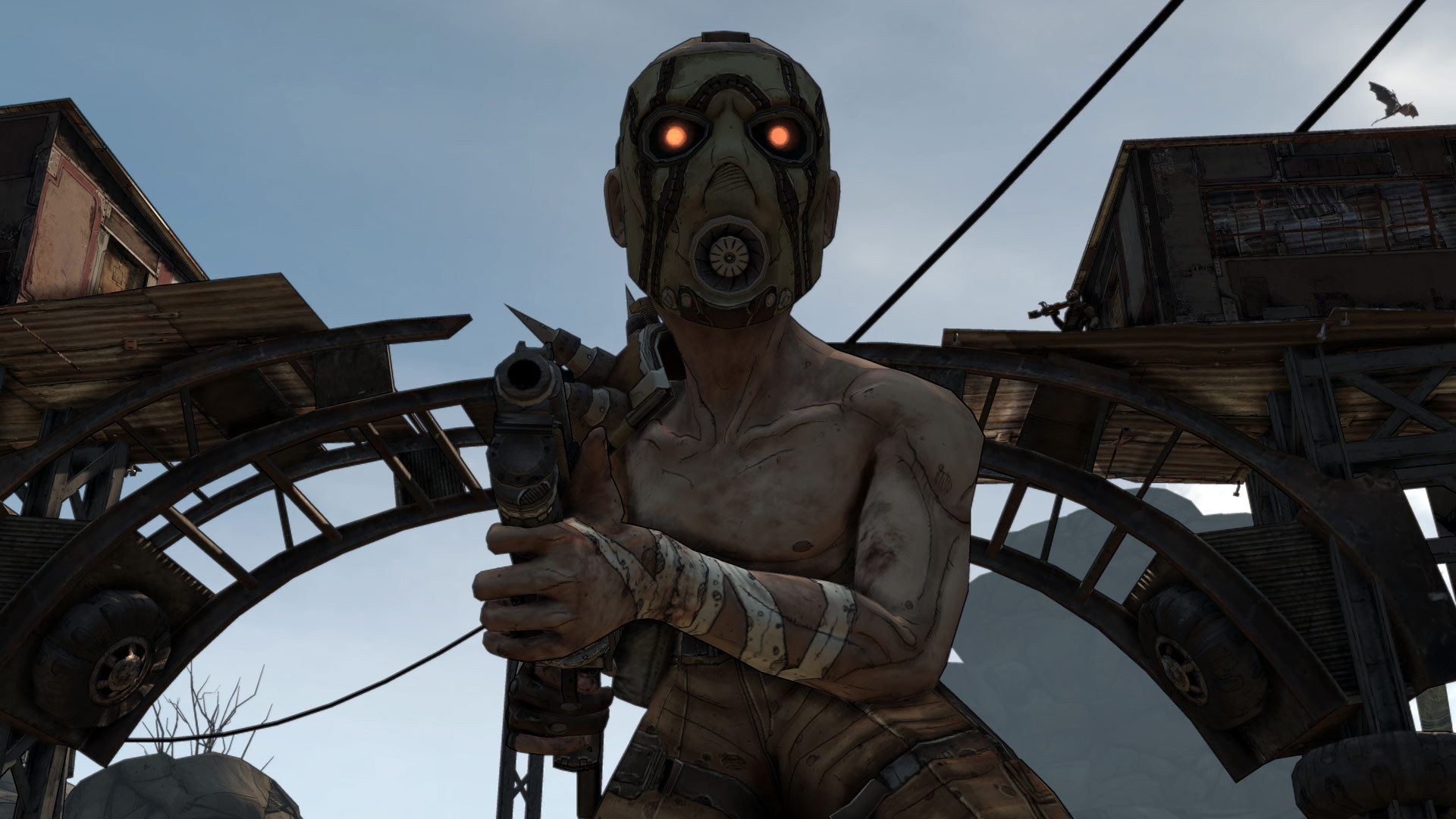
What makes this game’s atmosphere unique isn’t its post-apocalyptic setting or its four-player co-op—it’s the tonal whiplash, the refusal to settle into any single emotional register. One moment you’re staring at a grotesque, mutated boss whose body unravels into biomechanical tentacles (Body Horror & Occult), the next you’re trading one-liners with a robot who quotes Shakespeare while reloading a rocket launcher that shoots bees. There’s no irony shield, no winking fourth wall—it’s all delivered straight, with absolute conviction. That’s why it feels alive, even now: because it trusts its own ridiculousness so completely. It doesn’t ask you to suspend disbelief—it shatters it, then builds something new from the glittering, jagged shards. You don’t feel like a hero. You feel like a participant in a fever dream where chaos is the only consistent law—and somehow, that’s liberating.
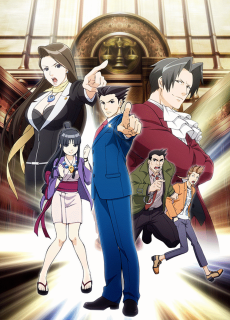
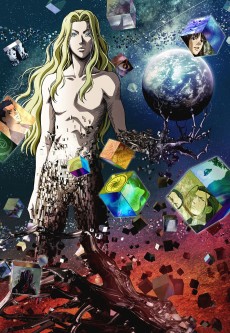
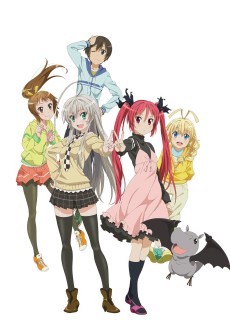
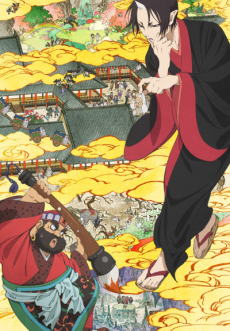
That same unhinged alchemy lives in Gintama.: Slip Arc, where Edo is overrun by aliens, samurai duel with prosthetic limbs fused to occult sigils, and a man literally turns into a sentient pile of slime mid-battle—all while cracking jokes about expired convenience store bento. The shared DNA isn’t just Comedy & Parody; it’s how both treat Body Horror & Occult as texture, not trauma—slime isn’t gross, it’s hilarious. Sci-Fi & Space isn’t backdrop—it’s punchline infrastructure, where warp drives malfunction because someone forgot to pay the intergalactic utility bill.
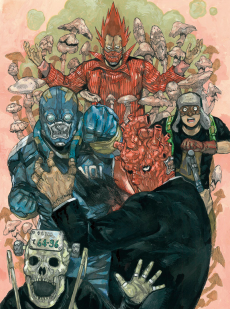
Then there’s One-Punch Man Season 2, where Genos’ cybernetic arm melts off mid-fight, revealing raw circuitry and screaming hydraulics, and Saitama yawns through an apocalyptic city collapse like it’s rush-hour traffic. Cyberpunk & Dystopia here isn’t grim—it’s exhausted, satirical, deeply silly. Just like Borderlands GOTY’s bandit camps aren’t threatening—they’re run by guys named “Scrapjaw” who quote bad poetry before getting vaporized by a shock-element Tediore revolver. Both reject dystopia-as-despair in favor of dystopia-as-farce, where the system is broken, so you stop trying to fix it and start blowing up the whole damn server rack.
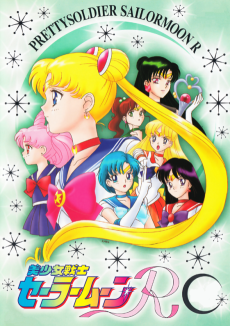
And A Certain Magical Index II—where espers battle magic users in Academy City’s neon-drenched streets, and a girl’s hair spontaneously combusts because her power overloaded her shampoo formula. Again: Comedy & Parody meets Cyberpunk & Dystopia, but crucially, without condescension. The stakes are real, the violence has weight—but the world itself is so densely packed with nonsense logic that sincerity becomes its own kind of rebellion. Like finding a weapon in Borderlands that fires tiny clones of yourself, each clone screaming “I AM YOU!” before self-destructing. It’s absurd, yes—but it’s earned absurdity, built on internal rules so thick they become mythology.
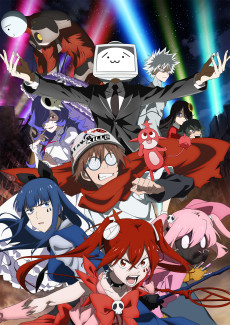
This pairing isn’t for people who want “deep themes” or “cinematic storytelling.” It’s for the ones who grin when a boss grows a second head mid-monologue, who pause mid-fight to read a vending machine’s sarcastic product description, who rewatch Mob Psycho’s exorcism scene not for the pathos—but for the way his hair puffs up like a startled cat before the psychic explosion hits. It’s for players who uninstalled Borderlands GOTY after watching a 100% guide—not out of frustration, but because the joy was in the hunt, not the trophy. For viewers who love anime where the most emotionally resonant moment isn’t a tearful confession, but a character tripping over their own superpowered shoelaces. These are stories built for people who know that sincerity and silliness aren’t opposites—they’re the same engine running on different fuel. And when that engine revs? Everything else—the filters, the guides, the expectations—just fades into static.
→87 Anime That Match the Vibe

Connected through 3 aesthetic dimensions.

Connected through 3 aesthetic dimensions.
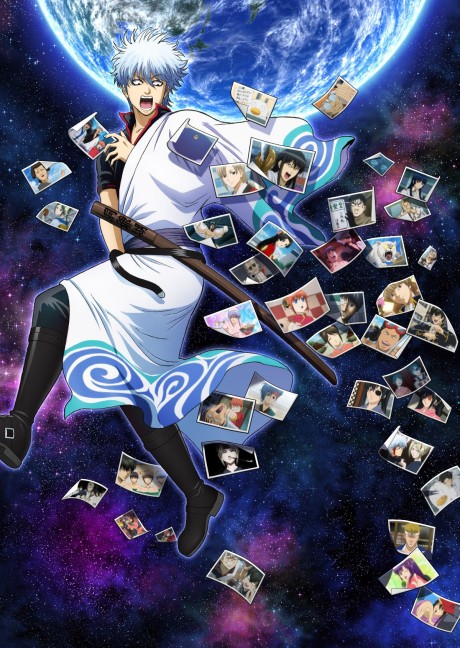
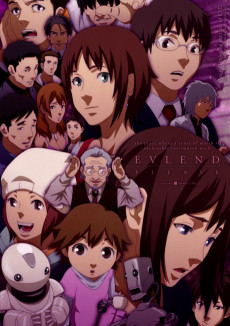
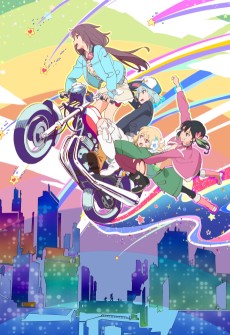
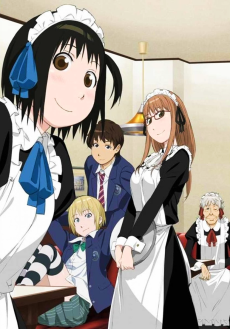
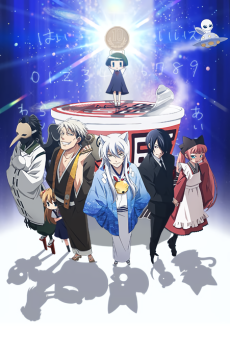
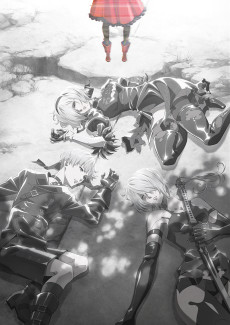
Porori’s watery onomatopoeia echoes the way Borderlands’ Claptrap glitches mid-sentence—both weaponize absurdity to puncture genre gravity. Where Slip Arc leans into body horror via grotesque, ink-smeared alien parasites invading Edo-period bodies, Borderlands’ mangled bandits and cybernetic monstrosities commit the same tonal whiplash: sci-fi dread dissolving into slapstick gore. This shared commitment to 😂 Comedy & Parody *as structural logic*—not just seasoning—makes their chaos feel kinetically aligned, not coincidental.
Connected through 2 aesthetic dimensions.

Connected through 2 aesthetic dimensions.
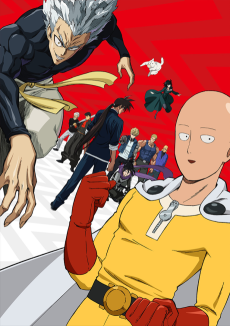
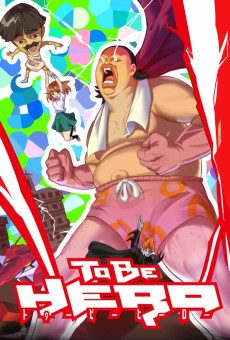
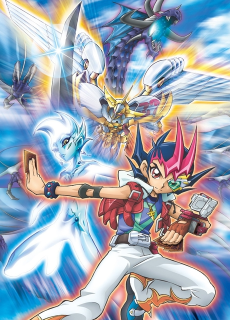
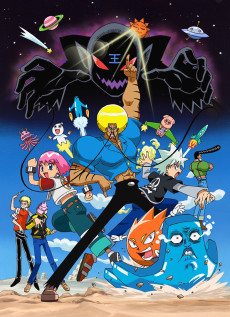
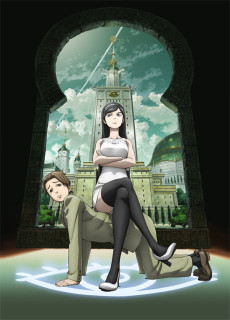
Saitama’s deadpan sigh after effortlessly vaporizing a planet-level threat mirrors Brick’s shrug as he shotgun-blasts a cybernetic warlord—both deflate epic stakes with absurd, grinning nonchalance. Unlike most dystopias that wallow in grimness, *Borderlands GOTY* and *One-Punch Man S2* weaponize 😂 Comedy & Parody to expose the hollow spectacle of power fantasies: Sanctuary’s neon chaos and Z-City’s bureaucratic hero rankings alike mock heroic mythmaking. That Season 2 leans into King’s delusional bravado while Borderlands revels in Tiny Tina’s chaotic DM energy makes their shared satire feel eerily, hilariously symbiotic.

Connected through 2 aesthetic dimensions.
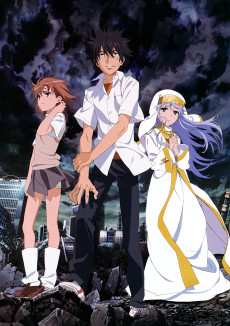
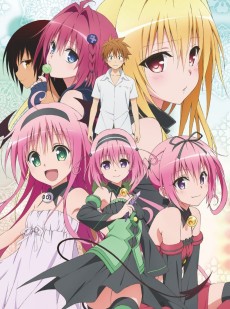
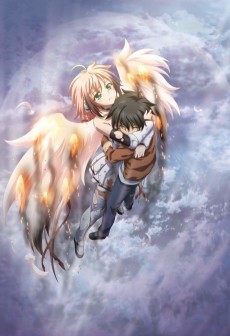
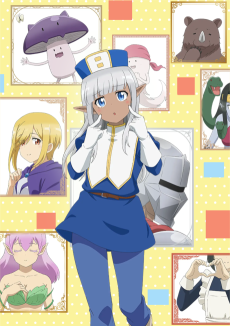
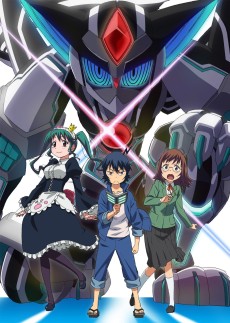
Index’s desperate rooftop sprint through Academy City’s neon-drenched rain—books burning in her mind, magic clashing with railgun physics—feels ripped from a Borderlands 2 vault mission where chaos isn’t just backdrop but narrative engine. 😂 Comedy & Parody thrives in both: Brick’s deadpan “I’m not a monster” echoes Stiyl’s exasperated incantations mid-brawl, while the absurd escalation of threats (a rogue esper cult vs. Handsome Jack’s corporate apocalypse) mirrors how each work weaponizes tonal whiplash. Where dystopia curdles into farce, sincerity survives—not despite the madness, but *because* of it.
Connected through 2 aesthetic dimensions.

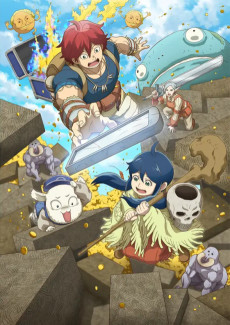
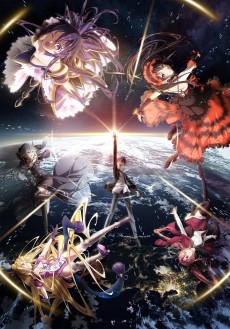
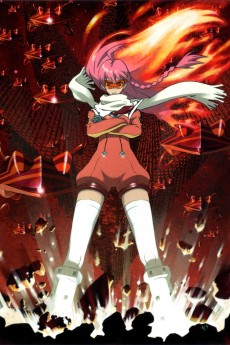
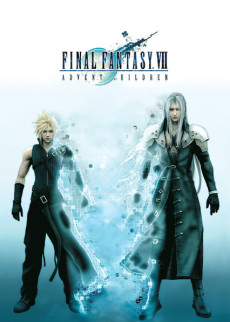
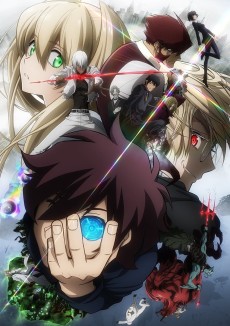
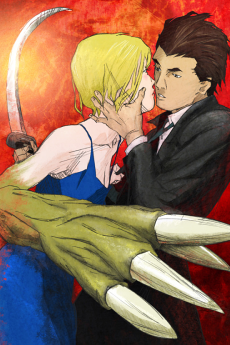
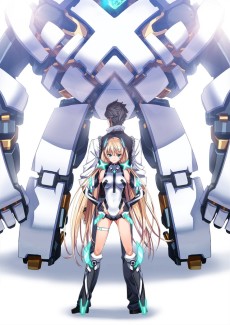
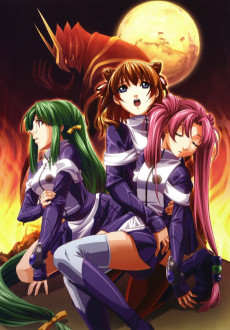
Ryuuko’s blood-soaked scissor-blade clash with Satsuki’s Kamui armor mirrors Lilith’s Siren powers erupting mid-brawl in Pandora’s dust-choked wastelands—both weaponize absurdity to dissect power structures. Where *Borderlands GOTY*’s Hyperion ads parody corporate dystopia with laser-sighted satire, *Kill la Kill*’s Honnōji Academy turns uniforms into sentient fascist tech, fusing 🌆 Cyberpunk & Dystopia with razor-edged farce. That shared commitment to chaotic, body-horror comedy makes their tonal whiplash feel like ideological kinship—not coincidence.












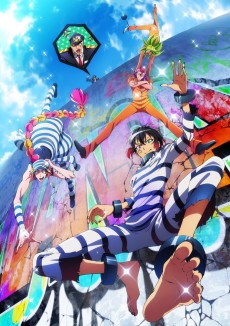
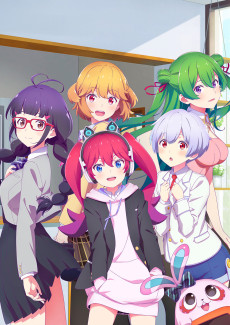
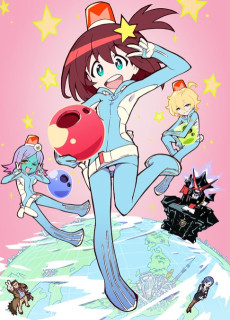
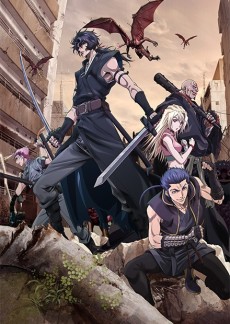


















Match Dimensions Explained
❓Frequently Asked Questions
Why is Gintama. Slip Arc recommended for Borderlands GOTY fans?
Because both lean hard into absurd, over-the-top chaos with genre-mashing energy—like when Gintama’s Yorozuya stumbles into a body-horror alien invasion arc while cracking jokes mid-battle, mirroring Borderlands’ tonal whiplash between grotesque enemy designs (e.g., the Psychos) and relentless one-liners. The Slip Arc’s sci-fi & occult layers even echo the game’s Vault Hunter lore and bizarre loot drops—imagine finding a ‘BFG-9000’-style weapon in-universe, but it’s just Katsura drunkenly wielding a laser katana.
Is there an anime adaptation of Borderlands?
No official anime adaptation exists—but Kill la Kill hits *so* close in spirit that fans often mistake it for one. Think Ryuko’s blood-soaked, weaponized school uniform evolving mid-fight like Borderlands’ skill trees, or Satsuki’s ruthless command style echoing Lilith’s siren leadership in co-op. Even the visual design—glitchy UI overlays, neon-drenched dystopia, and enemies exploding into confetti-like debris—feels ripped from Pandora’s wasteland.
How does One-Punch Man Season 2 compare to A Certain Magical Index II for Borderlands vibes?
Both nail the cyberpunk/dystopia + parody combo, but OPM S2 leans harder into chaotic action-as-comedy—like Genos’ explosive, RPG-style upgrade sequences mirroring Borderlands’ loot-driven progression, or Saitama casually obliterating a boss-tier monster while complaining about grocery prices. Index II trades that kinetic pacing for bureaucratic magic-tech satire (think: Academy City’s weaponized science labs vs. Hyperion’s corporate villainy), making it sharper on world-building but less ‘trigger-happy’ in execution.
What’s the best anime like Borderlands GOTY if I want that same ‘loot rush’ adrenaline high?
Mob Psycho 100 III—it’s got the exact dopamine hit of escalating power spikes and surreal spectacle. When Mob unleashes his psychic burst during the Divine Tree arc, shattering buildings with screen-shaking particle effects and randomized ‘level-up’ visual glitches? That’s pure Borderlands loot-drop euphoria. And just like finding a rare Jakobs sniper rifle with 3 random prefixes, every new psychic ability feels uniquely overpowered, unpredictable, and deeply satisfying to unlock.