
Mission: Yozakura Family
Taiyou Asano is a super shy high school student and the only person he can talk to is his childhood friend, Mutsumi Yozakura. It turns out that Mutsumi is the daughter of the ultimate spy family! Even worse, Mutsumi is being harassed by her overprotective, nightmare of a brother, Kyouichirou. What drastic steps will Taiyou have to take to save Mutsumi?! A spy family comedy - the mission begins!
(Source: MANGA Plus)
📺Anime Details
📝Editorial Analysis
The first time Taiyou Asano tries to hold Mutsumi’s hand—not as a confession, not as a gesture of romance, but as a desperate, trembling act of cover while her brother Kyouichirou looms behind them like a storm front in human form—you feel your own palms sweat. His fingers twitch, his breath hitches, and the background doesn’t blur into soft focus or swell with strings. Instead, the frame holds steady, slightly off-kilter, as if the camera itself is bracing for impact. A single bead of sweat rolls down Taiyou’s temple. Mutsumi smiles—warm, effortless—while Kyouichirou’s shadow stretches across the pavement like spilled ink. That’s the heartbeat of Mission: Yozakura Family: intimacy weaponized as camouflage, love disguised as tactical misdirection, and tenderness that hurts because it’s so fragile, so constantly under surveillance—not by governments, but by family.

What makes this anime vibrate with such peculiar energy isn’t its spy trappings or its shounen scaffolding—it’s the surreal weight of ordinary affection. Every glance, every shared bento, every flustered stammer carries the gravity of a covert op. The “espionage” isn’t about stolen blueprints or foreign agents; it’s about navigating the emotional minefield of being seen too much and not enough at once. You don’t laugh at the Yozakuras—you laugh with your throat tight, because their overprotectiveness, their absurdly lethal domestic rituals, their casual deployment of body horror (a sibling’s grin widening just a fraction too far, a hand gripping a doorknob until the wood splinters without effort) aren’t gags—they’re emotional truth made manifest. It’s dreadful tenderness, loving terror, domestic surrealism that never winks at the audience. It feels like living inside a love letter written in invisible ink—and every time someone reads it aloud, the paper catches fire.
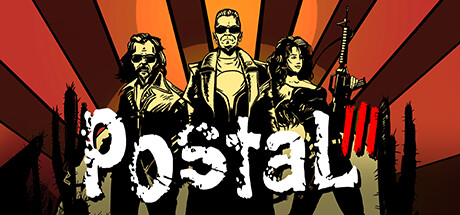
That same unstable alchemy lives in Postal III, where the line between “good” and “insane” isn’t moral—it’s atmospheric. Like Taiyou fumbling through a dinner with Mutsumi’s parents while Kyouichirou monitors his pulse via thermal imaging from the ceiling fan, the Postal Dude’s emigration to “Paradise” isn’t satire about chaos—it is chaos wearing a suit and holding a passport. The player review nails it: “It’s postal, so everything is weird.” Not despite the weirdness—but because of it. The game’s tonal whiplash mirrors how Mission: Yozakura Family treats trauma: not as backstory, but as ambient weather—always present, occasionally lethal, often hilarious when you’re too exhausted to scream.
Then there’s Bloody Good Time, where you’re cast in a slasher movie by the director, not as prey or hero—but as participant in the script. Just like Taiyou doesn’t choose to infiltrate the Yozakura compound; he’s drafted into Mutsumi’s life like an extra handed a prop gun and told, “Smile. Look natural. And whatever you do—don’t blink near Kyouichirou.” The player review calls it “nostalgic” and “iconic”—and yes, it’s that feeling: the warm, disorienting comfort of being fully immersed in a world whose rules shift mid-sentence, where horror wears clown makeup and love wears a tactical vest. You don’t win by overpowering the threat—you win by staying in character, by leaning into the absurdity until it becomes your oxygen.
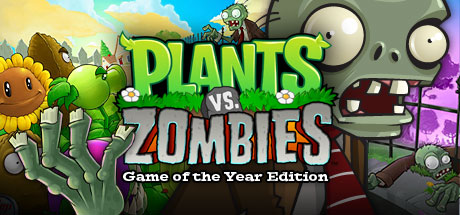
And Plants vs. Zombies GOTY Edition, with its cheerful, alien nursery of peashooters and cherry bombs defending your home—not a base, not a fortress, but your home—mirrors the Yozakuras’ entire ethos. Their espionage isn’t geopolitical; it’s curb appeal. Their superpowers aren’t for world domination—they’re for keeping the rice warm, silencing gossip, ensuring Mutsumi’s school lunch stays unopened until 12:03 p.m. sharp. The player review complains about bloated files and AI bloat—but what lingers is the clarity of purpose: zombies are coming, yes—but they’re coming here, to this porch, this windowsill, this quiet, sunlit kitchen where Taiyou finally manages to pour tea without spilling. The stakes are small, sacred, and violently, hilariously defended.
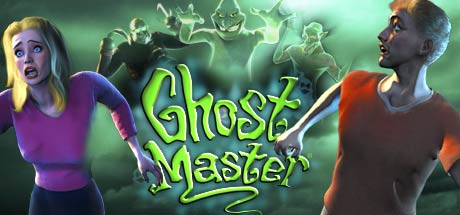
This is for the person who cries during a cooking montage in a spy anime—not because the food is good, but because the act of chopping scallions without flinching is the bravest thing anyone’s done all episode. It’s for the player who reloads Ghost Master® not to scare more citizens, but to watch one particular widow pause mid-sip of tea as a poltergeist gently rearranges her sugar cubes into a heart. It’s for those who recognize that love, fear, family, and farce aren’t genres—they’re frequencies. And sometimes, the most devastating mission isn’t behind enemy lines. It’s sitting across from the person you love, holding their hand like it’s a live grenade, smiling like it’s the easiest thing in the world—while your whole body screams run.
🎮18 Games That Match the Vibe










Match Dimensions Explained
❓Frequently Asked Questions
Why is Postal III listed as similar to Mission: Yozakura Family when they seem totally different?
Great question—it’s not about tone or plot, but about that same chaotic, rule-breaking *energy*: both lean hard into absurd comedy and body-horror-adjacent weirdness (like Yozakura’s shapeshifting spies vs. Postal III’s sentient tumors and Champ the pitbull chewing through logic itself). Reviewers even note how Postal III’s ‘everything is weird’ vibe mirrors Yozakura’s deadpan surrealism—plus both weaponize parody so relentlessly that genre conventions just melt away.
Is there a Mission: Yozakura Family video game adaptation?
Nope—not yet, and nothing’s been announced. But if one *did* happen, games like Ghost Master® (where you command gremlins and banshees to mess with civilians) or Bloody Good Time (where you’re literally cast in a slasher film full of improv chaos) feel like the closest spiritual blueprints—especially for Yozakura’s blend of espionage farce and supernatural slapstick.
How does Plants vs. Zombies GOTY compare to Ghost Master® for spooky-but-silly gameplay?
Both are comedy-first strategy games where the ‘horror’ is purely cartoonish—zombies trip over sunflowers, ghosts prank townsfolk with poltergeist pranks—but Ghost Master® leans more into *control* (directing specific spirits like grim spectres to scare targets), while PvZ is about rapid-fire plant placement and timing (peashooters vs. coneheads, cherry bombs mid-wave). Player reviews love them both for that ‘oldies are goldies’ charm and zero-seriousness.
What’s the best game like Mission: Yozakura Family if I want something that feels like hanging out with Strong Bad while fighting occult nonsense?
Strong Bad's Cool Game for Attractive People: Season 1 is *exactly* that—5 self-aware, fourth-wall-shattering episodes packed with sarcastic banter, ridiculous puzzles, and occult gags (like summoning a demon via poorly written email). It shares Yozakura’s rhythm of grounded character chemistry + escalating absurdity, and reviewers call it ‘wacky comedic adventures’—just swap Taro’s spy gear for Strong Bad’s keyboard and a can of Diet Coke.