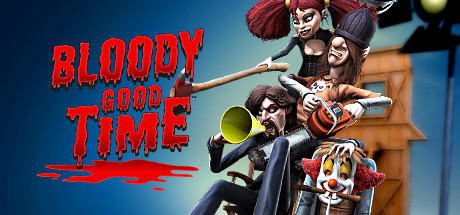
Bloody Good Time
Congratulations, you’ve just been cast in your first slasher movie by the notorious Director X!
🎮Game Details
💬What Players Say
"I love this game. I used to play it as a kid, so it’s really nostalgic for me. It’s such an iconic game and I’ll probably keep coming back to it for years."
"A classic game, I wish they would make a comeback RIP outerlight"
"Hot take this game might be better then tf2"
📝Editorial Analysis
The director’s voice crackles over the intercom—“Cut! No, no—keep screaming! That’s perfect!”—and you’re sprinting across a rain-slicked soundstage set dressed as a haunted asylum, rubber knife in hand, while your “victim” flails just convincingly enough before collapsing into a pile of foam and glitter. You’re not fighting for survival. You’re performing. You’re on script. You’re in on the joke, even as fake blood sprays in slow motion and someone else’s character gets “killed” with a pratfall so committed it earns applause from the unseen crew. This isn’t horror—it’s showbiz, drenched in neon greasepaint and self-aware absurdity. That’s Bloody Good Time: not a slasher game, but a slasher movie audition, where every gory gag is a callback, every death a punchline, and the most dangerous thing in the room is bad timing.
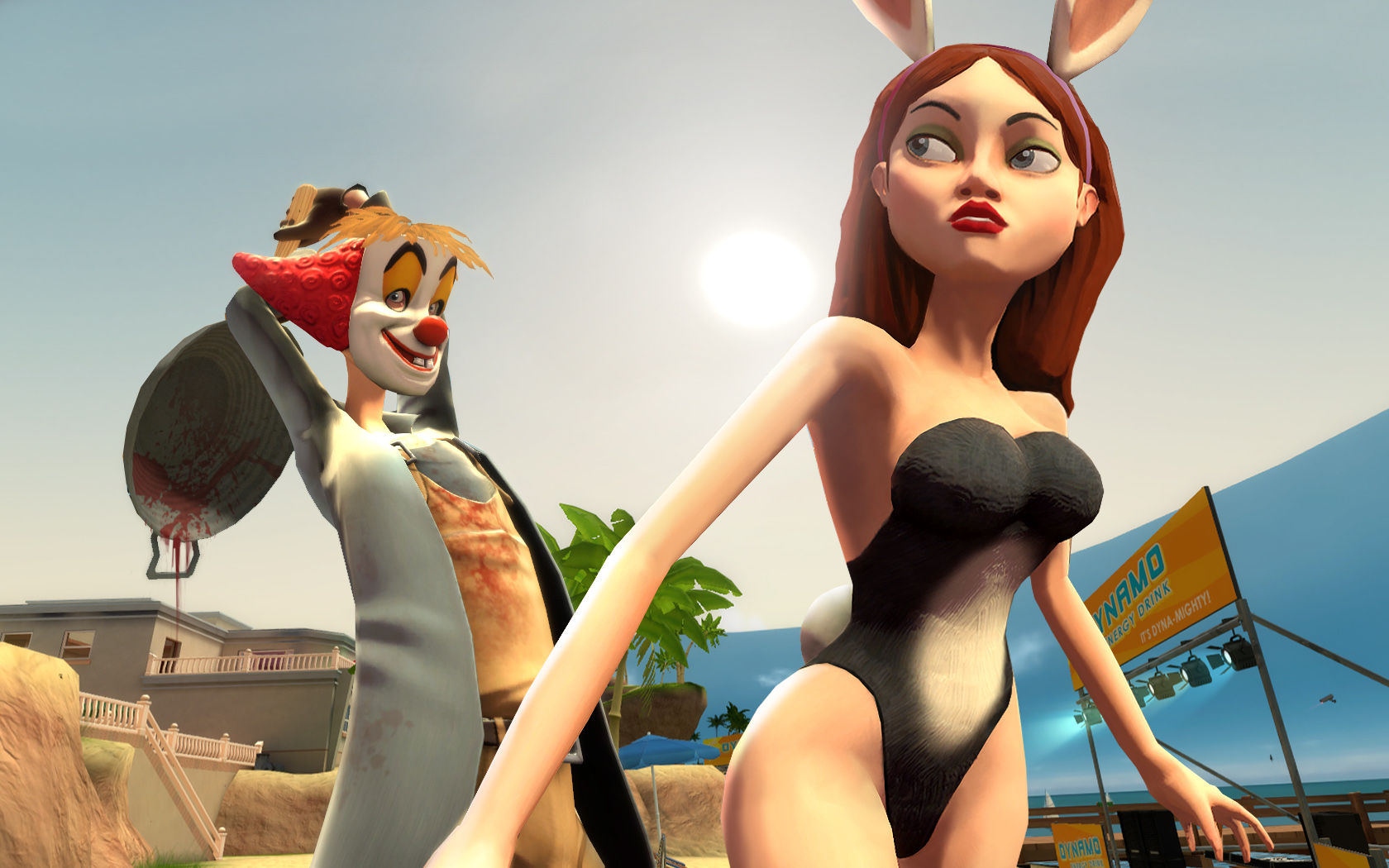
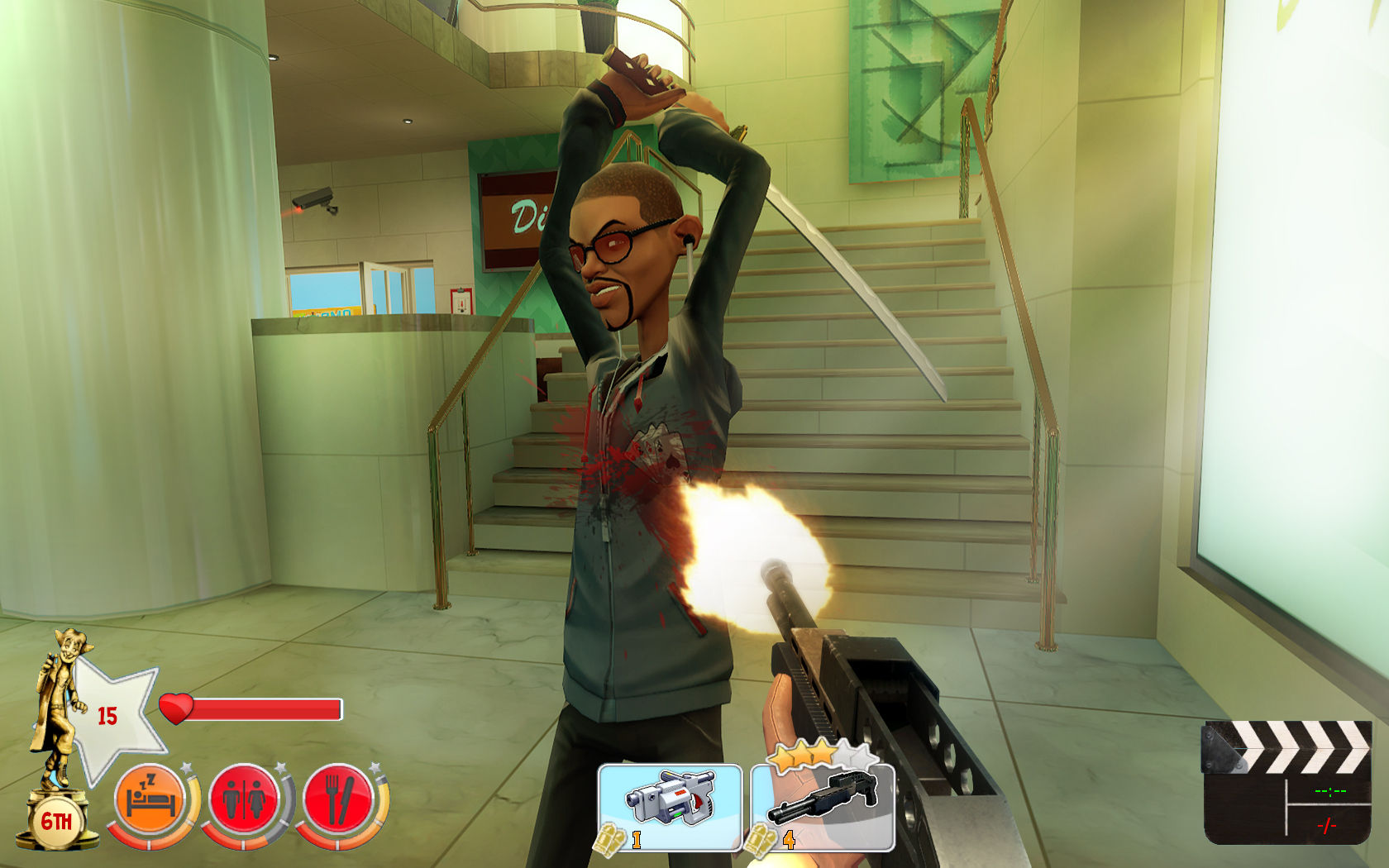
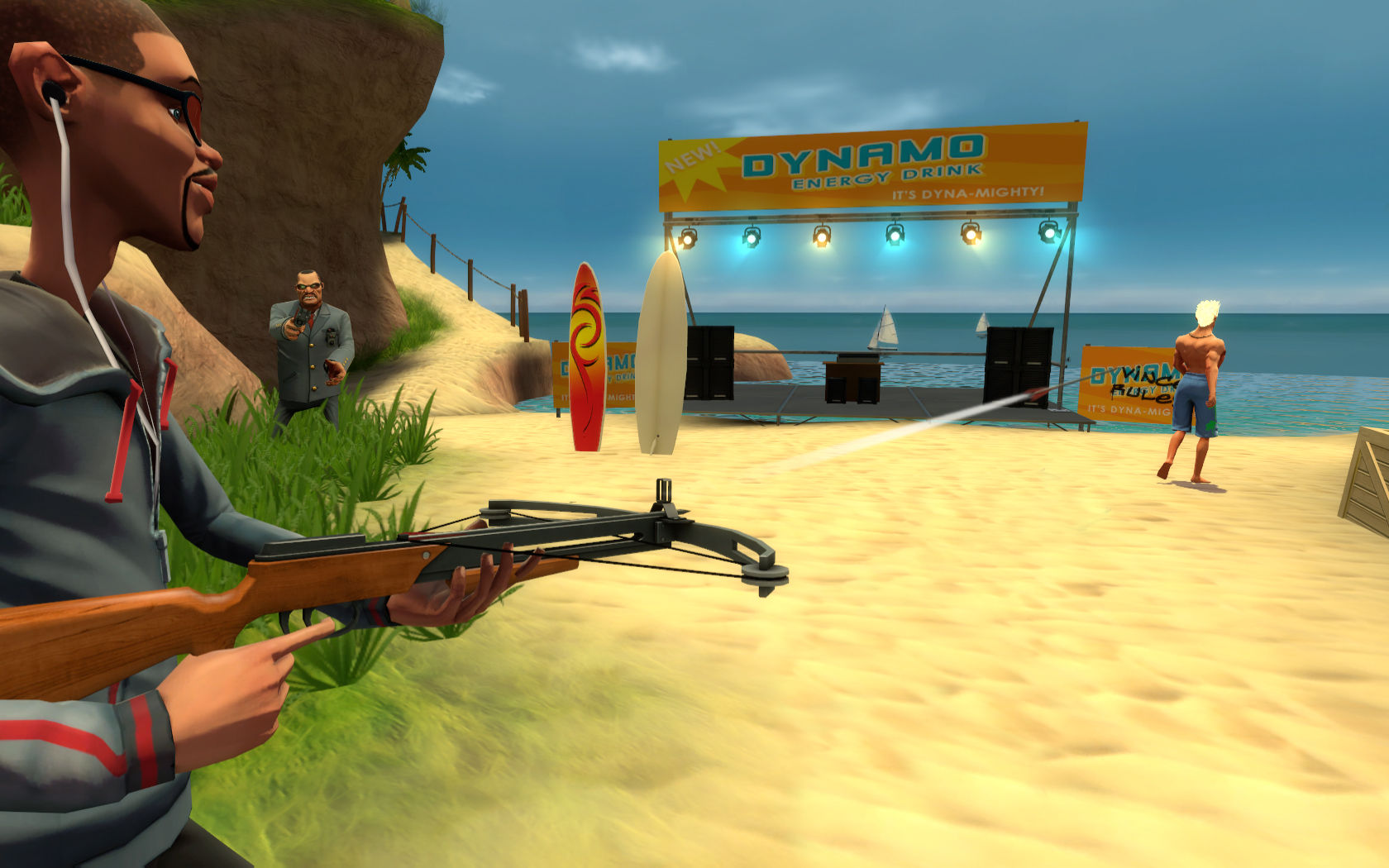
What makes this feeling so singular isn’t its multiplayer chaos or its retro-arcade sheen—it’s the giddy dissonance of treating violence like choreography. You don’t feel dread; you feel anticipation, like waiting for the next beat drop in a musical number. You don’t fear the killer—you negotiate with them, swapping roles mid-scene, improvising a chase when the director yells “More panic! Less logic!” It’s nostalgia as texture: that specific childhood thrill of playing dress-up with danger, where stakes are real only in how loudly you commit to the bit. The player reviews nail it—not “this game is scary” or “this game is deep,” but “I used to play it as a kid,” “it’s iconic,” “I’ll keep coming back.” That’s the emotional core: warm, communal, slightly unhinged ritual. It’s not about winning. It’s about staying in frame, staying funny, staying alive in the edit.
That same DNA pulses through Mob Psycho 100 III, where psychic battles erupt in hyper-stylized, cartoonish carnage—limbs stretch like taffy, faces melt into surreal grins, and every explosion is framed like a storyboard sketch meant to be paused and laughed at. The body horror isn’t grotesque—it’s elastic, exaggerated, a visual metaphor for emotional overwhelm turned into slapstick. Just like Bloody Good Time, the violence serves the comedy first, the occult second, and the “realism” not at all. When Mob’s hair floats mid-air and his eyes widen into perfect circles before unleashing a wave of energy that flattens buildings in perfect sync with a record scratch, it’s not terror—it’s punchline physics.
Then there’s Mission: Yozakura Family, where elite spies hide in plain sight as high schoolers—and their “cover identities” involve literally folding their bodies into briefcases, growing extra limbs to juggle grocery bags, or sprouting wings mid-lunch line just to catch a falling bento. The body horror here is domesticated, almost bureaucratic: grotesque transformations treated with the same deadpan seriousness as checking off a grocery list. Like Bloody Good Time’s actors who pause mid-gore to adjust a prop skull or wink at the camera, Yozakura’s characters weaponize absurdity as professional courtesy. The occult isn’t mystical—it’s logistical. The parody isn’t mocking genre tropes; it’s rehearsing them, like actors running lines before take one.
And Gintama.: Slip Arc—that fever-dream stretch where Gintoki’s entire reality glitches, time stutters, and characters peel themselves off walls like wet posters—hits the same note. One moment he’s dodging a sword strike, the next he’s holding the blade in his teeth while reciting haiku about expired milk. The body horror isn’t about decay—it’s about deconstruction: limbs detach, mouths open too wide, eyes blink out of sequence—not to unsettle, but to disrupt expectation, to force laughter through the cracks in continuity. It mirrors Bloody Good Time’s commitment to breaking the fourth wall not as a gimmick, but as a breathing technique: inhale chaos, exhale parody.
This isn’t for people who want clean genre boundaries or narrative gravity. It’s for the ones who rewatch the same five minutes of an anime because the background character sneezed in perfect rhythm with the bassline, who still have muscle memory for jumping just as the fake chainsaw revs, who know the exact millisecond to scream “CUT!” mid-fall so the director nods and says, “Yes—that’s the take.” It’s for fans who find joy in the artifice, who love watching a character’s arm turn into spaghetti and immediately ask, “How many frames did that take?”, who miss Outerlight not for what they built—but for how unapologetically silly they let the whole enterprise be. These pairings aren’t recommendations. They’re shared breaths—the kind you take right before the camera rolls, heart pounding, grin already in place, ready to make the blood look good.
→28 Anime That Match the Vibe

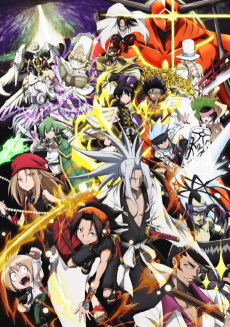
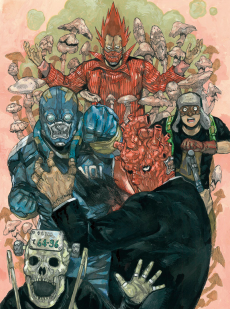
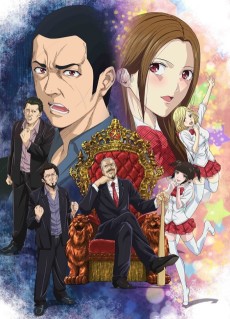
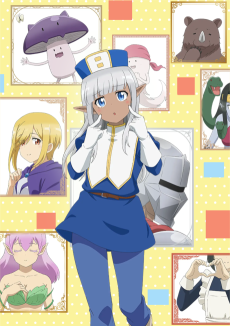
Director X’s chaotic film set—where fake blood sprays mid-take and actors improvise kills as crew scrambles—mirrors the divine tree’s grotesque, reality-warping bloom in *Mob Psycho 100 III*, where cult fervor twists bodies and logic alike. 😂 Comedy & Parody pulses through both: Mob’s deadpan bafflement at religious spectacle echoes the game’s meta-slasher absurdity, while Reigen’s grifts and X’s directorial mania weaponize self-awareness against sincerity. Unlike most occult stories, neither treats horror as grim—it’s elastic, hilarious, and deeply human.
Connected through 2 aesthetic dimensions.
Connected through 2 aesthetic dimensions.
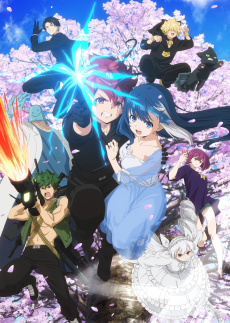
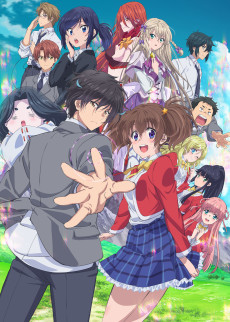
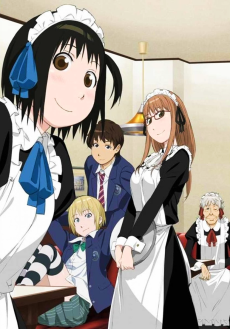
Mutsumi’s spy-family chaos—like her dad’s absurdly over-engineered disguises—collides with Director X’s meta-slasher set where fake blood squibs misfire and actors improvise kills mid-take. 😂 Comedy & Parody thrives in both: Taiyou’s crippling shyness contrasts violently with the Yozakura family’s theatrical espionage, just as Bloody Good Time weaponizes slasher clichés against itself. This mutual commitment to parody-as-structure—where body horror isn’t grotesque but *slapstick* (a severed finger reattached with duct tape; a “zombie” actor sneezing mid-gore)—makes their tonal kinship genuinely surprising.

Connected through 2 aesthetic dimensions.
Connected through 2 aesthetic dimensions.
Connected through 2 aesthetic dimensions.
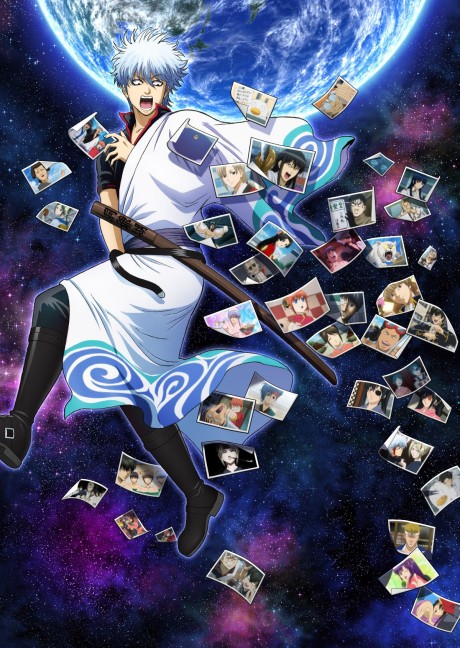
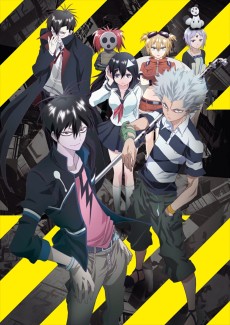
Porori’s watery onomatopoeia echoes the squelching gore of Bloody Good Time’s rubber-hose splatter—both weaponize absurdity to destabilize horror. Where Director X stages chaotic, self-aware slasher tropes, Gintama.’s Slip Arc mines unused manga chapters for deadpan body horror and meta-comedy, twisting genre expectations with equal glee. This mutual commitment to 😂 Comedy & Parody makes their tonal whiplash not just compatible, but electric: sincerity is the punchline, and the messier the carnage, the funnier the critique.

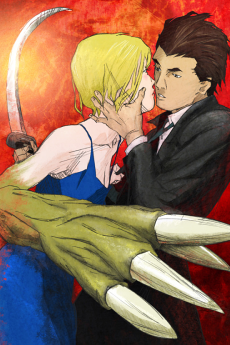
Director X’s chaotic film set—where actors wield rubber knives while arguing continuity—mirrors Karen Bee’s metafictional rampage through her own narrative logic. Unlike most parodies, *Nisemonogatari*’s Karen arc weaponizes comedy & parody not just for laughs but to dissect identity collapse, much like *Bloody Good Time* turns slasher tropes into a self-aware farce where body horror & occult absurdity (e.g., Tsukihi’s phoenix “rebirth” as literal theatrical resurrection) collide with deadpan irony. This pairing is thrilling precisely because both treat genre scaffolding as unstable, playful, and deeply personal.

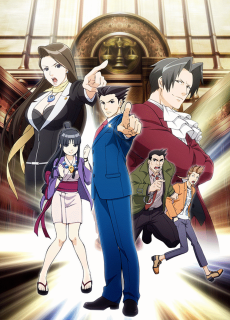
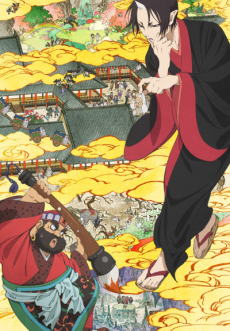
Director X’s chaotic film set—where actors wield rubber knives while dodging fake blood squibs—mirrors Paprika’s parade of melting faces and collapsing staircases, both weaponizing 😂 Comedy & Parody to destabilize narrative control. Unlike most slasher parodies, Bloody Good Time leans into body horror not for gore but for absurdity—just as Paprika’s movie-length climax fractures identity through recursive dream layers. That shared surrender to surreal logic, where parody *is* the psychological thriller, feels startlingly coherent—not coincidental.






Match Dimensions Explained
❓Frequently Asked Questions
Why is Mob Psycho 100 III on the 'Anime Like Bloody Good Time' list?
Because it nails that same chaotic, self-aware slasher-movie energy—like when Mob’s psychic powers go haywire during the Divine Tree arc and bodies contort in absurd, cartoonish ways while characters crack jokes mid-horror. It shares Bloody Good Time’s core DNA: over-the-top body horror played for laughs, parody of genre tropes (slasher/villain-of-the-week), and a cast who treat life-threatening chaos like improv comedy night.
Is there an anime adaptation of Bloody Good Time?
Nope—Bloody Good Time was a standalone multiplayer party game by Outerlight (RIP, per that fan review), never adapted into anime. But the matches they *did* inspire—like Mission: Yozakura Family—are basically what you’d get if Director X cast the Yozakura siblings as leads in a live-action slasher parody: think Kuroda’s cursed transformations and the family’s deadpan reactions to gore-as-gag.
How does NANBAKA compare to Gintama.: Slip Arc for Bloody Good Time vibes?
Both nail the ‘murderous mayhem as workplace sitcom’ vibe—but NANBAKA leans harder into literal prison-break slapstick (like Jyugo’s rubber-limbed escapes and guards exploding into confetti), while Gintama’s Slip Arc goes full meta-slasher with Kagura’s ‘blood-soaked ramen’ gags and the Shinsengumi turning their own HQ into a booby-trapped deathtrap. If BGT’s a game where you’re both killer and victim in the same match, NANBAKA’s the wackier cousin, Gintama’s the sarcastic elder sibling.
What’s the best anime like Bloody Good Time if I want nonstop absurd action + dark comedy?
Go straight to Nisemonogatari—it’s got Araragi’s snarky narration undercutting visceral, grotesque body horror (like Kiss-Shot’s dismemberment/reassembly scenes) while treating vampirism like a bureaucratic nightmare. That exact tonal whiplash—gruesome visuals undercut by deadpan irony and rapid-fire parody—is why it scored 63 on the match list, right alongside BGT’s blend of ‘oh god, a limb just detached’ and ‘lol, he’s filing a complaint about it’.