
Nisemonogatari
First season of the Monogatari Series, part 5/6. Contains the arcs Karen Bee and Tsukihi Phoenix from the Nisemonogatari light novels.
In Bakemonogatari, the story centered on Koyomi Araragi, a third year high school student who has recently survived a vampire attack and finds himself mixed up with all kinds of apparitions: gods, ghosts, myths, and spirits. However, in Nisemonogatari, we pick up right where we left off and follow Koyomi as the psychological twists delve deeper and deeper...
(Source: Aniplex)
📺Anime Details
📝Editorial Analysis
The fluorescent hum of a convenience store at 3 a.m., the plastic wrapper of a melon soda crinkling too loud, Koyomi Araragi’s voice cutting through it all—not with urgency, but with exhausted precision, dissecting Karen’s rage not as emotion but as syntax, as grammar gone feral. His words don’t comfort; they interrogate. She stands there, fists clenched, hair wild, eyes burning—not with tears, but with the sheer, unbearable weight of being understood too well, and still feeling unseen. That’s Nisemonogatari: not horror, not comedy, not even philosophy—but the surreal pressure of language collapsing under its own weight while bodies stay stubbornly, messily human.
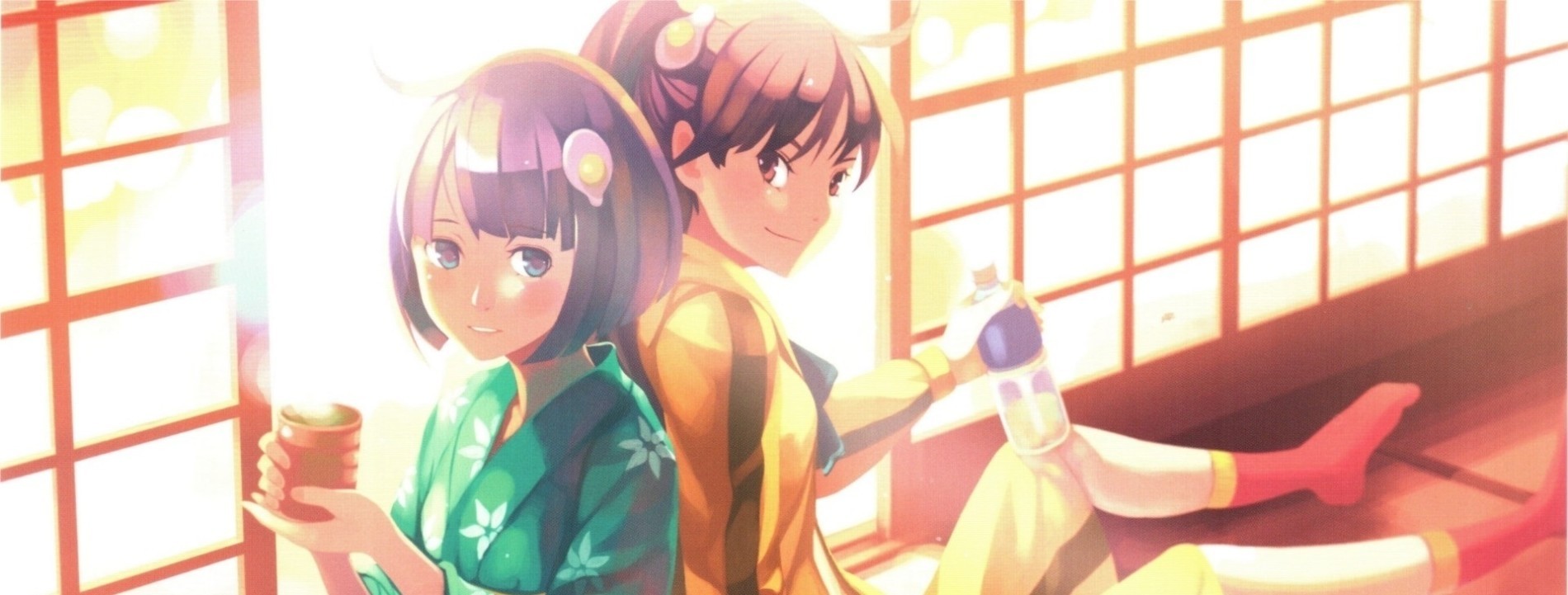
What makes it ache like this isn’t the vampires or the phoenixes—it’s how tightly it coils around intimacy as violence. Not physical, never quite—that would be too simple—but the violence of proximity: siblings sharing breath in a cramped apartment, girls leaning in just too close while parsing metaphors about fire and feathers, every glance weighted with unspoken history and unreturnable debt. It feels like standing inside a clockwork confession booth where time doesn’t tick—it stutters, repeats, fractures into overlapping monologues. You don’t watch it so much as overhear it—eavesdropping on thoughts that shouldn’t be spoken aloud, yet somehow must be, because silence would mean surrender to the hollow. It makes you feel unmoored, hyper-aware, guilty for listening, and desperate to understand—all at once.
That same dissonant resonance lives in Vampire: The Masquerade - Bloodlines. Its description calls it “Dark Fantasy, Body Horror & Occult, Adult & Dark Seinen”—but what mirrors Nisemonogatari isn’t the blood or the clans—it’s the psychological vertigo of trying to speak truth while your own body betrays you. Like Koyomi’s vampiric half-life, the player’s character is caught between human memory and monstrous instinct, their dialogue options often revealing more about fractured identity than plot progression. A player review nails it: “BUY IT ON GOG; if you want to use the steam version you need to download the unofficial patch…”—a line dripping with frustration, devotion, and repair work, just like Koyomi endlessly editing his own narrative to keep Karen and Tsukihi from shattering. Both demand you inhabit a self that’s perpetually patched, unstable, and talking itself into existence.
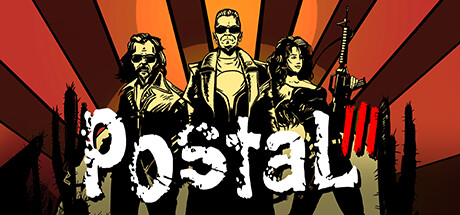
Then there’s Postal III, tagged “Comedy & Parody, Body Horror & Occult, Adult & Dark Seinen.” Its description frames the choice as “Good or Insane? The choice is yours.” That’s pure Nisemonogatari logic—Karen’s fury isn’t irrational; it’s structured irrationality, a system of ethics built on scorched earth. A player review shrugs: “It's not as bad as people say… yeah the story is a little weird but it's postal, so everything is weird…” That casual acceptance of weirdness as baseline—not as gag, but as operating system—is the anime’s heartbeat. Both treat absurdity not as relief, but as atmosphere: the air you breathe, the gravity you obey. When Tsukihi screams about feathered rebirth while kicking a vending machine, it lands with the same tonal whiplash as the Postal Dude arguing theology mid-gunfight—not funny because it’s silly, but funny because it’s terrifyingly sincere.
And Heretic: Shadow of the Serpent Riders, with its “Dark Fantasy, Body Horror & Occult” dimensions, echoes in quieter, sharper ways. You play “a heretic… one of the last Sidhe elves, and a capable mage,” hunting brothers who’ve corrupted reality itself. That’s Tsukihi’s arc in miniature—the “Serpent Riders” are the myths she’s inherited, the roles forced upon her, the very idea of “sister” twisted into something sacred and suffocating. Her quest isn’t vengeance—it’s reclamation of voice, of form, of selfhood from narratives written by gods and grandfathers alike. A player’s terse advice—“Pick up the remaster…”—mirrors how Nisemonogatari forces you to seek restoration, not resolution: the remaster isn’t better graphics—it’s the chance to hear the subtext clearer, to catch the tremor in Koyomi’s voice when he says “I’m your brother” for the tenth time, knowing full well it’s both true and unbearably insufficient.
This pairing isn’t for fans of “cool powers” or “epic battles.” It’s for the ones who replay a single dialogue tree three times just to hear how the pause shifts meaning. For readers who underline sentences not for plot, but for how the commas make their throat tighten. For players who save before every conversation—not to avoid failure, but to savor the weight of choice that changes nothing, yet changes everything. They’re the ones who know intimacy isn’t closeness—it’s the terrifying clarity of seeing someone’s cracks, and realizing your own are just as visible. They don’t want escape. They want the hum of the convenience store at 3 a.m.—and the courage to stay inside it, listening.
🎮132 Games That Match the Vibe

























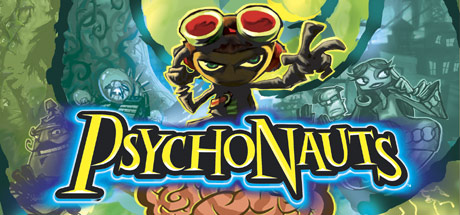
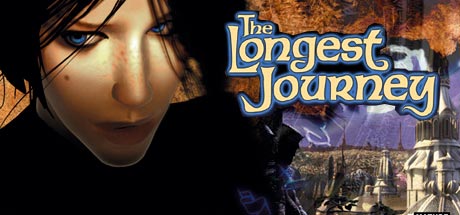
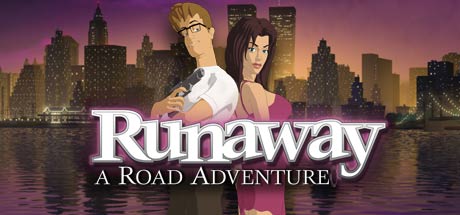
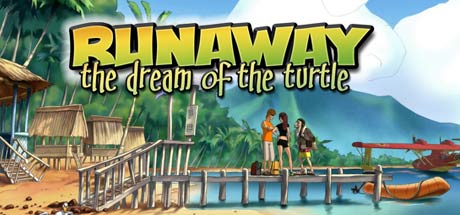











Match Dimensions Explained
❓Frequently Asked Questions
Why does Vampire: The Masquerade - Bloodlines keep coming up in Nisemonogatari game recommendations?
Because both lean hard into adult, dark-seinen vibes with morally gray characters navigating layered occult conspiracies—think Nisemonogatari’s Kanbaru’s body horror arc or Senjougahara’s cursed stairwell, mirrored in Bloodlines’ vampiric degeneration scenes and the Malkavian asylum sequence. It’s not about anime aesthetics, but that same tonal tightrope: witty dialogue masking existential dread, plus a deeply flawed protagonist making messy choices in a decaying world.
Is there a visual novel adaptation of Heretic: Shadow of the Serpent Riders?
No—Heretic is a classic first-person dungeon crawler (remastered in 2023), not a visual novel, and has never been adapted into one. But if you love Nisemonogatari’s blend of eldritch dread and snarky, lone-wolf protagonist energy, Heretic’s Sidhe elf mage—cursing the Serpent Riders while blasting cultists with arcane fire—hits that same ‘cynical occultist on a revenge bender’ note, just in real-time combat instead of dialogue trees.
How does Disciples II: Gallean's Return compare to Drakensang for Nisemonogatari fans?
Disciples II leans into grand, melancholic JRPG narrative with slow-burn worldbuilding and tragic faction arcs—like Nisemonogatari’s layered flashbacks and emotional weight—while Drakensang feels more grounded and system-heavy, like a tabletop session translated to PC (think Araragi’s dry monologues meeting DSA rulebook precision). Both nail the ‘adult dark fantasy’ dim, but Disciples II’s atmospheric dread and lore-dense cutscenes resonate closer with Monogatari’s pacing and tone.
What’s the best game like Nisemonogatari if I want that mix of absurd comedy and unsettling body horror?
Postal III—it’s the only match that explicitly layers Comedy & Parody *with* Body Horror & Occult *and* Adult & Dark Seinen. The Postal Dude’s escalating, cartoonish gore (like his arm detaching mid-rant) and Champ the pitbull’s unhinged loyalty echo Nisemonogatari’s tonal whiplash—where Kanbaru’s monkey paw curse flips from hilarious to horrifying in one line. Just brace for its intentional chaos; it’s not polished, but it *gets* the vibe.