
Oddworld: Abe's Exoddus®
Abe's peaceful retirement was shattered when visited by a vision from the Mudokon Spirit Guides. Abe™ learned the Magog Cartel was mining Necrum, the sacred Mudokon city of the dead, to collect bones to make super-addictive SoulStorm Brew.
🎮Game Details
💬What Players Say
"this game is very VERY OLD yet SO FUN was my child hood game so this game is so fun and nostalgic very very good"
"10/10 I cried when i beat it because I can't experience it for the first time again. note: download the RELIVE mod before playing. It makes the game work on modern hardware."
"fun and interesting 2nd game of the oddworld series, love it"
📝Editorial Analysis
The first time Abe steps into Necrum—where the Magog Cartel’s drills gnaw at sacred Mudokon bones beneath the earth—you don’t hear music. You hear grinding. A low, wet, metallic rasp, like teeth on stone, vibrating up through your controller. That sound isn’t just audio design—it’s grief made audible. The official description tells us Abe’s retirement was shattered, not interrupted; his peace didn’t fade—it splintered. And when Player Review 2 says they cried after beating Oddworld: Abe's Exoddus®, it wasn’t for triumph. It was for the hollow echo left behind—the ache of having witnessed something ancient and tender being mined, literally, for profit and addiction. That’s the core sensation: sacred ground turned into raw material, and you, small and barefoot, trying to pull it back together one rescued Mudokon at a time.
This isn’t dystopia as spectacle. It’s dystopia as texture: cracked mud walls slick with condensation, flickering neon signs in Slig-run bars bleeding purple onto damp cobblestones, the sudden, jarring pop of a SoulStorm Brew can opening—not cheerful, but clinical, addictive, wrong. The game doesn’t ask you to win. It asks you to witness, then intervene, then mourn, then persist. Its atmosphere lives in that liminal dread where absurdity and sorrow share the same breath—where a Slig’s rubbery, bulbous head is both grotesque and pitiful, where a factory floor hums with industrial logic while bone dust floats like ash in the light. You feel tired, yes—but also fiercely tender, because every Mudokon you save isn’t just a point or a checkpoint. They’re quiet, wide-eyed, trembling. They remember what was taken. And you do too.
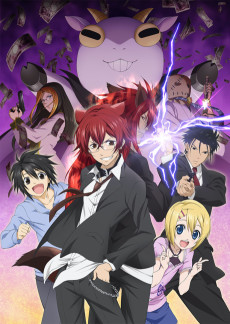
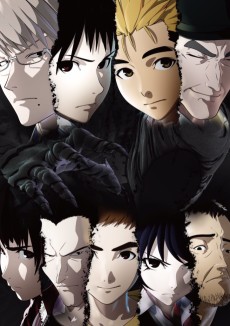
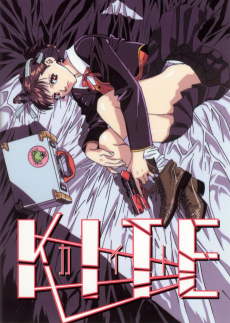
That exact tonal alloy—neon noir grit fused with body horror vulnerability and comedy & parody as both shield and scalpel—resonates fiercely in Paprika, where dreams leak into reality like ink in water, and identity unravels not with screams, but with surreal, giggling disintegration. Like Abe navigating the hallucinatory corridors of Necrum’s spiritual underbelly, Paprika moves through spaces where the sacred and the profane are indistinguishable—shrines built inside vending machines, gods wearing corporate logos. Both treat trauma as architecture: you walk through it, get lost in it, and sometimes, laugh so you don’t collapse. Then there’s NANBAKA, where prison uniforms gleam under fluorescent tubes like sacrificial robes, and authority figures are cartoonish yet terrifying—not because they’re powerful, but because their logic is unassailable, bureaucratic, bone-deep. The shared dimension isn’t just “neon noir” as lighting—it’s the glare of systems that reduce beings to inputs: Mudokons to bone stock, inmates to case numbers, souls to brew yield. And Gintama.: Slip Arc lands with that same off-kilter precision: a samurai slicing through alien tentacles while muttering about rent, a cosmic horror revealed via a poorly translated manual, the profound weariness beneath every gag. Here, body horror isn’t shock—it’s exhaustion made flesh, just as Abe’s stubby limbs and ragged breath remind you he’s not a hero. He’s a survivor who keeps choosing kindness in a world engineered to erase it.
These pairings aren’t for fans of “cool powers” or “epic battles.” They’re for the person who pauses mid-gameplay to watch a Mudokon shiver in the rain—and rewinds to give them an extra blanket. For the viewer who laughs at Gintoki’s nonsense, then stares at the ceiling afterward, thinking about how hard it is to stay soft in a hard world. For the one who watches Paprika’s parade of fractured selves and feels recognized, not confused. They’re for people who understand that tenderness is the most radical act in a system built on extraction—and that nostalgia, like the RELIVE mod Player Review 2 insists on, isn’t about going backward. It’s about preserving the feeling of first realizing that something sacred is under siege—and choosing, again and again, to kneel beside it.
→87 Anime That Match the Vibe
Connected through 3 aesthetic dimensions.

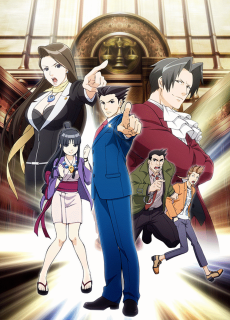
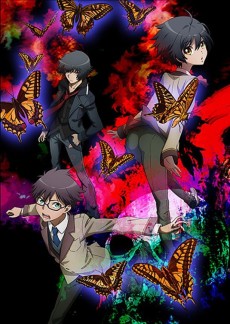
Abe’s descent into Necrum—where skeletal Mudokon remains pulse with eerie bioluminescence amid industrial decay—mirrors Paprika’s surreal parade of melting mannequins and fractured corporate logos invading dreamspace. Where Abe’s body horror emerges from exploited labor and desecrated sacred bones, Paprika weaponizes neon noir to expose psychological colonization by technology. Their shared 😂 Comedy & Parody isn’t just tonal relief—it’s a razor-sharp tool dissecting systemic dehumanization, making the pairing jarringly brilliant.
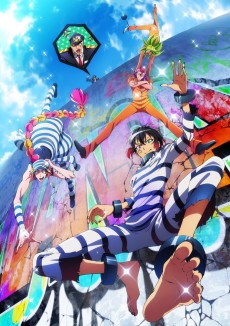
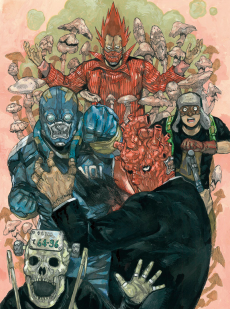
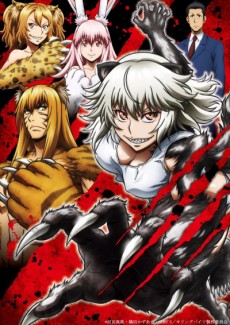
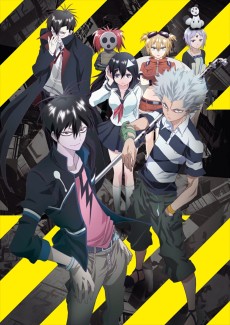
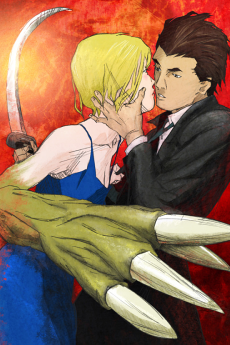
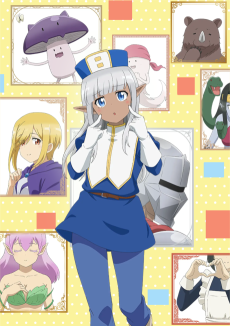
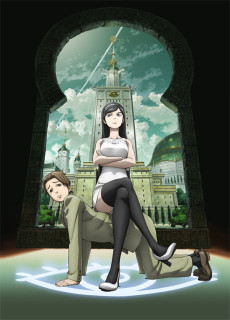
Abe’s trembling hands clutching a stolen bone from Necrum’s glowing ossuaries mirrors Juugo’s frantic scramble through NANBAKA’s fluorescent prison corridors—both trapped in systems that commodify the sacred and grotesque. Where Abe’s body horror emerges from Mudokon spirit possession and industrial desecration, NANBAKA weaponizes neon-noir absurdity to warp incarceration into surreal farce: Rokku’s elastic limbs contort like living scaffolding amid flickering holographic guards. This pairing is startlingly coherent—not despite but *because* their comedy & parody erupt from visceral, bodily violation.
Connected through 3 aesthetic dimensions.
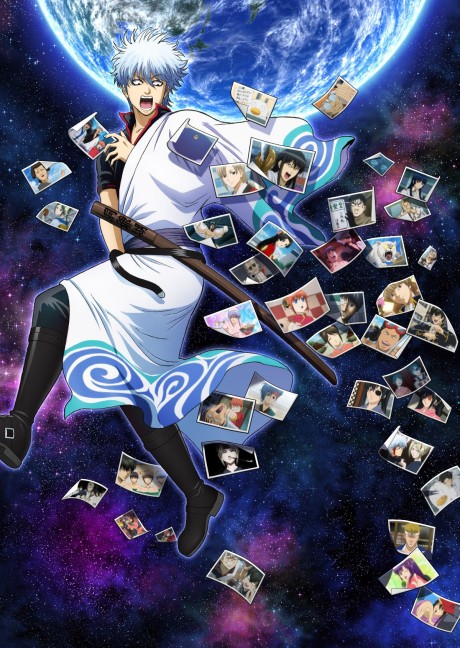
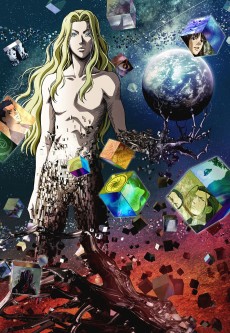
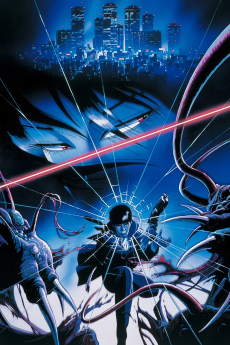
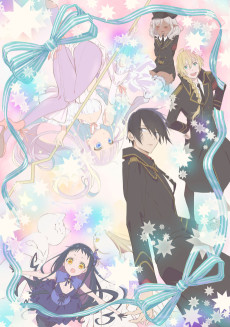
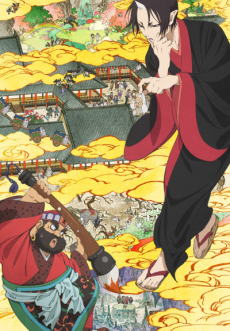
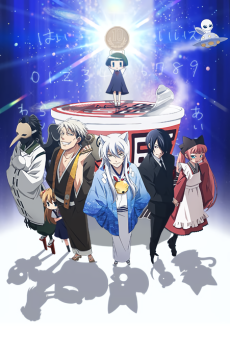
Abe’s horrified discovery of Necrum’s bone-mining—where sacred Mudokon remains are pulverized into “Soulstorm Brew”—mirrors Porori’s eerie, water-sound-driven descent into the occult underbelly of Edo’s paranormal district. Unlike most comedies that soften body horror, *Slip Arc* leans into grotesque transformation just as *Abe’s Exoddus* weaponizes it—both using 👻 Body Horror & Occult to expose corporate and spiritual exploitation. That collision of absurdity and dread feels startlingly coherent: laughter cracks open to reveal rot beneath.
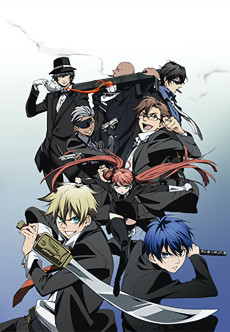
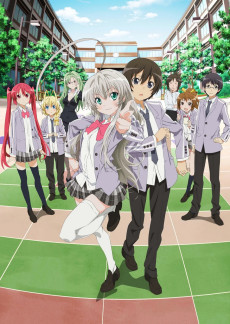
Connected through 2 aesthetic dimensions.
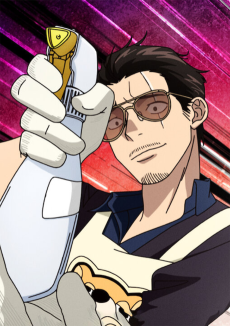
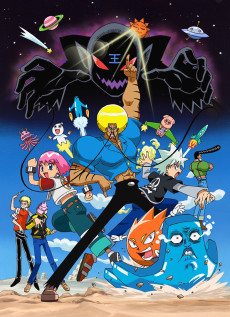
Connected through 2 aesthetic dimensions.
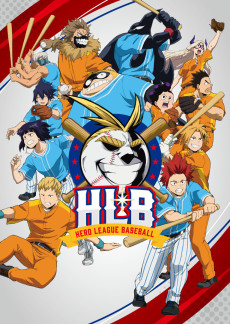
Connected through 2 aesthetic dimensions.

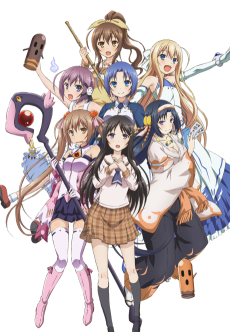
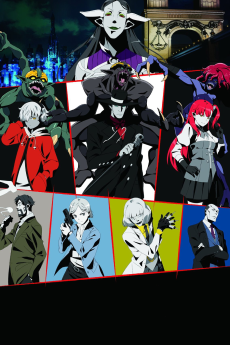
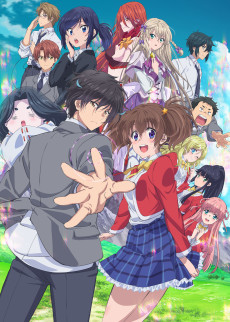
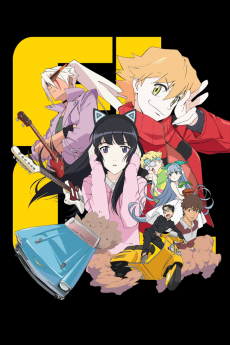
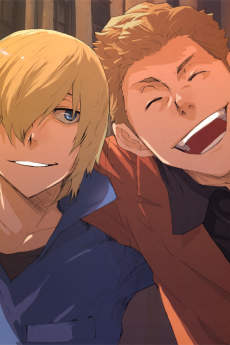
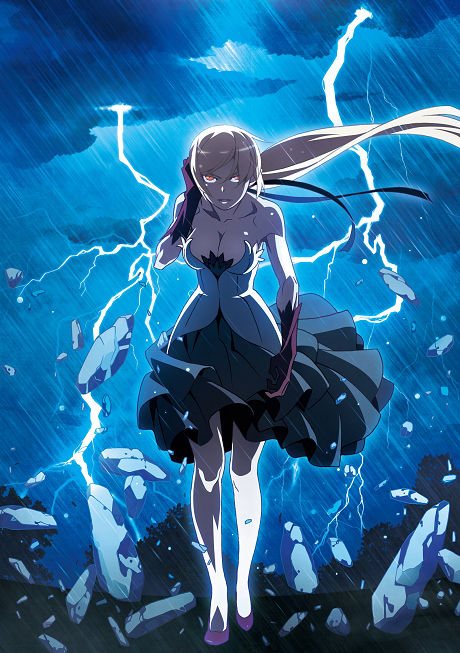
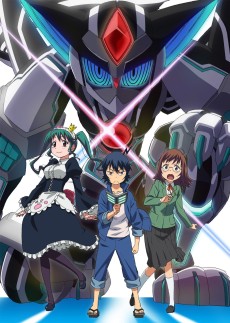
Abe’s frantic sprint through Necrum’s bone-littered catacombs—glowing glyphs flickering under neon-tinged gloom—mirrors Hikaru’s poison-drenched rooftop chase in *MARRIAGETOXIN*’s Episode 7, where cherry blossoms dissolve into pixelated static. 😂 Comedy & Parody binds them: absurd bureaucratic horror (Magog Cartel memos vs. Five Families’ marriage contracts) weaponizes corporate and feudal ritual alike. Unlike most satire, neither flinches from sacred desecration—bones *and* betrothals treated as extractable commodities—making their neon-noir despair weirdly, darkly jubilant.
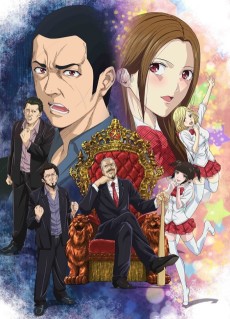
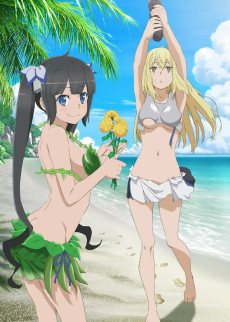
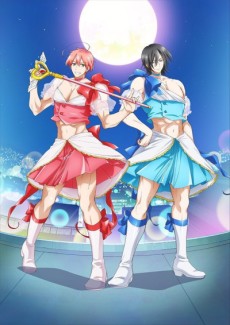
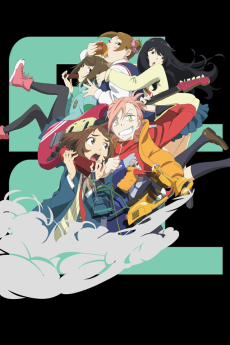
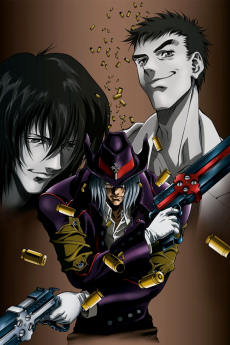
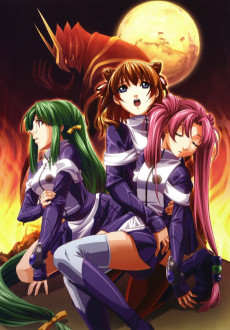
Abe’s trembling hands clutching a stolen Soulstorm Brew bottle—glowing neon-green against Necrum’s bone-strewn dark—mirrors Rika’s first stage stumble in *GOKUDOLS*’s glitter-drenched, sweat-slicked debut concert. Where Mudokon spirit guides manifest as grotesque, floating skulls whispering prophecy, the yakuza-turned-idols confront their own body horror through Thai clinic scars and hormonal dissonance—both using 🌃 Neon Noir lighting to frame spiritual crisis as pop spectacle. That shared 😂 Comedy & Parody doesn’t soften the pain; it weaponizes absurdity to expose exploitation’s hollow core.




























Match Dimensions Explained
❓Frequently Asked Questions
Why does Paprika keep coming up when I search for anime like Oddworld: Abe's Exoddus?
Paprika nails that same surreal, body-horror-tinged corporate dread—like when Abe stumbles into the Magog Cartel’s bone-mining tunnels beneath Necrum and sees Mudokon skeletons repurposed as SoulStorm Brew ingredients. The way Paprika visualizes invasive psychic manipulation and grotesque physical transformation (think the parade scene with melting faces) mirrors how Exoddus weaponizes sacred spaces and bodily autonomy—both are darkly comedic yet deeply unsettling critiques of exploitation.
Is there an anime adaptation of Oddworld: Abe's Exoddus?
Nope—there’s never been an official anime adaptation of Abe’s Exoddus (or any Oddworld game), despite decades of fan petitions and that haunting 'RELIVE mod' nostalgia wave from players who cried after beating it. But the closest spiritual cousins are anime like NANBAKA and Back Street Girls -GOKUDOLS-, which channel the same neon-noir absurdity and visceral body horror—like when Mudokons get turned into living SoulStorm Brew vats, or when NANBAKA’s inmates undergo cartoonishly brutal, identity-shattering 'reforms'.
How does Gintama.: Slip Arc compare to Oddworld: Abe's Exoddus in tone?
They’re both tonal whiplash masters: Gintama’s Slip Arc flips from slapstick (Katsura’s explosive tantrums) to gut-punch existential dread (the Shinsengumi’s soul-crushing loyalty oaths), just like Exoddus pivots from Abe’s goofy chant-singing to the horror of Necrum’s desecrated tombs and Mudokon ghosts weeping over their own bones. Both use sci-fi scaffolding to expose systemic cruelty—whether it’s the Magog Cartel grinding sacred dead into addiction fuel or the Bakufu commodifying samurai honor into disposable propaganda.
What’s the best anime like Oddworld: Abe's Exoddus if I want that mix of nostalgic melancholy and weird corporate satire?
MARRIAGETOXIN is your sweet spot—it’s got that same retro-futuristic, slightly broken charm (like playing Exoddus on a CRT monitor with the RELIVE mod), plus razor-sharp parody of exploitative systems: think SoulStorm Brew’s addictive soul-extraction vs. MARRIAGETOXIN’s marriage-as-corporate-branding scheme. And just like Abe’s quiet moments staring at the ruins of Necrum, MARRIAGETOXIN slips in sudden, tender stillness—like a character pausing mid-scheme to remember who they used to be before the system chewed them up.