NecroVision
War is Hell. NecroVision is a first-person shooter that takes gamers across the frantic battlegrounds of World War I and into a dark underworld of vampires, demons and dark magic.
🎮Game Details
💬What Players Say
"Unfortunately I can't say much. A pretty bold concept for a noticeably low budget but that's not my problem because you don't play a game like this for a riveting story. You play it because its mindless fun boomer shooter type beats and it does do that for the first half...."
"This game is amazing, horrible, insane and unique. The first part where you play in WW I trenches is mid. I think that this part is way too easy...."
"Country Boy in World War 1 fights zombies and demons and becomes a vampire god."
📝Editorial Analysis
The stench of wet wool, cordite, and something wrong—like burnt sugar and rotting meat—clings to your throat as you crouch in the mud of a WWI trench, pistol held sideways, fingers already twitching for the next spray of bullets. You’re not a hero. You’re a country boy, raw and unmoored, watching shells scream overhead before the ground splits open—not with shrapnel, but with teeth. Then the vampires come. Not elegant, not ancient—hulking, snarling things with cracked porcelain skin and eyes like smoldering coals, rising from the same muck that swallowed your squad. This isn’t history. It’s inversion: war stripped of glory, then infected—not with ideology or trauma alone, but with literal, gnashing occult biology. That moment—pistol cocked sideways, boots sinking into blood-soaked clay while a demon’s jaw unhinges inches from your face—is NecroVision’s heartbeat.
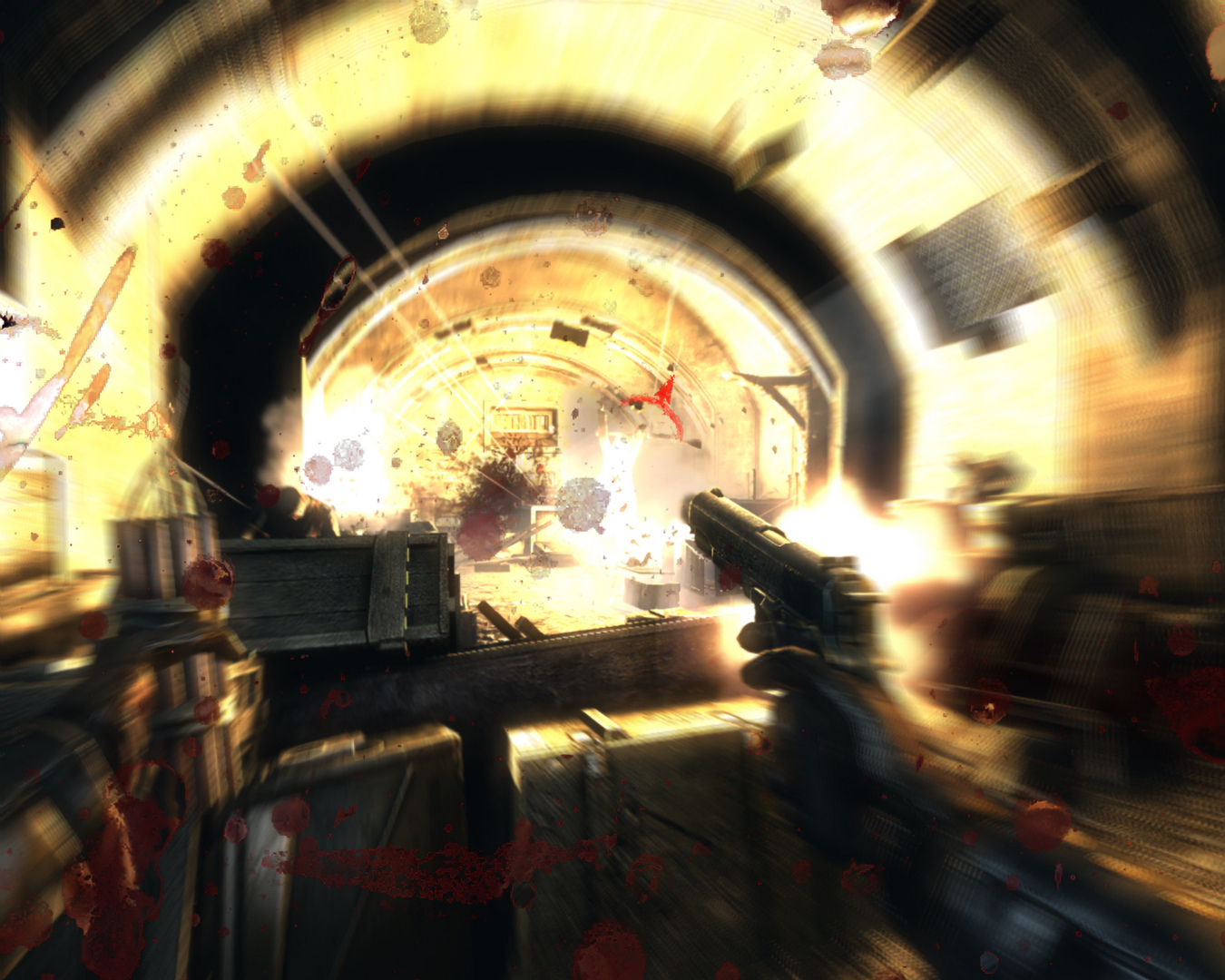
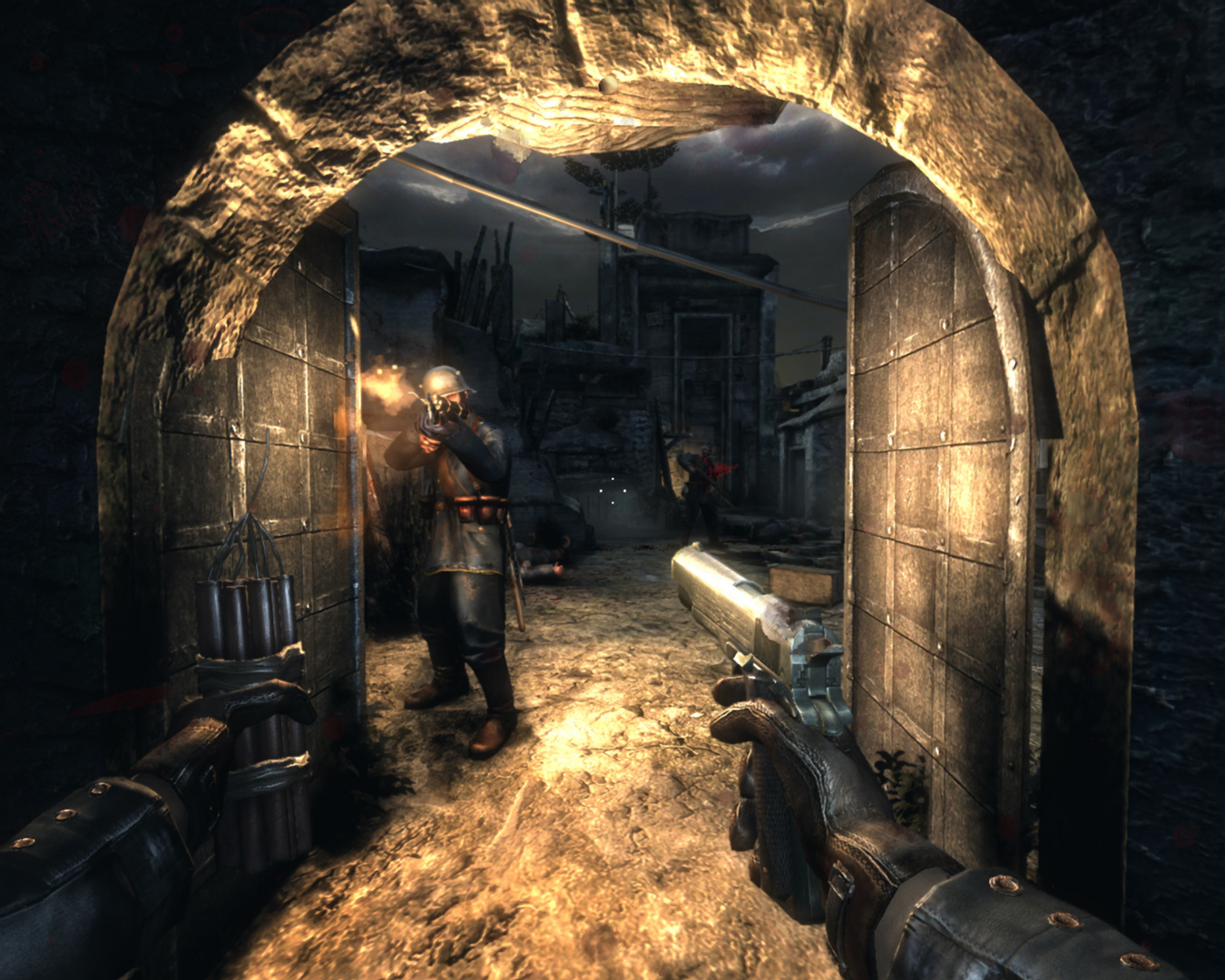
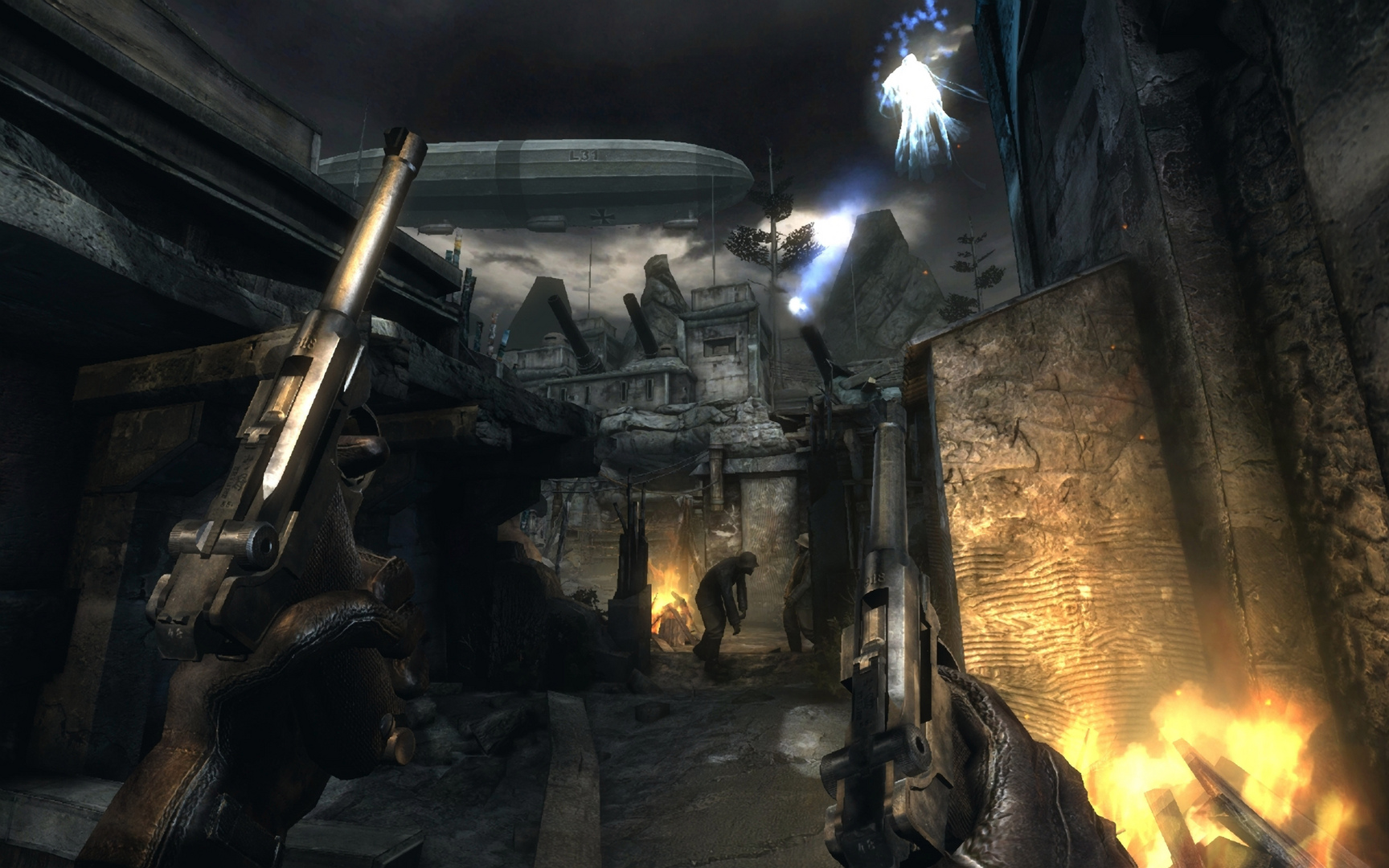
What makes it ache is its grime-slicked sincerity. It doesn’t wink. It doesn’t parody. It commits—fiercely—to the absurdity of its own premise: that the horror of industrialized slaughter naturally bleeds into vampiric mutation and demonic incursion. You feel the weight of cheap boots, the jank of low-budget animation, the dissonance of trench realism colliding with gothic overkill—and instead of breaking immersion, it deepens it. This isn’t escapism. It’s amplification: war made viscerally grotesque, then supernaturally inevitable. You think about how easily myth colonizes trauma—how soldiers whispered of “ghost divisions” and “blood-mad berserkers” long before CGI. NecroVision doesn’t ask you to believe in vampires. It asks you to believe in the logic of them emerging from the mud of Ypres.
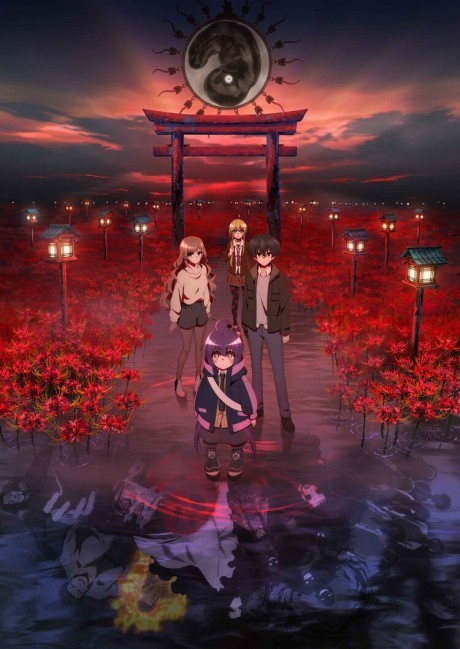
That emotional DNA—the raw, unvarnished fusion of wartime grit and bodily violation—resonates fiercely with Tokyo Ghoul √A, where Kaneki staggers through rain-slicked alleys, his body betraying him in real time: ribs cracking as new organs bloom, fingernails blackening into claws, every meal a violent negotiation between human memory and ghoul hunger. Like the country boy firing sideways in the trenches, Kaneki’s violence is awkward, desperate, physical—not choreographed, but wrenched from flesh. Both weaponize body horror not as spectacle, but as consequence: war and transformation leave scars you feel in your knuckles.
Then there’s Record of Lodoss War, whose early OVA battles aren’t polished ballets—they’re muddy, claustrophobic scrambles where swords snag on armor, spells misfire with sickly green sparks, and demons don’t roar; they gurgle, their limbs twisting at impossible angles as dark magic rewrites anatomy mid-combat. The “vampiric fortress” section praised by the player review—where tension spikes, pacing tightens, and the rules of physics fray—mirrors Lodoss’ descent into cursed catacombs: tactical, yes, but tactically desperate, where every corridor hides a mutation, every spell a cost in flesh. Both treat the occult not as lore, but as terrain: unstable, contagious, sticky.
And Chainsaw Man – The Movie: Reze Arc pulses with the same fever-dream rhythm: the sudden lurch from grounded dread (a girl hiding in a bombed-out apartment) to visceral, almost slapstick carnage (a head exploding into petals, then reforming as thorny vines). Reze’s body isn’t just weaponized—it’s negotiated, reconfigured, violated by contracts that feel less like deals and more like battlefield triage. Just like the country boy who becomes a vampire god not through ascension, but through accumulated damage, Reze’s power emerges from surrender—to pain, to utility, to the sheer mess of surviving when reality itself is fraying at the seams.
This pairing sings to the viewer who keeps a first-aid kit and a grimoire on their nightstand—who flinches at the sound of distant fireworks but leans in when a character’s spine cracks mid-transformation. It’s for the player who replays the trench section not for challenge, but for the texture of that mud underfoot, and the anime fan who rewinds Kaneki’s first failed meal not for gore, but for the tremor in his wrist as he tries—and fails—to hold chopsticks like a human. They don’t crave polish. They crave pressure: the kind that forces flesh to split, history to curdle, and belief to warp—until the line between soldier and monster isn’t drawn in ink, but in scabbed-over wounds.
→84 Anime That Match the Vibe

The body as a site of transformation and terror — both push physical boundaries.
The body as a site of transformation and terror — both push physical boundaries.

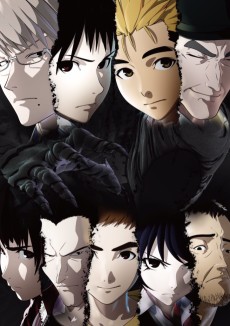
Ken Kaneki’s blood-soaked, fragmented transformation in Tokyo Ghoul √A—especially during the Aogiri raid where his nails pierce flesh and his vision fractures into crimson static—mirrors NecroVision’s trench warfare fused with visceral body horror & occult disintegration. Where √A weaponizes psychological unraveling through grotesque physical mutation, the game weaponizes WWI’s industrial slaughter with vampiric corruption and demonic possession. This shared commitment to tactical warfare steeped in dark fantasy makes their convergence startlingly coherent: war isn’t just hellish—it’s *metaphysically invasive*.

The body as a site of transformation and terror — both push physical boundaries.

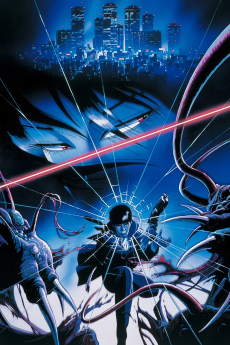
Lodoss’s OVA opens with a grim battlefield where knights fall to cursed blades—not gunfire, but war’s exhaustion mirrors NecroVision’s trench warfare before the descent into vampiric corruption. Where NecroVision weaponizes WWI’s mud and mechanized dread to fuel its Body Horror & Occult descent, the OVA’s quiet peace shatters under ancient supernatural forces, making both reckon with trauma that mutates flesh and faith alike. That shared tension—tactical warfare dissolving into dark fantasy’s visceral metaphysics—is startlingly rare in genre pairings.

The body as a site of transformation and terror — both push physical boundaries.

Trench mud clings to Denji’s torn uniform as he tears through Reze’s biomechanical limbs—suddenly, the war-torn no-man’s-land of *NecroVision*’s Somme level feels less like history and more like a shared hallucination. Where *NecroVision* weaponizes WWI’s visceral decay into occult warfare, *Chainsaw Man: The Movie – Reze Arc* transmutes romantic betrayal into body horror & tactical horror—both fuse 🎯 Tactical Warfare with 👻 Body Horror & Occult through flesh-as-battlefield logic. That they converge on trauma-as-transformation, not just gore, makes their resonance unsettlingly precise.

The body as a site of transformation and terror — both push physical boundaries.
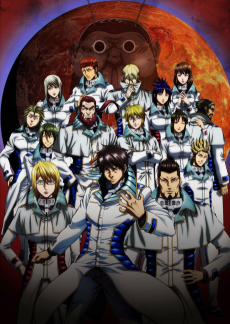
Mars’ crimson dust chokes the air as a Terra Formars soldier’s arm unravels into cockroach chitin—mirroring NecroVision’s trench warfare where soldiers’ flesh tears open to reveal vampiric maws. This visceral convergence of 🖤 Adult & Dark Seinen and 👻 Body Horror & Occult transforms war itself into a grotesque ritual: not just killing, but *unmaking* the human form through sci-fi mutation or occult corruption. Surprisingly, both weaponize historical trauma—WWI’s mud-soaked futility and humanity’s colonial hubris on Mars—to make horror feel urgently, horrifyingly earned.

The body as a site of transformation and terror — both push physical boundaries.
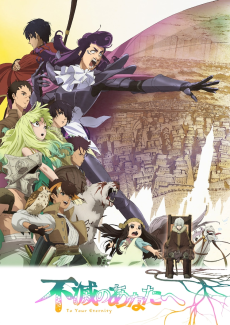


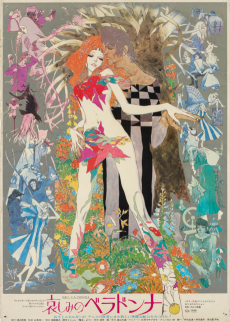


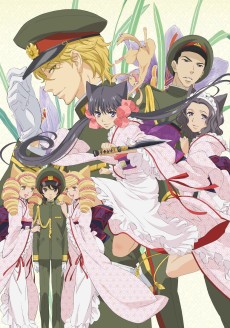
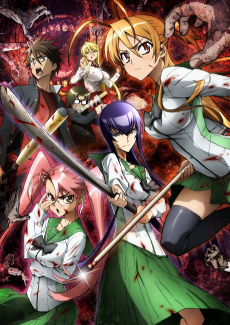











![Tokyo Ghoul: [PINTO]](https://s4.anilist.co/file/anilistcdn/media/anime/cover/medium/bx21326-Vmunxqzj1umc.jpg)



![Fate/stay night [Heaven’s Feel] III. spring song](https://s4.anilist.co/file/anilistcdn/media/anime/cover/large/bx21719-MSdTlkno0Z0u.jpg)

















Match Dimensions Explained
❓Frequently Asked Questions
Why is Tokyo Ghoul √A recommended for NecroVision fans?
Because both hit that grim, grounded-yet-supernatural war vibe—like when Kaneki’s first brutal kakuja transformation mirrors NecroVision’s trench-to-hell escalation, and the CCG’s tactical raids on ghoul nests feel like the game’s vampiric fortress sieges. The shared 'Body Horror & Occult' + 'Tactical Warfare' dimensions mean you’ll get that same visceral, strategy-tinged dread—not just gore for shock, but consequences in how bodies break and magic bends the rules.
Is there an anime adaptation of NecroVision?
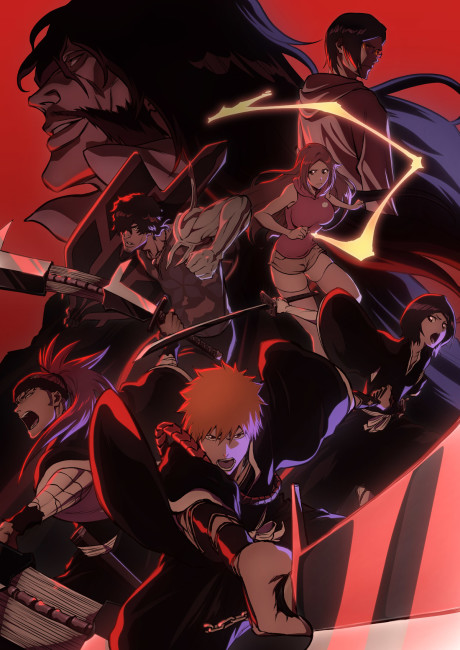
Nope—NecroVision never got an anime (or any official adaptation). It’s a cult 2008 FPS with zero licensed anime spin-offs. But if you’re craving that exact flavor—WWI grit flipping into gothic demon warfare—you’ll find the closest spiritual matches in BLEACH: Thousand-Year Blood War (especially the Soul Society invasion arcs) or Chainsaw Man: Reze Arc’s sudden, brutal shifts between human-scale tension and apocalyptic occult chaos.
How does Record of Lodoss War compare to NecroVision in tone and pacing?
Lodoss War’s early episodes feel deceptively calm—like NecroVision’s ‘mid’ WWI trench section—before exploding into dark fantasy warfare with vampire lords, cursed relics, and siege battles that mirror the game’s vampiric fortress climax. Both use grounded military logic (formations, resource scarcity, morale) even while summoning demons or wielding necrotic magic—hence their identical 73-score match on 'Tactical Warfare' and 'Dark Fantasy'.
What’s the best anime like NecroVision if I want that 'country boy becomes a vampire god' energy?
BLEACH: Thousand-Year Blood War nails it—Ichigo’s Hollowfication arc is basically 'Country Boy in WWI fights zombies and demons and becomes a vampire god', especially when he unlocks his true Quincy powers mid-battle and starts rewriting reality like NecroVision’s protagonist spamming sideways pistol shots *then* unleashing hellfire. That same escalation from human struggle → supernatural ascension → god-tier control? Pure NecroVision energy, no filler.