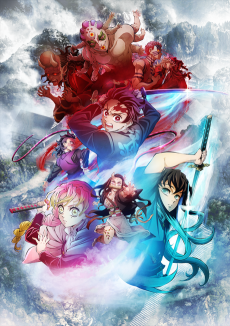
Demon Slayer: Kimetsu no Yaiba Swordsmith Village Arc
Adaptation of the Swordsmith Village Arc.
Tanjiro’s journey leads him to the Swordsmith Village, where he reunites with two Hashira, members of the Demon Slayer Corps’ highest-ranking swordsmen - Mist Hashira Muichiro Tokito and Love Hashira Mitsuri Kanroji. With the shadows of demons lurking near, a new battle begins for Tanjiro and his comrades.
Notes:
• The first episode has a runtime of ~49 minutes, and received an early premiere in cinemas worldwide as part of a special screening alongside the final two episodes of Kimetsu no Yaiba: Yuukaku-hen.
• The final episode has a runtime of ~52 minutes.
📺Anime Details
📝Editorial Analysis
The scent of hot iron and burnt cherry blossoms hangs thick in the air—Tanjiro’s knuckles white on the hilt of his Nichirin Blade as he stands guard outside the Swordsmith Village gate, breath shallow, ears straining for the wrong kind of silence. Not peace. Not stillness. The kind that pulses just beneath the surface—like a demon holding its breath behind a paper screen. That moment isn’t about action yet. It’s about waiting, with your whole body wired for rupture. Your pulse syncs to the tremor in Tanjiro’s shoulder. You taste copper—not from injury, but from anticipation.
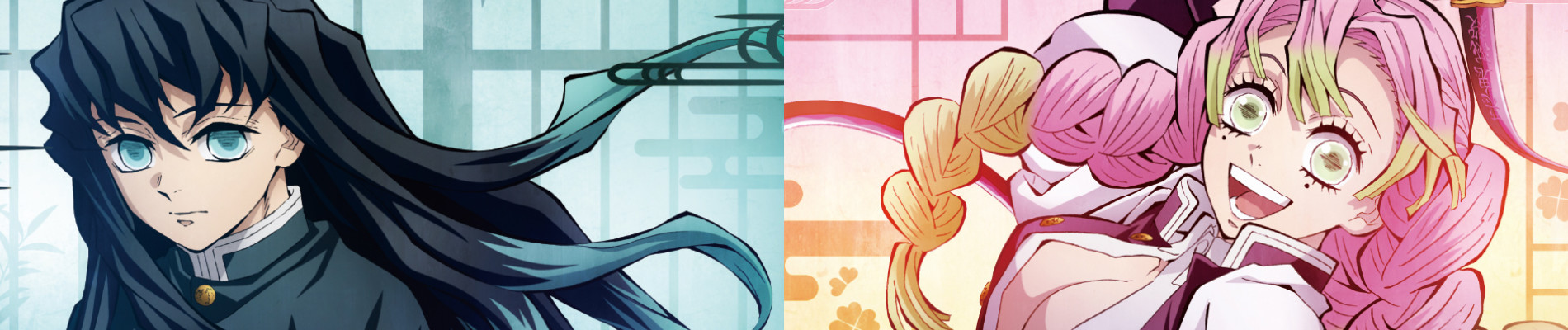
What makes Demon Slayer: Kimetsu no Yaiba Swordsmith Village Arc vibrate at this frequency isn’t its swordplay or even its demons—it’s how deeply it roots dread in intimacy. This arc doesn’t just show bodies breaking; it shows them unspooling. The tags aren’t decorative: Body Horror, Clone, Curses—they’re textures pressed into every frame. Mitsuri’s whip-like sword coils around her own limbs like something half-alive. Muichiro’s mist doesn’t obscure—it swallows light, memory, even time. And when the demons strike, it’s never spectacle first. It’s violation: flesh warping under cursed breath, identities fraying at the edges, loyalty tested not by grand oaths but by whether you can still recognize your friend’s eyes beneath the distortion. You don’t just watch danger—you inhabit the fragile membrane between human and ruin. It’s tender, yes—but tender like a fresh burn: raw, vulnerable, humming with irreversible change.
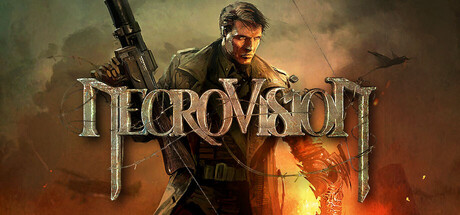
That same nervous-system resonance lives in NecroVision, though through entirely different machinery. Its description nails it: “War is Hell… a dark underworld of vampires, demons and dark magic.” Not fantasy escapism—war first, then the occult bleeding up from the trenches. Like the Swordsmith Village Arc, it weaponizes disorientation: you’re not fighting monsters in a void—you’re fighting them in the mud, where gas masks fog and bullets misfire and the line between soldier and abomination blurs. A player review confesses, “A pretty bold concept for a noticeably low budget but that's not my problem because you don't play a game like this…”—and that’s the key. You don’t play NecroVision for polish. You play it for texture: the grit in the throat, the way dread accumulates in the clink of gear, the visceral wrongness of seeing a comrade’s skin ripple with vampiric graft. It shares the anime’s emotional DNA not in plot, but in how it makes horror feel tactile, historical, and tragically embodied.
The connection isn’t about scale—it’s about weight. Both force you to hold two truths at once: the sacredness of craft (Tanjiro watching the swordsmiths hammer steel under cherry blossoms; NecroVision’s soldiers reloading rifles while chanting warding incantations) and the grotesque ease with which that craft gets perverted (cursed clones, demonic possession, blood-magic prosthetics). There’s no clean victory here—only endurance, adaptation, and the quiet, aching dignity of continuing to swing your blade—or pull your trigger—even when your hands shake.
This pairing isn’t for fans of “cool powers” or “epic battles” alone. It’s for the viewer who pauses mid-episode to stare at their own hands, wondering how thin the line really is between discipline and delusion, between protection and possession. It’s for the player who replays the same trench sequence three times—not to win faster, but to feel again the way the rifle’s recoil vibrates up their arm, how the demon’s whisper cuts through static like a memory you didn’t ask for. They’re drawn to stories where horror isn’t external—it’s the echo in the hallway after you’ve slammed the door, the warmth of your own breath suddenly feeling like something borrowed. Where every sword strike, every bullet fired, is less about defeating evil and more about reclaiming the right to name yourself—before the curse, before the clone, before the mist swallows your voice whole.
🎮1 Games That Match the Vibe
Match Dimensions Explained
❓Frequently Asked Questions
Why is NecroVision listed as similar to Demon Slayer: Swordsmith Village Arc?
It’s not about the setting—it’s the visceral, high-stakes swordplay fused with supernatural dread. Like Tanjiro’s desperate fight against Gyutaro and Daki in the Swordsmith Village, NecroVision drops you into chaotic, close-quarters combat where timing your parry (or in this case, your occult-powered dodge) against grotesque, fast-moving enemies feels just as intense and personal. The body horror and dark fantasy tone—think Upper Moon 6’s twisted forms—echoes NecroVision’s vampiric hordes and cursed battlefields.
Is there a Demon Slayer Swordsmith Village Arc game adaptation?
No official licensed game exists yet—Bandai Namco hasn’t released one, and no mobile or console title directly adapts that arc. The closest you’ll get is fan-made mods or unofficial demos, but nothing matches the arc’s emotional beats or fight choreography like the anime does. That’s why fans turn to tonally aligned games like NecroVision for that same blend of grim stakes and supernatural sword action.
NecroVision vs. Sekiro: Shadows Die Twice—which is better for Swordsmith Village Arc vibes?
Sekiro’s precision parrying and shinobi stealth lean more toward Kagaya Ubuyashiki’s quiet intensity and Muichiro’s lightning-fast slashes—but NecroVision nails the *Swordsmith Village*’s oppressive atmosphere: think the suffocating tension of the village under attack, the grotesque transformations, and that raw, almost desperate combat rhythm when Tanjiro pushes past his limits. It’s less about samurai elegance and more about surviving a war against inhuman horrors—just like the arc’s darkest moments.
What’s the best game like Swordsmith Village Arc if I want that mix of melancholy, urgency, and supernatural dread?
NecroVision fits surprisingly well—not because it’s Japanese or swords-only, but because its WWI trenches and occult underworld mirror the arc’s emotional weight: the grief of lost comrades (like Kyojuro’s sacrifice), the frantic urgency of protecting the village, and the body horror of Upper Moon 6’s transformations. You won’t find Tanjiro’s breathing techniques, but you *will* feel that same breathless, high-stakes push against overwhelming darkness—and that’s what really matters.