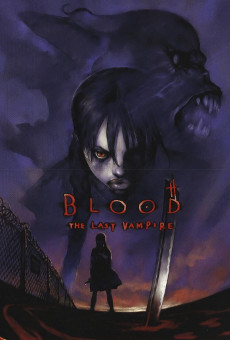
Blood: The Last Vampire
📺Anime Details
📝Editorial Analysis
The rain in Blood: The Last Vampire doesn’t fall—it shatters. One moment, the school corridor is quiet, fluorescent lights humming under damp concrete; the next, a vampire’s jaw unhinges sideways like broken porcelain, teeth elongating not with elegance but rupture, and Saya’s blade slices through neck and spine in a single motion—no flourish, no pause—just wet steel, arterial spray hitting tile like black ink, and silence rushing back in before the body even hits the floor. That silence is the point. Not dread. Not awe. Just exhaustion, cold and absolute.
This isn’t horror as spectacle or dread-as-entertainment. It’s horror as weariness. The weight of centuries carried in a seventeen-year-old girl’s posture—the way she folds her arms not defensively, but habitually, like someone who’s stopped expecting safety. The school setting isn’t ironic contrast; it’s camouflage so thin it barely hides the rot beneath—uniforms starched over wounds that won’t close, chalk dust settling on bloodstains no janitor will ever mop. There’s no lore dump, no prophecy, no chosen-one rhetoric. Just Saya, moving through a world where the supernatural isn’t mystical—it’s pathological, contagious, and always unfinished. You don’t feel fear watching her fight. You feel recognition: the numb clarity of someone who’s seen too much, who knows violence isn’t cathartic—it’s maintenance.
That same hollowness lives in REMNANT II®, where every encounter with the Root feels less like battle and more like triage. The game’s “Body Horror & Occult” dimension isn’t about grotesque set-pieces—it’s in how limbs twist mid-air when a Hollow staggers, how flesh peels off enemies in layered, wet strips during certain status effects, how your own character’s limbs can be replaced with biomechanical grafts that hum faintly, never quite syncing with your heartbeat. A player review notes its “Dark Fantasy, Tactical Warfare, Body Horror & Occult” framework—and that’s the key: the horror isn’t in the monsters’ design, but in how functional the violation feels. Like Saya’s sword, your weapons aren’t tools of glory—they’re scalpels you use to keep yourself intact, just long enough to survive the next corridor.
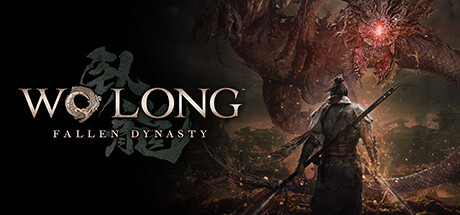
Then there’s Wo Long: Fallen Dynasty, where combat isn’t about combos or stamina bars—it’s about timing rupture. Every parry leaves your guard cracked for half a second; every enemy death is followed by a brief, ragged inhale, shoulders dropping—not relief, but reset. Its “Dark Fantasy, Tactical Warfare, Action Spectacle” tag hides something quieter: the exhaustion in the animation of a general slumping after a boss falls, his armor cracked open not by force, but by strain. You don’t cheer when you win—you exhale, lower your controller, and notice how still your own hands are. Like Saya, the protagonist here doesn’t grow stronger—he learns less to trust his body, his allies, even his own breath. The spectacle isn’t flashy—it’s the sound of a spear snapping mid-thrust, the way cloth tears differently on wounded vs. unwounded foes. It’s visceral, unromantic, and deeply tired.
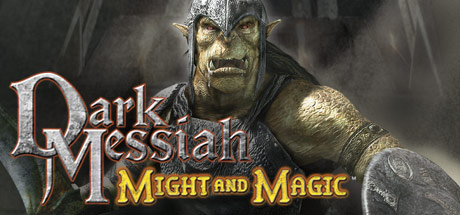
Even Dark Messiah of Might & Magic, with its “ferocious combat” and “Source™ Engine” grit, carries that same DNA—not in its dated textures, but in how violence sticks. Player reviews mention its raw melee physics: bones crunch with inconsistent, jarring weight; dismemberment isn’t clean—it’s sticky, limbs snagging on armor, torsos collapsing unevenly. There’s no grand magic system—just blood, momentum, and consequence. When you shove an enemy into a spiked pit, their scream cuts off mid-breath, replaced by wet impact and silence. That silence? It’s not cinematic. It’s Saya’s silence—the space where meaning used to live, now just air moving through empty rooms.
Who feels this? Not the fan who wants lore bibles or power fantasies. It’s the person who watches Saya walk away from a massacre without looking back—and understands that look isn’t stoicism. It’s recalibration. They play games where victory tastes like rust, where every healed wound leaves a scar that itches in the rain. They don’t seek escape. They seek resonance: the shared, unspoken understanding that some battles don’t end—they just leave you standing in the wreckage, breathing, waiting for the next thing to break.
🎮44 Games That Match the Vibe












Match Dimensions Explained
❓Frequently Asked Questions
Why does REMNANT II keep coming up in Blood: The Last Vampire game recommendations?
Because both lean hard into that same visceral, oppressive vibe—think Saya’s rain-slicked Tokyo alley fights, but expanded into a collapsing multiverse full of grotesque, biomechanical horrors. REMNANT II nails the tactical tension (like lining up a perfect shot before a Wendigo lunges) and body horror dimension (those Hollowborn mutations literally peel and reassemble flesh), plus its dark fantasy tone mirrors Blood’s gothic-noir dread.
Is there an official Blood: The Last Vampire video game adaptation?
No—there’s never been an official licensed game based on Blood: The Last Vampire. Fans often confuse Wo Long: Fallen Dynasty with it because of the similar lone-female-warrior-in-dark-fantasy-energy (Saya vs. the Nameless), but Wo Long is strictly rooted in Chinese mythology and Three Kingdoms lore—not vampire hunters or 2000s anime aesthetics.
How does Dark Messiah of Might & Magic compare to Blood: The Last Vampire in terms of combat feel?
Dark Messiah delivers that same brutal, up-close melee intensity you get from Saya’s sword slashes—especially the way it emphasizes physics-driven dismemberment and environmental takedowns (like kicking enemies off rooftops or impaling them on spikes). It’s not anime-styled like Blood, but the raw, gory immediacy—and that ‘one wrong move = dead’ tension—hits the same nerve as her stealthy, high-stakes encounters in Shinjuku Station.
What’s the best game like Blood: The Last Vampire if I want that lonely, rain-soaked, late-night vampire-hunting mood?
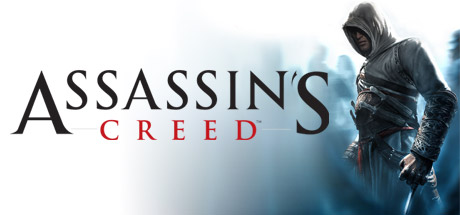
Go straight to Assassin's Creed™: Director's Cut Edition—yes, really. Its 2007 Jerusalem feels eerily like Blood’s Tokyo: empty alleys at night, flickering oil lamps, and that same quiet, heavy dread as you stalk targets across rooftops. The tactical stealth (blending into crowds, timing assassinations) mirrors Saya’s patient, predatory pacing—even if the setting’s medieval instead of modern.