Call of Duty: World at War
Call of Duty is back, redefining war like you've never experienced before. Building on the Call of Duty 4®: Modern Warfare engine, Call of Duty: World at War immerses players into the most gritty and chaotic WWII combat ever experienced.
🎮Game Details
💬What Players Say
"Best COD game made, shame that the prices for the older ones are so high."
"( IMPORTANT! READ BEFORE BUY! ) Unlike the stupid reviews that are aware that the game doesn't work for multiplayer AKA Custom zombies with friends due to the companies laziness PEOPLE CONTINUE to thumbs up the game without leaving bad reviews so people who are looking to buy it aren't wasting their money and time...."
"Online doesnt work if you buy the game nowadays. You cant do co-op campaign with your homie or even do zombies or anything. So 0/10 for multiplayer The STORY now though......"
📝Editorial Analysis
The mud. Not the kind that clings politely to boots—it’s the thick, sucking, cold mud of the Pacific islands, the kind that pulls at your ankles like a dying man’s grip while machine-gun fire stitches the air overhead. That’s the first thing you feel in Call of Duty: World at War: not heroism, not glory—weight. The official description nails it: “the most gritty and chaotic WWII combat ever experienced.” Not “epic.” Not “cinematic.” Gritty. Chaotic. And the player reviews confirm it—not with nostalgia, but with raw, unvarnished reverence for the story: “The STORY now though… It's the best call of duty…” That story doesn’t flinch. It shows you a soldier vomiting after his first kill. It makes you reload under fire with trembling fingers. It forces you to endure, not conquer.
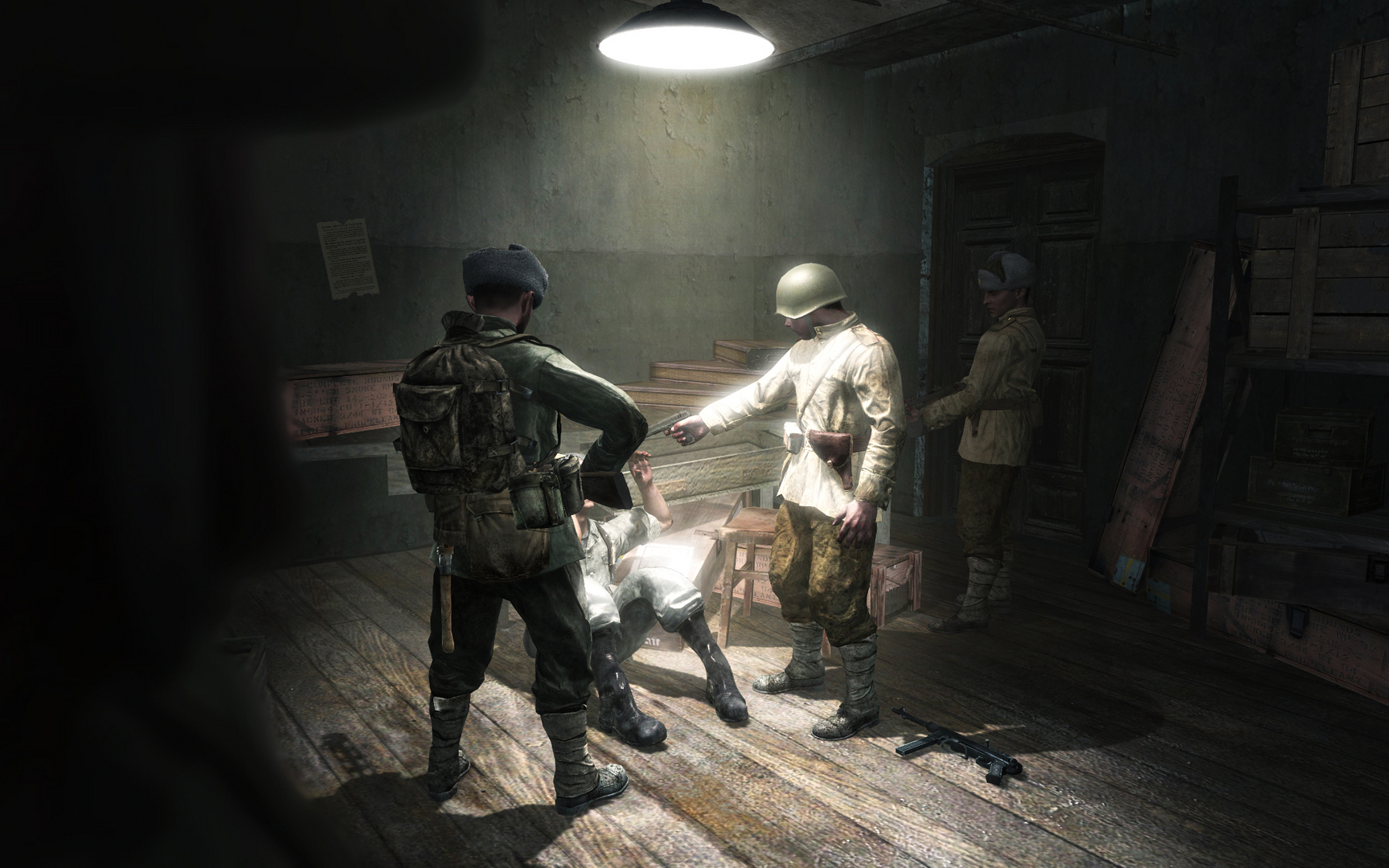
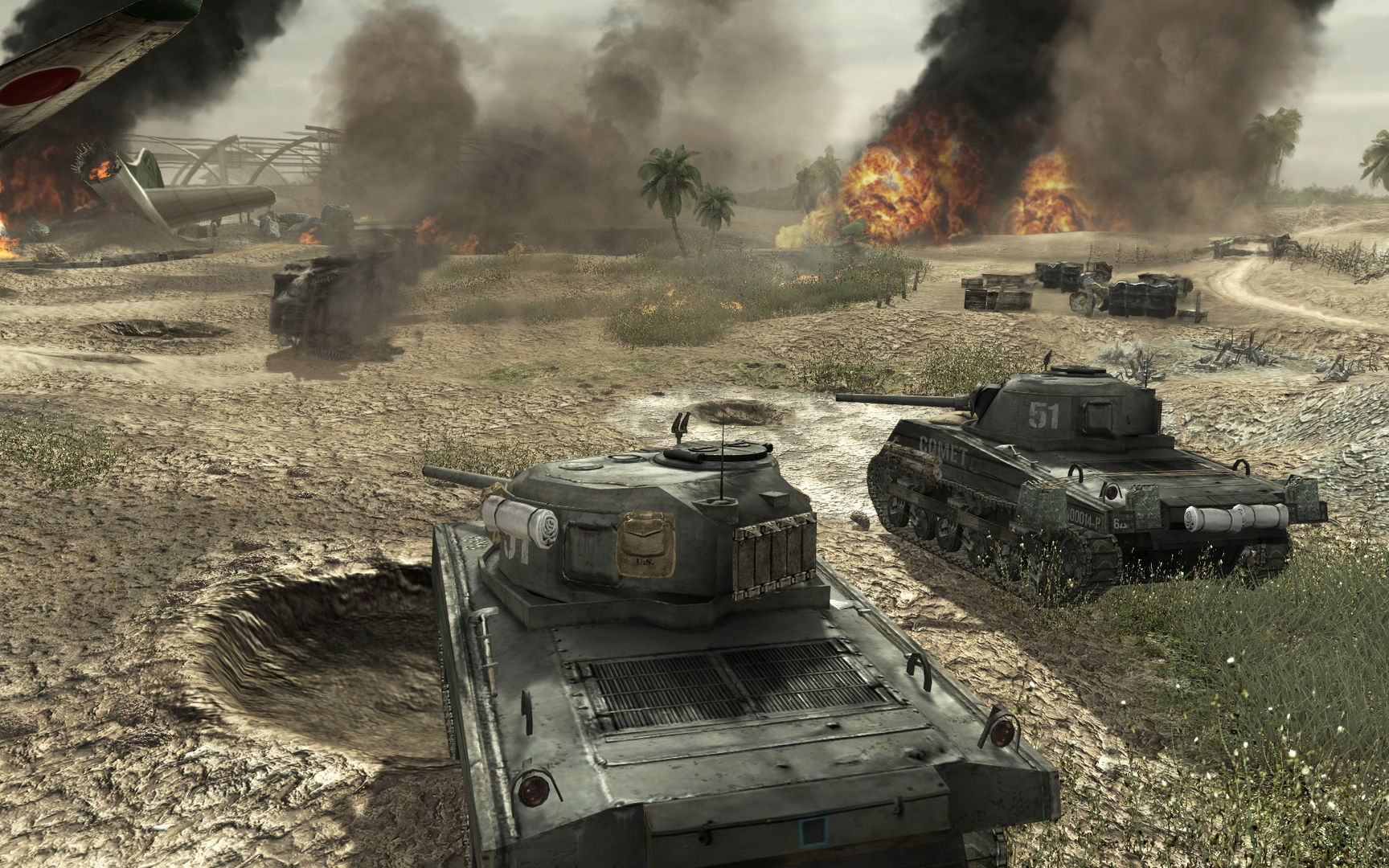
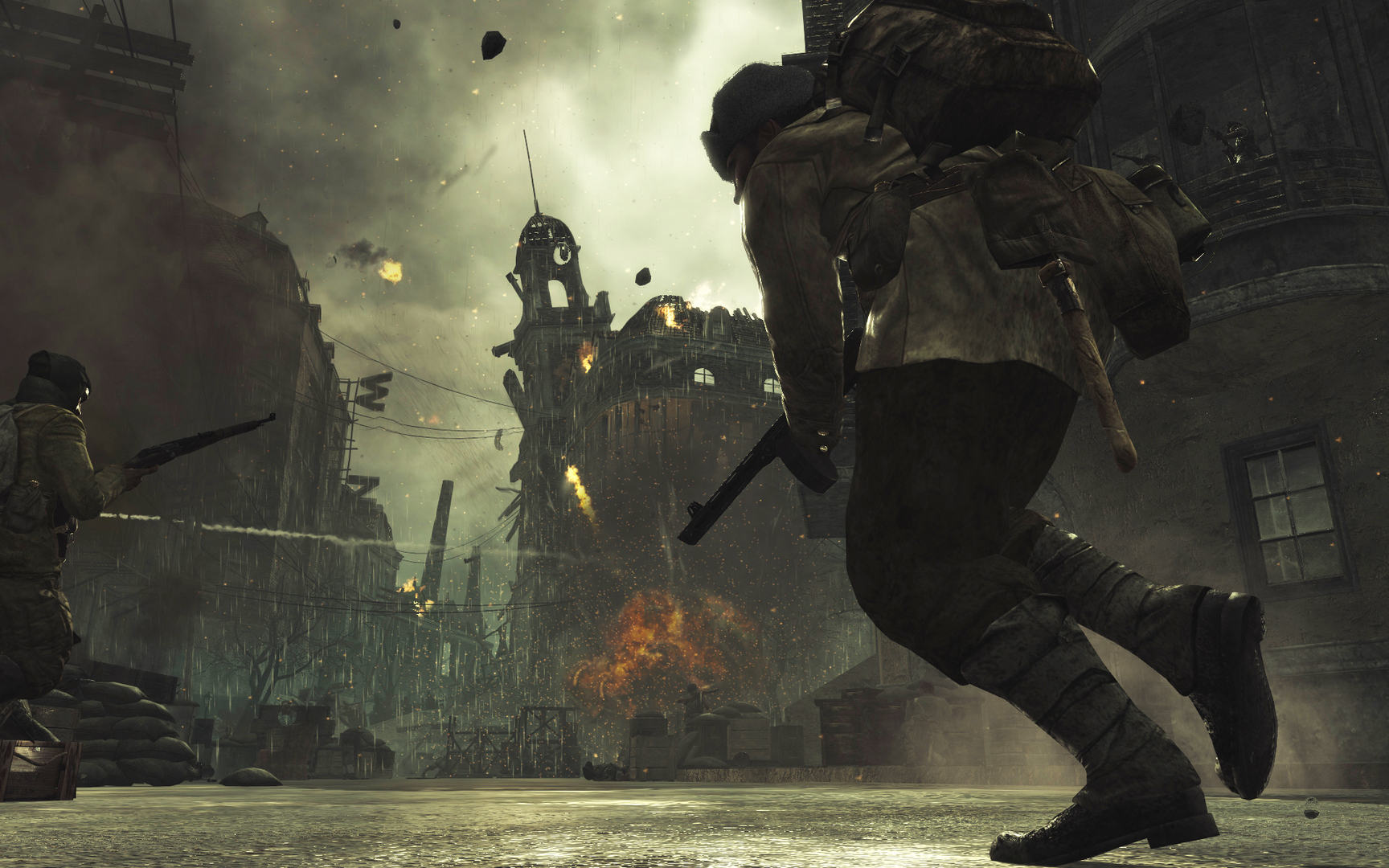
This isn’t war as spectacle—it’s war as sensory erosion. The engine—built on Call of Duty 4®: Modern Warfare’s bones—doesn’t soften the blow. It amplifies the stench of cordite and rot, the crunch of bone under boot, the way light bleeds out of a trench at dusk. You don’t think about tactics first—you think about breathing. About keeping your hands warm enough to pull the trigger. About whether the next burst will come from the left or the right—or inside your own head. It’s less about winning and more about not breaking. That’s the feeling: exhaustion, claustrophobia, moral vertigo. You’re not a legend. You’re a nerve ending stretched across barbed wire.
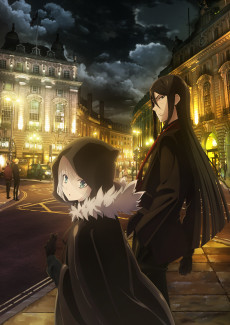
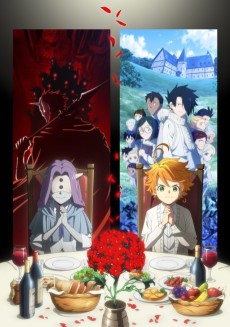
Which is why Fate/Zero Season 2 hits with such brutal synchronicity. Its score—70 across Body Horror & Occult, Survival & Crafting, Tactical Warfare—isn’t accidental. Kiritsugu Emiya doesn’t wield magic like a sword—he wields consequence. Every spell leaves scars—not just on enemies, but on his own soul. The battlefield isn’t a map; it’s a collapsing moral architecture. Like the Pacific campaign, every decision in Fate/Zero Season 2 carries visceral cost: blood on the floor, a child’s eyes going dead, the slow, grinding erosion of self. Both demand you craft survival from broken tools—and both treat warfare not as strategy, but as physiology: trembling hands, choked breath, the body screaming stop while the mind calculates angles, trajectories, how much more can I take?
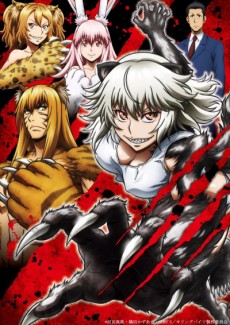
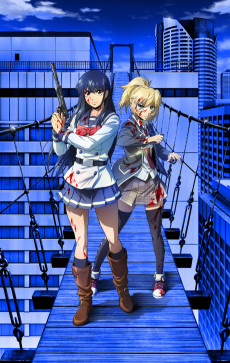
Then there’s High School of the Dead, scoring 68 across those same dimensions. Yes—zombies. But look closer: the Body Horror & Occult isn’t just gore—it’s the violation of the familiar. A teacher’s face, slack and grey, lurching toward you with jaw unhinged—just like the game’s infamous Japanese soldiers, not as caricatures, but as bodies pushed past human limits, screaming in languages you don’t understand while your own throat closes up. The Survival & Crafting here is tactile: duct-taping a rifle stock, barricading a classroom door with desks, rationing bullets like oxygen. No HUD tells you how many rounds remain—you feel the weight shift in your hands, just like in the game’s desperate, unscripted firefights where cover collapses and you’re still reloading. It’s tactical, yes—but the tactics are born from panic, not protocol.
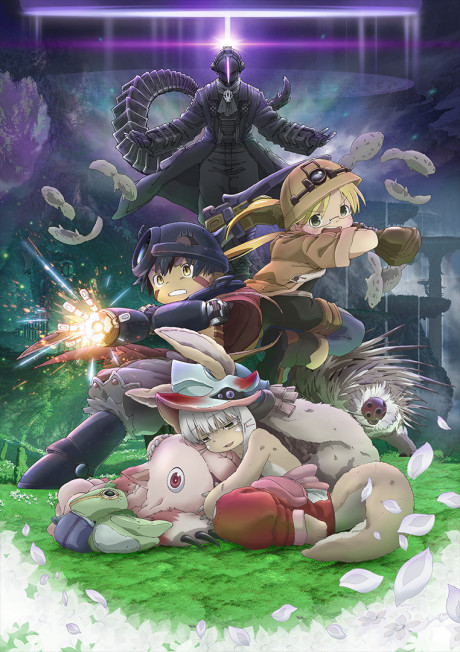
And Made in Abyss: Wandering Twilight, at 65, shares something quieter but deeper: the dread of descent. Not into trenches—but into a world that refuses to make sense. The Abyss doesn’t obey rules; neither does the Eastern Front in World at War, where fog rolls in mid-assault, silencing comms, dissolving friend from foe. The Body Horror & Occult here isn’t supernatural—it’s biological inevitability: frostbite blackening fingertips, dysentery cramping your gut, the slow, silent unraveling of sanity under relentless pressure. There’s no crafting of weapons—but there is crafting of will, moment by moment, breath by breath, just like Reg and Nanachi clinging to each other in the dark, knowing the next layer may erase them—not as heroes, but as matter.
Who lives for this? Not the player who wants clean victories or anime fans who crave catharsis. It’s the one who watches a character’s hand shake before pulling the trigger—and recognizes it. The one who pauses mid-episode of Mob Psycho 100 II, not at the psychic explosions, but at the silence after: the sweat on Shigeo’s upper lip, the way his knuckles whiten holding back power he knows will break him. They’re drawn to stories where horror isn’t external—it’s the weight of your own pulse in your ears, the taste of copper when you bite your cheek, the realization that survival isn’t noble. It’s gritty. It’s chaotic. And sometimes—the only thing holding you together is the shared, wordless understanding that you’re still breathing.
→45 Anime That Match the Vibe
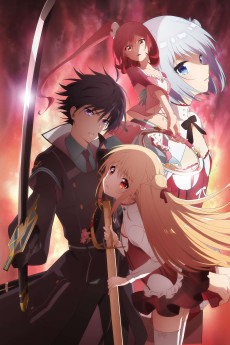
The body as a site of transformation and terror — both push physical boundaries.

The body as a site of transformation and terror — both push physical boundaries.
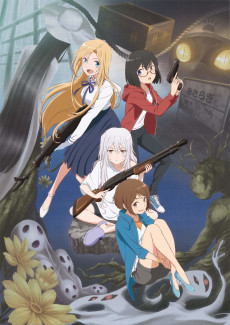
The body as a site of transformation and terror — both push physical boundaries.

The body as a site of transformation and terror — both push physical boundaries.

Risei Kotomine’s corpse, hollowed and reanimated by the Holy Grail’s corruption, mirrors the grotesque, flesh-rending dismemberment of World at War’s Pacific theater—both weaponize body horror & occult dread to shatter illusions of control. Where Captain Foley’s squad scrapes survival from mud and mangled bodies, Kiritsugu’s “tactical warfare” coldly calculates collateral as ritual sacrifice. This pairing shocks precisely because it refuses catharsis: neither the battlefield nor the Grail War offers redemption—only escalating, embodied ruin.
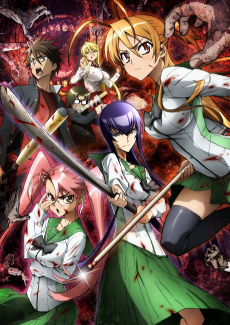
Blood-slicked lockers in *High School of the Dead*’s opening massacre mirror the visceral, close-quarters brutality of *World at War*’s Pacific trench assaults—both weaponize claustrophobia and bodily violation. Where Private Miller’s squad improvises flamethrowers from scavenged fuel and rifles, Takashi’s group repurposes baseball bats and fire axes amid collapsing classrooms: **Survival & Crafting** isn’t abstract—it’s desperate, tactile, and grimly inventive. That shared refusal to sanitize decay or desperation makes their convergence startlingly coherent.

The body as a site of transformation and terror — both push physical boundaries.
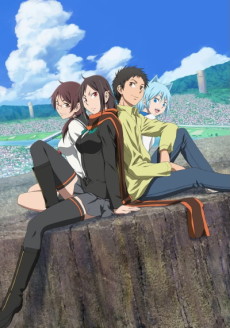
The body as a site of transformation and terror — both push physical boundaries.

Kageyama’s trembling hands during the Divine Tree’s psychic assault—veins bulging, skin splitting with raw psychic pressure—echo the visceral body horror of World at War’s Pacific campaign, where soldiers’ faces contort under flame-thrower blasts and decomposing corpses litter foxholes. Unlike most war stories or supernatural comedies, both weaponize tactical warfare not for glory but as a claustrophobic test of fraying sanity: Mob’s psychic overload mirrors the game’s disorienting, close-quarters chaos in bunkers and trenches. This pairing is jarring—and brilliant—because it links occult rupture and battlefield trauma through shared physicality, not metaphor.

The body as a site of transformation and terror — both push physical boundaries.
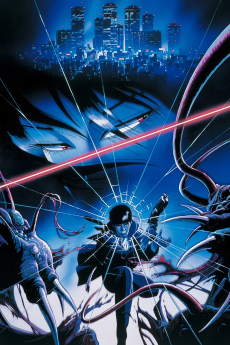
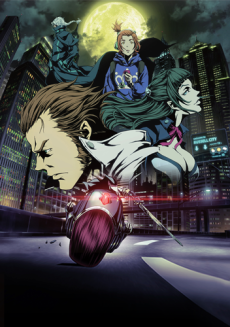
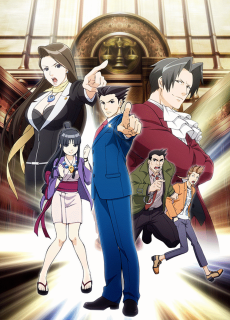

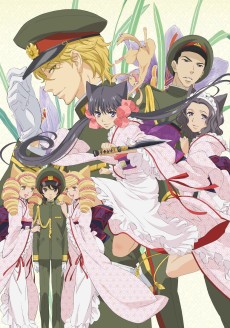






![Fate/stay night [Heaven’s Feel] III. spring song](https://s4.anilist.co/file/anilistcdn/media/anime/cover/large/bx21719-MSdTlkno0Z0u.jpg)



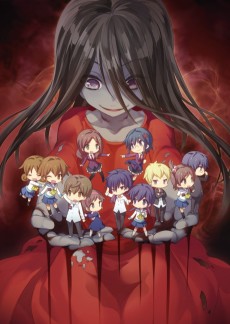
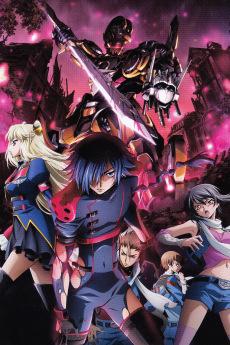
Match Dimensions Explained
❓Frequently Asked Questions
Why does Fate/Zero Season 2 keep popping up in 'Anime Like Call of Duty: World at War' lists?
Because its Pacific Theater–style trench warfare in the Fuyumi Port battle—where Kiritsugu’s team uses suppressed rifles, timed grenade throws, and coordinated flanking against entrenched mages—mirrors WaW’s gritty, squad-based firefights. The show even replicates WaW’s signature ‘shock and awe’ pacing: that scene where Kiritsugu blows up the warehouse with a thermite charge while Saber draws enemy fire? Pure WaW campaign energy—no magic handwaving, just brutal cause-and-effect tactics.
Is there an anime adaptation of Call of Duty: World at War?
No official anime adaptation exists—Activision never greenlit one, and none of the match-listed shows (like High School of the Dead or Mob Psycho 100 II) are licensed adaptations. They’re thematic matches only: HSD’s Takashi’s squad using WWII-era bolt-action rifles and scavenged ammo in the ruined Kansai airport runway sequence hits WaW’s desperate, resource-scarce survival vibe—but it’s fan-driven resonance, not canon.
How does High School of the Dead compare to Record of Lodoss War for WWII-style combat?
HSD wins hands-down for WaW energy: think Shizuka’s scoped Type 99 rifle sniping from the school roof during the Kyōto arc—wind calculations, bullet drop, limited ammo—versus Lodoss War’s fantasy skirmishes where swords clash without recoil or reloads. Lodoss has tactical framing (like Parn’s ambush at the Dragon Pass), but HSD replicates WaW’s visceral weight: you *feel* the kick of the M1 Garand when Rei fires it in the bus siege, same as Reznov’s iconic ‘RPG! RPG!’ moment.
What’s the best anime like Call of Duty: World at War if I want that unrelenting, no-hope survival tension?
Made in Abyss: Wandering Twilight—it’s the closest to WaW’s suffocating dread. When Riko and Reg descend into the Twilight, their oxygen counters tick down while they jury-rig rope anchors and ration glow-mushroom light, mirroring WaW’s Pacific island campaigns where Marines ration water and patch gear mid-assault. No zombies or magic saves: just human limits pushed past breaking, like that gut-punch scene where Nanachi watches a comrade collapse from decompression—exactly how WaW makes you sweat through the Guadalcanal beach landing.