
Code Geass: Akito the Exiled - The Wyvern Divided
With her previous triumphs under her belt, Leila Malcal has now been promoted to Lieutenant Colonel and commanding officer of W-0. After having foiled an attempt to kidnap the General of the European army, she recruits the three perpetrators in order to make up for the lack of W-0's pilots. Ayano Kosaka, Yukiya Naruse, and ringleader Ryou Sayama accept, in hopes of finding a place to belong. When they are ordered to perform a commando raid by dropping into enemy lines, Leila decides to join them to prevent unnecessary casualties.
As the unit rushes into the fight, Akito finds himself possessed by an uncontrollable lust for violence, slaughtering anyone that gets in his way. Little does he know, he is soon to come face to face with the one responsible for placing the bloodthirsty curse upon him, someone he is far too familiar with...
(Source: MAL Rewrite)
📺Anime Details
📝Editorial Analysis
The cold snap of snow hitting Akito’s visor as he leaps from the dropship—steel teeth bared, breath fogging the cracked HUD—while Leila’s voice cuts through static: “W-0, engage. No extraction.” Not a command. A vow. That split-second before impact, where gravity and grief pull equally, where the mecha isn’t just armor but a trembling extension of a body that’s already been broken twice—once by war, once by memory—that’s where Code Geass: Akito the Exiled - The Wyvern Divided lives.
This isn’t the polished grandeur of imperial spectacle or the cerebral chess of Lelouch’s schemes. It’s grit, weight, exhaustion. You feel the strain in Leila’s knuckles white-knuckling her console, not because she’s commanding troops—but because she’s holding together a unit stitched from fugitives, orphans, and ghosts. The military precision is real—drop zones calculated, comms disciplined, tactics rehearsed—but it’s all draped over raw, unprocessed trauma. The “curses” aren’t mystical incantations; they’re the ones whispered in barracks at 3 a.m.: I shouldn’t have lived. I shouldn’t have killed. I don’t know who I am anymore. That’s the atmosphere—not dread, but resignation laced with stubborn warmth, like sharing lukewarm tea in a bombed-out command post while snow bleeds through the ceiling.
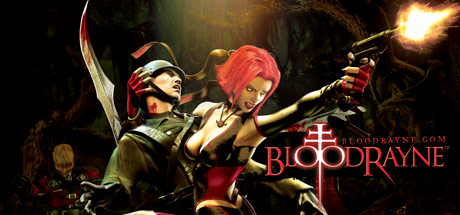
Which is why BloodRayne (Legacy) hits so hard—not because Rayne wields twin pistols and Akito pilots a Knightmare, but because both exist in a world where the body is both weapon and wound. The game’s description nails it: “Agent BloodRayne works as a killing machine for The Brimstone Society… hunts down and destroys supernatural threats.” Like Leila recruiting Ayano, Yukiya, and Ryou—not to rehabilitate them, but to deploy their damage—the Brimstone Society doesn’t heal its agents; it weaponizes their pain. And that player review? “This is a very schlocky, one note action game—but its very fun. I'm nostalgic for games of this era…” That nostalgia isn’t for polish—it’s for the honesty of the grind, the way both BloodRayne and The Wyvern Divided treat violence as tiring, messy, and deeply personal—not heroic, but humanly necessary.
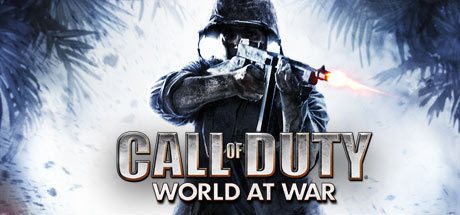
Then there’s Call of Duty: World at War, whose description insists it “immerses players into the most gritty and…”—yes, that ellipsis feels intentional, like the sentence itself runs out of breath, mirroring how W-0’s missions never end cleanly. The player review calls it “Best COD game made, shame that the prices for the older ones are so high…”—that longing for accessibility, for being able to re-enter that brutal, tactile immediacy, mirrors how The Wyvern Divided makes you ache to rewatch Leila’s quiet glance at Ryou after his first successful sortie—not because he proved himself, but because he stopped flinching when the siren sounds. Both refuse catharsis. They give you mud in your mouth, frostbite on your fingers, and the weight of a rifle—or a Knightmare’s control stick—that never lightens.
Even Realistic Ragdoll Sandbox, with its blunt, almost clinical tagline—Tactical Warfare, Body Horror & Occult—connects in the most unsettling way. Not through story, but physics: the way a body twists mid-air during ejection, the unnatural jerk of a limb severed by energy fire, the way Akito’s own movements sometimes lag a frame behind his will—like his nervous system is still catching up to what his body survived. That’s the ragdoll truth: war doesn’t respect anatomy. Neither does trauma. The “occult” here isn’t demons—it’s the unexplained resilience, the way Yukiya keeps flying despite tremors in his hands, the way Ayano recalibrates her targeting reticle with a breath that’s half-sob, half-snarl. It’s the occult of survival itself—unquantifiable, undeniable, real.
You’ll love these pairings if you’ve ever paused a battle scene—not to admire the choreography, but to count the bandages on a character’s forearm; if you replay a mission not for the kill count, but to hear the same weary line of dialogue again, just once more; if your favorite moment isn’t the victory, but the silence after, when the helmet comes off and you see the exhaustion—and the quiet, fierce pride—in someone’s eyes as they finally, finally, call this broken thing home.
🎮3 Games That Match the Vibe

Match Dimensions Explained
❓Frequently Asked Questions
Why does BloodRayne (Legacy) show up in matches for Code Geass: Akito the Exiled?
Because both lean hard into tactical warfare with morally gray operatives in wartime—BloodRayne’s Rayne hunts occult threats like Akito hunts Euro-Siberian forces, and that same grim, body-horror-tinged intensity (think Akito’s Geass-induced seizures vs. Rayne’s vampiric transformations) creates a visceral, high-stakes vibe reviewers explicitly noted. The Brimstone Society’s covert ops feel like a grittier, pulpier cousin to the European War Front’s black-ops squad.
Is there a Code Geass: Akito the Exiled video game adaptation?
No—there’s never been an official game adaptation of *Akito the Exiled*. The matches you’re seeing (like *Call of Duty: World at War* or *BloodRayne*) aren’t spin-offs—they’re algorithmic matches based on shared dimensions: tactical warfare under oppressive regimes, body horror (Akito’s Geass backlash / Rayne’s mutations / COD’s visceral WWII trauma), and morally fractured protagonists operating in shadow wars.
How does Call of Duty: World at War compare to BloodRayne (Legacy) for Akito the Exiled fans?
Both deliver relentless, grounded-yet-heightened combat in war-torn settings—but *World at War* nails Akito’s bleak, rain-slicked European frontlines (think the Paris subway ambush scene), while *BloodRayne* mirrors Akito’s supernatural edge and personal torment (Rayne’s vampiric rage = Akito’s Geass-fueled breakdowns). Fans who loved Akito’s claustrophobic urban skirmishes and psychological weight tend to prefer *World at War*’s raw tension, while those drawn to his tragic, almost mythic suffering lean toward *BloodRayne*’s gothic brutality.
What’s the best match for someone who loves Akito’s brooding, rain-soaked atmosphere and quiet moments before chaos?
Go straight to *Call of Duty: World at War*—its oppressive, mud-and-blood realism (especially the Pacific and Eastern Front campaigns) captures that same suffocating dread before explosion hits, like Akito staring out the train window before the Wyvern Divided ambush. The game’s sound design—dripping rain, distant artillery, muffled radio chatter—mirrors the show’s tense stillness just before Geass triggers, and reviewers call it ‘the most gritty and immersive’ COD for that reason.