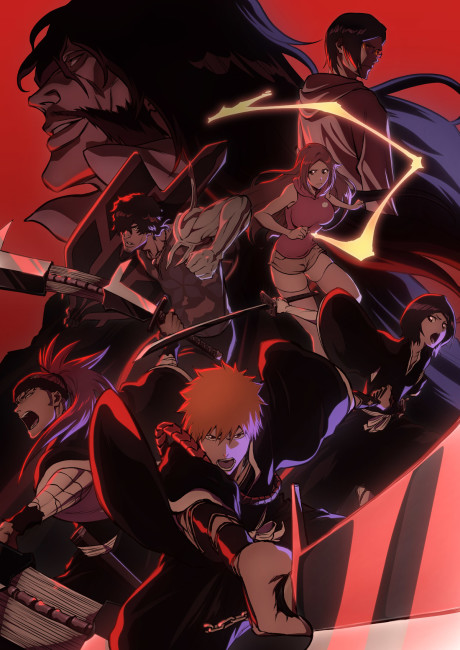
BLEACH: Thousand-Year Blood War
Was it all just a coincidence, or was it inevitable?
Ichigo Kurosaki gained the powers of a Soul Reaper through a chance encounter. As a Substitute
Soul Reaper, Ichigo became caught in the turmoil of the Soul Society, a place where deceased
souls gather. But with help from his friends, Ichigo overcame every challenge to become even
stronger.
When new Soul Reapers and a new enemy appear in his hometown of Karakura, Ichigo jumps
back into the battlefield with his Zanpakuto to help those in need. Meanwhile, the Soul Society
is observing a sudden surge in the number of Hollows being destroyed in the World of the Living.
They also receive separate reports of residents in the Rukon District having gone missing. Finally,
the Seireitei, home of the Soul Reapers, comes under attack by a group calling themselves the
Wandenreich.
Led by Yhwach, the father of all Quincies, the Wandenreich declare war against the Soul Reapers
with the following message: "Five days from now, the Soul Society will be annihilated by the
Wandenreich."
The history and truth kept hidden by the Soul Reapers for a thousand long years is finally brought
to light.
All things must come to an end as Ichigo Kurosaki's final battle begins!
📺Anime Details
📝Editorial Analysis
The air in Karakura Town doesn’t just crackle—it tears. Not with lightning, but with the sickening, wet shriek of a Hollow’s mask splitting open mid-air, revealing something older and hungrier behind it. Ichigo’s blade—Zangetsu—doesn’t gleam; it drags, heavy with exhaustion and memory, as he blocks a Quincy arrow that doesn’t shatter on impact but unravels his spiritual pressure like thread pulled from a wound. Blood isn’t red here—it’s blackened ash at the edges, clinging to broken ribs and half-regenerated flesh. This isn’t escalation. It’s unspooling: time, identity, the very architecture of the afterlife collapsing under the weight of a war that was never announced—just remembered, as if the Soul Society had always been holding its breath.
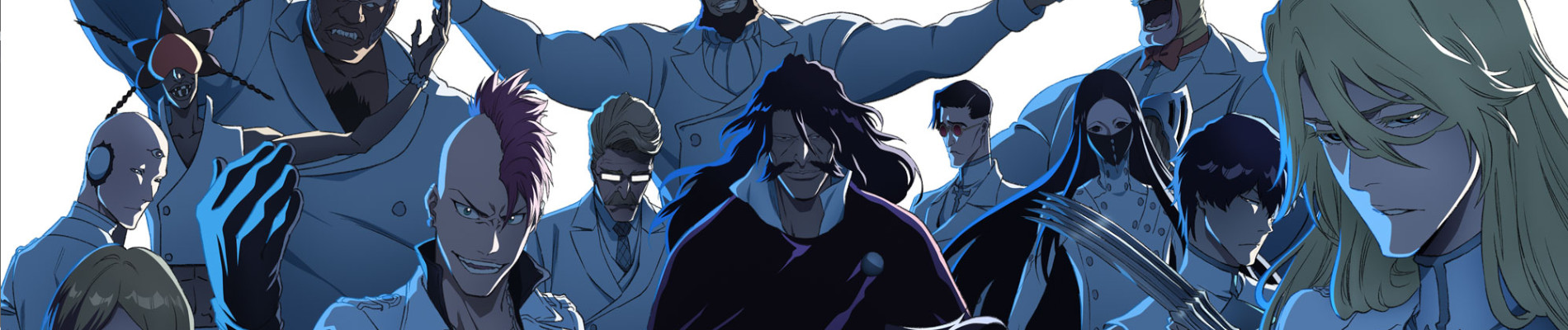
What makes BLEACH: Thousand-Year Blood War ache so deeply isn’t its scale—it’s the intimacy of erosion. You feel the grit of dried blood under fingernails, the hollow echo in a captain’s voice after losing their Bankai—not as a plot device, but as a physical absence, like missing molars. The cosmic horror isn’t distant stars or unknowable gods; it’s the realization that your soul’s shape is editable, that your memories are archival data in a corrupted server, that “self” is less a fortress and more a fraying tapestry held together by grief and stubbornness. Tragedy here isn’t dramatic irony—it’s the quiet click of a zanpakutō’s seal snapping shut for good, and the way Ichigo’s hand trembles not from fear, but from the sheer effort of remembering how to hold a sword without mourning the boy who first gripped it.
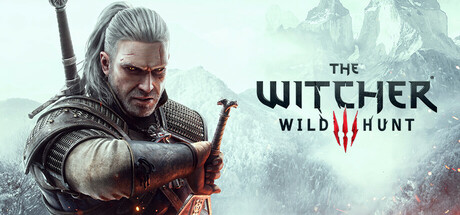
That same visceral unraveling lives in Dark Messiah of Might & Magic, where ferocious combat isn’t choreographed spectacle—it’s gritty physics, limbs twisting unnaturally on impact, spells that don’t flash but warp light and bone alike. The player review calls it “a fantastic melee combat game that still holds up”—and it does, precisely because every parry leaves your character winded, every kill stains the screen with splatter that lingers like regret. Like Ichigo’s fights, victory feels earned through bodily cost, not button-mashing. Then there’s Alice: Madness Returns, where Victorian London’s grime bleeds into Wonderland’s beautiful ghastliness—and the body horror isn’t metaphorical. It’s literal: teeth growing in wrong places, skin peeling to reveal clockwork, sanity measured in how much of your reflection you can still recognize. The review admits needing to “edit the FPS cap manually”—a fitting echo of Thousand-Year Blood War’s own technical rawness, where animation stutters feel like spiritual fatigue, where visual glitches mirror the characters’ fractured perception of reality. And The Witcher 3: Wild Hunt, with its war-torn continent and Geralt tracking Ciri—the Child of Prophecy—mirrors the anime’s emotional gravity: not just saving the world, but bearing witness to how trauma reshapes lineage, loyalty, and love across generations. The player’s note—“DLC announced 11 years after release, my favourite game keeps getting better”—echoes the anime’s own layered reclamation: every flashback, every recovered memory, every scar re-examined, deepens the wound and the meaning.
This pairing isn’t for fans of clean power-ups or triumphant fanfares. It’s for the ones who pause mid-battle to stare at their trembling hands. For players who reload a save not to avoid death—but to sit longer with the silence after a friend’s last breath. For viewers who flinch not at gore, but at the exact moment a character stops apologizing for surviving. It’s for people who understand that grief and grit share the same root word—that true strength isn’t unbroken steel, but the sound of a blade reforged over and over, each time a little duller, a little heavier, a little more true.
🎮40 Games That Match the Vibe








Match Dimensions Explained
❓Frequently Asked Questions
Why does Dark Messiah of Might & Magic feel so much like watching Ichigo vs. Yhwach’s final clash?
Because both deliver that same white-knuckle, physics-driven melee intensity—Dark Messiah’s dismemberment system and environmental takedowns (like kicking enemies into spikes or off cliffs) mirror the visceral, high-stakes swordplay and spatial awareness in BLEACH’s climax. Its Source Engine-powered combat has that rare 'weight and consequence' you get when Ichigo’s Getsuga Tenshō shatters barriers mid-fight—not just flashy, but tactile and reactive, just like the Thousand-Year Blood War’s most brutal exchanges.
Is there a BLEACH: Thousand-Year Blood War anime adaptation with playable game tie-ins?
No—there’s no official game adaptation tied to the TYBW anime (unlike older BLEACH games), but if you’re craving that same dark, emotionally charged spectacle, The Witcher 3: Wild Hunt nails it: Geralt’s morally grey choices, Ciri’s tragic arc, and battles against eldritch horrors like the Botchling echo Yhwach’s god-complex and the Soul Society’s crumbling ideals. Even its ‘Blood and Wine’ DLC mirrors TYBW’s tonal shift—gorgeous, haunting, and devastatingly personal.
How does Sacred Gold compare to The Witcher 3 for BLEACH fans who love massive battles and lore-dense worlds?
Sacred Gold throws you into chaotic, screen-filling orc hordes and sprawling Ancaria maps—great if you miss BLEACH’s large-scale Soul Society invasions—but it’s janky and unstable on modern PCs (players report crashes mid-battle). The Witcher 3, meanwhile, trades sheer numbers for emotional density: think Urahara’s quiet grief or Byakuya’s restraint, mirrored in Geralt’s quiet moments before a monster hunt or Triss’s conflicted loyalties—both demand attention to character weight, not just spectacle.
What’s the best game like BLEACH: TYBW if I want body horror, psychological dread, and surreal action—not just sword fights?
Alice: Madness Returns is your answer—its Victorian London decay and Wonderland’s rotting flesh-architecture (think teeth-lined corridors, melting clocks, and bone-thin Hatter enemies) channel TYBW’s spiritual corruption and Quincy occlusion visuals. Combat’s fast, acrobatic, and grotesque: swinging the Vorpal Blade to sever limbs or trigger hallucinatory reality shifts feels like watching Askin’s Schrift or Yhwach’s Auswählen unfold in real time—unsettling, stylish, and deeply personal.