HeXen II
🎮Game Details
💬What Players Say
"This was a really hard transition from the first game. The level design is somehow even worse with a much slower focus on gameplay. A lot of grinding with a very bloated levels and no in game map to use."
"HeXen || an und für sich ist gut, kann aber bei manchen Levels kompliziert sein, das heißt hin und wieder wird man Hilfe brauchen."
📝Editorial Analysis
You’re standing in the third chamber of the Sunken Citadel—torchlight guttering, your boots sinking slightly into damp, black stone that feels like petrified sinew. There’s no map. No compass. Just the low, wet echo of something breathing just beyond the next archway—and the knowledge, cold and absolute, that the Four Horsemen of the Apocalypse are already behind you, not ahead. Not waiting. Lurking. The official description doesn’t say “you’ll get lost.” It says they lurk in the shadows before you. And the player reviews confirm it: bloated levels, grinding, help needed “hin und wieder”—again and again—not because the game is unfair, but because it refuses to orient you. You don’t enter HeXen II; you’re swallowed.
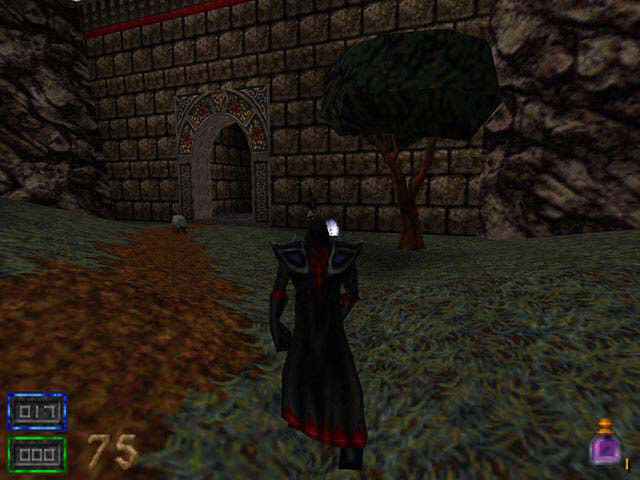
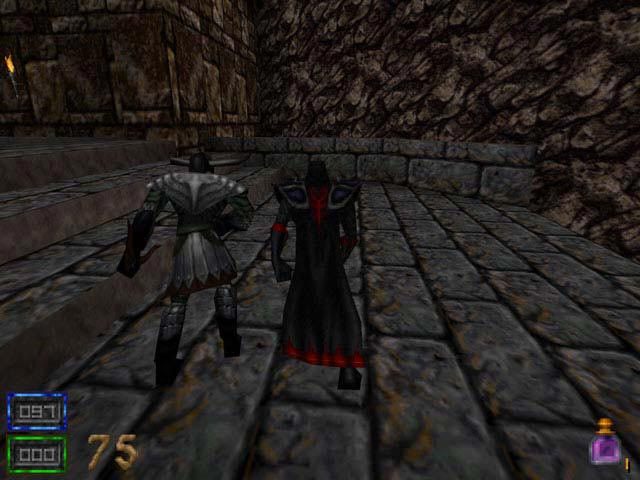
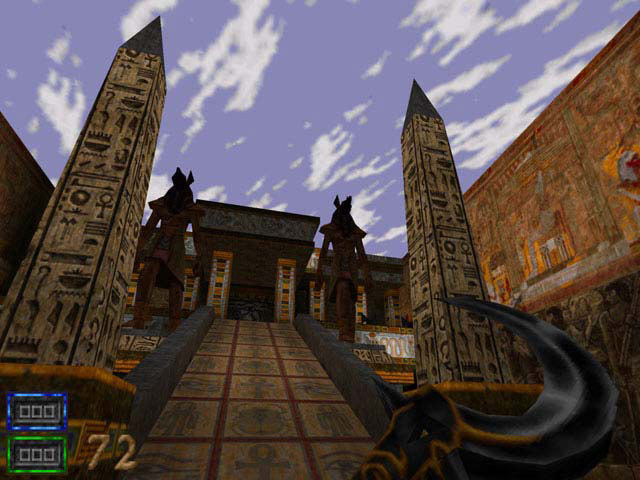
That’s the feeling: disorientation as doctrine. Not confusion from poor design—but a deliberate, suffocating erosion of spatial certainty. The world isn’t hostile because it’s hard. It’s hostile because it withholds. No minimap. No quest markers. No exposition that lands cleanly. You move through architecture that seems to remember older sins—corridors that twist back on themselves, stairwells that descend into ceilings, altars humming with the last breath of the Serpent Riders. It’s not horror built on jump scares or gore alone. It’s horror built on ontological unease: the sense that reality itself is fraying at the edges, and the Horsemen aren’t just enemies—they’re symptoms. Death, Pestilence, Famine, War—they’re not bosses you defeat. They’re atmospheric pressures, ambient forces you navigate while the last Serpent Rider—the sole remnant of a fallen god-cult—looms like a question mark carved into obsidian. That slow, grinding pace? It’s not a flaw. It’s the rhythm of dread settling into your bones.
Which is why Blood Lad hits with such eerie fidelity. Not because of its comedy or vampire tropes—but because its Dark Fantasy isn’t about grand battles; it’s about bureaucratic decay. Staz spends half the series navigating labyrinthine underworld districts where maps dissolve mid-step, where body horror isn’t just transformation—it’s infection of identity: limbs regrow wrong, memories leak into other bodies, flesh remembers spells it shouldn’t know. Like HeXen II’s levels, Blood Lad’s world resists coherence—not out of laziness, but because order itself is the illusion.
Then there’s Tokyo Ghoul: [PINTO]—not the flashy fights, but the quiet, suffocating weight of Kagune tissue pulsing under skin, of walls that seem to breathe when you’re alone in the 20th ward. The Occult here isn’t ritualistic; it’s visceral, embedded in biology. Like HeXen II’s absence of a map, [PINTO] denies psychological anchoring: characters forget names, misplace trauma, mistake allies for threats in fog-thick alleyways. Both weaponize uncertainty—not as suspense, but as environmental grammar.
And VAMPIRE HUNTER D, especially the 2000 film’s decaying gothic vistas—those endless, mist-choked valleys where castles grow into cliffs, where time folds and unspools without warning. D rides not toward clarity, but deeper into ambiguity: every ally could be cursed, every ruin might house the last Serpent Rider’s whisper. Its Dark Fantasy thrives in textural ambiguity: leather creaks like old bone, light doesn’t illuminate—it reveals fractures. Just like HeXen II’s torchlight doesn’t show you the way—it shows you how much you can’t see.
This isn’t about shared monsters or magic systems. It’s about shared resonance: a love for worlds that refuse to hold still, that treat disorientation as sacred text. Where Body Horror isn’t spectacle—it’s epistemology. Where Occult isn’t lore—it’s architecture. Where Dark Fantasy means trusting nothing that looks solid.
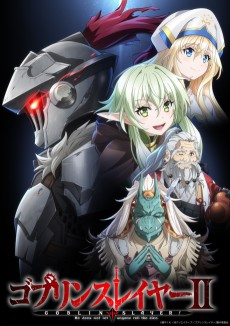
So who lives for this? The person who replays the same sewer level three times—not to “beat” it, but to feel the walls shift differently each run. The viewer who rewinds Goblin Slayer II not for tactics, but to study how candlelight pools in a goblin’s hollow eye socket—how the darkness between frames feels heavier than the violence. The one who reads Lord of Mysteries not for plot twists, but for the way every new title—“The Fool,” “The Emperor”—lands like a physical weight, altering how the page breathes. They don’t want answers. They want the texture of the question. They crave the slow, grinding descent—not into hell, but into a world that remembers hell so deeply, it’s grown teeth.
→58 Anime That Match the Vibe
Dark worlds where beauty and brutality coexist — every victory comes at a cost.

Dark worlds where beauty and brutality coexist — every victory comes at a cost.

Dark worlds where beauty and brutality coexist — every victory comes at a cost.
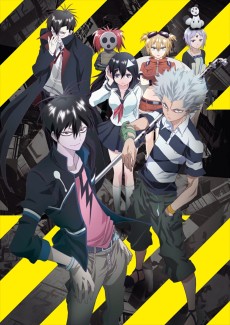
Staz’s visceral transformation into a feral, multi-limbed monstrosity during his bloodlust spiral mirrors HeXen II’s grotesque enemy designs—like the Flesh Golem’s pulsating biomass—anchoring both in 👻 Body Horror & Occult. Where HeXen II weaponizes gothic decay through crumbling crypts and necrotic magic, *Blood Lad* subverts it with comedic timing: Staz’s demonic meltdown over anime merch contrasts sharply with the game’s grim ritualism, yet both treat corruption as tactile, bodily, and darkly humorous. This friction—between reverence and parody within shared aesthetic DNA—makes their resonance unexpectedly rich.
Dark worlds where beauty and brutality coexist — every victory comes at a cost.
Dark worlds where beauty and brutality coexist — every victory comes at a cost.
![Tokyo Ghoul: [PINTO]](https://s4.anilist.co/file/anilistcdn/media/anime/cover/medium/bx21326-Vmunxqzj1umc.jpg)
Shuu Tsukiyama’s obsessive, almost ritualistic dissection of a ghoul corpse in *Tokyo Ghoul: [PINTO]*’s OVA mirrors HeXen II’s visceral altar-sacrifices—both weaponize body horror not for shock, but as devotional grammar. Where HeXen II renders occult power through flayed flesh and arcane glyphs carved into living stone, [PINTO] frames Tsukiyama’s elegance as a dark fantasy liturgy, his knife a thaumaturgic tool. This isn’t just shared aesthetic—it’s a rare alignment of horror as sacred, intimate, and tragically precise.
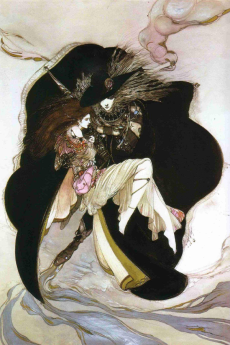
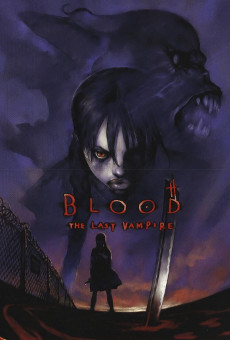
That desolate, rain-lashed wasteland where D confronts the ancient, biomechanical horror of the Meier Link clan—its flesh-metal fusion echoing Hexen II’s grotesque, writhing Flesh Golems. Where Hexen II weaponizes occult ritual through runic glyphs and blood sacrifice, Vampire Hunter D (1985 film) grounds its dark fantasy in gothic decay and cybernetic body horror—both treat corruption as visceral, anatomical unraveling. Surprisingly, their shared dread isn’t just supernatural: it’s the terror of technology and magic collapsing into the same rotting flesh.
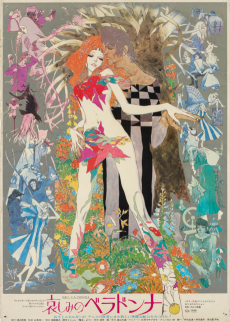
Dark worlds where beauty and brutality coexist — every victory comes at a cost.
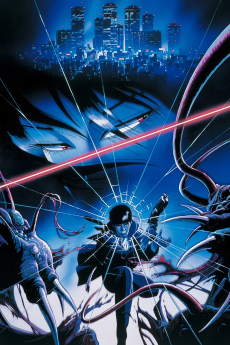
Dark worlds where beauty and brutality coexist — every victory comes at a cost.







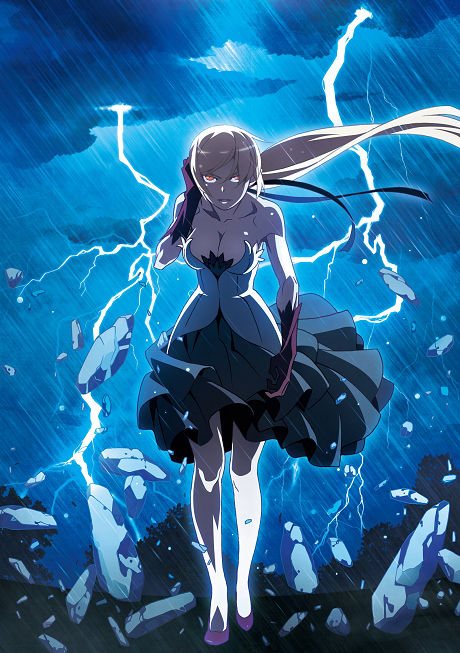









![Fate/stay night [Heaven’s Feel] III. spring song](https://s4.anilist.co/file/anilistcdn/media/anime/cover/large/bx21719-MSdTlkno0Z0u.jpg)







Match Dimensions Explained
❓Frequently Asked Questions
Why is Blood Lad recommended for HeXen II fans despite the comedy?
Because beneath the slapstick, Blood Lad nails HeXen II’s core vibe: occult academia meets visceral body horror—like when Staz rips off his own arm to reattach it mid-fight (just like HeXen II’s dismemberment mechanics), or when the Demon World’s crumbling, labyrinthine dungeons mirror the game’s bloated, mapless levels where you *will* get lost. It even name-drops apocalyptic horsemen in Season 2’s ‘Crimson Night’ arc.
Is there an anime adaptation of HeXen II?
No—HeXen II has never been adapted into anime. But if you’re craving that same grim, occult-heavy atmosphere with Serpent Riders and Four Horsemen lore, Tokyo Ghoul: [PINTO] hits hard: Kaneki’s grotesque transformations echo HeXen II’s body horror, and the CCG’s secret rituals feel straight out of the game’s forbidden grimoires—especially that chilling ‘V’-shaped scar scene in Episode 4, which mirrors the Serpent Riders’ sigils.
How does Goblin Slayer II compare to VAMPIRE HUNTER D for HeXen II vibes?
Goblin Slayer II leans harder into HeXen II’s punishing, grind-heavy dungeon crawling—think the ‘Doomed Keep’ level where you backtrack endlessly without a map, just like GSII’s claustrophobic goblin warrens and mandatory save-scumming. Vampiric Hunter D, meanwhile, matches the gothic scale and Serpent Rider mystique: D’s encounters with ancient, godlike entities (e.g., the Crimson Moon’s final form) parallel facing the last Serpent Rider in HeXen II’s climax—both demand respect, not just reflexes.
What’s the best anime like HeXen II if I want that oppressive, no-map dread?
Lord of Mysteries—it’s *the* pick. Like HeXen II’s infamous ‘Tower of the Serpent’ level (no map, looping corridors, sudden ambushes), LoM’s early chapters trap Klein in fog-choked, dimensionally unstable streets of Trafalgar where even compasses lie. The ‘Occultist’ class progression system even mirrors HeXen II’s spell-grinding: you’ll spend episodes mastering one cursed ability—just like spamming ‘Frost Shards’ for 20 minutes to clear Pestilence’s lair.