
Re:ZERO -Starting Life in Another World-
In the story, Subaru Natsuki is an ordinary high school student who is lost in an alternate world, where he is rescued by a beautiful, silver-haired girl. He stays near her to return the favor, but the destiny she is burdened with is more than Subaru can imagine. Enemies attack one by one, and both of them are killed. He then finds out he has the power to rewind death, back to the time he first came to this world. But only he remembers what has happened since.
(Source: Anime News Network)
Notes:
In the Winter 2020 season, Re:ZERO was rebroadcast and re-edited to fit into an hour time-slot. This edit included the first OVA and added slight modifications to certain scenes throughout. It also added an additional scene at the end of the final episode.
📺Anime Details
📝Editorial Analysis
The first time Subaru screams—not in rage, but in raw, animal terror—as the carriage lurches sideways and the world dissolves into red static, you don’t just watch his death. You remember it. Not because you’ve seen it before, but because he has. And when he wakes up gasping on that cobblestone street again, blinking up at the silver-haired girl who hasn’t yet learned to trust him, the air doesn’t reset—it thickens, heavy with unspoken grief, with the weight of every corpse he’s buried inside his skull.
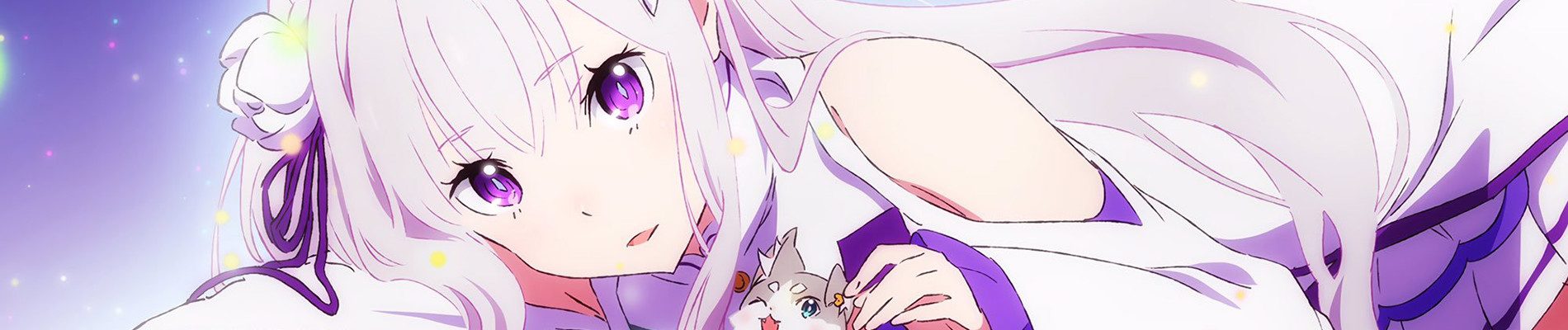
That’s the atmosphere: not despair as a mood, but accumulation. Every alleyway holds echoes. Every smile from Emilia carries the ghost of her earlier, broken expression—the one he failed to prevent. This isn’t fantasy escapism. It’s psychological gravity. The medieval setting isn’t backdrop—it’s texture: damp wool cloaks, iron-tanged blood on cold stone, candle wax pooling like congealed time. The curse isn’t just magic—it’s memory made physical, a wound that refuses to scar over because every time it opens, he’s the only one who feels the stitches tear anew. You don’t feel powerful watching Re:ZERO—you feel exposed, hyper-aware of consequence, of fragility, of how easily love curdles into guilt when you’re the only one carrying the ledger.
Which is why TimeShift™ lands like a gut punch. Its description nails the same core paradox: “Dr. Aiden Krone has made a Time Jump across the space-time continuum—a reckless act with frightening consequences. Now, a disturbing alternate reality has…” That ellipsis? It’s the same silence after Subaru wakes up for the fourth time in the same alley, realizing the “disturbing alternate reality” isn’t out there—it’s in him. The player review calls it “a blast, but it takes a little work to get it into a playable state”—and that’s Re:ZERO’s entire emotional contract: the thrill of control (rewind! survive!) is inseparable from the labor of repair (fix the glitch, fix the trust, fix yourself). Both demand you wrestle with systems that resist clean solutions—time isn’t a tool here. It’s a wound you keep reopening.
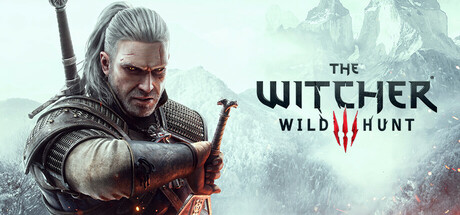
Then there’s The Witcher 3: Wild Hunt, where Geralt tracks Ciri through a war-torn, monster-infested continent—and every choice sticks, every loss lingers. The description doesn’t say “tragedy,” but it breathes it: “Before you stands a war-torn, monster-infested continent you can explore at will.” That “at will” is chillingly ironic—Geralt moves freely, yet is bound tighter than any chain by duty, by memory, by the child he can’t save quite in time. The player review—“DLC announced 11 years after release, my favourite game keeps getting better…”—mirrors Re:ZERO’s own slow-burn ache: the story doesn’t end; it deepens, layering new sorrow onto old wounds until even hope feels like a kind of exhaustion. Both refuse catharsis as relief. They offer catharsis as recognition: yes, this hurts. Yes, you’ll carry it.
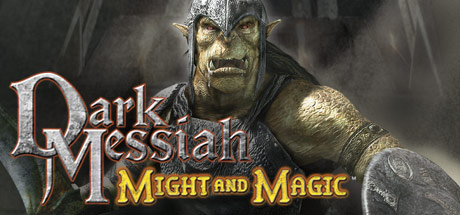
And Dark Messiah of Might & Magic, with its “ferocious combat in a dark and immersive world” and “Body Horror & Occult” dimension? That’s the visceral counterpoint—the moment Subaru’s arm snaps under a guard’s boot, or when the Witch Cult’s rituals twist flesh into screaming geometry. The player review notes it “still holds up pretty well today”—because body horror isn’t about shock. It’s about continuity of violation. Just like Subaru’s loops, the horror isn’t the break—it’s the repetition of the break, the way trauma reshapes perception until the line between self and wound blurs. When the game’s Source Engine makes every parry grind, every fall thud, it echoes Re:ZERO’s refusal to let pain be abstract. Blood isn’t red pixels. It’s warm, sticky, smelling of rust and salt—and it’s always, always on your hands.
This pairing isn’t for fans of power fantasies or tidy endings. It’s for the ones who replay a boss fight not to win faster—but to see if they can make the final blow land softer. For the reader who bookmarks pages not for plot, but for the exact sentence where a character’s voice cracks just before they lie. For the person who watches Emilia’s trembling fingers brush Subaru’s wrist—not because it’s romantic, but because it’s the first time in dozens of timelines she’s reached out without flinching. They don’t want escape. They want witness. And in both Re:ZERO and these games, you’re not granted safety—you’re granted presence. Raw, trembling, unforgettable presence.
🎮24 Games That Match the Vibe


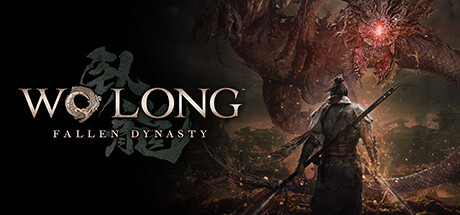
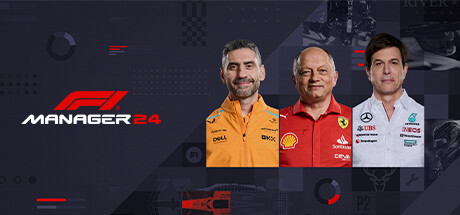
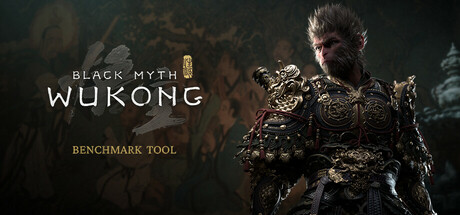
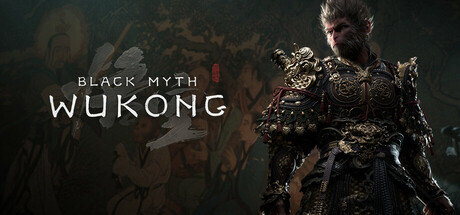
Match Dimensions Explained
❓Frequently Asked Questions
Why is TimeShift™ listed as similar to Re:ZERO despite having no anime adaptation or isekai plot?
Because Re:ZERO’s core emotional gut-punch comes from its brutal time-loop mechanics and the visceral horror of memory loss—exactly what TimeShift™ delivers through Dr. Aiden Krone’s fractured timeline jumps and body-horror consequences (like decaying limbs mid-rewind). It’s not about isekai tropes—it’s about *feeling* trapped in a collapsing reality, just like Subaru screaming in the mansion basement.
Is there a Re:ZERO visual novel or RPG adaptation I can play right now?
No official Re:ZERO visual novel or full RPG exists—but The Witcher series nails the vibe you’re craving: morally grey choices with lasting fallout (like Geralt choosing between Yennefer and Triss in The Witcher: Enhanced Edition Director's Cut), plus that same dense, emotionally devastating storytelling where one wrong word can doom someone you love—just like Emilia’s ‘I don’t know who you are’ moment.
How does Dark Messiah of Might & Magic compare to The Witcher 2 for Re:ZERO fans who love intense, consequence-heavy combat?
Dark Messiah leans harder into raw, physics-driven melee chaos—think Subaru’s desperate, flailing fights against the Sin Archfiends, but with bone-crunching dismemberment and spell-slinging that feels dangerously unstable. The Witcher 2 counters with tighter narrative stakes and political weight (like Roche vs. Iorveth branching paths), where every sword swing ties directly to character loyalty—much like how Subaru’s survival hinges on who trusts him *in that moment*.
What’s the best game like Re:ZERO if I want that suffocating, emotionally exhausting ‘dying over and over’ feeling—but with more mature, adult themes?
The Witcher 3: Wild Hunt is your answer—especially the Blood and Wine DLC, where Geralt relives trauma, makes agonizing choices with no clean outs, and watches relationships fracture under unbearable pressure (Ciri’s arc mirrors Subaru’s self-loathing spiral). Its ‘Adult & Dark Seinen’ dimension means no hand-holding: you’ll sit with guilt, grief, and ambiguity for hours—just like rewatching Episode 17 after every failed reset.