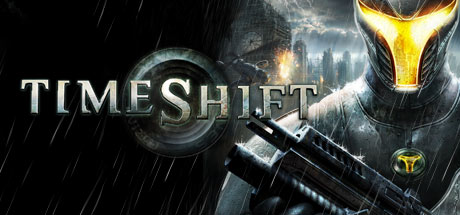
TimeShift™
Master time to become the ultimate weapon! Dr. Aiden Krone has made a Time Jump across the space-time continuum - a reckless act with frightening consequences. Now, a disturbing alternate reality has evolved within the bleak and rain-soaked Alpha District.
🎮Game Details
💬What Players Say
"this little 4 hour game is a blast, but it takes a little work to get it into a playable state. check the community pages for help doing so!"
"the issues with the game not starting is mostly because you have quad channel ram."
"I love this game, its just under 4GB and delivers great post apocalyptic AI stuff, every gun refects this nature of the game, there are tons of guns you get when you progress the storyline including flame guns and crazy laser gunS, guns also have great animations, sound effects and smoke effects especially considering this game was launched in 2007. The story is very well paced and engaging. My favourite thing is alot of emotional moments especially in the beginning including a soldier helping a nearly dead soldier, game giving you a chance to save an NPC, your companion dying in front of you, watching a soldier of your team trying to help you but getting shreaded into pieces in the process and you get to see it and you cant do anything to save him...."
📝Editorial Analysis
Rain slicks the cracked asphalt of the Alpha District—not gently, but in cold, insistent sheets that blur the flicker of dying neon into bleeding halos. You’re standing there, soaked and breathing hard, after your first successful Time Jump: the world stutters—lights freeze mid-pulse, a bullet hangs suspended like a black teardrop inches from your temple—and then snap, you’re behind the shooter, gun raised, heart hammering not just from adrenaline but from the sheer wrongness of having just torn continuity apart. That’s TimeShift™—not as a mechanic, but as a sensation: the vertigo of causality unspooling, the dread of what Dr. Aiden Krone’s “reckless act” has already done to time itself, before you even pull the trigger.
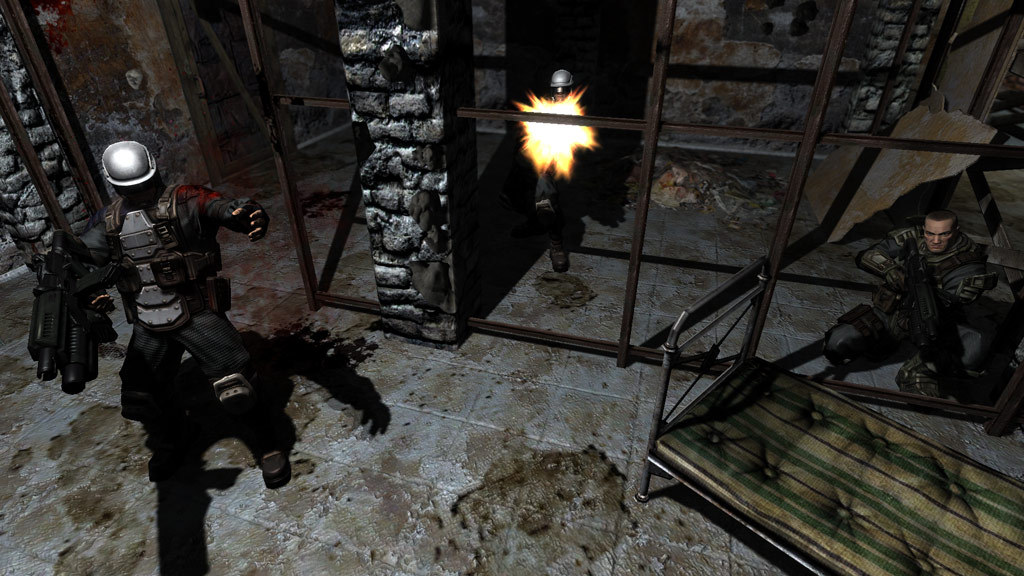
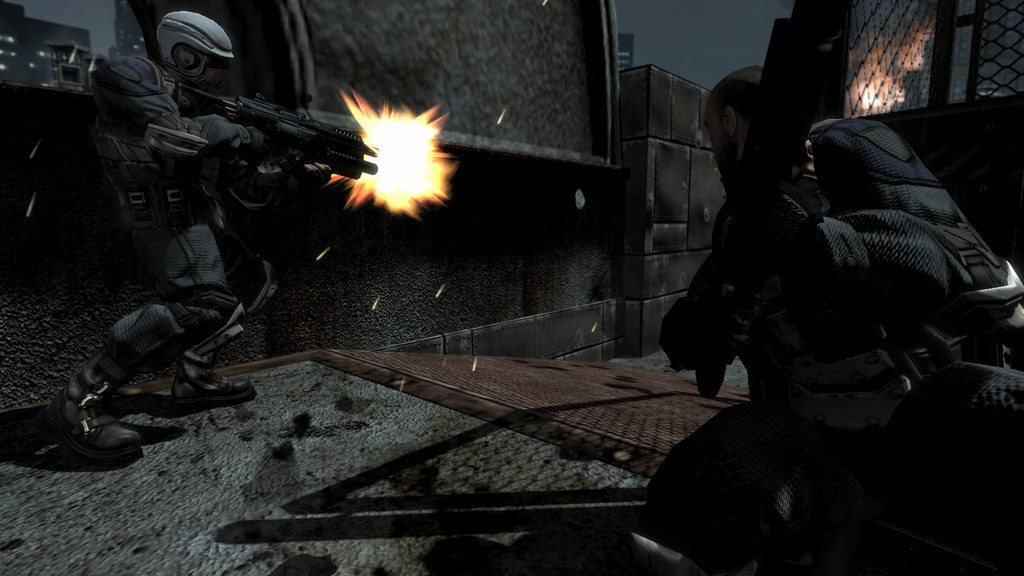
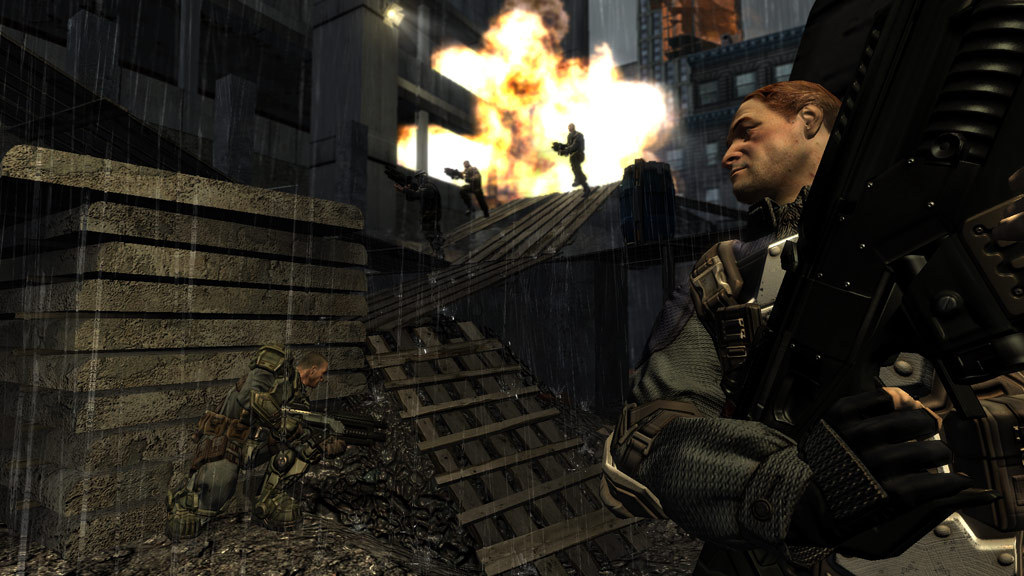
This isn’t dystopia as backdrop—it’s dystopia infused with temporal decay. The official description calls it a “disturbing alternate reality,” and the player reviews confirm its texture: a “bleak and rain-soaked” world where every gun you earn reflects this nature of the game, where the very hardware struggles to run it—quad-channel RAM glitches, community patches required, the game barely holding itself together like frayed chroniton wiring. It makes you feel unmoored, not just in story but in interface: the fragility of the simulation mirrors the fragility of time itself. You don’t just fight AI soldiers—you fight the erosion of sequence, of cause, of memory made unreliable by constant rewinding. It’s less about saving the future and more about surviving the aftermath of your own intervention, where every reload feels like a confession.
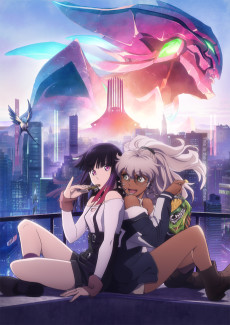
Cosmic Princess Kaguya! shares that same breathless dissonance between celestial scale and intimate rupture—time and memory aren’t tools here, but wounds. Its sci-fi grandeur and cyberpunk grit fuse in moments where ancient lunar tech glitches against neon-lit Tokyo alleyways, just as TimeShift™’s post-apocalyptic AI warfare bleeds into the rain-slicked, physics-bending architecture of the Alpha District. Both treat time not as a line but as a scar tissue—stretched, torn, re-knitted poorly.
MEGALOBOX 2: NOMAD lands with the same exhausted weight. Its cyberpunk dystopia isn’t flashy—it’s gritty, lived-in, layered with rust and regret. Like TimeShift™, it’s obsessed with consequence: every punch in NOMAD echoes across fractured relationships; every Time Jump in the game leaves ghost-echoes in the environment—flickering duplicates, stuttering audio, corrupted HUD elements players report stumbling upon mid-fight. Both refuse catharsis. There’s no triumphant reset—just survival in the cracks between timelines, where memory frays and identity blurs under systemic collapse.
And then there’s Steins;Gate, which doesn’t just use time travel—it punishes curiosity. The 84-point match isn’t accidental: both fixate on the horror of small choices metastasizing into irreversible divergence. Dr. Krone’s jump isn’t heroic—it’s hubristic, lonely, echoing Okabe’s desperate, looping attempts to undo one fatal email. The “post apocalyptic AI stuff” in TimeShift™, the way every weapon feels designed for a broken timeline, mirrors Steins;Gate’s lab-coat anxiety—the sense that science didn’t liberate you; it exiled you from coherence.
You’d love this pairing if you’ve ever paused mid-gameplay—not to check a walkthrough, but because the rain hitting your window suddenly matched the downpour in the Alpha District too exactly; if you rewatched Haruhi’s time-loop episode not for the jokes, but for how the silence after the reset felt heavier than the chaos before; if you keep your PC’s RAM configuration documented not just for performance, but because hardware fragility reminds you how thin the membrane is between control and collapse. This is for the ones who don’t just play or watch—they linger in the glitch, in the rain, in the half-second between when time stops… and when it remembers it shouldn’t have.
→135 Anime That Match the Vibe
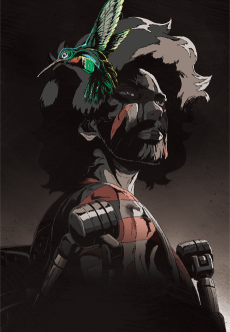
Dr. Aiden Krone’s fractured time jumps mirror Gearless Joe’s disoriented return to a ravaged Tokyo in *MEGALOBOX 2: NOMAD*—both men navigate dystopian ruins haunted by memory and consequence. Unlike most time-bending narratives, neither work treats time as escapism; instead, ⏳ Time & Memory becomes a wound reopened with every leap or flashback, binding Krone’s temporal instability to Joe’s PTSD-fueled amnesia. That shared refusal to let the past stay buried makes their cyberpunk despair feel terrifyingly tactile.

Dr. Krone’s fractured time-jumps—where neon-lit ruins flicker between past and present—echo Kaguya’s celestial amnesia in *Cosmic Princess Kaguya!*, where lunar memories dissolve like starlight in Tokyo’s rain-slicked cyberpunk alleys. Unlike most time-benders, both anchor their chaos in 🌆 Cyberpunk & Dystopia: Krone’s war-torn cityscape mirrors Kaguya’s glittering, oppressive orbital palace—a shared tension between technological control and fragile human recollection. That collision of 🕒 Time & Memory feels startlingly intimate, not grandiose: a stolen second, a forgotten lullaby, a glitch in reality’s code.
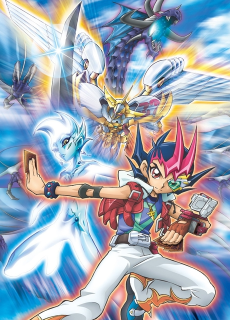
Connected through 3 aesthetic dimensions.
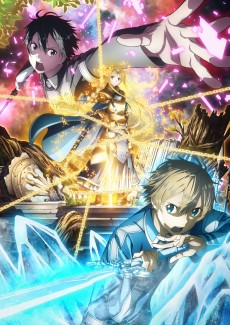
Dr. Krone’s fractured time-jumps mirror Kirito’s disorientation in the Underworld’s “accelerated time” — where minutes outside equal years within, warping memory and identity. Unlike most cyberpunk tales fixated on neon cities, both anchor their dystopia in temporal distortion: TimeShift™ weaponizes chronology as physics, while Alicization weaponizes it as consciousness architecture. This shared obsession with ⏳ Time & Memory makes their bleak, recursive worlds feel hauntingly symbiotic — not just similar, but philosophically entangled.
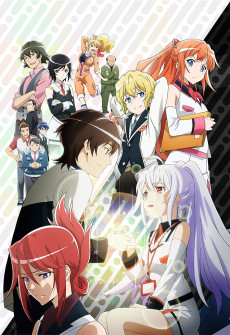
A rain-slicked Neo-Kyoto street in *Plastic Memories*, where Tsukasa wipes condensation from a Giftia’s cooling face, pulses with the same temporal fragility as Dr. Krone’s fractured lab in *TimeShift™*—where every time-jump fractures memory like glass. Unlike most cyberpunk tales fixated on control, both anchor their dystopias in ⏳ Time & Memory: one through Giftias’ 9-year lifespan erasing bonds, the other through Krone’s unraveling identity across timelines. That shared ache—of love measured in expiration dates and paradoxes—makes their resonance startlingly tender, not just technologically grim.
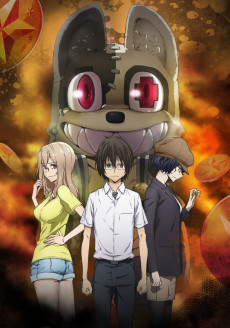
Dr. Krone’s fractured time-jumps mirror Shuuichi’s unstable transformations—each rupture destabilizes identity and memory. Where *TimeShift™* weaponizes temporal distortion in sterile labs and war-torn cities, *Gleipnir* embeds 🕒 Time & Memory in visceral, intimate moments: Shuuichi’s fragmented recollections of his sister, the looping dread before each shift. This shared obsession with time as a corrosive, embodied force—not just plot device but psychological wound—makes their resonance startlingly human beneath the sci-fi sheen.

Dr. Krone’s fractured time-jumps—where rewinding erases allies mid-sentence—echo Kyon’s disorienting loop in *The Melancholy of Haruhi Suzumiya*’s 2009 “Endless Eight” arc, where eight identical summer days collapse memory and agency. Unlike most sci-fi pairings, this resonance isn’t about tech specs but how ⏳ Time & Memory warp identity: Krone battles causality’s violence, while Kyon endures repetition’s quiet erosion of self. It’s startling how both use temporal mechanics not for spectacle, but as psychological pressure—making time itself feel claustrophobic, intimate, and deeply human.

TimeShift™’s rain-slicked, decaying Neo-San Francisco and No.6’s claustrophobic, biotech-saturated West Block breathe the same air—both saturated in bruised neon, flickering CRT static, and the low hum of failing infrastructure. Their shared grief lives in fragmented memories: Jack’s temporal disorientation mirrors Shion’s trauma-induced blackouts, while both worlds weaponize memory—TimeShift™ ...
Connected through 2 aesthetic dimensions.
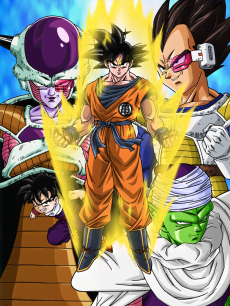
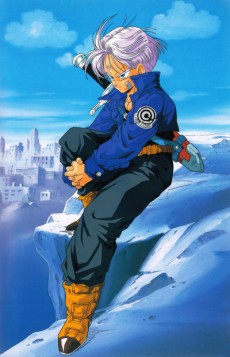
TimeShift™’s rain-slicked, neon-bleached Neo-San Francisco and DBZ Kai’s scorched, gravity-warped battlefields—like the Namekian wastelands or Cell Games arena—share a tactile, high-contrast dystopian grit: flickering holographic interfaces bleed into Ki aura flares; fractured time-dilation sequences mirror Goku’s slowed perception mid-combo. Both weaponize memory as physical terrain—Dr. Aiden’...



















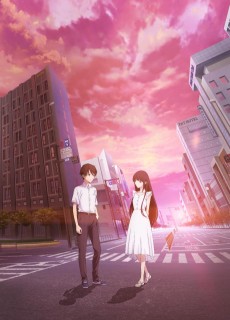
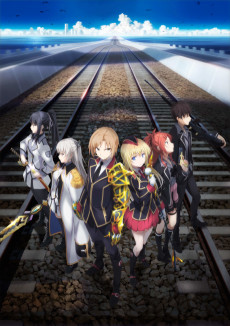


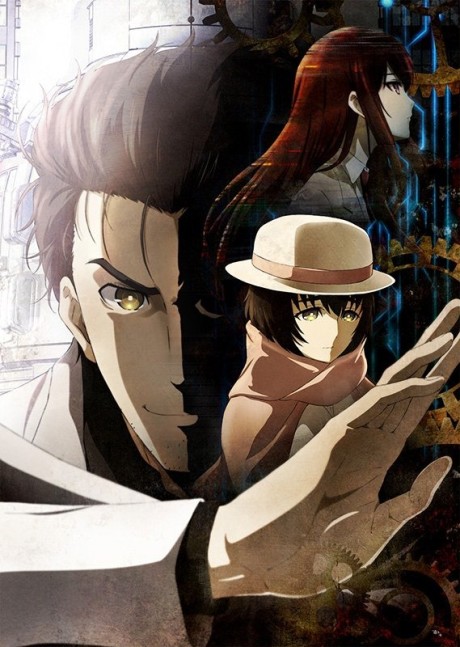


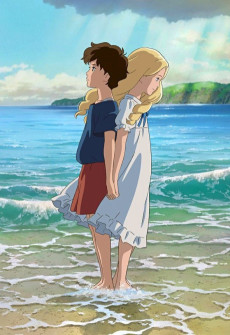



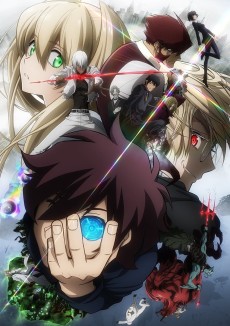

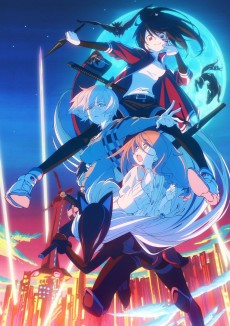




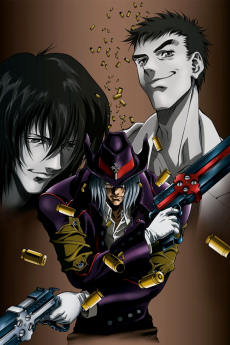
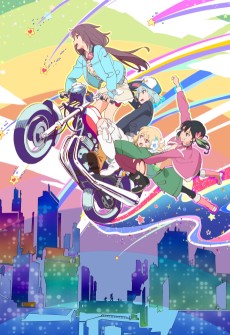
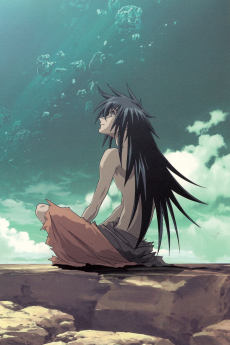
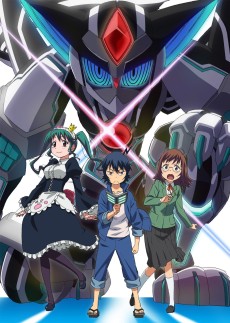






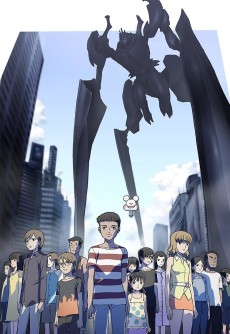
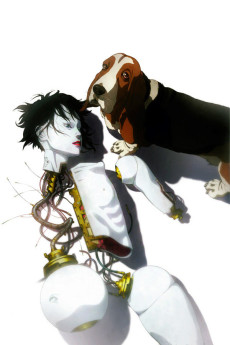

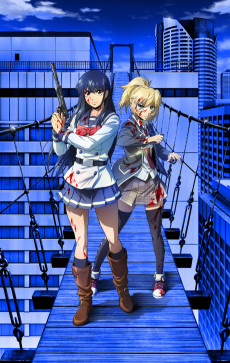
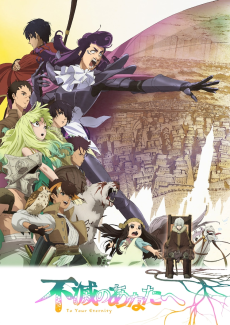


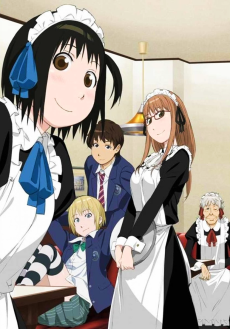
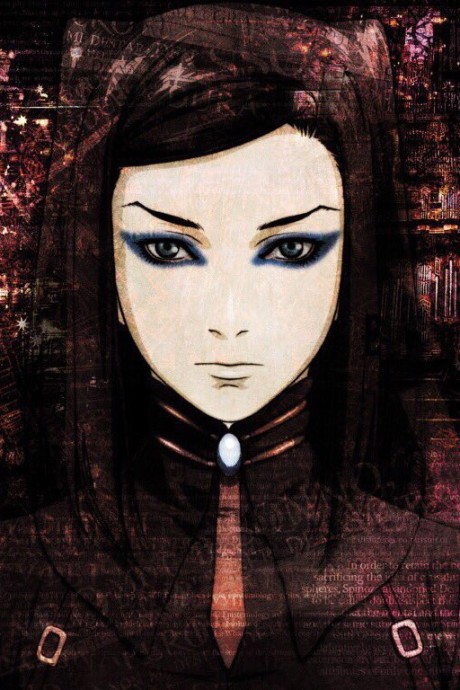
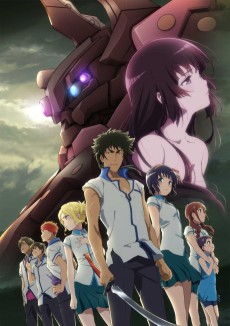








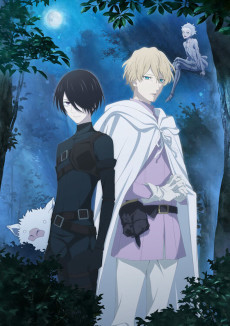








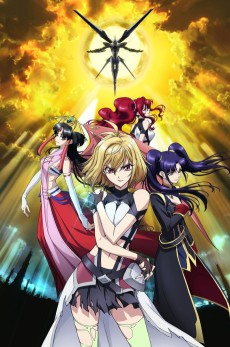
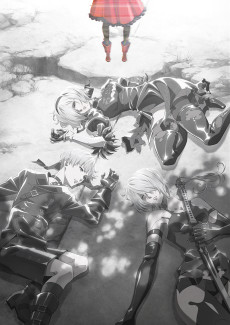
Match Dimensions Explained
❓Frequently Asked Questions
Why is Steins;Gate on the 'Anime Like TimeShift™' list when it’s not cyberpunk?
Great question—it’s because both dive deep into the 'Time & Memory' dimension with high-stakes, cause-and-effect consequences: like Dr. Krone’s reckless Time Jump fracturing reality, Okabe’s Phone Microwave experiments trigger worldline shifts that rewrite memories and relationships (think the lab’s blood-smeared floor after Kurisu’s death in Episode 23). The shared 'Cyberpunk & Dystopia' tag isn’t about neon cities—it’s about oppressive systems weaponizing tech: SERN’s surveillance state mirrors TimeShift’s Alpha District AI overlords.
Is there a MEGALOBOX 2: NOMAD anime adaptation of TimeShift™?
Nope—TimeShift™ is a standalone game, and MEGALOBOX 2: NOMAD is its own original anime (no game adaptation). But they vibe hard: both feature gritty, rain-lashed dystopias where time manipulation isn’t flashy—it’s brutal and personal. Just like Jin’s Nomad arc uses flashbacks to reframe his identity and trauma, TimeShift’s fractured timeline forces Krone to confront how his choices warped memory itself—especially in those glitchy, distorted cutscenes where the Alpha District flickers between past/present.
How does Cosmic Princess Kaguya! compare to TimeShift™ in terms of time mechanics?
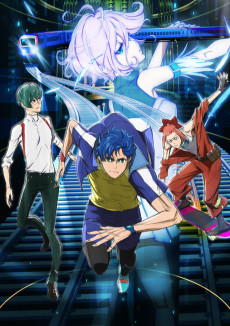
Cosmic Princess Kaguya! leans into poetic, nonlinear time—like Kaguya’s moon-bound memories bleeding into present-day Tokyo—but TimeShift™ is all about tactical, physics-based time-jumping: freeze enemies mid-air, rewind bullet trajectories, or dodge through collapsing corridors like Krone does in the reactor core sequence. Both score 85 on 'Time & Memory' and 'Cyberpunk & Dystopia', but Kaguya’s time feels dreamlike and emotional, while TimeShift’s is a weaponized, glitchy, tactile system you *feel* in your controller.
What if I love body horror and occult themes—what’s the best anime like TimeShift™ for that mood?
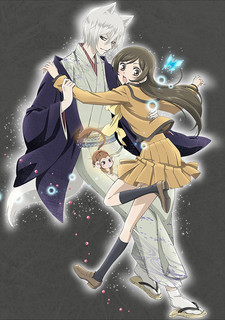
Go straight to Kamisama Kiss◎ OVA—it’s the only match on the list scoring 84 in 'Body Horror & Occult' (and also nails 'Time & Memory'). While TimeShift™ shows Krone’s body rejecting temporal stress via visual static and corrupted HUD overlays, Kamisama Kiss◎ dives into visceral transformation: Nanami’s cursed fox form, the grotesque flesh-melding of the Yōkai Council’s rituals, and time loops that warp identity—not just memory. It’s less rain-soaked gunplay, more eerie shrine grounds where every second bends toward something ancient and unsettling.