
Magic Maker: How to Make Magic in Another World
📺Anime Details
📝Editorial Analysis
The scent of wet clay and crushed mint hangs in the air as he kneels beside the child—small fingers pressing into soft earth, learning to coax a single blue flower from barren soil. No grand incantation, no explosive spellwork—just quiet hands, shared breath, the weight of a tiny hand trusting his own. That moment isn’t spectacle. It’s tenderness, thick and real as morning mist over the village fields.
What makes Magic Maker: How to Make Magic in Another World breathe differently isn’t its isekai premise or medieval setting—it’s how deeply it roots magic in care. Magic here isn’t power to dominate or escape; it’s slow, tactile, intergenerational labor—rebuilding lost knowledge not through conquest, but through teaching a child to read star-charts by firelight, stitching wards into baby blankets, translating crumbling tablets while holding a sleeping adopted daughter. It makes you feel grounded, even when demons whisper at the forest’s edge. You think about time—not as something to reverse or weaponize, but as something woven: memory passed like heirloom seeds, lineage measured in healed fractures and mended pots, not bloodlines. This is fantasy that hums with family life, where the most dangerous ritual might be coaxing a stubborn herb to bloom—and the greatest victory, watching someone else finally do it alone.
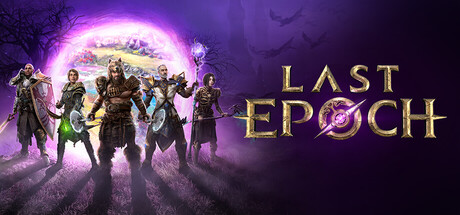
That same resonance lives in Last Epoch, where time isn’t just a mechanic—it’s memory made physical. The game’s “Time & Memory” dimension mirrors the anime’s reverence for legacy: skills evolve across generations of characters, echoes of past builds linger in relics, and every skill tree branch feels like tracing a lineage of thought—much like the protagonist reconstructing lost magical theory from fragmented texts while raising his daughter. A player notes its “Body Horror & Occult” layer, but what binds it to Magic Maker is how both treat the occult not as shock, but as inheritance—a language half-remembered, written in scars and star charts alike.
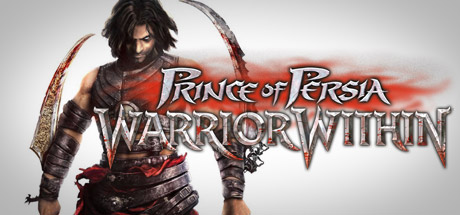
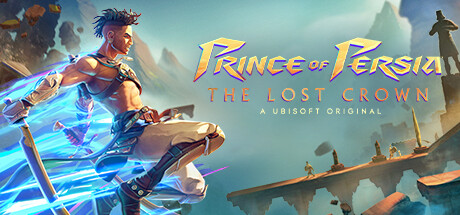
Then there’s Prince of Persia, especially the newest iteration—its “Healing & Slow Life” dimension hits with startling precision. The description calls it an “epic journey” built on melancholic exploration, and the player review mentions “new lands and a brand new story completely separate”—yet that separation feels earned, not erased. Like the anime’s protagonist, this Prince doesn’t arrive with destiny—he arrives with grief, with responsibility, and slowly learns to move with time rather than against it. His traversal—leaping across crumbling ruins, restoring broken fountains, listening to elders’ fragmented songs—mirrors the anime’s quiet archaeology: rebuilding civilization one repaired loom, one translated glyph, one shared meal at a time. There’s no triumphant coronation—just the deep, aching satisfaction of water returning to dry earth.
Even Sacred Gold, with its janky systems and unstable modern ports, shares that core ache. Its description frames Ancaria as a kingdom fallen under “a shadow of evil,” demanding champions who journey “into the perilous world”—but the player review doesn’t praise polish; it endures the jank because the feeling persists: melancholic exploration, yes, but also ritual. Swinging a sword at ogres isn’t cathartic—it’s weary, necessary, communal. Like the anime’s demon-slaying isn’t glory—it’s fence-mending after the storm, checking on neighbors, burning sage in doorways. Both understand that safety isn’t won once; it’s renewed, daily, imperfectly.
This pairing sings loudest for the viewer who watches a healing spell and wonders who taught the first healer, for the player who pauses mid-combat to watch sunlight hit a ruined archway and thinks someone carved this for love, for anyone who finds holiness in the act of making soup for three generations around one table. Not escapists—keepers. People who know that magic isn’t in the flash, but in the fingers remembering how to hold.
🎮39 Games That Match the Vibe



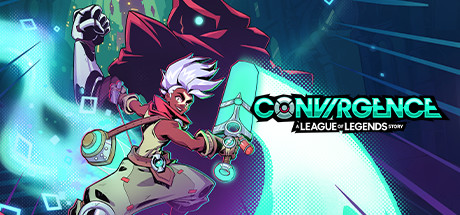
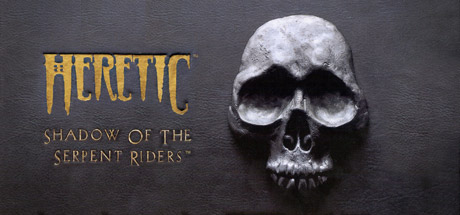
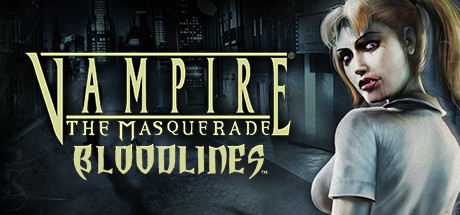
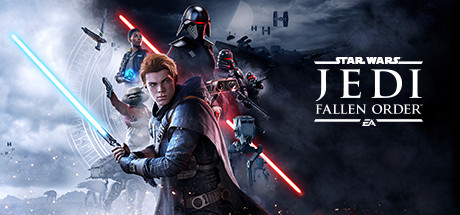





Match Dimensions Explained
❓Frequently Asked Questions
Why does Last Epoch feel so much like Magic Maker’s 'Time & Memory' magic system?
Because both lean hard into nonlinear time manipulation—Last Epoch’s Chronomancer class lets you rewind damage taken, freeze enemies mid-swing (like that iconic ‘time-stutter’ moment in Magic Maker’s library flashback), and even spawn temporal clones during boss fights. Its ‘Echoes of the Past’ skill tree directly mirrors Magic Maker’s memory-layered spellcasting, where every choice reshapes your timeline—just like when Kael rewrites his childhood ritual in Chapter 7.
Is there a Prince of Persia anime or manga adaptation I can watch while waiting for Magic Maker’s anime?
No official Prince of Persia anime or manga exists—but the 2024 reboot *does* borrow heavily from anime-adjacent visual storytelling: think the melancholic, rain-slicked ruins of Azad echoing *Made in Abyss*’s tone, or the Prince’s silent, expressive face animations mirroring *Demon Slayer*’s emotional restraint. Warrior Within’s Dahaka chase sequences? Pure *Berserk* energy—no adaptation needed, just replay that rooftop sprint at midnight.
How is Sacred Gold different from Prince of Persia in terms of exploration vibe?
Sacred Gold leans into grim, janky melancholy—imagine trudging through the Blighted Marsh at 3am, your character stuttering over broken terrain while undead wraiths whisper in distorted Latin (that ‘Melancholic Exploration’ dim hits hard). Prince of Persia (2024) trades that grit for poetic solitude: gliding across sun-bleached cliffs with no HUD, listening to wind chimes echo off ancient walls—less ‘buggy pilgrimage’, more ‘silent poem with parkour’.
What’s the best game like Magic Maker if I want that eerie, slow-burn occult dread instead of flashy spells?
BioShock Infinite—it’s got the Body Horror & Occult dimension locked in tight. Think Elizabeth’s tears revealing grotesque alternate realities where Comstock’s cult surgically grafts wings onto children, or that gut-punch moment in Finkton’s asylum where reality peels back to show pulsating, vein-like architecture. No fireballs here—just whispered incantations, warped physics, and the slow, chilling realization that *you’re* the anomaly.