Ghost in the Shell 2: Innocence
📺Anime Details
📝Editorial Analysis
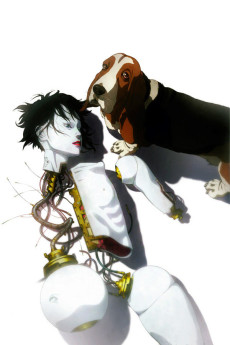
The rain in Ghost in the Shell 2: Innocence doesn’t fall—it settles, thick and slow, clinging to the chrome ribs of abandoned gynoids in a derelict doll factory. You watch Batou’s gloved hand hover over a shattered porcelain face, its painted eyes still open, one iris cracked like a dried riverbed. No music swells. No dialogue explains. Just the low hum of failing climate control and the faint, wet shick of hydraulic fluid leaking from a severed limb. That silence isn’t empty—it’s charged, humming with the weight of unanswered questions about what breathes inside something that never drew air.
This isn’t cyberpunk as spectacle. It’s cyberpunk as texture: the grain of 35mm film layered over CGI so deliberate it feels like peeling varnish off memory. The atmosphere is heavy—not with action, but with reverie. You don’t race toward answers; you drift through archives, temples, and neon-lit brothels where androids recite Noh chants while their joints whine with wear. It makes you feel displaced, not in time or place, but in ontology—as if your own reflection in a rain-smeared window might blink just a half-second too late. It forces you to hold two truths at once: that consciousness is fragile, and that fragility is sacred. Not heroic. Not tragic. Sacred. And that reverence is quiet, ritualistic, almost devotional—like photographing ruins not to document loss, but to commune with what lingers.
That same hushed, philosophical gravity lives in BioShock Infinite. Its description names Booker DeWitt as “indebted to the wrong people,” a man trying to erase himself—but the player review cuts deeper: “I know that some people are still bitter about the Bioshock Infinite we could have gotten.” That line isn’t about plot—it’s about memory manipulation as identity erosion, the same vertigo Batou feels when staring at a gynoid’s hollow chest cavity and wondering if his own ghost is just another layer of firmware. Both works treat time not as a line but as a wound that won’t scab—where every choice echoes backward, sideways, into the self. The “Adult & Dark Seinen” dimension isn’t tone—it’s permission to sit with discomfort without resolution.
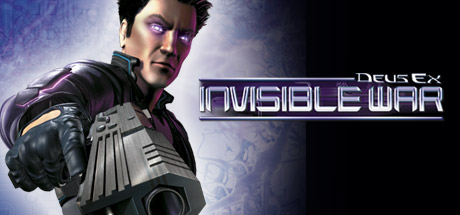
Then there’s Deus Ex: Game of the Year Edition, whose description drops the phrase “an ages old conspiracy bent on world dom…”—cut off, like a corrupted file. That ellipsis is the feeling: systems so vast and buried, you sense them more than see them, like the unseen puppeteers behind the gynoid murders in Innocence. The player review notes how the game “gives you all options with one hit of the esc key”—a jarringly mundane detail that mirrors Innocence’s obsession with interfaces: menus, glyphs, scrolling kanji, the cold tactility of a keyboard pressed into Batou’s palm. Both refuse to hide their architecture; they make you feel the scaffolding of control—not as oppression, but as something you’re always already inside, breathing its recycled air.
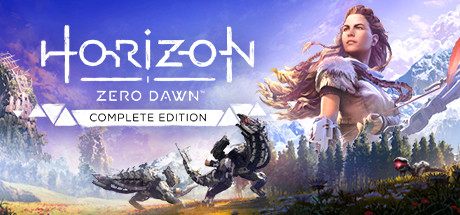
And Horizon Zero Dawn™ Complete Edition, tagged with “Neon Noir” and “Adult & Dark Seinen,” shares Innocence’s visual grammar of sacred decay: ancient machines rusting beneath cherry blossoms, temples repurposed as data vaults, Aloy reading forgotten logs like sutras. Its world doesn’t shout its philosophy—it embodies it in moss on alloy, in the way light fractures across a deactivated Watcher’s lens. Like the anime’s lingering shots of incense smoke curling past holographic deities, Horizon treats technology not as tool or threat, but as ritual object—something that outlives its makers and becomes myth by accident.
These pairings aren’t for fans of “cool robots” or “mind-bending twists.” They’re for the person who pauses mid-gameplay to stare at a flickering streetlamp in Deus Ex, wondering if its pulse matches their own heartbeat. For the one who re-watches Innocence’s temple sequence—not for the fight, but for the way the camera holds on a single bead of sweat rolling down Batou’s temple as a robot priest intones “All things are impermanent” in flawless, hollow Japanese. For the reader who underlines “the logos, devs, publishers, pro…” in a Deus Ex review not as trivia, but as proof that even credits become liturgy in worlds where authorship dissolves into code and karma. They love the weight—the stillness inside the storm. The kind of viewer who doesn’t ask “What happens next?” but “What has always been here, waiting to be seen?”
🎮56 Games That Match the Vibe
















Match Dimensions Explained
❓Frequently Asked Questions
Why does BioShock Infinite keep coming up as similar to Ghost in the Shell 2: Innocence?
Because both dive deep into philosophical questions about identity, memory, and what makes someone 'human'—like Elizabeth’s quantum-bound existence mirroring Motoko’s fragmented consciousness after the Puppeteer incident. The floating city of Columbia’s oppressive ideology and layered visual symbolism (think the Songbird motif vs. the gynoid dolls’ uncanny valley) hit the same Adult & Dark Seinen + Cyberpunk & Dystopia notes as Innocence’s Kyoto streets and Buddhist-tinged cybernetic dread.
Is there a Ghost in the Shell 2: Innocence video game adaptation?
No—there’s never been an official game adaptation of *Innocence* itself. But if you’re craving that exact vibe—dense philosophical dialogue, slow-burn noir pacing, and androids wrestling with soulless bodies—*Deus Ex: Game of the Year Edition* is your closest match: JC Denton’s moral ambiguity, the Majestic 12 conspiracy, and those haunting, rain-slicked neon alleys all channel Mamoru Oshii’s tone better than any licensed title ever could.
How does Horizon Forbidden West compare to Ghost in the Shell 2: Innocence in terms of themes and atmosphere?
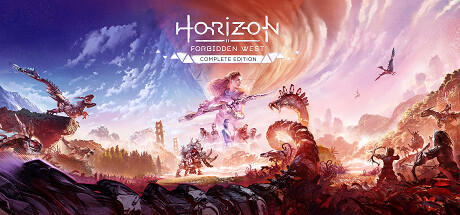
While *Forbidden West* trades Tokyo’s decaying urban sprawl for post-apocalyptic redwood forests, it nails *Innocence*’s core tension between organic life and cold machinery—especially in Aloy’s confrontations with the Zeniths and the derelict AI HADES. Its Neon Noir lighting (think the glowing ruins of the Meridian Undercity) and Adult & Dark Seinen weight—like the quiet horror of the Eclipse cult’s bio-augmentation—echo the film’s meditative, morally heavy rhythm far more than most action RPGs.
What’s the best game like Ghost in the Shell 2: Innocence if I want that slow, melancholic, rain-soaked cyber-noir mood?
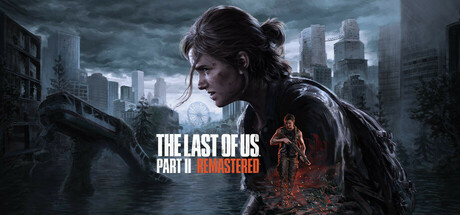
Go straight to *The Last of Us™ Part II Remastered*: its Seattle ruins drenched in perpetual drizzle, the hushed tension of every stealth sequence (like Ellie creeping past WLF patrols in the flooded sewers), and the raw, unflinching focus on trauma and dehumanization hit the same somber, atmospheric beats as *Innocence*’s long tracking shots through empty corridors and flickering shrine-lit alleyways—no flashy set-pieces, just weighty silence and consequence.