Half-Life 2: Lost Coast
Originally planned as a section of the Highway 17 chapter of Half-Life 2, Lost Coast is a playable technology showcase that introduces High Dynamic Range lighting to the Source engine.
🎮Game Details
💬What Players Say
"I launched Half-Life 2: Lost Coast again after 6 years, and it felt like opening a tiny time capsule. It’s a very short experience — less than an hour — where you climb up a coastal cliffside monastery, fighting Combine soldiers along the way. The main focus isn’t really the gameplay itself, but the developer commentary, which explains the implementation of dynamic lighting on the Source engine and how the scene was built as a technology showcase...."
"loved playing this as kid, find out its just a test, still love game"
"This coast is pretty lost"
📝Editorial Analysis
Salt air. Cold stone. The crunch of gravel under boots as you haul yourself up a cliffside monaste—monastery?—halfway up a windswept, unnamed coast, HDR light bleeding gold and bruise-purple across wet rock faces. You don’t know why you’re here. You don’t know what’s waiting at the top. You just climb. That’s it. Less than an hour. A time capsule opened six years later, dust motes swirling in that same impossible glow—light so rich it doesn’t just illuminate, it breathes. Not a chapter. Not even a level. A test. A beautiful, lonely, half-remembered test.
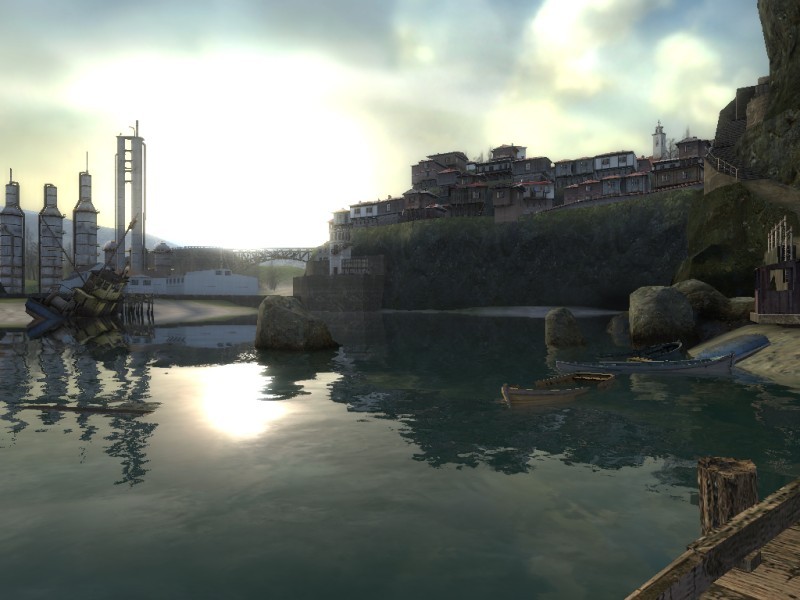
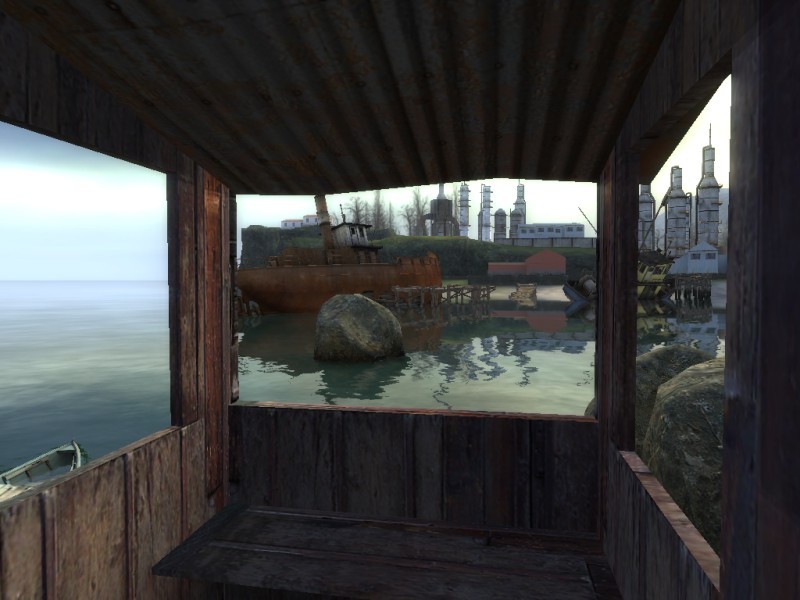
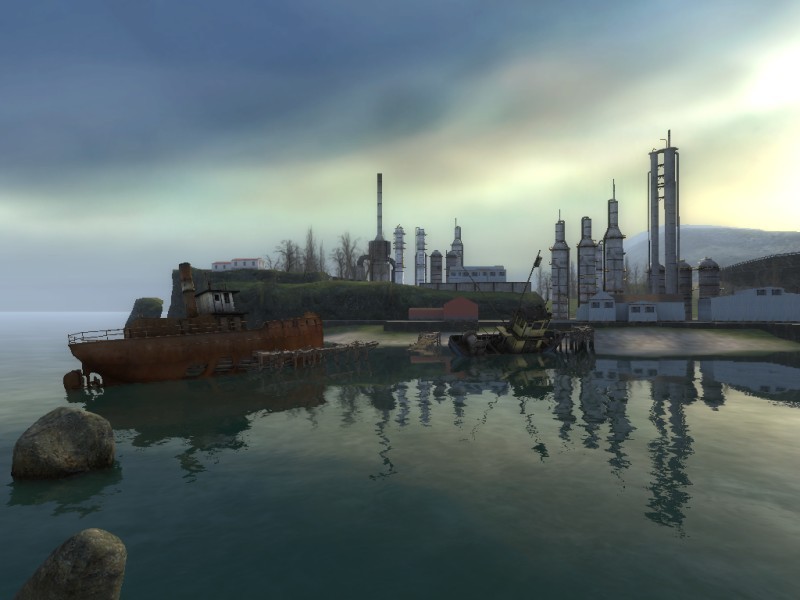
What lingers isn’t the physics or the gunplay—it’s the quiet weight of being small inside something vast and unfinished. There’s no exposition, no faction briefing, no Gordon Freeman monologue (not that he’d speak anyway). Just wind, stone, light, and the low hum of a world still learning how to render itself. It feels like standing backstage during a play you’ve already missed the first act of—everything is present, but nothing is explained. You feel unmoored, yet strangely held: the cliffs are real, the light is real, your footsteps are real—but none of it serves a story. It serves atmosphere. It makes you think about thresholds—not narrative ones, but perceptual ones: where vision bleeds into memory, where tech becomes texture, where a “lost” place isn’t abandoned, but suspended. Not desolate. Not empty. Waiting, with a kind of gentle, melancholic patience.
That suspended, luminous unease—the feeling of moving through a world that’s both hyper-real and emotionally provisional—resonates sharply with Heaven's Lost Property the Movie: The Angeloid of Clockwork, whose cyberpunk-dystopian surface masks a core preoccupation with fragile, luminous moments—a clockwork angel dissolving in golden light, a city skyline refracted through rain-smeared glass, all rendered with such tactile, almost sacred attention to glow and shadow that the sci-fi trappings become secondary to the feeling of transience. Likewise, Redline—all roaring engines and neon-streaked void—doesn’t just depict speed; it stretches time at the edges of its frames, letting light bloom and smear like HDR flares over asphalt and starfields, turning velocity into something meditative, even lonely. And Final Fantasy VII: Advent Children—that rain-soaked, ruined Midgar, where every droplet catches light like a prism, where characters move through devastation not with rage, but with exhausted grace—mirrors Lost Coast’s emotional grammar: high-fidelity ruin, radiant decay, beauty that doesn’t apologize for being incomplete.
None of these anime are about resolution. They’re about presence within liminality. Like Lost Coast, they trust light—not plot—to carry meaning. They linger on surfaces: wet pavement, tarnished chrome, stained glass cracked but still catching sun. They share that same hushed intensity, that sense of walking through a world that’s been polished to a luminous sheen but left deliberately unfinished, emotionally unanchored—not because it lacks craft, but because it refuses to over-explain its own ache. Even Memories, with its fragmented, adult-seinen vignettes, mirrors this: each segment is a self-contained sensory capsule—light, sound, texture—offering mood over momentum, resonance over revelation. The “lost” in Lost Coast isn’t failure—it’s intentional absence, the space between what’s rendered and what’s implied. Same with the “lost” in Heaven’s Lost Property: not abandonment, but potential held in abeyance. Same with the silence between Redline’s engine roars, or the breath before Cloud draws his sword in Advent Children.
This pairing speaks directly to the viewer who keeps screenshots—not for lore, but for light. Who replays a five-minute sequence just to watch how dust motes drift in a sunbeam. Who feels more at home in the quiet stretch between major story beats than in the beats themselves. Who finds comfort in incompleteness—not as lack, but as invitation: to imagine the monastery’s history, to wonder what hums beneath Redline’s track, to sit with Cloud’s silence without needing to fill it. It’s for the person who doesn’t need a map to feel grounded—because they’ve learned to read atmosphere like scripture, and find holiness in the way HDR light pools in a rain gutter, or how a single shaft of sun hits a broken android’s face in Memories. They don’t seek closure. They seek resonance. And in that shared, luminous, beautifully unresolved space—where cliffside monasteries meet clockwork angels, where coastal fog meets neon rain—they finally feel seen.
→83 Anime That Match the Vibe

JP’s blistering descent down Redline’s neon-drenched canyon—tires screeching, thrusters flaring—mirrors the vertiginous cliffside chase in *Lost Coast*, where HDR lighting carves stark chiaroscuro from crumbling concrete and sodium-lit fog. Unlike most dystopias that lean on decay, both weaponize *Cyberpunk & Dystopia* through velocity: one via illegal interstellar racing, the other through a lone physicist fleeing Combine patrols under hyperreal, bleeding skies. That shared obsession with light-as-tension—HDR glare vs. holographic speed-lines—makes their synergy unexpectedly kinetic, not just aesthetic.
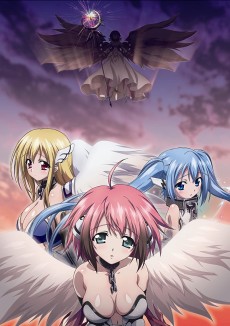
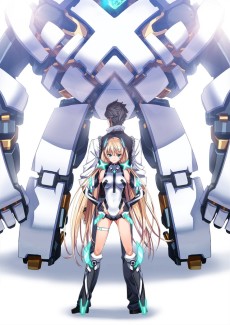
A crumbling coastal highway bathed in HDR’s eerie, rain-slicked glow—Lost Coast’s abandoned gas station echoes Kazane Hiyori’s lonely workshop in *The Angeloid of Clockwork*, where delicate clockwork wings whir against dystopian skies. Unlike most sci-fi pairings, this resonance isn’t about plot but texture: both weaponize *Cyberpunk & Dystopia* through intimate decay—Half-Life’s desolate infrastructure mirroring Kazane’s fragile, hand-built tech amid societal collapse. Surprisingly tender, they find warmth not in grand utopias, but in broken machines and quiet human care.
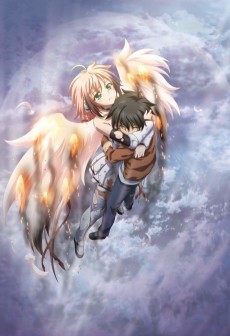
Both dive into neon-soaked futures where technology blurs the line between human and machine.
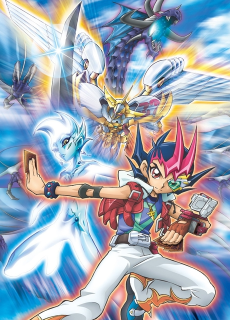
Both dive into neon-soaked futures where technology blurs the line between human and machine.
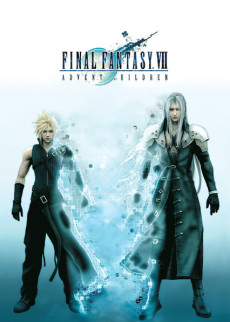
Rain slicks the cracked asphalt of City 17’s outskirts as Gordon’s flashlight cuts through HDR-lit fog—where cyberpunk grit meets fragile, almost sacred light. Advent Children’s Midgar ruins gleam under similar chiaroscuro: not just dystopia, but a world *healing* under sci-fi sorrow, Geo-stigma’s pall contrasting with Aerith’s luminous rebirth. Unlike most post-apocalyptic pairings, their resonance lives in how both use cutting-edge visual tech—not for spectacle alone, but to make decay and hope feel physically palpable, dimensionally real.
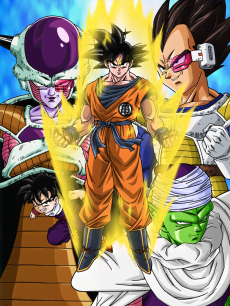
HDR lighting in *Lost Coast*’s rain-slicked, decaying coastal town mirrors *DBZ Kai*’s sharpened, high-contrast energy flares—both weaponize visual fidelity to heighten dystopian tension. Unlike most remasters, *Kai*’s tightened pacing and restored manga beats echo *Lost Coast*’s surgical precision: a stripped-down, technically audacious distillation of its parent work’s core intensity. Cyberpunk grit meets Saiyan spectacle—not as genre mashup, but as parallel experiments in controlled sensory overload.

Vash’s sun-bleached, crumbling desert towns in *TRIGUN STAMPEDE* shimmer with the same brittle, high-contrast luminance as the overexposed concrete cliffs and sodium-lit fog of *Lost Coast*’s coastal ruins—both weaponizing 🌆 Cyberpunk & Dystopia through light itself. Where *Lost Coast* uses HDR to make decay feel tactile and oppressive, *STAMPEDE* renders Vash’s pacifism haunting by bathing his violent world in deceptively cheerful, almost painful radiance. That shared tension—between dazzling visual optimism and systemic collapse—is what makes their resonance so quietly electrifying.

Magnetic Rose’s derelict space station—where holographic grief traps astronauts in looping, luminous sorrow—mirrors Lost Coast’s fog-draped cliffside: both weaponize HDR lighting to make decay feel tactile, almost sacred. Unlike most dystopian works that flatten mood into grimness, these pieces use cyberpunk & dystopia not for spectacle but as psychological architecture—light itself becomes memory’s unreliable narrator. That shared obsession with how illumination sculpts emotional gravity makes their resonance startlingly intimate, not just technical.
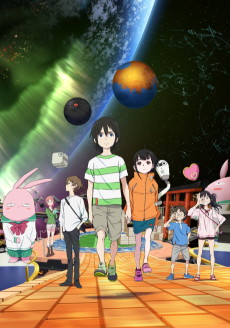
Both dive into neon-soaked futures where technology blurs the line between human and machine.

Kaiba’s memory-transfer dystopia—where souls flicker between hollow bodies like corrupted HDR renders—mirrors Lost Coast’s stark, high-contrast cliffs: both weaponize light to expose fragility. Unlike most cyberpunk, neither offers escape; Kaiba’s amnesiac protagonist wanders data-saturated ruins while Gordon’s silent ascent through blinding coastal glare reveals how illumination can isolate as much as reveal. This shared 🌆 Cyberpunk & Dystopia resonance feels startlingly intimate—a rare pairing where technology doesn’t empower, but anatomizes loss.
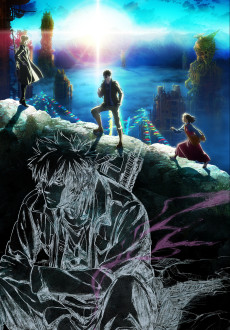


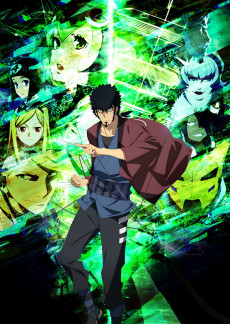

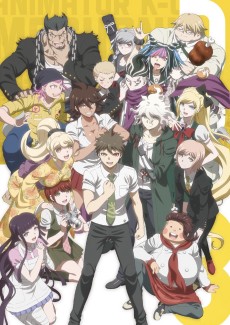
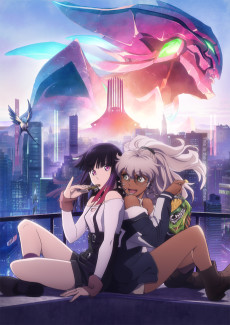
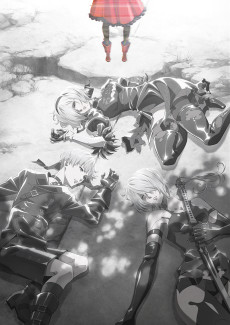
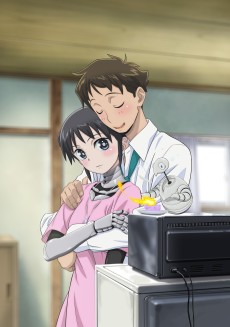


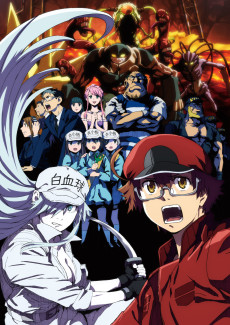
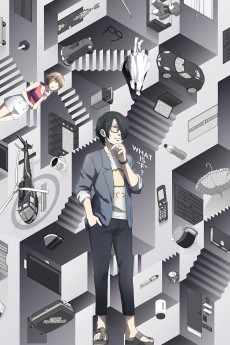
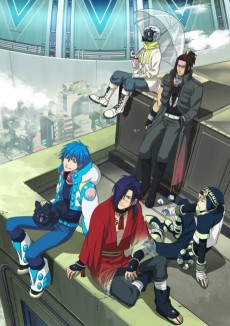
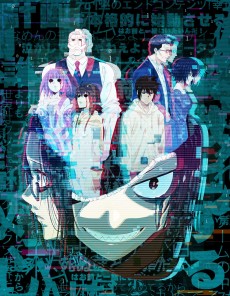
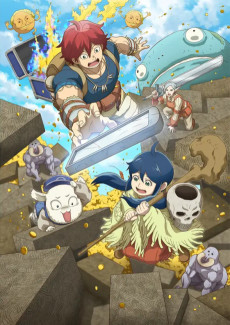
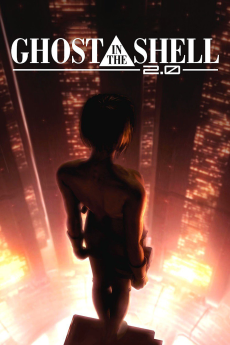
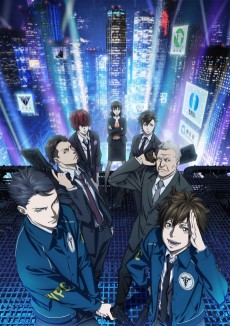

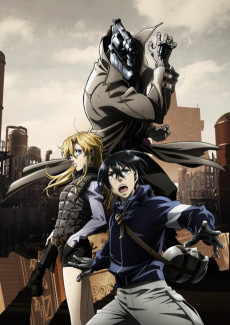
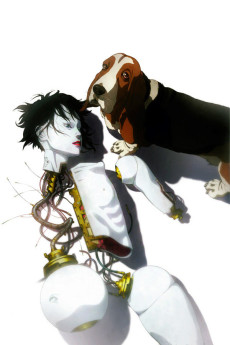

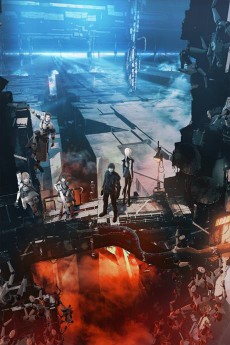
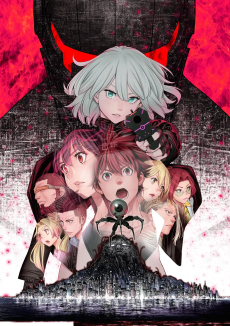

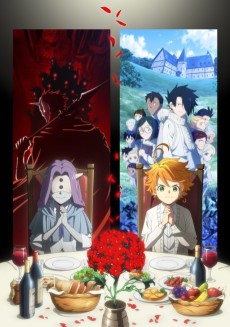
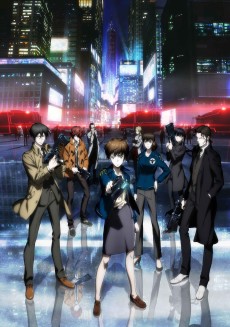



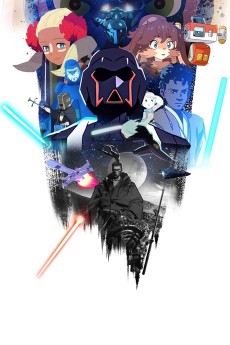

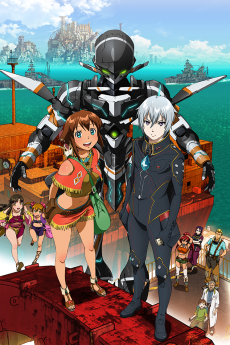

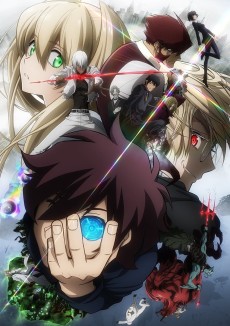
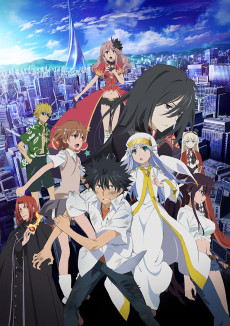
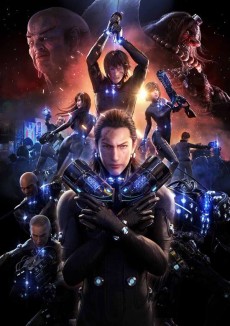
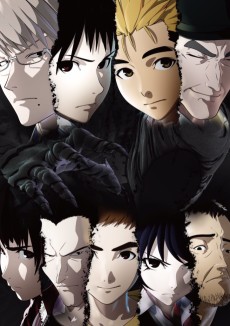
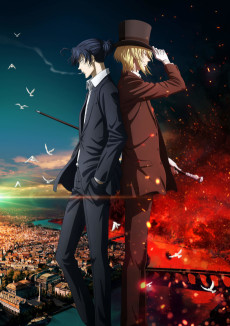


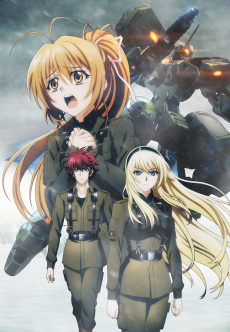
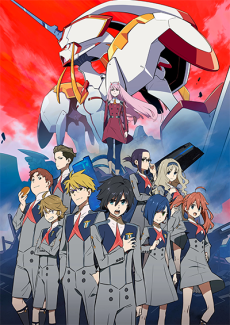

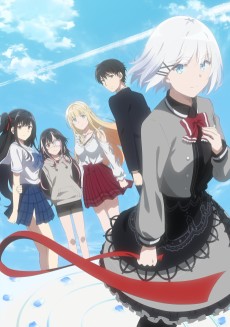
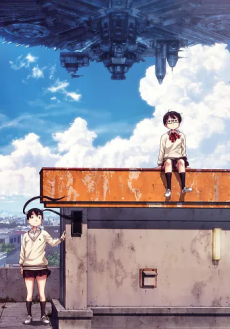
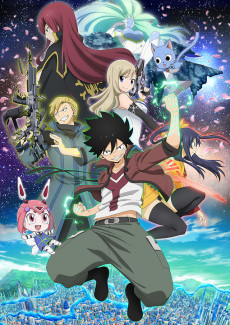

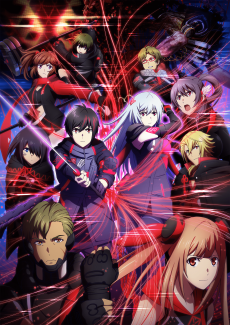


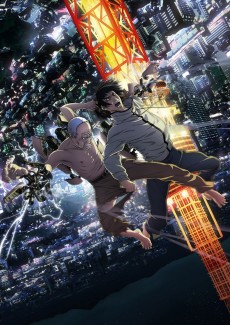
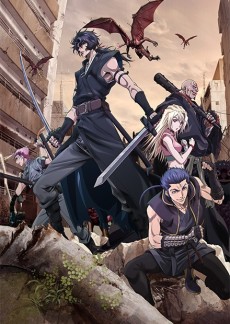
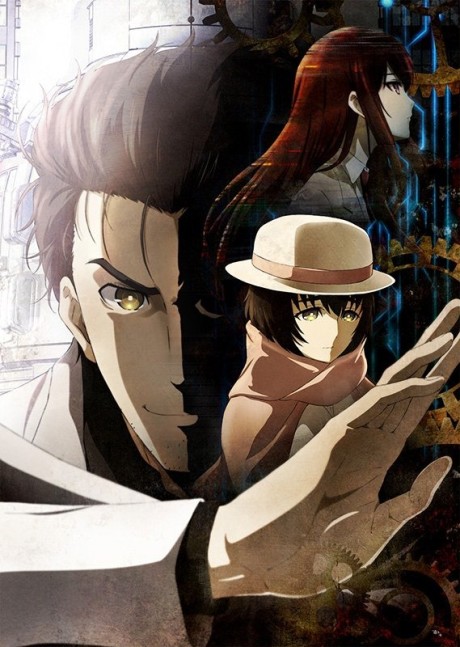



Match Dimensions Explained
❓Frequently Asked Questions
Why is Heaven's Lost Property the Movie: The Angeloid of Clockwork considered similar to Half-Life 2: Lost Coast?
It’s not about plot—it’s that eerie, isolated coastal cliffside monastery vibe during the final act, where Ikaros fights atop crumbling stone ruins under dramatic HDR-like lighting contrasts, mirroring Lost Coast’s stark, moody cliffs and oppressive silence between combat. Both lean hard into sci-fi dystopia with broken tech (clockwork angeloids vs. Combine surveillance drones) and a hauntingly quiet sense of place—even though Lost Coast lasts under an hour and the movie stretches over two hours.
Is there an anime adaptation of Half-Life 2: Lost Coast?
No—Lost Coast was never adapted into anime. It’s strictly a standalone, non-canonical Source engine tech demo (under 60 minutes long), built just to show off HDR lighting on coastal cliffs and crumbling monasteries. That said, fans who love its specific blend of isolation, sci-fi dread, and vertical environmental storytelling often reach for Redline—especially the abandoned lighthouse sequence in Chapter 3, where the camera lingers on rusted metal and ocean fog like it’s paying homage.
How does Final Fantasy VII: Advent Children compare to Dragon Ball Z Kai in capturing Lost Coast’s vibe?
Advent Children nails Lost Coast’s atmospheric weight—think the Sector 5 slums’ rain-slicked ruins or the silent, slow climb up the church tower stairs before the Sephiroth fight—mirroring Lost Coast’s deliberate, almost meditative pacing and high-contrast lighting. DBZ Kai, by contrast, trades that stillness for relentless motion: even its ‘quiet’ moments (like Gohan’s mountain training) pulse with energy, making it feel more like Highway 17 than the lost, contemplative coast.
What’s the best anime for that ‘lost, quiet, coastal dystopia’ mood from Half-Life 2: Lost Coast?
Memories (specifically the ‘Stink Bomb’ and ‘Magnetic Rose’ segments) — especially ‘Magnetic Rose’, with its derelict space station drifting silently above a black ocean void, flickering emergency lights casting long shadows just like Lost Coast’s cliffside monastery at dusk. It’s got that same adult, dark seinen tone, zero exposition, and a crushing sense of scale and abandonment—no dialogue needed, just atmosphere and dread.