
The Big O
Paradigm City is a place without a past. 40 years ago, something happened that wiped the memories of everyone in it. Unfortunately, the people of Paradigm City were very busy before then, making Megadueses (giant robots) and monsters. People who were born after the memory wipe are gaining/recovering memories of the past and using them to build newer threats. With the help of The Big O (a faithful giant robot), his butler Norman and the android Dorothy, Roger Smith keeps Paradigm City safe. As problems mount and more memories surface, Roger's past and Paradigm's future begin to become suspect...
📺Anime Details
📝Editorial Analysis
Rain slicks the chrome and cracked concrete of Paradigm City—not gently, but in cold, insistent sheets that catch the neon bleed of a sign reading “NO MEMORY BEFORE 40 YEARS AGO” flickering behind smeared glass. Roger Smith stands beneath it, trench coat collar up, cigarette ash trembling in the wind, watching a child trace glyphs on a rusted subway wall—glyphs no one taught her, glyphs that match schematics found inside The Big O’s cockpit. Her fingers don’t shake. Hers is the first memory to surface without pain. That silence between raindrops—that’s where The Big O lives.
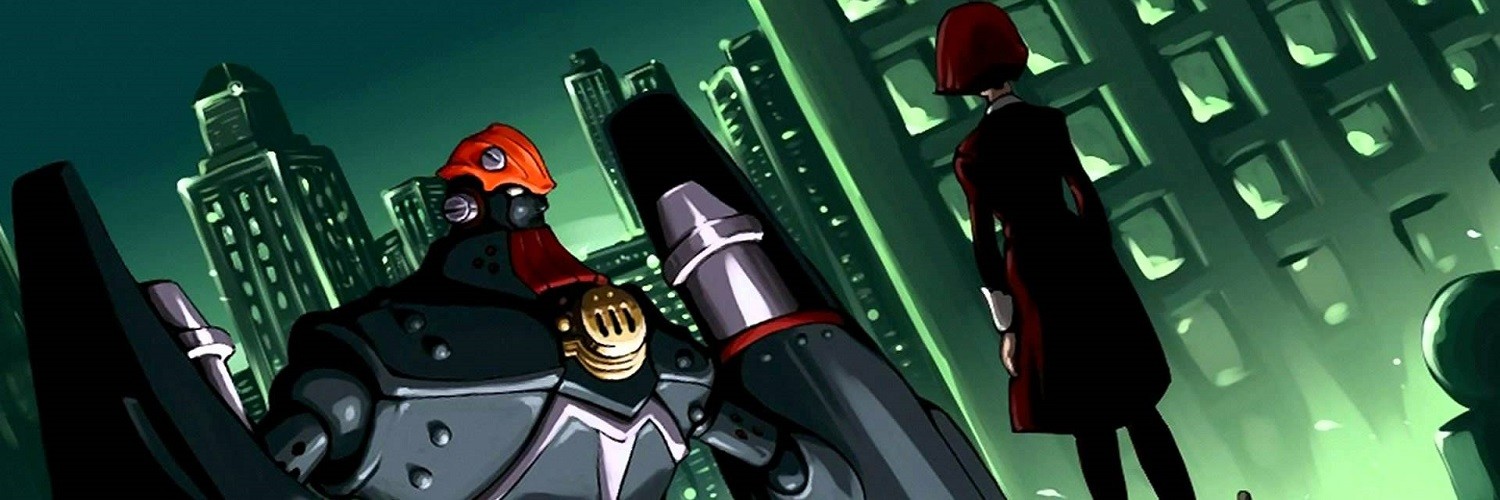
It doesn’t feel like sci-fi. It feels like amnesia made architectural: vaulted ceilings with no blueprints, elevators that descend into blank floors, Norman’s calm voice reciting tea service protocols while Dorothy’s joints whirr just too precisely. There’s no exposition dump about the past—only the weight of its absence, pressing down like low pressure before a storm that never breaks. You don’t solve the mystery—you inhabit the hollow. Every alley smells of ozone and old oil; every robot battle ends not with victory music, but with Roger walking away as The Big O powers down, its hydraulics sighing like something tired of remembering how to remember. It’s profoundly melancholic exploration—not of ruins, but of the self-shaped void where history should be.
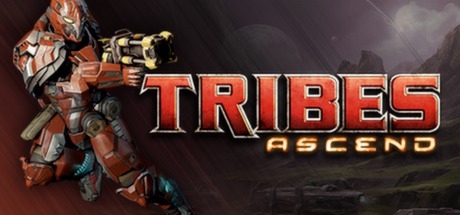
Tribes: Ascend shares that same emptiness-as-arena. Its description calls it “Mecha & Military Sci-Fi, Cyberpunk & Dystopia”—but read the player review: “Man, I used to love this game. Just mindless fun. All be it, it could have been expanded or had much added to it, sadly it had so much potential that…” That trailing “that…”—that unresolved longing—is pure Paradigm City. The game’s wide-open maps, skis cutting silent arcs across frozen tundras, evoke the same scale without context: you’re fighting for flags in landscapes stripped of origin stories, moving fast across terrain that refuses to explain itself. Like Roger piloting The Big O through a fog-choked plaza where statues wear no names, Tribes: Ascend gives you motion without motive—thrilling, precise, and quietly aching.
Space Quest™ Collection, tagged with Mystery & Detective, lands even closer. Its description promises “a blast from the past… completely twisted,” and the player review says: “I really liked how you could pretty much do anything you, weather or not there were consequences…” That grammatical stumble—“you, weather or not”—mirrors Paradigm City’s own linguistic fractures: syntax fraying at the edges of lost meaning. Both Space Quest and The Big O treat logic as a costume people wear awkwardly—Dorothy quoting poetry she shouldn’t know, Roger negotiating with a sentient vending machine like it holds state secrets, Space Quest’s protagonist tripping over physics just to make a joke. The detective work isn’t about answers—it’s about witnessing the absurdity of systems pretending to hold together. In both, the mystery isn’t what happened, but why anyone still files reports, serves tea, or files a complaint with Customer Service when the city itself has no birth certificate.
Assassin’s Creed™: Director's Cut Edition, labeled Neon Noir and Melancholic Exploration, carries the same quiet gravity. Its player review admits dated models—but adds “no issues with me”. That acceptance of imperfection, of texture worn thin by time, is central to The Big O’s aesthetic: Roger’s suit is impeccably tailored, yet his gloves are scuffed; Paradigm City gleams, but the light reflects off dust motes hanging too long in the air. Both works move slowly through spaces thick with unspoken history—not because they’re slow, but because every step risks stirring something buried. You climb towers not to dominate, but to verify the horizon hasn’t changed. That shared patience with decay, that reverence for the weight of a single footfall on ancient stone or rain-slicked permacrete—that’s the resonance.
This pairing isn’t for fans of lore dumps or power fantasies. It’s for the person who pauses mid-gameplay to watch an NPC re-tie their shoelaces exactly the same way for seventeen minutes. For the viewer who rewinds Roger’s handshake with a corporate executive—not for the dialogue, but to count how many times Norman blinks in the background. For those who feel relief, not frustration, when a plot thread dissolves into static… because finally, the fiction matches the quiet, persistent hum of their own unanswered questions. They don’t want resolution. They want the rain. They want the ash. They want the glyph on the wall—and the certainty that someone, somewhere, traced it before they knew how to hold a pencil.
🎮47 Games That Match the Vibe
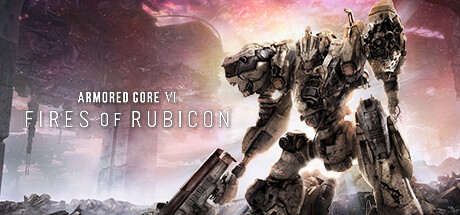
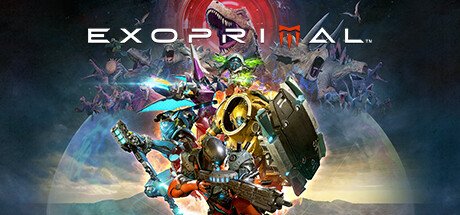
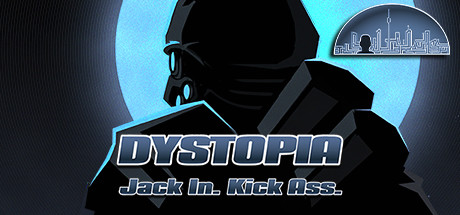


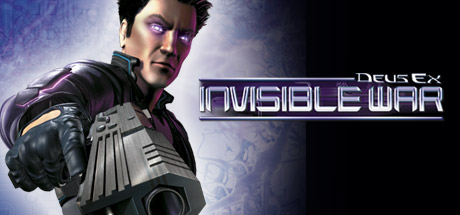
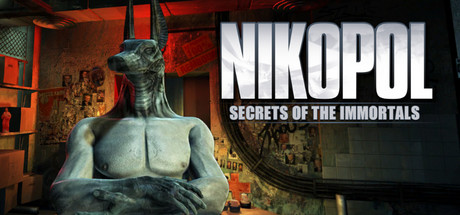
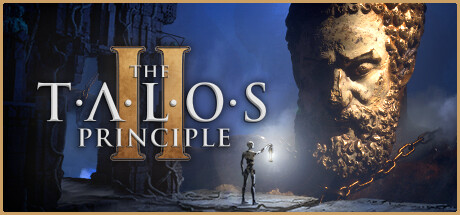

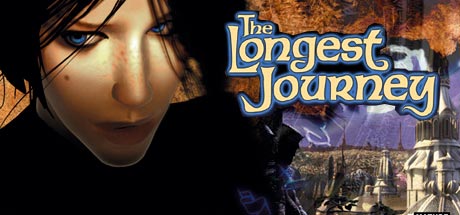






Match Dimensions Explained
❓Frequently Asked Questions
Why does The Big O feel so similar to Dystopia despite being an anime?
Both lean hard into that gritty, rain-slicked cyberpunk dystopia where corporate security forces and punk mercenaries clash in tense, high-tech urban combat—like Dystopia’s NetHack-style hacking sequences and its morally gray corporate espionage vibe mirror The Big O’s noir-tinged mystery and oppressive cityscapes. Plus, the adult & dark seinen tone and mecha-adjacent military sci-fi aesthetics (think Big O’s hulking design vs. Dystopia’s armored enforcers) make them spiritual cousins—even if one’s a mod and the other’s a 90s anime.
Is there a video game adaptation of The Big O?
No official The Big O game was ever released—but if you’re craving that exact blend of melancholic exploration, political thriller weight, and neon-noir atmosphere, Assassin’s Creed™: Director's Cut Edition nails it: the brooding rooftop traversal, the sense of ancient conspiracies hiding beneath a gleaming city, and even the quiet, contemplative pacing (like Roger’s monologues echoing Altair’s isolation) hit that same somber, stylish note.
How does Tribes: Ascend compare to Space Quest™ Collection for Big O fans?
Tribes: Ascend gives you the big-mecha spectacle and military sci-fi scale—the jetpack-enabled chaos, team-based objective play, and that ‘giant robot in a warzone’ energy Big O fans love—while Space Quest™ Collection delivers the twisted mystery & detective layer: think Roger’s deadpan narration meets Space Quest’s absurd, consequence-laden puzzles and fourth-wall-breaking wit. One’s about kinetic action, the other’s cerebral, darkly comic sleuthing—but both share that Mecha & Military Sci-Fi + Cyberpunk & Dystopia DNA.
What’s the best game like The Big O if I want that moody, lonely, rain-soaked city vibe?
Go straight to Assassin’s Creed™: Director's Cut Edition—it’s got that unmistakable neon-noir melancholy: wandering empty Jerusalem rooftops at dusk, uncovering layered conspiracies while feeling utterly isolated, just like Roger walking alone through Paradigm City’s silent streets. The political thriller tension and deliberate, atmospheric pacing (plus those haunting, low-key score moments) match The Big O’s tone better than any flashy mech-brawler.