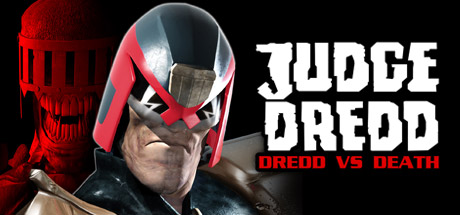
Judge Dredd: Dredd vs. Death
Welcome to Mega-City One, a city of over 400 million people - every one of them a potential criminal. It is the third decade of the 22nd Century, unemployment is widespread, boredom is universal and only the Judges can prevent total anarchy. Empowered to dispense instant justice, they are Judge, Jury and Executioner all in one.
🎮Game Details
💬What Players Say
"Got this as a free game via game spin on Fanatical. Small oldstyle shooter with some corny DOOM-esk type of humor in the arresting system. Murder?..."
"This is an enjoyable now-retro game. I really liked the overall vibe of this game. Didn't have too many issues playing it...."
"Short but sweet, and works surprisingly well on modern systems. I love to go back to these old Xbox Original era games every now and again to remind myself how far we've come... and how much the fun quality has dropped in most modern games...."
📝Editorial Analysis
The flicker of a neon sign—Mega-City One: 400 Million Souls, Zero Patience—glitches as you shove a bloated citizen into a holding cell for littering. Not murder. Not assault. Littering. The Judge’s voice crackles over your helmet comms: “Sentence: six months in the Iso-Cube.” You don’t blink. You reload. That’s the heartbeat of Judge Dredd: Dredd vs. Death—not tension, not dread, but exhausted absurdity, a world so saturated with control that justice curdles into bureaucratic slapstick. It’s right there in the player review: “Murder? That’s 2 years maybe. But being fat or littering? Tha…” — the sentence cuts off, because the logic doesn’t need completion. It’s already written into the pavement cracks, the flickering holograms, the sheer weight of 400 million lives crammed into one decaying megapolis where boredom is universal and only Judges stand between order and static.
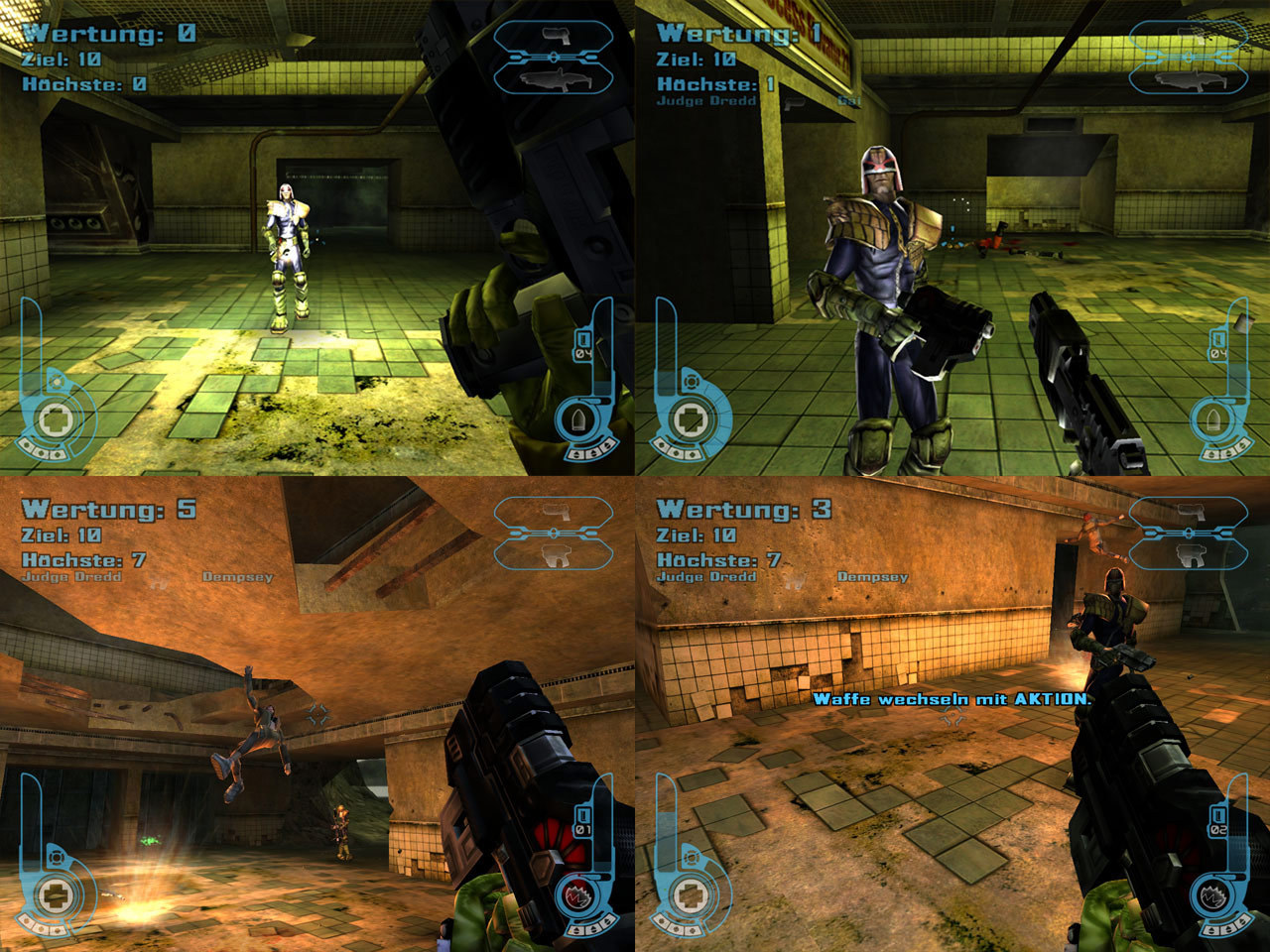
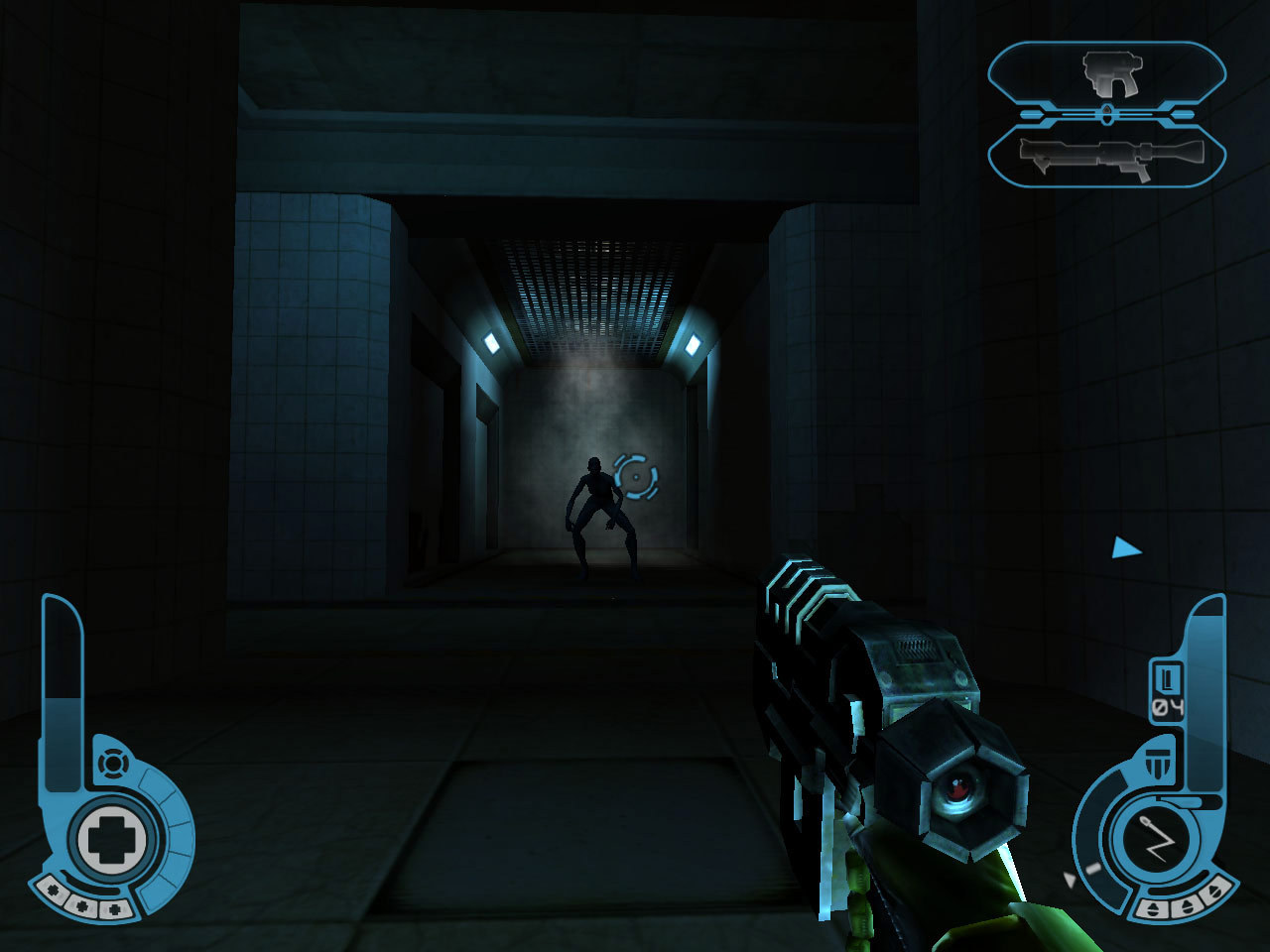
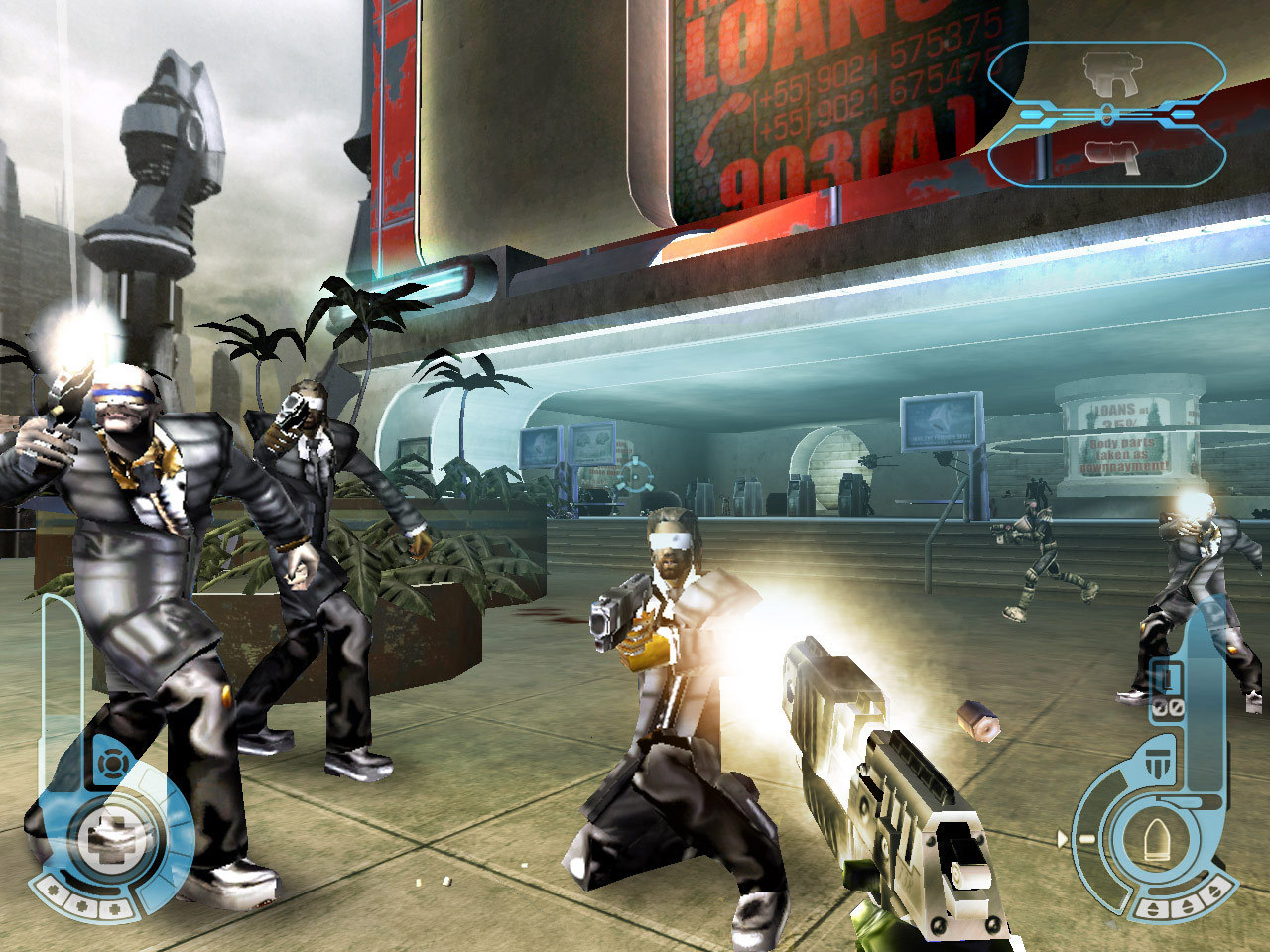
What makes this game’s atmosphere unique isn’t its cyberpunk setting—it’s how it weaponizes banality. This isn’t Blade Runner’s rain-slicked melancholy or Ghost in the Shell’s philosophical vertigo. It’s the grind: eleven chapters, some cool-looking locations, a shooter that works like a charm—but always under the low hum of systemic fatigue. You’re not saving the world. You’re processing violations. Arresting a man for being fat isn’t satire—it’s policy, delivered with deadpan DOOM-esque humor that lands not as parody, but as recognition. You feel the weight of the badge, yes—but more acutely, you feel the weariness of enforcement in a system that has long since stopped believing in rehabilitation, or even deterrence. It’s darkly procedural, sardonic, and strangely compassionate in its exhaustion—like a veteran cop who’s seen too much to rage, so he just files the paperwork, adjusts his visor, and moves to the next block.
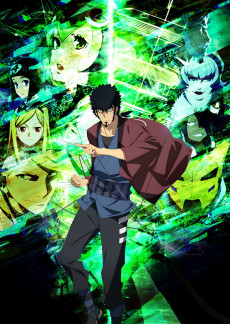
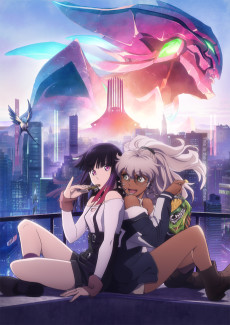
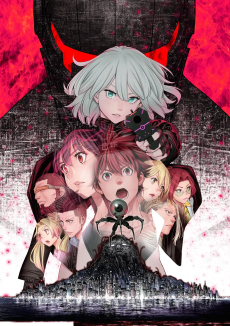
That exact emotional DNA—cyberpunk dystopia fused with body horror or occult surrealism, all filtered through a lens of weary, darkly adult absurdity—pulses in Dorohedoro Season 2. Here, the Hole isn’t just a slum; it’s a rotting digestive tract of reality, where magic melts faces and bureaucrats run torture labs with clipboards. Like Mega-City One, law is arbitrary, grotesque, and administered by figures who’ve long abandoned moral calculus for procedure. The shared dimension isn’t just Cyberpunk & Dystopia—it’s the Body Horror & Occult that makes authority feel viscerally invasive, not ideological. When a Judge scans your BMI and slaps a sentence, it’s no different from a sorcerer peeling your skull open to check your “karma residue.”
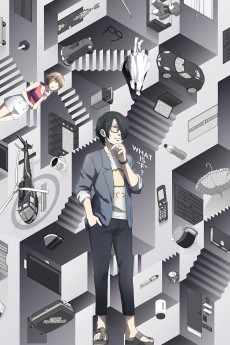
Then there’s GOOD NIGHT WORLD, which matches not just on Cyberpunk & Dystopia and Body Horror & Occult, but crucially on Adult & Dark Seinen. Its world runs on corrupted lullabies and surveillance masquerading as care—just as Mega-City One’s Judges dispense “instant justice” while unemployment festers and boredom becomes a public health crisis. Both treat societal collapse not as spectacle, but as background radiation: ever-present, low-grade, and deeply dehumanizing. The humor isn’t broad—it’s dry, clinical, the kind that emerges when irony has been ground down to dust and all that’s left is shrug-and-shoot pragmatism.
Even Final Fantasy VII: Advent Children, at first glance a bombastic anime film, shares that core dissonance: Midgar isn’t just ruined—it’s administered. Shinra’s legacy lingers in zoning laws, corporate ghosts haunting rebuilt sectors, and a populace medicated into docility. The Sci-Fi & Space dimension here isn’t about rockets—it’s about scale: the crushing weight of infrastructure, of systems too vast to comprehend, let alone resist. Like Dredd walking past identical apartment blocks stretching into smog, Cloud rides through streets where every billboard, every drone, every flicker of mako-light whispers: you are managed.
This pairing isn’t for fans of clean heroics or tidy rebellions. It’s for the ones who pause mid-gameplay—not to admire the graphics, but to stare at the arrest log scrolling past: Violation #7,842: Unauthorized Sighing in Public Transit Zone 9. It’s for viewers who watch Dorohedoro’s cafeteria scene—the one where lunch is served with a side of mandatory soul-extraction—and nod, not in shock, but in recognition. It’s for people who find catharsis not in victory, but in the quiet, resigned precision of a Judge slamming a fist on a desk and declaring, “Case closed. Next.” They don’t believe in salvation. They believe in shifting the paperwork just enough to breathe. And that—that—is where the real connection lives.
→85 Anime That Match the Vibe

Mega-City One’s rain-slicked, neon-drenched streets—where Judge Dredd’s law enforcement feels less like justice and more like high-velocity crowd control—echo Redline’s blistering, physics-defying race through alien megacities and asteroid fields. Where Dredd vs. Death weaponizes dystopia as a pressure-cooker for brutal, kinetic action, Redline transforms sci-fi spectacle into pure sensory overload: JP’s bike doesn’t just race—it *shatters* reality, mirroring Dredd’s shotgun blasts fracturing order in cyberpunk & dystopia. That shared refusal to pause, to breathe, makes their synergy electric—not just stylistic, but existential.

Mega-City One’s rain-slicked, neon-drenched streets—where Judge Dredd’s helmet visor reflects fractured holographic ads—echo the warped chronology of *Heaven’s Lost Property the Movie*, where Kazane’s clockwork angeloid unravels time itself in a shimmering, destabilized Tokyo. Unlike most dystopias rooted in scarcity, both weaponize abundance: overpopulation and AI saturation in the game, runaway nanotech and emotional overload in the film’s climax. This shared cyberpunk & dystopia dimension makes their resonance startling—not in tone, but in how each treats systemic collapse as a glittering, absurd spectacle.

Both dive into neon-soaked futures where technology blurs the line between human and machine.
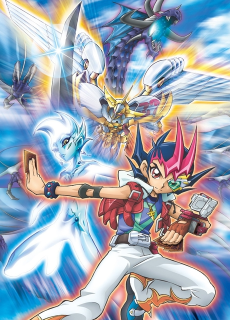
Both dive into neon-soaked futures where technology blurs the line between human and machine.

Both dive into neon-soaked futures where technology blurs the line between human and machine.
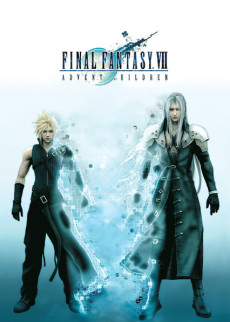
Mega-City One’s rain-slicked, neon-drenched streets—where Judge Dredd’s helmet visor reflects fractured advertisements and desperate crowds—echo the decaying Midgar ruins in *Advent Children*, where Cloud walks past crumbling plate structures under a bruised, geo-stigma–tinted sky. Both weaponize 🌆 Cyberpunk & Dystopia not as backdrop but as moral pressure: lawlessness festers in Mega-City One’s overcrowded blocks just as Geostigma’s despair metastasizes through FFVII’s fragile post-crisis recovery. It’s startling how each uses sci-fi decay to ask the same brutal question: what remains of justice when the system itself is rotting?
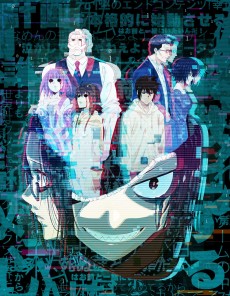
Mega-City One’s flickering neon hellscape—where Judges execute verdicts before trials—mirrors Planet’s warped server realms where “The Akabane Family”’s digital bonds curdle into psychological possession. Unlike most dystopias, both weaponize 🌆 Cyberpunk & Dystopia not for spectacle but as suffocating ontological traps: one enforces law through bodily erasure, the other unravels identity via persistent in-game trauma bleeding into meat-space. That shared dread—that reality itself is a corrupted simulation—is what makes their resonance so chillingly precise.

Mega-City One’s rain-slicked, corpse-strewn streets—where Judge Dredd executes a mutant mid-air jump—echo Dorohedoro Season 2’s visceral body horror: Caiman’s jaw unhinging to devour a Hole-dweller’s arm, flesh warping under sorcerous decay. Unlike most dystopias, both weaponize bureaucratic absurdity—Justice Department mandates versus the Sorcerer’s labyrinthine contracts—while drowning everything in cyberpunk grime and occult rot. That collision of institutional satire and grotesque transformation makes their resonance feel less like influence and more like parallel mutations of the same fever dream.
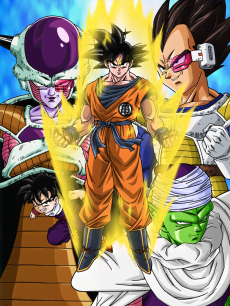
Mega-City One’s rain-slicked, neon-drenched streets—where Judges enforce law with brutal finality—echo the stark, high-stakes moral clarity of *DBZ Kai*’s Saiyan and Namek arcs. Unlike most shonen remasters, *Kai* strips away filler to amplify sci-fi urgency: alien invasions, bio-engineered warriors, and apocalyptic stakes resonate with *Dredd vs. Death*’s cyberpunk dystopia. This pairing is surprising—violent judicial authority meets righteous cosmic battle—yet both weaponize sci-fi & space to interrogate power, justice, and survival in collapsing worlds.

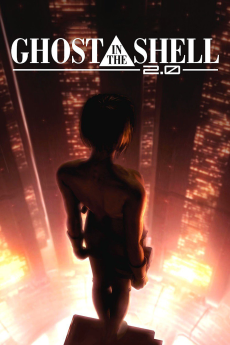
Magnetic Rose’s derelict space station—where ghostly memories trap astronauts in looping grief—mirrors Mega-City One’s suffocating urban sprawl, where justice is automated and identity dissolves under surveillance. Unlike most cyberpunk works fixated on rebellion, both anchor their dread in psychological erosion: Dredd’s numb authoritarianism echoes the station’s AI curating trauma as spectacle. This resonance in 🌆 Cyberpunk & Dystopia feels startling—not because they’re similar, but because one weaponizes bureaucracy while the other weaponizes nostalgia, both collapsing reality into recursive, inescapable systems.
















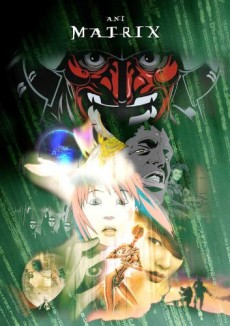

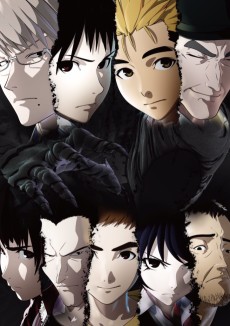

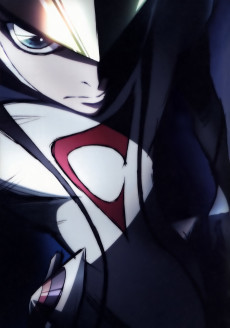
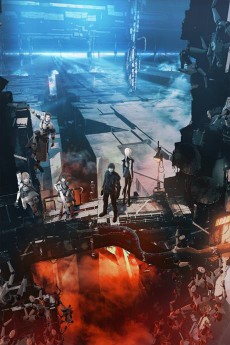












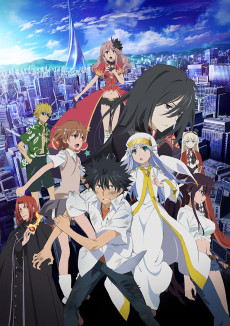

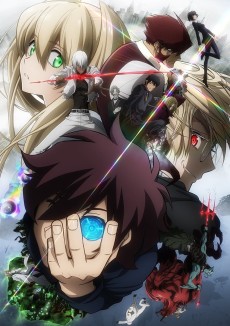



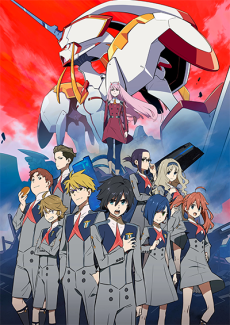

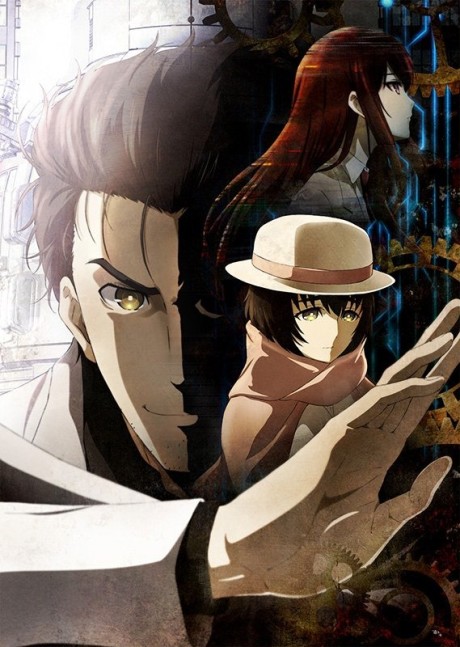
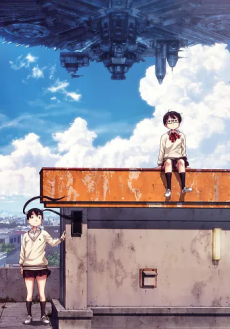




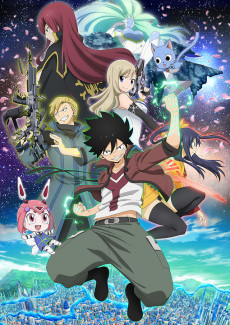

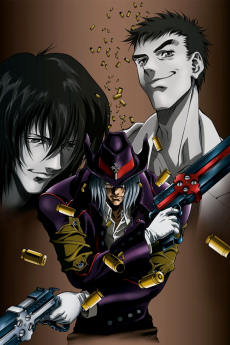
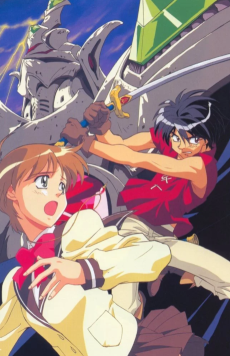
Match Dimensions Explained
❓Frequently Asked Questions
Why is Dorohedoro Season 2 recommended for fans of Dredd vs. Death?
Because both lean hard into grotesque, rule-bending dystopias where authority is brutal and absurd—like Dredd’s instant sentencing for littering, Dorohedoro’s Hole enforces its own twisted justice via body horror rituals and occult bureaucracy. You’ll feel that same grimy, off-kilter energy in scenes like En’s grotesque transformations or the Kichijoji Lab’s visceral, chaotic violence.
Is there an anime adaptation of Judge Dredd that’s similar to Dredd vs. Death?
No official anime adaptation of Judge Dredd exists—but GOOD NIGHT WORLD nails the vibe *instead*: it’s a dark seinen cyberpunk thriller with Judges-like authoritarian enforcers (the ‘System’), oppressive mega-city surveillance, and morally bankrupt justice mechanics—think Dredd’s ‘arresting system’ but dialed up with psychological dread and adult consequences, like the chilling courtroom scene in Episode 8.
How does Redline compare to Dredd vs. Death in terms of tone and action?
Redline shares Dredd vs. Death’s breakneck, over-the-top energy—both feature hyper-stylized, physics-defying action set in sprawling, decaying future cities (Mega-City One vs. Roboworld). Where Dredd’s ‘2 years for littering’ delivers satirical, DOOM-esque humor, Redline matches it with absurd stakes (a race that literally reshapes planets) and explosive, hand-drawn chaos—especially during the Blackhole Circuit’s gravity-warping finale.
What’s the best anime like Dredd vs. Death if I want that gritty, retro-futuristic ‘Xbox Originals’ vibe?
Final Fantasy VII: Advent Children—it’s short, punchy (175 minutes), and runs surprisingly smooth even today, just like Dredd vs. Death did on modern systems per player reviews. You get the same dense cyberpunk sprawl (Midgar’s rusted plates and neon underbelly), oppressive dystopia, and high-impact action—like Sephiroth’s aerial duel over the city, which mirrors Dredd’s rooftop chases with that same raw, now-retro intensity.