
Dragon Ball Z: The Return of Cooler
📺Anime Details
📝Editorial Analysis
The air shatters—not with a boom, but with a crack, like frozen glass splitting under impossible pressure. Cooler’s tail whips forward, metallic segments locking mid-air as he transforms—not into light or flame, but cold geometry: angular plates snapping into place, joints hissing steam, eyes flaring cobalt in the vacuum of Planet New Namek’s shattered sky. No roar. No dramatic pause. Just precision, silence, and the sickening grind of biomechanical reassembly. That’s the heartbeat of Dragon Ball Z: The Return of Cooler—not power-up theatrics, but the unnerving elegance of something designed to end you.
What lingers isn’t adrenaline—it’s dread. Not the kind that makes you flinch, but the kind that settles behind your ribs like ice water: the quiet horror of encountering intelligence so alien it treats destruction like syntax. Cooler doesn’t rage. He calibrates. His ship isn’t a fortress—it’s a scalpel. His drones don’t swarm; they triangulate. This anime trades shounen’s usual warmth for a sterile, almost clinical awe—the feeling of watching evolution not as growth, but as replacement. You don’t cheer for victory here—you hold your breath waiting for the next recalibration, the next cold, flawless adjustment. It’s sci-fi that feels lived-in, not by heroes, but by systems—alien, relentless, and utterly indifferent.
That same dread—mechanical inevitability, silent escalation, the weight of scale—pulses through Unreal Tournament: Game of the Year Edition. Its arenas aren’t stages—they’re surgical theaters of chaos, where plasma bolts carve clean arcs through zero-gravity corridors and the HUD flickers with tactical overlays like Cooler’s own targeting reticles. The player review nails it: “Excellent classic game to remind you of the good’ole days…”—but those days weren’t just nostalgia. They were the raw, unmediated shock of facing opponents who moved like machines: predictive, efficient, surgically precise. No wasted motion. No emotional tells. Just the crack of a shock rifle shot echoing in a steel vault—exactly like Cooler’s tail snapping into formation.
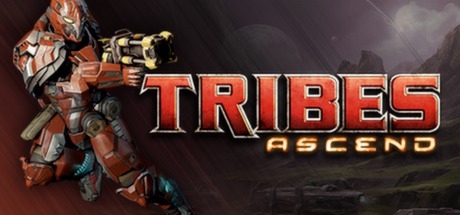
Then there’s Tribes: Ascend, where gravity isn’t defied—it’s harnessed. Skis scream across frozen tundras, jetpacks flare in tight spirals, and every movement is a calculation of momentum, friction, and vector alignment. The player sighs: “Man, I used to love this game. Just mindless fun…” But it wasn’t mindless—it was embodied algorithm. Like Cooler’s drones mapping terrain in real time, Tribes forces you to think in trajectories, angles, and split-second physics corrections. You don’t fight enemies—you intercept them. You don’t charge—you optimize. That same cold, exhilarating clarity—where skill feels less like instinct and more like syncing with a superior architecture—is what makes both Cooler’s invasion and Tribes’ flag runs vibrate with identical frequency.
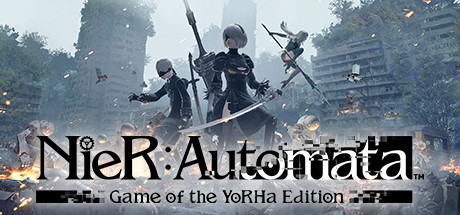
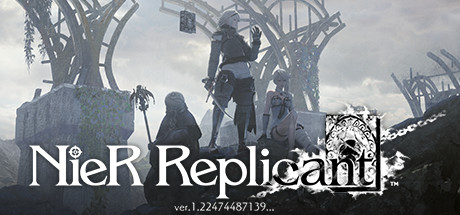
And NieR:Automata™? Its description frames androids battling “machine-driven dystopia”—but the real resonance lies in the review’s quiet devastation: “We’re trapped in a never-ending spiral of life and death”. Cooler doesn’t seek conquest—he seeks erasure. His logic is recursive, self-perpetuating, built on layers of failed iterations (his brother Frieza’s failure, his own prior defeat). Like 2B and 9S, he operates within a system that has long since outgrown its original purpose—yet continues executing protocols with chilling fidelity. The machines in NieR don’t scream; they repeat. Cooler doesn’t rage; he reboots. Both ask the same hollow, beautiful question: When consciousness becomes subroutine, what remains of will? What remains of you?
This pairing isn’t for fans of power fantasies. It’s for the ones who lean in when the music drops—not for a hero’s theme, but for the low hum of reactors powering up. It’s for players who feel relief, not tension, when their opponent moves with perfect, unreadable economy. It’s for viewers who watch Cooler’s transformation not to see strength—but to feel the chill of absolute, elegant certainty. If you’ve ever stood silent in a server lobby, watched a drone patrol pattern loop endlessly on a monitor, or stared at a ruined cityscape knowing the enemy isn’t coming—it’s already here, already thinking, already adapting—then this is your wavelength. Not hope. Not triumph. Just the sharp, clean click of something vast, ancient, and utterly precise locking into place.
🎮23 Games That Match the Vibe






Match Dimensions Explained
❓Frequently Asked Questions
Why does The Return of Cooler feel so different from other Dragon Ball Z games?
Because it leans hard into over-the-top, physics-defying arena brawling—think Cooler’s gravity beam slamming opponents into the ground with screen-shaking impact—whereas most DBZ games prioritize combo strings and ki meter management. Games like Unreal Tournament: Game of the Year Edition mirror that same chaotic, high-velocity spectacle: imagine dodging a rocket jump in UT while spamming insta-gibs, just like dodging Cooler’s Death Ball and countering with a Kamehameha blast that sends your opponent flying off-screen.
Is there a Cyberpunk SFX anime adaptation?
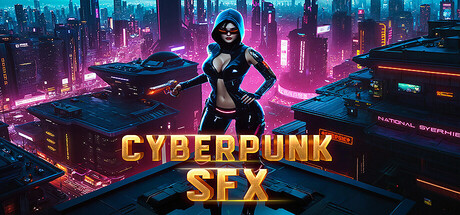
No—Cyberpunk SFX isn’t based on an anime or manga; it’s an original sci-fi action title inspired by cyberpunk aesthetics (neon-drenched cityscapes, neural implants, rogue AIs), not Dragon Ball or any licensed IP. It shares The Return of Cooler’s ‘Action Spectacle’ energy—think rapid-fire gunplay and explosive set-pieces—but trades ki blasts for plasma rifles and drone swarms, much like how NieR:Automata swaps martial arts for sword-and-gun combos against towering machine lifeforms.
How does Tribes: Ascend compare to The Return of Cooler in terms of movement and pacing?
Both are all about momentum-driven chaos: in Tribes: Ascend, you’re skiing across snowfields at 120+ mph, chaining jetpack boosts and ski-slides just like Cooler’s zero-gravity flight and rapid directional shifts mid-blast exchange. Player reviews call it 'mindless fun'—exactly the vibe of Cooler’s frantic, screen-filling energy clashes—while Unreal Tournament offers tighter, more grounded twitch combat with weapon-based burst damage instead of sustained ki duels.
What’s the best game like The Return of Cooler if I want that same overwhelming, cinematic sci-fi spectacle but with emotional weight?
NieR:Automata™ is your pick—it delivers massive, screen-shaking boss fights (like the colossal Machine Lifeform battles) with the same visual bombast as Cooler’s final clash, but layers in haunting themes of identity and loss through androids 2B and 9S. The action is fast, acrobatic, and layered with environmental destruction—just like Cooler’s ship exploding in the background mid-fight—but with narrative depth none of the other matches (Tribes, UT, Cyberpunk SFX) attempt.