
Uplink
Uplink lets you play as a freelance hacker tackling risky contracts for corporations. Break into systems, steal data, sabotage rivals, and upgrade your gear. Support factions or go rogue in this immersive, strategy-driven hacking simulation game where your choices shape the outcome.
🎮Game Details
💬What Players Say
"It was hot, the night we burned Chrome."
"Play the game, Feds. Play the game, Zion Gateway, Feds. Play the game, realize there's story, Feds...."
"Good overall task, story, gameplay, word smashing simu... hahm... Just......"
📝Editorial Analysis
The glow of your monitor is the only light. Fingers hover over a keyboard you know isn’t enough—review three says it outright: “be advised… get you one, or two more keyboard aside.” You’re deep in a server farm’s schematic, tracing firewalls like veins, watching the countdown on a data purge tick down: 00:047. Your pulse syncs to the terminal’s soft blip-blip-blip. Then—“It was hot, the night we burned Chrome.” Not metaphor. Not fantasy. A real heat, a real burn, rising off the screen as your payload executes and the system screams silent static into the void. That’s Uplink: not hacking as spectacle, but as tension, as consequence, as a quiet, humming act of defiance where every keystroke risks erasure—not of your character, but of your reputation, your access, your future contracts. The official description nails it: “your choices shape the outcome.” Not just story branches—removal jobs that leave ghosts in corporate archives, factions that remember your loyalty—or your betrayal—long after the login prompt fades.
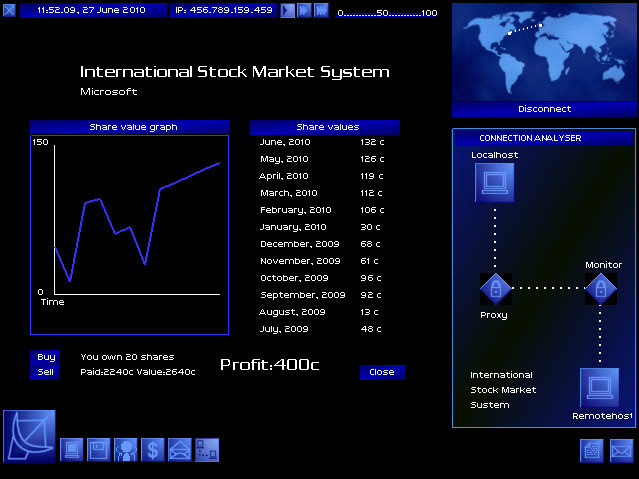
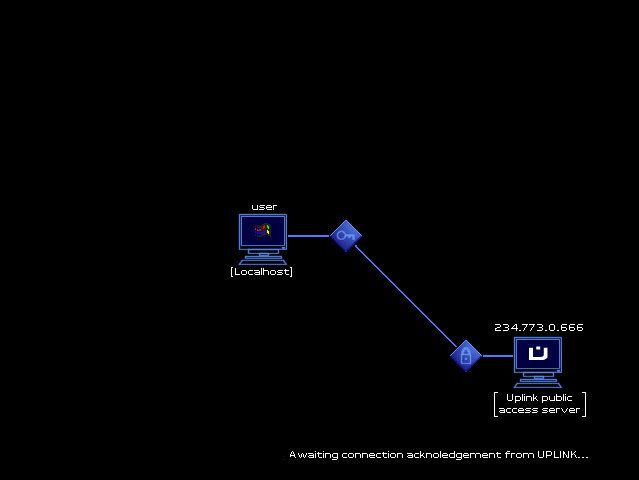
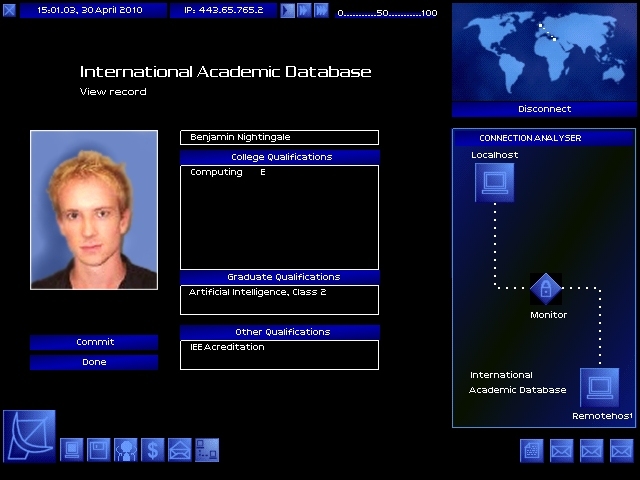
This isn’t cyberpunk as chrome-and-neon carnival. It’s dystopia as bureaucracy: cold, procedural, relentlessly logical. You don’t fight robots—you negotiate bandwidth, outwit intrusion detection systems, weigh whether selling a rival’s R&D logs to Zion Gateway will trigger a Fed crackdown or a cascade failure in their supply chain. There’s no hero music, no cutscene fanfare—just the hum of cooling fans, the hollow clack of mechanical keys, and the slow dawning from review two: “realize there's story, Feds. realize the consequences of removal jobs, literal enlightenment, Feds.” That word—enlightenment—is key. It’s not revelation through battle or romance, but through pattern recognition: seeing how a single data leak ripples across faction trust metrics, how upgrading your ICEbreaker changes not just your success rate, but who will hire you next. It makes you feel small, yes—but also sharply aware, precise, dangerously competent. You think about infrastructure. About silence as power. About how much of the world runs on protocols nobody reads—and how easy it is to slip inside them, if you know where to look.
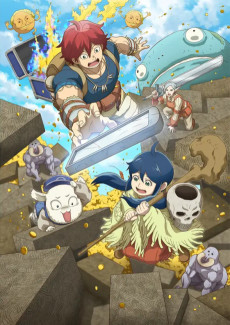
Handyman Saitou in Another World shares that same adult, dark seinen gravity—no wish-fulfillment power fantasy, just a man applying meticulous, grounded skill in hostile systems. Saitou doesn’t shout spells; he diagnoses magical circuitry like firmware, patches mana leaks with calibrated runes, and his victories are measured in stabilized ley-line throughput—not slain dragons. Like Uplink, its tension lives in the process, not the payoff: the sweat on his brow as he recalibrates a dungeon’s trap matrix, the weight of knowing one misaligned glyph could collapse the entire floor. Both trade flash for fidelity—to logic, to consequence, to the exhausting, rewarding labor of making broken things work again.
Arifureta: From Commonplace to World's Strongest Season 2 doubles down on the roguelike & dungeon dimension—but crucially, through the lens of adult, dark seinen. Hajime doesn’t level up by grinding mobs; he reverse-engineers demon anatomy, repurposes enemy biotech into armor plating, and his “power” is born from systemic understanding—not rage, not destiny. His descent into the Abyss mirrors Uplink’s descent into nested firewalls: each layer reveals deeper architecture, older failures, and steeper stakes. When he bypasses a guardian’s core protocol by exploiting its memory fragmentation flaw? That’s not magic—it’s hacking, rendered in blood and bone. The shared DNA is ruthless pragmatism: survival depends on reading the system, then bending it—not breaking it, but rewriting its rules from within.
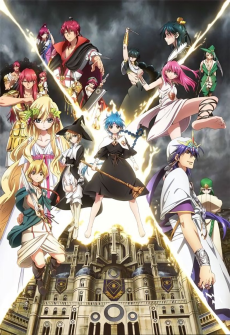
Magi: The Kingdom of Magic, meanwhile, anchors its cyberpunk & dystopia soul in infrastructure as ideology. The Dungeons aren’t dungeons—they’re ancient, sentient networks. Aladdin doesn’t “solve” them; he interfaces, negotiates permissions, deciphers legacy code written in divine syntax. The Reim Empire’s surveillance state? Its control isn’t enforced by soldiers alone, but by data flow restrictions, information blackouts, and sanctioned misinformation vectors—exactly the kind of soft-power domination Uplink simulates when you choose to leak, suppress, or falsify intel for a client. Both treat knowledge not as treasure, but as leverage, and power not as force, but as access.
This pairing sings to the person who watches a server rack boot up and feels a quiet thrill—not because it’s flashy, but because they see the layers: BIOS handshake, kernel load, daemon initialization. They pause anime mid-scene not for the sword clash, but to study the interface glyphs on a floating HUD—are those hex values? Is that a corrupted checksum? They love the weight of real consequence, the satisfaction of a clean exploit, the chill of realizing—oh. This wasn’t just a job. This changed everything. They don’t want to save the world. They want to understand its admin panel. And then, very quietly, change the password.
→87 Anime That Match the Vibe
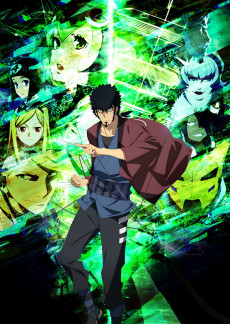
Connected through 3 aesthetic dimensions.

JP’s blistering, near-suicidal drift through Redline’s neon-drenched asteroid belt mirrors Uplink’s tense, real-time firewall breaches—both demand split-second precision amid overwhelming chaos. 🌆 Cyberpunk & Dystopia pulses through both: not just as backdrop, but as lived pressure—corporate surveillance in Uplink’s flickering terminals, Redline’s totalitarian race oversight enforcing silence and spectacle. Unlike most sci-fi thrillers, neither offers clean victories; JP’s final lap and your last heist succeed only by riding the edge of total system collapse.

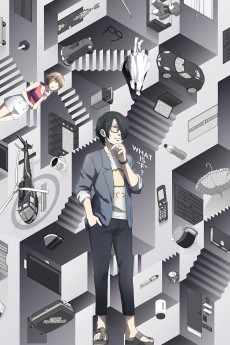
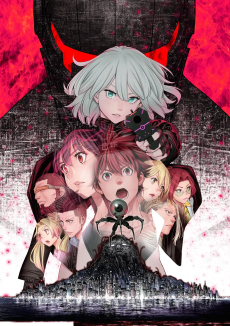
Kazane Hiyori’s isolated lab—cluttered with salvaged tech and humming servers—feels like a rogue Uplink node buried in Neo-Tokyo’s undercity. Where *Uplink* weaponizes digital anonymity to destabilize corporate control, *The Angeloid of Clockwork* fractures identity itself: Kazane’s clockwork body and fragmented memories echo the game’s data corruption mechanics and moral erosion from prolonged hacking. Both anchor their 🌆 Cyberpunk & Dystopia not in neon sprawl alone, but in the quiet dread of systems—biological or digital—that watch, log, and overwrite you without consent.

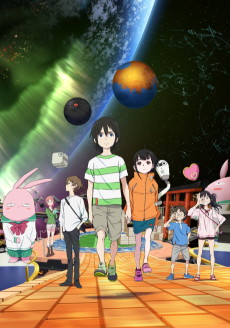
Both dive into neon-soaked futures where technology blurs the line between human and machine.
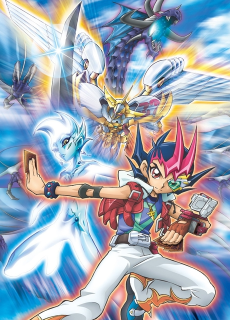
Both dive into neon-soaked futures where technology blurs the line between human and machine.

Connected through 3 aesthetic dimensions.
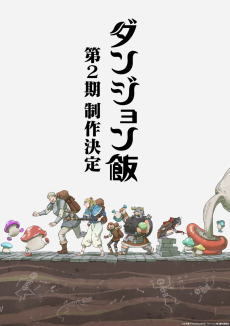
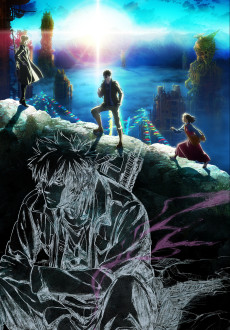
Connected through 2 aesthetic dimensions.
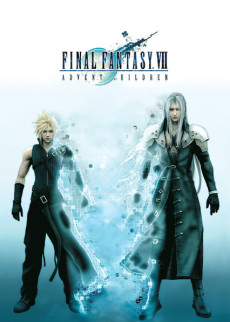
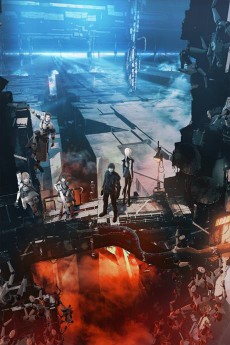
Rain slicks the neon-drenched streets of Midgar’s ruins in *Advent Children*, where Cloud battles not just Sephiroth but a decaying world poisoned by Geo-stigma—a slow, systemic collapse echoing Uplink’s crumbling corporate infrastructure. Unlike most cyberpunk tales fixated on physical augmentation, both anchor their sci-fi dread in invisible failures: corrupted data streams and corrupted mako blood alike erode trust, agency, and the illusion of control. That shared cyberpunk & dystopia texture—gritty, morally ambiguous, and deeply personal—makes their resonance startlingly intimate, not grandiose.
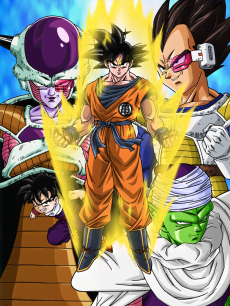
Uplink’s flickering terminal screens and paranoid isolation mirror Dragon Ball Z Kai’s stark, deliberate pacing—where even a planet’s destruction feels methodical, not chaotic. Unlike most shonen remasters, Kai strips spectacle to highlight quiet tension: Gohan studying before the Cell Games echoes Uplink’s tense pre-mission prep, both steeped in 🌆 Cyberpunk & Dystopia’s weight of consequence. That shared austerity—trading flash for focus—makes their synergy startlingly precise.

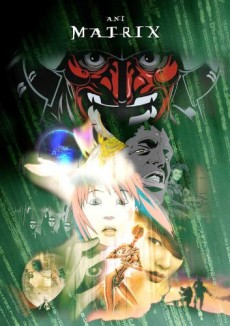
Magnetic Rose’s derelict space station—where ghostly memories hijack reality—mirrors Uplink’s core tension: systems that seem inert until they weaponize your own data against you. Unlike most cyberpunk fare fixated on neon streets, both plunge into the chilling quiet of abandoned infrastructure—zero-gravity voids and silent server racks—where loneliness curdles into existential dread. This resonance in 🌆 Cyberpunk & Dystopia isn’t stylistic coincidence; it’s structural: both expose how fragile identity becomes when memory, code, and grief blur into one unstable architecture.













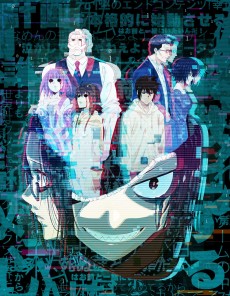
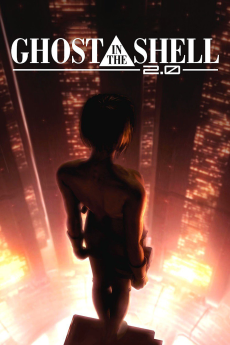


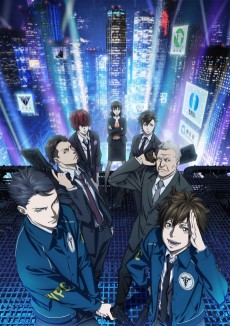




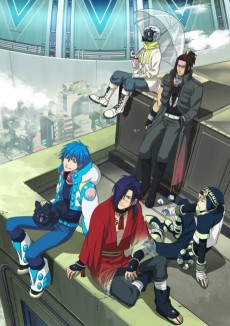


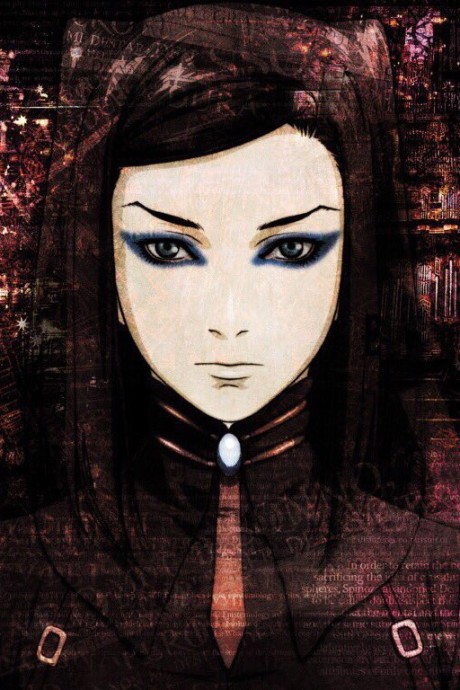
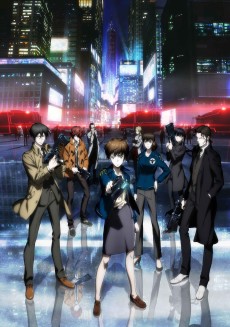









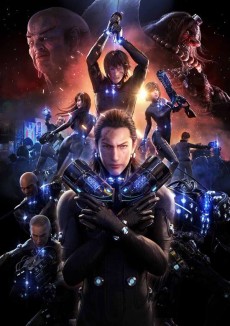

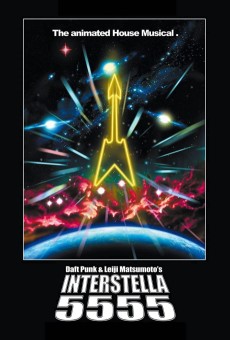
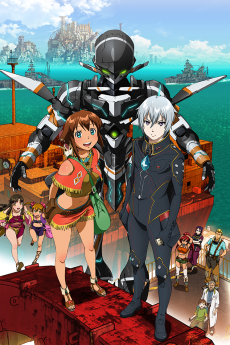



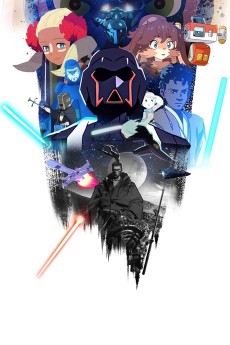

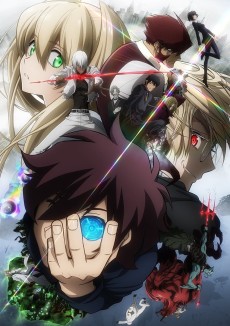




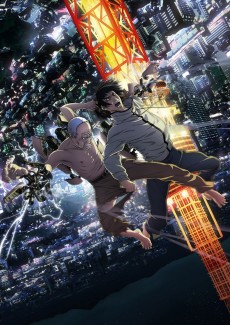














Match Dimensions Explained
❓Frequently Asked Questions
Why is Magi: The Kingdom of Magic on the 'Anime Like Uplink' list when it’s about magic and genies?
Great question—it’s not about spells, it’s about *systemic infiltration*. Think of Alibaba’s stealthy, high-stakes dungeon runs in the Reim Empire arc: bypassing magical firewalls (guardian golems), exploiting backdoor contracts with Djinn, and choosing whether to sabotage a rival faction or sell intel to the highest bidder—just like Uplink’s ‘remove employee’ jobs where consequences hit hard. The cyberpunk-dystopia dimension fits Uplink’s vibe because both treat power structures as hackable systems, not just fantasy set dressing.
Is there an anime adaptation of Uplink?
Nope—Uplink has never been adapted into an anime. It’s stayed proudly, beautifully *unadapted*, which is why fans lean into shows that *feel* like playing it: Redline nails that same adrenaline-fueled, neon-drenched tension—like when Shotaro’s bike hacks through security grids mid-race, dodging laser snares and corporate enforcers, mirroring Uplink’s ‘burner IP’ scrambles and real-time firewall breaches. No official anime exists, but Redline’s chaotic energy? That’s your closest spiritual port.
How does Arifureta Season 2 compare to Uplink in terms of hacking-like strategy?
Arifureta S2 isn’t about typing code—it’s about *exploiting system logic like a hacker*. Watch Hajime dismantle the Abyss’s ‘rules’: he reverse-engineers monster spawn patterns (like analyzing Uplink’s network topology), rigs traps using environmental variables (akin to deploying logic bombs), and upgrades gear mid-mission using scavenged parts—exactly how you’d mod your ICEbreaker or RAM in Uplink. Both reward patience, pattern recognition, and ruthless optimization—not brute force.
What if I love Uplink’s paranoid, lone-wolf hacker mood—what’s the best anime for that specific vibe?
Go straight to Heaven’s Lost Property the Movie: The Angeloid of Clockwork. It’s got that same isolated, high-stakes tension: Ikaros silently overriding city-wide defense networks, rerouting surveillance feeds while evading orbital satellites—feels *exactly* like running a stealth trace in Uplink’s Zion Gateway server. The quiet dread before a system lockout? The way she chooses *not* to escalate unless forced? That’s pure ‘Feds… play the game, realize the consequences’ energy—no exposition, just precision, consequence, and cold focus.