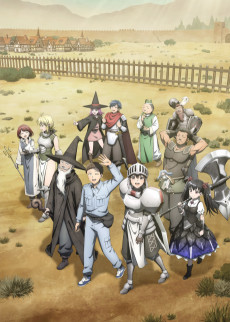
Handyman Saitou in Another World
Handyman Saitou has never felt special in his life. When he’s dropped into a medieval fantasy world, he gathers a party of unique beings to survive. Surrounded by a heavy warrior, a spell-forgetting wizard, and even a divine fairy princess, he yearns to be helpful. But after Saitou saves everyone during a raid, it’s clear that having a handyman on an adventure isn’t just useful, it’s essential!
(Source: Crunchyroll)
📺Anime Details
📝Editorial Analysis
The clink of a bent nail being straightened between calloused fingers. The soft hiss of steam escaping a cracked kettle repaired with scrap copper and stubborn optimism. Saitou kneeling in the dirt beside a crumbling stone bridge—not casting a spell, not drawing a sword—but tracing hairline fractures with his thumb, muttering about load distribution and mortar consistency while a fairy princess hovers overhead, baffled, and a skeleton warrior leans against a tree, jaw unhinged in what might be awe or indigestion. That’s the heartbeat of Handyman Saitou in Another World: not triumph, but tending. Not destiny, but diligence.
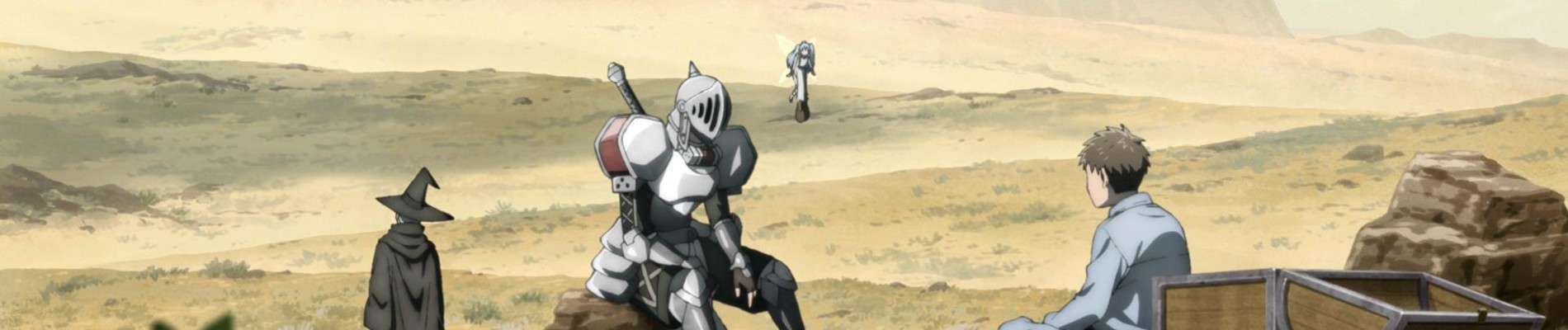
What makes this anime vibrate differently isn’t its isekai setup or its ensemble cast—it’s how it treats care as a quiet, muscular form of magic. There’s no grand prophecy, no chosen-one angst—just the profound relief of something working again. When the party’s armor buckles mid-raid, Saitou doesn’t summon lightning; he re-rivets a pauldron with scavenged iron and twine. When the fairy’s wing-lamp flickers out, he cleans the quartz lens and adjusts the mana-flow regulator—not because he understands divine energy, but because he understands lenses. It makes you feel seen—not as a hero, but as someone who fixes things, who notices the loose hinge, who stays late to tighten the bolts. It’s warm, yes—but also resolute, grounded, unshowy. In a genre saturated with world-ending stakes, it whispers: What if saving the day looks like saving the teapot?
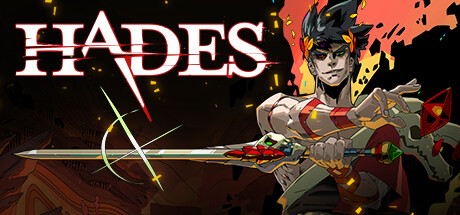
That same emotional resonance hums through Hades, where every escape attempt from the Underworld begins not with a roar, but with a reassessment: Zagreus tweaks his weapon, swaps a boon, studies the rhythm of a shade’s lunge—tending to his own limits before charging forward. The player review admits struggle—“I was so close to giving it a negative review”—but pivots on something deeper than victory: fairness, iteration, returning. Like Saitou re-soldering the same broken hinge three times until it holds, Zagreus learns not by power-scaling, but by attentive repetition. Both ask you to find meaning in the repair, not just the rupture.
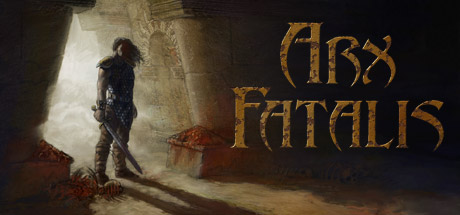
Then there’s Arx Fatalis, whose “melancholic exploration” mirrors Saitou’s quiet reverence for ruined things. The description calls Arx “wrought with turmoil… brought to the brink of destruction”—yet the player review praises how “exploration is truly e…” (cut off, but the ellipsis feels intentional, like breath catching at beauty in decay). Saitou doesn’t flinch from cracked masonry or rusted gears; he kneels, inspects, considers. So does the player in Arx, tracing glyphs on damp dungeon walls, coaxing fire from cold flint, listening to the groan of ancient stone—not to conquer, but to reconcile. Both treat brokenness not as failure, but as invitation: to understand, to adapt, to mend with hands that know weight and grain.
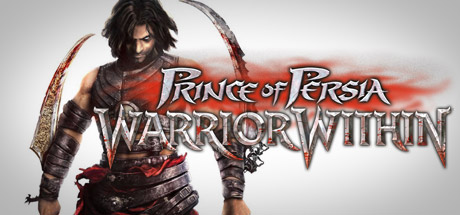
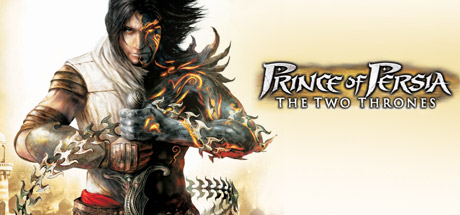
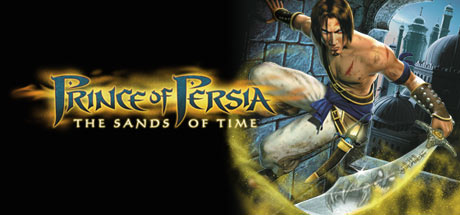
Even Prince of Persia—with its “comedy & parody” dimension—echoes Saitou’s spirit. The description positions it as a reboot built on “new lands and a brand new story,” yet the tone leans into physicality: acrobatic precision, environmental interaction, timing-based restoration of balance (sand, time, architecture). That playful, tactile relationship with the world—where a ledge isn’t just traversed but tested, a lever not just pulled but understood—mirrors Saitou’s instinct to poke, prod, and repurpose. The comedy isn’t slapstick; it’s the relief of a gear clicking into place after three tries, of a trap disarmed not by force, but by noticing the worn groove in the floor.
This pairing isn’t for the power-fantasy seeker or the lore-dump devotee. It’s for the person who pauses mid-battle to adjust their glove strap. For the player who saves before opening a chest—not out of fear, but respect for the object’s history. For the viewer who feels a jolt of quiet pride when Saitou’s repaired lantern casts steady light over his sleeping party, its glow soft, functional, enough. They’re the ones who know that real strength isn’t in the swing of the sword—but in the hand that keeps the blade sharp, the scabbard oiled, the path cleared of debris. They don’t want to break the world open. They want to make it hold.
🎮131 Games That Match the Vibe








































































Match Dimensions Explained
❓Frequently Asked Questions
Why does Hades keep coming up when people search for games like Handyman Saitou in Another World?
Because both lean hard into that 'competent adult in a hostile fantasy world' vibe — Zagreus isn’t some wide-eyed rookie; he’s sharp, sarcastic, and relentlessly capable, just like Saitou fixing cursed artifacts while dodging demon lords. The roguelike structure in Hades (with its layered lore, recurring NPCs like Nyx and Megaera, and environmental storytelling in the Underworld) mirrors Saitou’s methodical problem-solving across escalating magical crises — plus that same blend of dark-seinen tone and action-spectacle combat.
Is there an anime or manga adaptation of Handyman Saitou in Another World?
No — as of now, there’s no official anime, manga, or live-action adaptation. That’s why fans often pivot to games like Arx Fatalis: its melancholic exploration of a crumbling, magic-scarred underground world (with eerie ruins, decaying cults, and morally gray factions like the Druids) scratches that same itch — you’re not power-fantasing, you’re *repairing* broken systems, just like Saitou jury-rigging ancient wards with duct tape and willpower.
How is Larva Mortus different from Dragon Nest if both are on the 'games like Handyman Saitou' list?
Larva Mortus is a solo, top-down exorcist sim — think fast weapon swaps, randomized monster lairs, and that grimy, rain-slicked occult noir feel (like Saitou diagnosing a poltergeist-infested teapot at 3 a.m.). Dragon Nest, meanwhile, is a full-blown MMORPG with party-based dragon raids, flashy combo chains, and persistent world events — closer to Saitou’s big-budget festival arc where he coordinates 12 guilds to re-calibrate a continent-wide mana grid. One’s a gritty solo craft job; the other’s a collaborative infrastructure overhaul.
What’s the best game like Handyman Saitou if I want that calm-but-capable, repair-focused fantasy mood?
Arx Fatalis — hands down. You play a nameless prisoner in a collapsing subterranean realm, using real-time spellcasting (draw runes in the air!), crafting potions from fungi and bone dust, and physically interacting with levers, doors, and ancient machinery — exactly like Saitou calmly recalibrating a sentient boiler while lava bubbles nearby. Its melancholic exploration and adult/dark-seinen tone (think the quiet dread of abandoned temples and whispered cult prophecies) nails that grounded, resourceful, no-nonsense energy.