
X-Blades
In X-Blades, the player takes on the role of the enchanting heroine Ayumi, who survives a breathtaking dance of blades through the Hordes of Darkness. The long-haired beautiful anime, with her pistol blades and mind-blowing leaps, whirls and swirls from one fantastic level to the next.
🎮Game Details
💬What Players Say
"Pretty okay game."
"certified banger"
"Ayumi is peak"
📝Editorial Analysis
The air smells like burnt sugar and ozone—Ayumi’s hair whips across the screen as she leaps, a silver blur suspended mid-air, twin pistol-blades humming with violet energy, her body coiling then unspooling like a spring released. She lands—not on solid ground, but on the crumbling edge of a floating obsidian spire, one foot balanced impossibly, the Hordes of Darkness surging below in jagged, churning waves. That breathless suspension—the whirl, the swirl, the sheer enchanting defiance of gravity and logic—is X-Blades in its purest pulse. Not story. Not lore. Just Ayumi: long-haired, beautiful, airborne, alive in the eye of chaos—exactly as the official description promises, and exactly why Player Review 3 declares, “Ayumi is peak…”
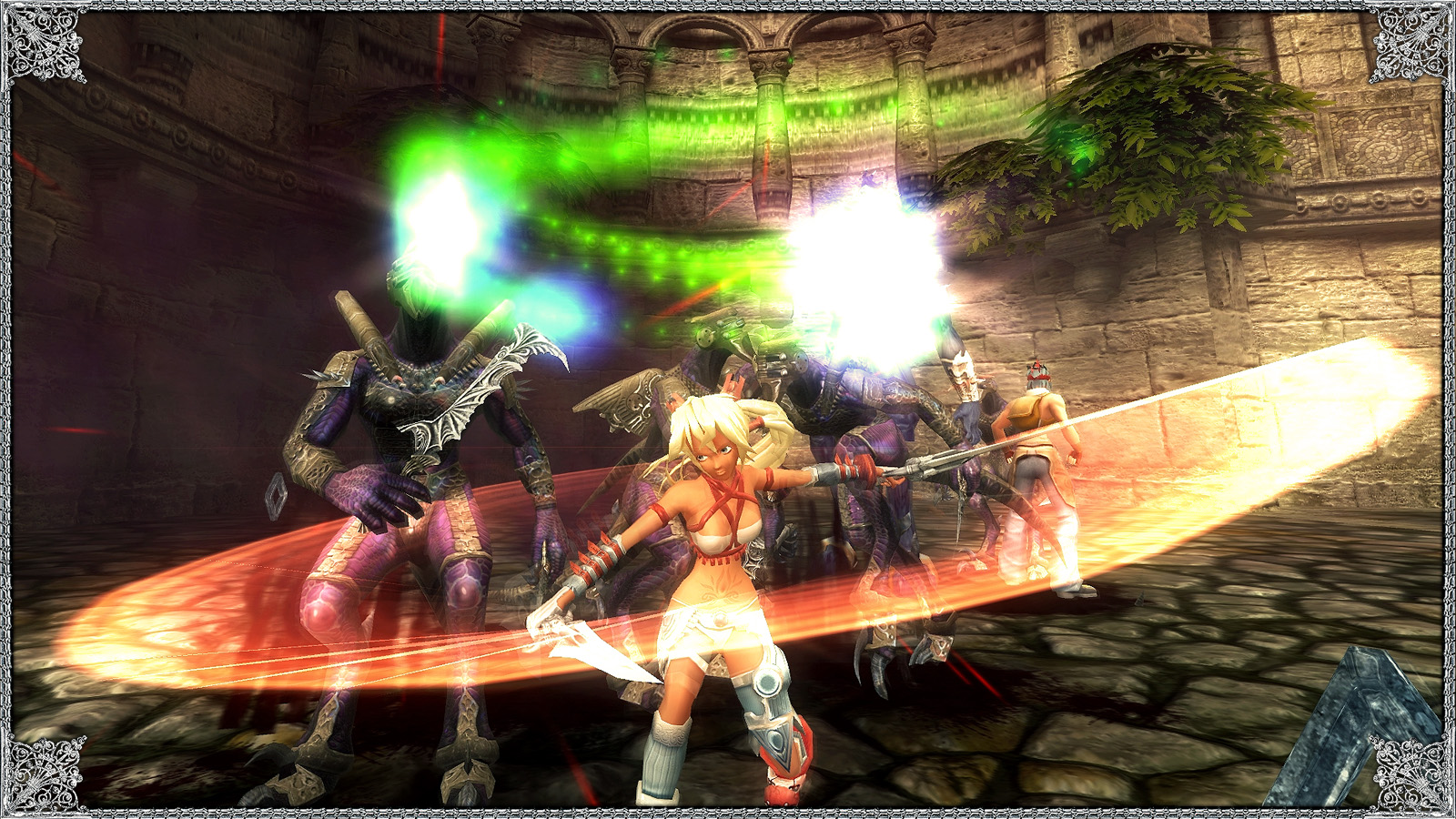
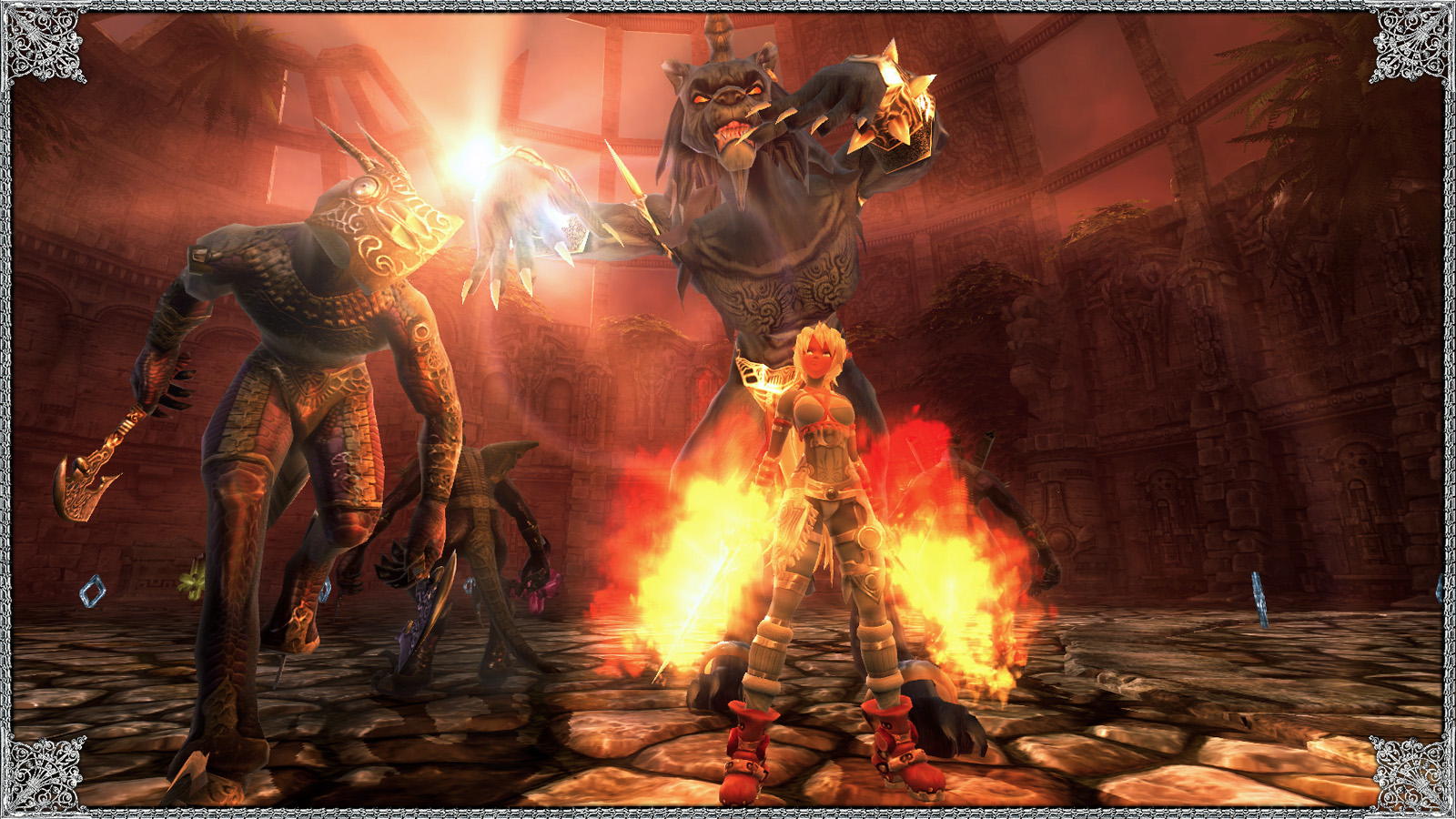

What hits first isn’t difficulty or narrative—it’s velocity with grace. X-Blades doesn’t ask you to strategize; it asks you to trust the motion. Every combo flows like choreography written in adrenaline: a pirouette into a downward slash, a wall-run that melts into a backflip kick, blades firing mid-spin like punctuation marks in a sentence written at Mach speed. It feels less like combat and more like ritualized flight—a dance where danger isn’t overcome so much as danced around, again and again, until exhaustion and exhilaration blur. There’s frustration—yes, Player Review 1 admits those “frustrated moments”—but it’s the kind that burns clean, not sour. You don’t rage-quit; you reset, breathe, and leap again because the feeling—that dizzy, glittering, almost sacred lightness—is worth every stumble. It’s adult, not in cynicism, but in its refusal to explain itself: no hand-holding, no exposition dumps—just Ayumi, her blades, and the dark, breathing world she cuts through like silk.
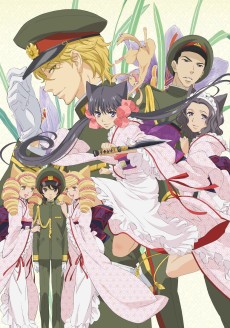
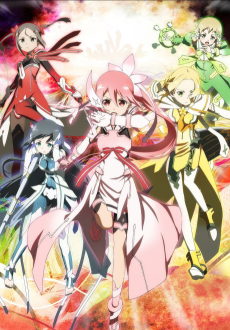
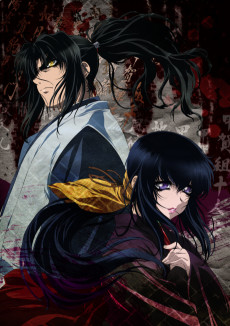
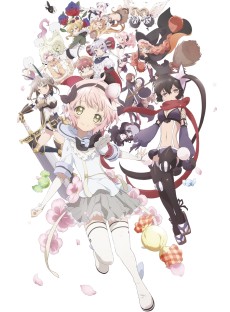
That same electric, adult-and-dark intensity pulses through SHY, where a lone girl in a red hood moves through Tokyo’s neon-lit underbelly—not with brute force, but with impossible angles, silent pivots, and weapons that hum with restrained power. Like Ayumi, SHY’s protagonist fights not just enemies but gravity, perception, and silence itself—her action is spectacle because it’s economical, precise, and deeply personal. Then there’s Malevolent Spirits: Mononogatari, where every confrontation is a visual haiku: ink-black spirits dissolving into cherry blossoms, sword arcs drawn in slow-motion ink wash, violence rendered with poetic weight rather than gore. Its “Action Spectacle” isn’t about scale—it’s about resonance, the way a single strike echoes in stillness afterward—just as Ayumi’s leaps hang, suspended, before the next whirl begins. And Nabari no Ou—oh, that effortless, almost arrogant fluency! Miharu’s ninja arts aren’t flashy for flashiness’ sake; they’re inevitable, like physics rewritten by willpower alone. His movement has the same whirl-and-swirl cadence as Ayumi’s—fluid, self-assured, bordering on balletic—even when the stakes are life-or-death and the tone leans into moral murk. All three share X-Blades’ core paradox: beauty as weapon, elegance as armor, darkness as canvas.
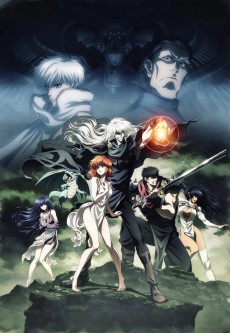
This isn’t for the player who needs lore bibles or the viewer who waits for exposition to catch up. It’s for the person who watches Ayumi land from a 20-foot drop—and feels the wind shift in their own chest. It’s for the one who rewinds Basilisk’s rooftop duel just to study the exact angle of Oboro’s wrist-flick, or who pauses Yuki Yuna is a Hero not for dialogue, but to linger on the way Yuna’s skirt flares mid-backflip as she kicks a shadow-beast into fractured light. They’re drawn to characters whose power lives in motion, not monologue—who fight not to win arguments, but to assert presence, to carve meaning out of chaos with every leap, slash, and spin. They love the weight of a blade’s swing and the lightness of a hair’s strand catching the light mid-air. They don’t need backstory to feel reverence—they feel it in the curve of a trajectory, the hush before impact, the way beauty and danger don’t oppose each other here—they breathe together. Ayumi doesn’t save the world with speeches. She saves it by moving, gloriously, defiantly, unapologetically—and if you’ve ever held your breath watching someone do exactly that—whether on screen or in code—you already know her name.
→31 Anime That Match the Vibe
Pure kinetic energy — the action choreography in both is some of the best in their medium.

Pure kinetic energy — the action choreography in both is some of the best in their medium.
Pure kinetic energy — the action choreography in both is some of the best in their medium.
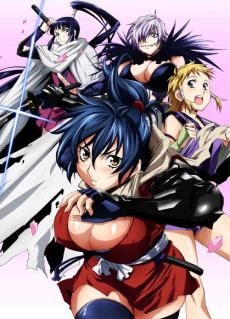
Pure kinetic energy — the action choreography in both is some of the best in their medium.
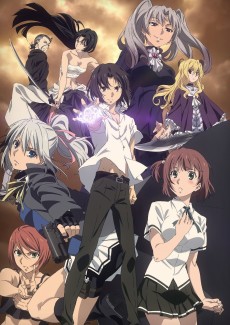
Pure kinetic energy — the action choreography in both is some of the best in their medium.
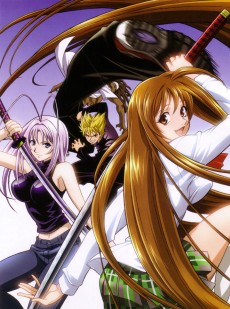
Pure kinetic energy — the action choreography in both is some of the best in their medium.
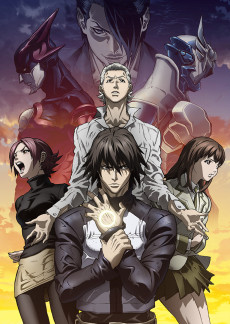
Pure kinetic energy — the action choreography in both is some of the best in their medium.
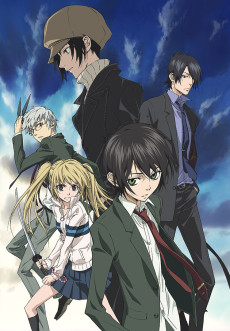
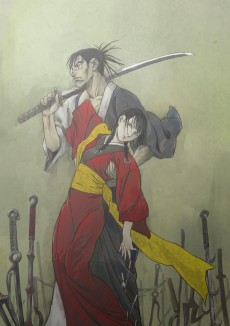
Ayumi’s gravity-defying blade-dance atop crumbling gothic spires mirrors Miharu’s silent, lethal Shinrabanshou evasions in Nabari’s rain-slicked alleys—both weaponize stillness before violence. Unlike most shōnen action, *Nabari no Ou*’s psychological weight and *X-Blades*’ dark-seinen aesthetic fuse in their shared refusal to romanticize power: Ayumi’s allure is laced with exhaustion; Miharu’s apathy masks trauma. This resonance isn’t superficial—it’s structural, rooted in how both frame adolescence as a battlefield where beauty and brutality are inseparable.
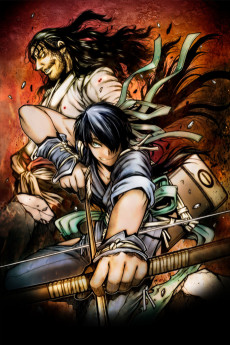
Pure kinetic energy — the action choreography in both is some of the best in their medium.
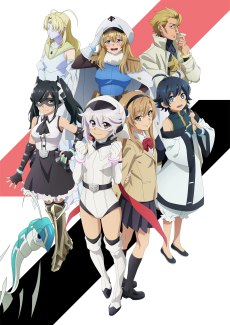
Ayumi’s razor-edged ballet through collapsing ruins in *X-Blades* mirrors SHY’s quiet tension before a hero’s power erupts—neither glorifies violence, but frames it as psychologically costly spectacle. Where Ayumi’s crimson hair whips across blood-slicked stone during a boss fight, SHY’s protagonist clutches her pistol with trembling hands in a silent hallway, the weight of adult responsibility pressing harder than any superpower. This shared 💥 Action Spectacle isn’t flashy—it’s visceral, intimate, and steeped in 🖤 Adult & Dark Seinen unease about agency, sacrifice, and the body as both weapon and wound.
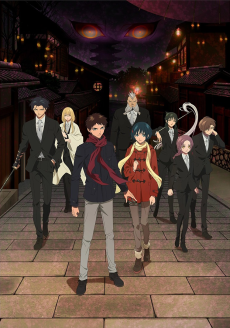





![Fate/stay night [Heaven's Feel] I. presage flower](https://s4.anilist.co/file/anilistcdn/media/anime/cover/medium/bx20791-yPCX5GJuMH2k.png)
Match Dimensions Explained
❓Frequently Asked Questions
Why is SHY recommended for X-Blades fans?
Because SHY’s protagonist, Shy—a masked, long-haired assassin with dual bladed tonfas and gravity-defying acrobatics—mirrors Ayumi’s balletic swordplay and high-octane aerial combos. The rooftop chases in Episode 4 and the rain-slicked alley duel in Episode 7 feel like direct lifts from X-Blades’ ‘dance of blades’ combat rhythm.
Is there an anime adaptation of X-Blades?
No—X-Blades never got an official anime adaptation, despite its strong anime aesthetic and cult following. But if you love Ayumi’s pistol-blades and dark fantasy vibe, Nabari no Ou delivers that same energy: Miharu’s stealth takedowns and the ninja clan battles (especially the rooftop fight with Gau in Episode 12) hit that exact ‘Hordes of Darkness’ intensity.
How does Yuki Yuna is a Hero compare to X-Blades in tone and action?
Yuki Yuna leans more into emotional weight and sacrifice (like Ayumi’s solo charge against overwhelming odds in the Temple of Ashes level), but the ‘Heroic Battle’ sequences—especially Yuna’s spinning spear combos and the synchronized team finishers in Episode 8—channel X-Blades’ ‘mind-blowing leaps’ and visual spectacle without sacrificing stakes or atmosphere.
What if I love Ayumi’s design and want something with similar female-led dark action?
Then Malevolent Spirits: Mononogatari is your best bet—Koyomi’s sharp-tongued confidence, her ornate cursed katana, and those slow-motion blade-draws during the ‘Crimson Shrine’ arc (Episodes 5–6) nail Ayumi’s blend of elegance and lethal precision. Plus, both lean hard into adult themes while keeping the action visceral and stylish.