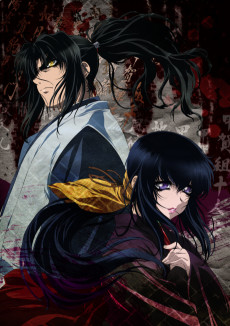
Basilisk
The heirs to the Kouga and Iga ninja clans, Gennosuke and Oboro, hoped the unsteady truce between their tribes would last—but fate denies the lovers, thrusting their people into war after centuries of peace. The terms are set on two scrolls. One bears a list of Kouga warriors. The other holds a list of those who fight for Iga. The names found on these scrolls can only be crossed out in blood.
(Source: Crunchyroll)
📺Anime Details
📝Editorial Analysis
The ink on the scroll isn’t black—it’s dried blood, thick and rust-brown, already flaking at the edges where Gennosuke’s name sits untouched, and Oboro’s is crossed out not once, but twice, as if the act itself had to be confirmed by violence. That moment—silent, static, unbearable—is Basilisk’s heartbeat. Not a clash of blades, not a scream, just the weight of a single stroke that erases a life before it’s even lived. You feel the parchment resist under the stylus; you smell the iron tang rising off the page like a wound reopened.
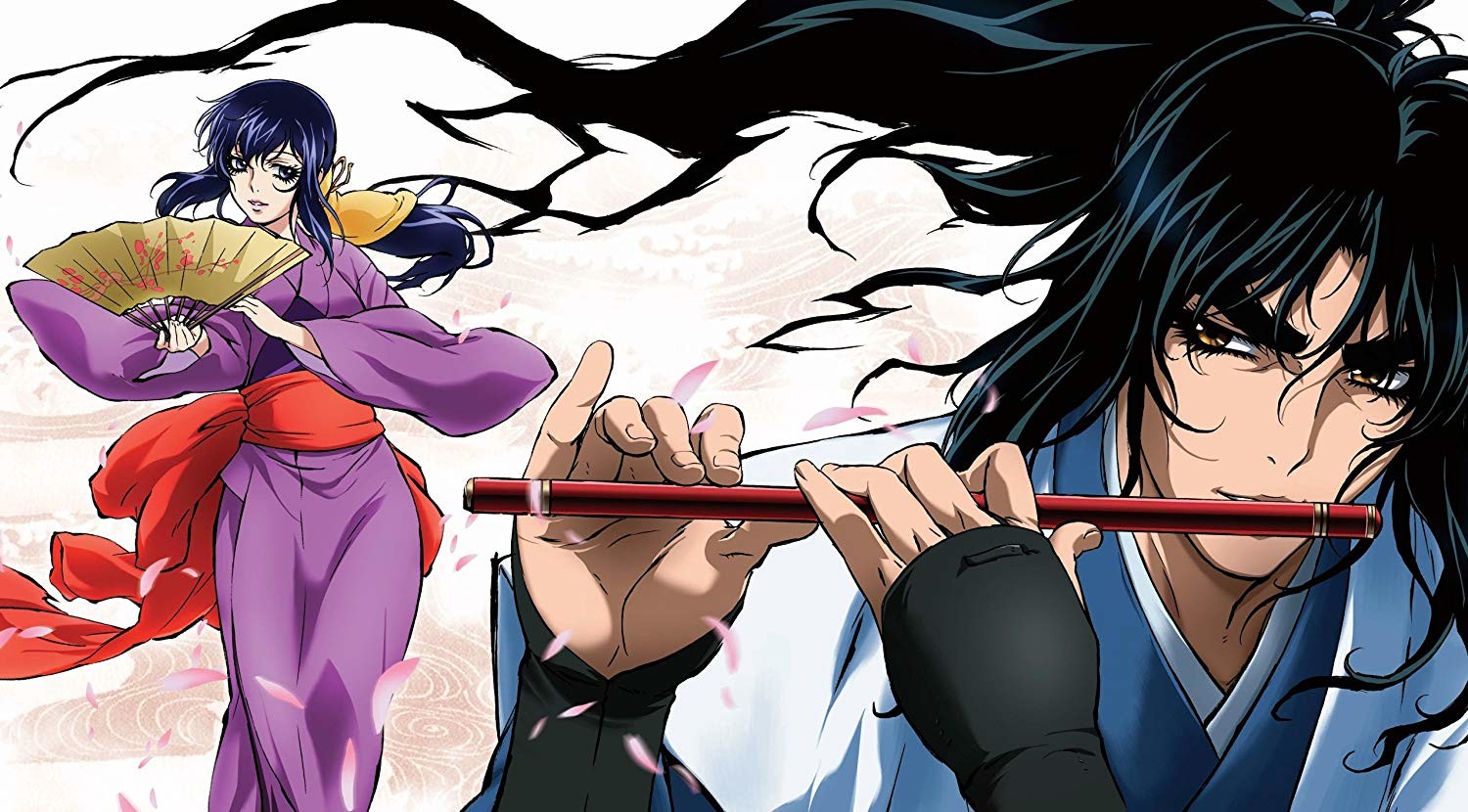
What makes Basilisk’s atmosphere singular isn’t its historical setting or ninja lore—it’s the inescapable gravity of consequence. Every movement carries terminal weight: a glance lingers too long and becomes betrayal; a hesitation fractures loyalty; a kiss is both sanctuary and sentence. This isn’t action as release—it’s action as ritualized grief. The “Super Power” isn’t flashy—it’s grotesque: eyes splitting open across foreheads, limbs regrowing only to rot mid-swing, poison blooming beneath skin like ink in water. It’s body horror as emotional syntax—flesh failing because the heart has already broken. And the romance? It’s not yearning—it’s dreadful intimacy, two people holding each other while counting down the names still left unstruck on those scrolls. You don’t watch Basilisk to escape. You watch to witness how elegantly tragedy folds into duty, how love sharpens sorrow instead of softening it.
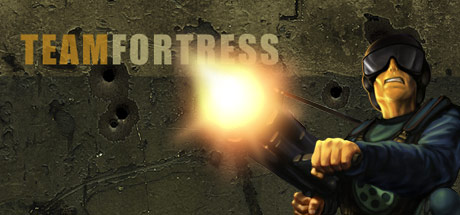
That same visceral finality lives in Team Fortress Classic, where class identity isn’t cosmetic—it’s fatal. A Medic’s ÜberCharge doesn’t just grant invincibility; it postpones the inevitable, and when it breaks, the collapse is absolute—no respawns, no second chances, just ragdoll physics and the hollow echo of your own last voice line. Player reviews call it “nostalgic,” but what they’re really mourning is that era’s uncompromising stakes: no tutorials, no hand-holding, just nine archetypes locked in perpetual, bloody arbitration—exactly like Kouga and Iga, each role defined by sacrifice, each death carrying narrative heft. Likewise, Quake III Arena summons warriors “for the amusement of an ancient alien race”—a premise dripping with the same cosmic indifference that governs Basilisk’s war. No backstory, no redemption arcs—just combat as ordained spectacle, where power-ups flicker and vanish like breath before a killing strike, and every frag feels less like victory and more like crossing another name off a scroll no one sees. And Shank—that grindhouse sidescroller—doesn’t hide its brutality behind myth or magic. Its combos are visceral, its dismemberment textural, its bosses falling not with fanfare but with wet, splintering finality. One player admits they “enjoy this in the past” with rose-tinted glasses—but what they’re really remembering is the physical honesty of its violence: no moral ambiguity, no grand strategy—just muscle memory meeting mortality, blade meeting bone, again and again, until exhaustion sets in like grief.
This pairing isn’t for fans of heroic last stands or triumphant comebacks. It’s for the viewer who watches Basilisk and feels their throat tighten not at the deaths, but at the silences between them—the way Oboro’s hand trembles as she reaches for Gennosuke’s sleeve, knowing her touch might be the last thing he feels. It’s for the player who boots up DOOM + DOOM II not for speedruns, but for that first corridor in E1M1—the way the shotgun blast reverberates in the empty space, how the imp’s shriek cuts off mid-air, how the floor stays stained red long after the screen fades to black. It’s for people who understand that adult doesn’t mean grimdark—it means unflinching. Who crave stories where love and loyalty aren’t shields, but accelerants. Who find beauty not in survival, but in the precision of the fall.
🎮20 Games That Match the Vibe



Match Dimensions Explained
❓Frequently Asked Questions
Why does Basilisk remind me so much of Team Fortress Classic?
Because both lean hard into chaotic, class-based team mayhem with distinct archetypes—like Basilisk’s sniping sniper or stealthy infiltrator mirroring TFC’s Sniper and Spy, complete with backstab mechanics and objective-driven maps. Players even mention that nostalgic ‘90s arena energy’ in their reviews: ‘simply the best nostalgic game, I have dreams about this game’—same vibe Basilisk nails with its gritty, adult-oriented action spectacle.
Is there a Basilisk anime or movie adaptation?
No—Basilisk isn’t adapted from any existing anime or film (unlike, say, Jedi Academy’s Star Wars roots). It’s an original IP, though fans often compare its tone to Adult & Dark Seinen titles like Quake III Arena, where ancient alien overlords force warriors into brutal gladiatorial combat—very much the same morally grey, high-stakes spectacle Basilisk delivers.
How is Basilisk different from STAR WARS™ Jedi Knight - Jedi Academy™?
Jedi Academy is lightsaber-focused, story-driven, and lets you build your Padawan with Force powers and branching choices—while Basilisk ditches the mythic hero’s journey for grounded, tactical gunplay and squad roles (think Medic/Engineer analogues). Still, both share that Action Spectacle + Adult & Dark Seinen DNA: intense set-pieces, no hand-holding, and zero kid gloves—just like when players describe Jedi Academy as ‘thrust into a Galaxy-spanning adventure to help…’ with real stakes.
What’s the best Basilisk-like game if I want something fast, gory, and single-player focused?
DOOM + DOOM II is your perfect match—blistering pace, visceral demon-slaying, and zero downtime between shotgun blasts and glory kills. It’s got that same unapologetic, blood-soaked Action Spectacle energy Basilisk channels, and fans still rave about it decades later: ‘This game was the reason my dad and I built our first computer… WOO!’ Just swap Basilisk’s squad tactics for solo demon-hunting—and keep the chainsaw revving.