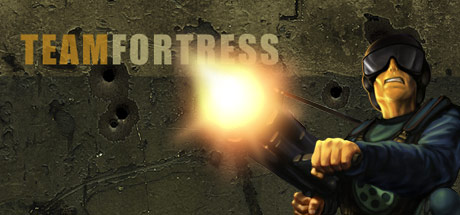
Team Fortress Classic
One of the most popular online action games of all time, Team Fortress Classic features over nine character classes -- from Medic to Spy to Demolition Man -- enlisted in a unique style of online team warfare. Each character class possesses unique weapons, items, and abilities, as teams compete online in a variety of game play modes.
🎮Game Details
💬What Players Say
"simply the best nostalgic game, i have dreams about this game. Ive played this since i was 9, back when it came out!"
"TF Classic ist trotz des Alters ein gutes Spiel für zwieschendurch. Sollte es am Anfang nicht funktionieren kann es daran liegen, dass es noch nicht auf Englisch umgestellt worden ist. Um das zu ändern muss man nur bei den Einstellung direkt beim Spiel, die Sprache auf Englisch umstellen und dann sollte das Spiel normal Starten bzw...."
"Not really worth $5 pretty much dead, you can play with bots but it’s not really the same."
📝Editorial Analysis
The smell of burnt toast and dial-up screeching—your ninth birthday, 1999, hunched over a CRT monitor while your dad’s old PC wheezes Team Fortress Classic to life. You pick the Demolition Man—not because you know what he does, but because his name sounds like a promise: explosions, chaos, a role. You sprint into the map, fumble the detonator, accidentally blow up your own Medic mid-respawn, and hear that unmistakable, gravelly “Oh, shit—!” from your teammate’s mic—crackling, raw, unfiltered. That moment isn’t gameplay. It’s communion: nine classes, no tutorials, no hand-holding—just shouting, misfiring, learning by detonating yourself again, and laughing so hard your throat hurts. As one player says, “I have dreams about this game.” Not nostalgia as decoration—but as physiology: muscle memory in your fingers, phantom echoes of voice chat static, the gut-lurch joy of a perfectly timed sticky trap on a Spy who thought* he was invisible.
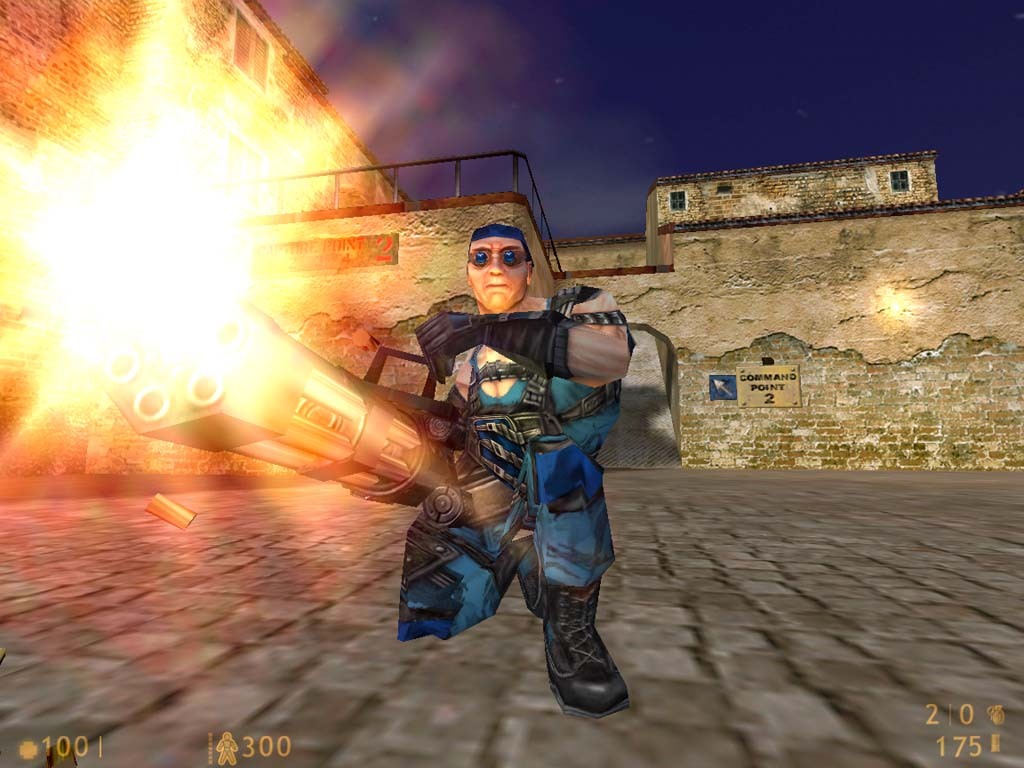
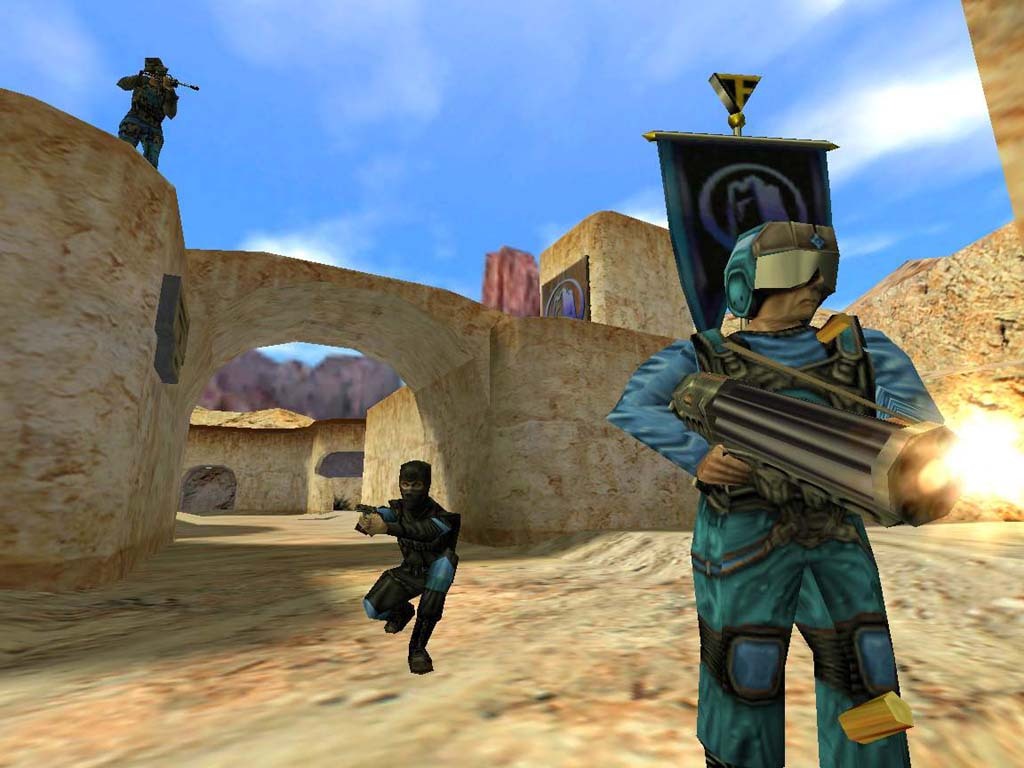
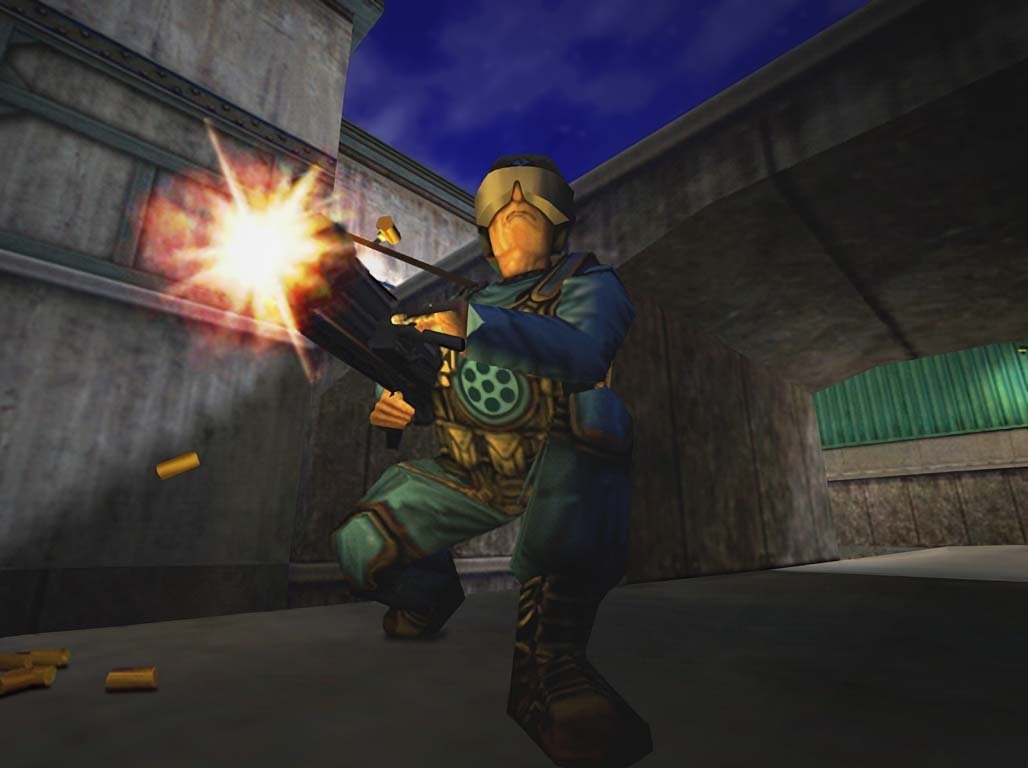
What makes Team Fortress Classic vibrate at this frequency isn’t its age or its Half-Life engine—it’s the unmediated human friction. No matchmaking algorithms, no ranked tiers, no win-streak tracking—just servers where strangers become improvised families for twenty minutes: the Medic you trust with your life because he healed you three times in a row, the Scout who never stops yelling, the Spy who stabs you then apologizes in all-caps. It feels less like a shooter and more like a live-action slapstick rehearsal—where failure isn’t punishment, it’s material. The official description calls it “a unique style of online team warfare,” but what it really delivers is collective improvisation under pressure: every class has rigid limits (the Heavy can’t jump, the Spy can’t shoot through walls), yet within those constraints, players invent absurd, elegant, heartbreaking solutions. You don’t play to win—you play to become legible to each other, fast, loud, and flawed.
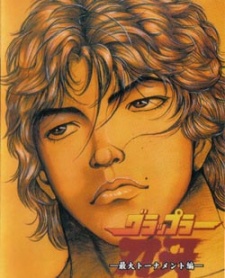
That’s why Hajime no Ippo: The Fighting! lands with such visceral recognition. Its boxing ring isn’t just sport—it’s a stage for Competitive Spirit and Action Spectacle distilled into sweat, split knuckles, and breathless silence before the bell. Like TFC’s Demolition Man, Ippo doesn’t need flashy combos—he wins by showing up, again and again, absorbing blows until his body remembers how to move with the opponent, not against them. The rhythm matches: both demand timing over talent, repetition over revelation. And when Ippo finally lands that first clean hook—not with a roar, but with stunned, quiet exhale—it mirrors the exact second you finally time a rocket jump off the roof in 2Fort and land exactly on the enemy flag stand: no fanfare, just shared, breath-held recognition.
Then there’s Megalobox, where the rust and grime of underground arenas echo TFC’s low-poly grit—the flicker of neon signs, the clank of metal braces, the way every punch hurts because the animation holds the impact. Its Action Spectacle isn’t polish—it’s weight, consequence, physics made visible. Just like TFC’s shotgun blast doesn’t just deal damage—it staggers, spins, sends bodies tumbling down stairs, through windows, off ledges. Both refuse slickness. They choose grind: Megalobox’s Joe trains barefoot on cracked concrete; TFC’s Soldier reloads mid-air, jaw clenched, because there’s no pause button in the heat of the push.
And Eyeshield 21—oh, that Comedy & Parody layered over Competitive Spirit—hits the same nerve. The way Sena’s speed looks illogical, cartoonish, until you realize it’s built on real footwork drills and split-second reads? That’s TFC’s Scout: tiny, shrieking, impossibly fast—not because he breaks rules, but because he masters their edges. His triple-jump isn’t magic—it’s momentum + timing + a server tick. Eyeshield 21 mocks sports anime tropes while living inside them, just as TFC mocks military shooters by giving you a Pyro who sets teammates on fire and everyone cheers anyway. It’s joyful sabotage: the kind where the joke only lands if you’ve felt the stakes.
This pairing sings for the person who still keeps an old keyboard because the click reminds them of hitting ‘F’ to taunt—and who watches anime not for lore dumps, but for the exact frame where a character’s eyes narrow just before they commit to something stupid, beautiful, and irrevocably shared. Not the strategist, not the completionist—the participant. The one who knows victory tastes like burnt toast, static, and someone yelling your name across a dying server at 3 a.m., breathless and alive.
→210 Anime That Match the Vibe

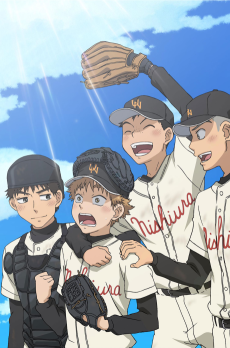
Ippo’s first amateur bout—shaking, bloodied, yet refusing to quit—mirrors the chaotic, class-based skirmishes in Team Fortress Classic’s 2fort, where a lone Scout’s desperate flank or a Medic’s last-stand ubercharge embodies the same raw, unpolished Competitive Spirit. Unlike most sports anime, *Hajime no Ippo: The Fighting!* leans into visceral, almost game-like choreography: punches land with audible thuds, stamina depletes visibly, and tactics shift mid-round like class synergies on a respawn timer. That shared love of Action Spectacle—where victory hinges on timing, role discipline, and sheer stubbornness—makes their resonance unexpectedly precise, not superficial.
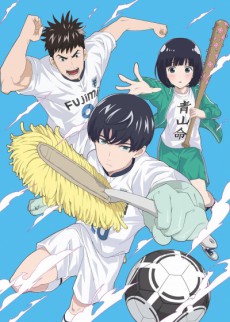
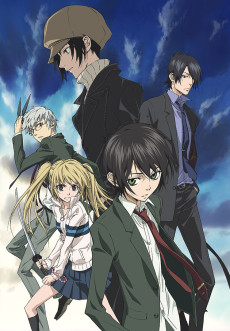
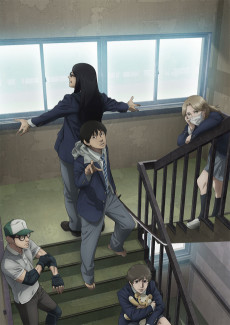
Aoyama’s sterile throw-in ritual—gloved hands, measured arc, zero contact—mirrors the Spy’s meticulous disguise checks before backstabbing. Unlike most sports anime, *Clean Freak!* weaponizes absurd hygiene as tactical parody, just as *Team Fortress Classic* turns class-based warfare into chaotic, darkly comedic ballet where the Demoman’s drunken precision echoes Aoyama’s obsessive control. This shared 🖤 Adult & Dark Seinen edge transforms competition into surreal, rule-bent theater—surprisingly sharp in how both treat “cleanliness” as violent performance.
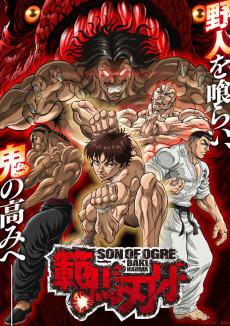
Connected through 2 aesthetic dimensions.
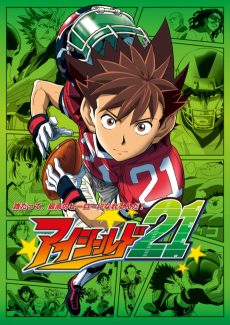
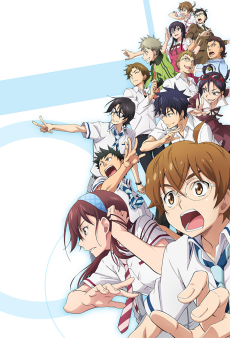
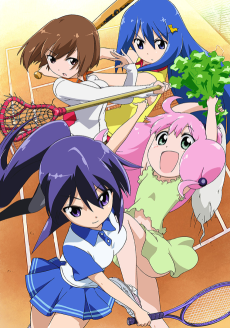
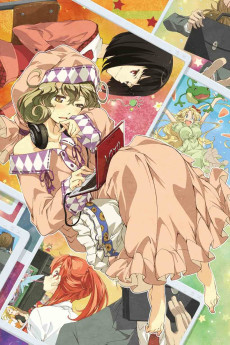
Sena Kobayakawa’s lightning zigzag through a wall of opposing linemen mirrors the Spy’s cloaked flanking—both weaponize absurd speed against brute-force opposition. Unlike most sports anime, *Eyeshield 21* leans into cartoonish physics and slapstick chaos just as *Team Fortress Classic* does with its grenade-jumping Scouts and backstab-happy Spies, amplifying the **Comedy & Parody** dimension until strategy and silliness fuse. That shared love of over-the-top competence—whether Sena’s “Devil Bat Ghost” or the Demoman’s stickybomb ambushes—makes their competitive spirit feel less like sport and more like controlled, joyful anarchy.

Connected through 2 aesthetic dimensions.

Junk Dog’s battered knuckles slamming into a rival’s jaw mirror the visceral crunch of a Heavy Weapons Guy’s minigun recoil shaking the screen. Where Team Fortress Classic turns chaotic nine-class skirmishes into ballets of coordinated chaos, Megalobox frames underground Megalo Boxing as raw, rule-bending theater—each bout pulsing with the same unvarnished Competitive Spirit. That shared commitment to action spectacle, rooted in flawed, fiercely individual fighters refusing to yield, makes their resonance startlingly physical—not thematic, but kinetic.

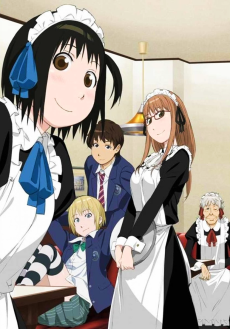
A chaotic dive-bar brawl in *Grand Blue Dreaming* Season 2—where Iori’s forced into a drunken, class-based “team deathmatch” with scuba gear as weapons—echoes the absurdly rigid yet volatile class warfare of *Team Fortress Classic*’s control-point battles. Unlike most comedies, both weaponize the **Competitive Spirit** dimension: one through hyper-stylized, consequence-free team clashes; the other by framing frat-house anarchy as a high-stakes, rule-bent sport. That shared commitment to escalating, self-aware escalation—where the Spy’s backstab and Chiharu’s surprise sake grenade land with identical comedic timing—is unexpectedly brilliant.
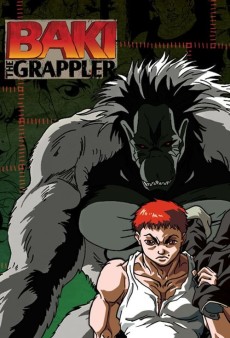
Connected through 2 aesthetic dimensions.

Connected through 2 aesthetic dimensions.

Connected through 2 aesthetic dimensions.























































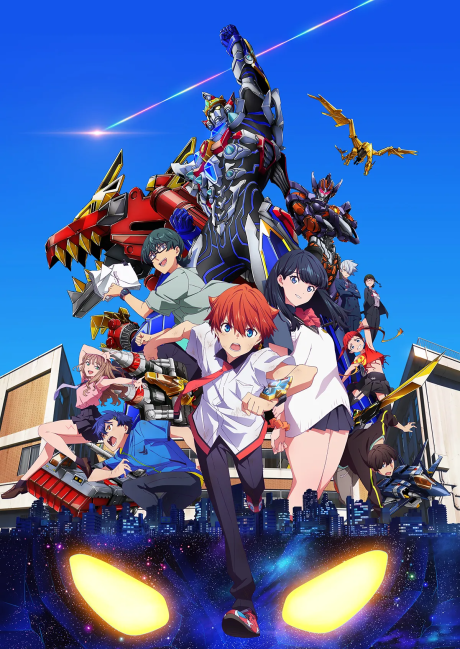





![Fate/stay night [Heaven's Feel] I. presage flower](https://s4.anilist.co/file/anilistcdn/media/anime/cover/medium/bx20791-yPCX5GJuMH2k.png)







![Fate/stay night [Heaven’s Feel] III. spring song](https://s4.anilist.co/file/anilistcdn/media/anime/cover/large/bx21719-MSdTlkno0Z0u.jpg)















Match Dimensions Explained
❓Frequently Asked Questions
Why does Hajime no Ippo match Team Fortress Classic so well despite having no guns or spies?
Because both thrive on hyper-specialized roles with distinct, non-interchangeable strengths—like Ippo’s relentless pressure boxing vs. Hawk’s counter-punching mastery, mirroring how TF Classic’s Heavy relies on sustained firepower while the Spy needs stealth and timing. The gym battles even echo TF Classic’s objective-based maps: each fight has clear win conditions (KO, decision, corner stoppage), just like capturing control points or pushing payloads.
Is there an anime adaptation of Team Fortress Classic itself?
No—Valve never made an official anime adaptation of TF Classic, and none exists in production. But if you love its chaotic team-based class warfare, Megalobox nails that same energy: Gear’s underdog grit as the ‘Scout’-like speedster, Yuri as the hulking ‘Heavy’ analogue, and the underground arena’s rigid role divisions feel ripped straight from Dustbowl’s chokepoints and payload routes.
How does Clean Freak! Aoyama kun compare to Eyeshield 21 for TF Classic fans?
Eyeshield 21 leans into fast-paced, almost arcade-y team coordination—think Scout flanking + Soldier rocket jumps—while Clean Freak! Aoyama kun mirrors TF Classic’s absurd class-specific logic: Aoyama’s obsessive cleaning rituals are basically Spy disguises meets Medic Ubercharge prep, and his ‘sanitation-based combat’ against rival cleaners feels like a Pyro vs. Engineer turret duel—over-the-top, rule-bent, and hilariously precise.
What’s the best anime like Team Fortress Classic if I want that nostalgic, scrappy, early-internet-team-vibe?
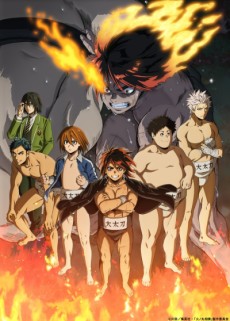
Hinomaru Sumo—it’s got that raw, dial-up-era charm: grainy training montages, clashing personalities forced to cooperate (like the ragtag Tokiwadai squad), and matches where every grip, throw, and feint mirrors TF Classic’s class-counters (e.g., Hinomaru’s explosive ‘Tachi-ai’ rush = Soldier’s sentry-busting charge). Even the crowd chants feel like voice-comms spamming ‘MEDIC!’ before a big push.