
Ping Pong the Animation
Tsukimoto Makoto (nicknamed Smile) is a quiet high-schooler who's been friends with the loud and energetic Hoshino Yukata (nicknamed Peko). They're both in the table tennis club and are very good at it, though Smile's personality prevents him from winning against Peko. The club teacher however notices Smile's talent and tries to make him gain some sportive tenacity.
(Source: Anime News Network)
📺Anime Details
📝Editorial Analysis
The fluorescent hum of the gymnasium lights. Sweat-slicked palms on a worn paddle. A single, suspended breath before the serve—not the roar of a crowd, but the silence between two boys who know each other’s rhythms better than their own heartbeats. Smile doesn’t flinch. He doesn’t smile. He just sees: the angle of Peko’s wrist, the micro-tension in his shoulder, the exact millisecond his weight shifts—then returns the ball with impossible, quiet precision. Not to win. Not to impress. To answer. That moment isn’t about sport. It’s about two people speaking a language built from years of shared silence, misread intentions, and unspoken loyalty.
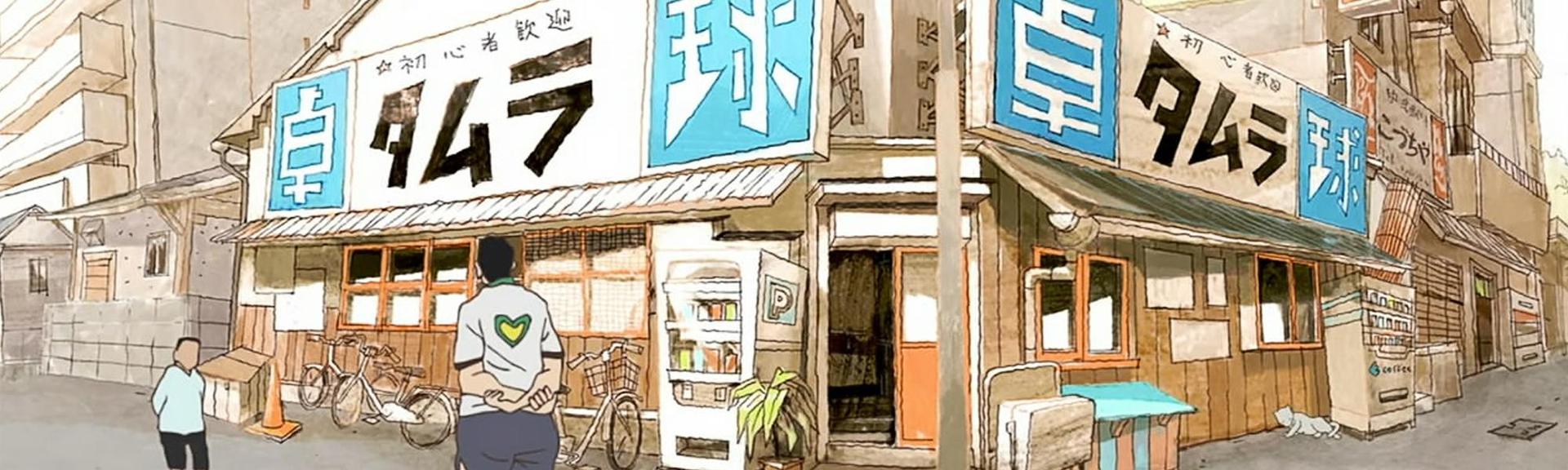
What makes Ping Pong the Animation vibrate at this frequency isn’t its rotoscoping or its table tennis—it’s how it treats presence as philosophy. This isn’t a story about climbing ladders or conquering rivals; it’s about the unbearable weight and relief of being seen, truly, by someone who’s watched you grow up—and who still doesn’t fully understand you. The school club isn’t training ground; it’s a pressure chamber where identity condenses into gesture: Peko’s restless energy, Smile’s stillness, Coach’s weary insistence that talent without tenacity is just potential rotting in place. You don’t feel pumped watching it. You feel exposed. Like your own hesitations, your unvoiced fears, your quiet acts of courage are being mirrored back—not dramatized, but recognized. There’s no grand villain, only the slow, grinding friction of becoming, and the terrifying intimacy of being known while remaining unknowable—even to yourself.
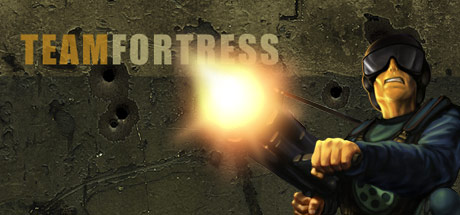
That same raw, unvarnished Competitive Spirit, stripped of spectacle and saturated with Adult & Dark Seinen texture, lives in Team Fortress Classic. Its description calls it “a unique style of online team” combat—no lore dumps, no cinematic cutscenes, just nine archetypal classes locked in chaotic, deeply human coordination. The player review nails it: “simply the best nostalgic game, i have dreams about this game.” Not because it’s flashy—but because its competitive pulse is lived, not performed. Like Smile and Peko’s matches, victory here emerges from reading teammates’ habits, anticipating their missteps, trusting their instincts even when they’re reckless. It’s not about stats—it’s about recognition, forged in repeated, sweaty, often absurd failure.
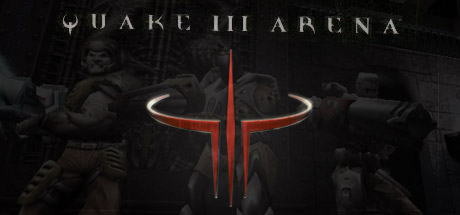
Same DNA pulses through Quake III Arena. Its premise is mythic—“the greatest warriors… summoned to battle for the amusement of an ancient alien race”—but the reality is brutally intimate: tight maps, razor-thin margins, movement that demands total bodily memory. The player review says it plainly: “There are still internet mp game servers out there as of typeing this…” That persistence isn’t nostalgia—it’s devotion to a pure, unmediated exchange. Like Smile’s rallies, Quake’s fragging isn’t about domination; it’s about rhythm, prediction, split-second adaptation—two players speaking in the language of velocity and angles, where respect is measured in how hard you push each other, not how loudly you cheer. The “Dark Seinen” isn’t gore—it’s the exhaustion in your wrists after hours, the hollow satisfaction of a perfect rocket jump, the quiet awe when an opponent just knows where you’ll be next.
Even Need for Speed Undercover, buried under Black Box’s fatigue and yearly fatigue, carries that same undercurrent: “You never thought it would turn out like this. An all-out chase where you're the hunted. And the hunter.” That duality—agency and vulnerability, control and surrender—is Smile’s entire arc. He doesn’t seek glory; he’s pulled into a world where every turn, every near-miss, forces him to confront what he’s avoiding. The player review calls it “mid,” but its emotional core—the tension of operating inside a system you didn’t choose, where trust is tactical and betrayal is mechanical—mirrors the club’s shifting alliances, Coach’s quiet desperation, Peko’s unraveling certainty.
This pairing isn’t for the hype-chaser or the lore-digger. It’s for the person who replays a 30-second clip of Smile’s backhand twelve times, not to learn the technique, but to feel the weight of his stillness. It’s for the player who logs onto a 20-year-old Quake server at 2 a.m., not for rank, but because in that shared, wordless, high-stakes dance, they remember what it feels like to be truly present—flawed, focused, and finally, unapologetically seen.
🎮8 Games That Match the Vibe


Match Dimensions Explained
❓Frequently Asked Questions
Why does the final match in Ping Pong the Animation feel so intense compared to other sports anime climaxes?
Because it mirrors the raw, high-stakes tension of Team Fortress Classic’s chaotic 2v2 payload pushes—where Medic’s Ubercharge timing and Spy’s backstab gambles create that same breathless, split-second drama as Smile vs. Peco’s final rally. You’re not just watching points; you’re feeling the weight of class synergy, like how Quake III Arena’s frag-fueled arena duels force absolute focus and reflex precision—no cutaways, no filler, just pure competitive spirit.
Is there a Ping Pong the Animation video game adaptation?
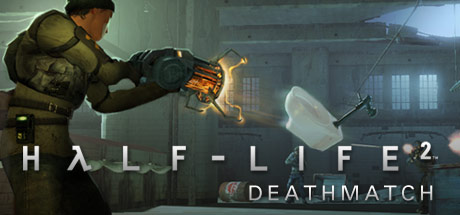
No official adaptation exists—but fans who crave that same blend of psychological intensity and stylized rivalry often dive into Half-Life 2: Deathmatch, where the physics-driven chaos (like tossing a toilet mid-fight) echoes the show’s absurd-yet-meaningful visual metaphors. It’s not ping pong, but the way HL2DM turns environmental awareness and timing into character expression? That’s pure Peco-energy.
Quake III Arena vs. Team Fortress Classic—which captures Ping Pong the Animation’s vibe better?
Team Fortress Classic nails the *character-driven rivalry*—think Coach Kato’s stern mentorship echoing the Medic’s strategic support or Spy’s cool detachment mirroring Peco’s swagger—while Quake III Arena delivers the *pure, stripped-down competitive spirit* of Smile’s silent focus during a tense rally. Both score 61 and share the ‘Adult & Dark Seinen’ dimension, but TFC’s class personalities make it feel more like watching a match *with* the cast.
What’s the best game like Ping Pong the Animation if I want that mix of brooding intensity and nostalgic grit?
Call of Duty 4: Modern Warfare (2007) is your pick—it’s got that same grounded-yet-cinematic weight, where every reload, sprint, and suppressed shot feels deliberate and consequential, like Smile calculating spin on a serve. Fans clocking 6,000 hours in its cracked version know that tension: quiet moments before chaos, just like the stillness before Peco’s smash. And yes, it shares that exact ‘Competitive Spirit + Adult & Dark Seinen’ DNA—and a 51 score, same as HL2DM.