
Need for Speed Undercover
You never thought it would turn out like this. An all-out chase where you're the hunted. And the hunter. Now you must get behind the wheel and risk everything to infiltrate a ruthless international crime syndicate and take them down.
🎮Game Details
💬What Players Say
"Black Box was gassed out by this game's release, it's just very mid. Yearly releases severely hurt this game, they got away with Carbon being a bite sized masterpiece and a ton of love, but Undercover right after Prostreet was daring, and it didn't work. It's worth playing once and then shelving for life."
"Adored when i was just a little kid, still adore today)"
"poopy is good, this is good too."
📝Editorial Analysis
Rain lashes the windshield—streaked, smeared, barely translucent—as your engine screams into a hairpin on a coastal cliff road. Sirens wail behind, but you’re not fleeing them. You’re chasing up the chain of command, headlights cutting through fog like knives, radio static spitting coded chatter about shipments, drop points, betrayal. This isn’t just speed—it’s duality: you’re the hunted and the hunter. That’s the first breath of Need for Speed Undercover, pulled straight from its official description: “You never thought it would turn out like this.” Not a fantasy of freedom, not pure adrenaline-as-joy—but something heavier, tighter, personal. A kid adores it then and now; another calls it “poopy is good, this is good too…”—not ironic, not dismissive, but affectionate, almost protective, like remembering a worn-out jacket that somehow still fits.
What makes Need for Speed Undercover’s atmosphere singular isn’t its police chases or exotic cars—it’s how it leans into the weight. The world feels lived-in and low-stakes in the wrong way: no neon-lit utopias, no mythic racers with god-tier reflexes—just rain-slicked asphalt, flickering gas station signs, garages smelling of oil and exhaustion. There’s no grand orchestral score swelling over victory laps—just bass-thumping synths that pulse like a tired heart. It’s gritty, yes—but not stylized grit. It’s the kind that sticks to your shoes. You don’t feel like a legend rising. You feel like someone who showed up, who got in too deep, who keeps driving because stopping means answering questions you’re not ready to hear. That’s why the player review hits so hard: “Black Box was gassed out by this game's release”—not lazy, not broken, but worn thin, working under pressure, making something that breathes with fatigue and stubbornness. That weariness isn’t a flaw—it’s the texture. It makes every near-miss tense, every undercover deal uncomfortable, every win feel earned, not given.
That same emotional DNA hums in Aoashi, where a raw, unpolished teen steps onto a professional pitch not as a prodigy, but as a worker—learning systems, swallowing pride, facing consequences that land in the gut, not the headlines. Its “Adult & Dark Seinen” dimension isn’t about violence—it’s about responsibility without glamour, the slow burn of competence built on humility and repetition. Just like Undercover’s protagonist, Ashito doesn’t get a montage—he gets cold coffee, missed passes, and the quiet dread of letting his team down. Then there’s Initial D 1st Stage, where Takumi drives delivery routes at dawn, tires whispering on wet mountain passes—not for fame, but because his father asked him to. The stakes are small, real: gas money, family trust, the integrity of a beat-up AE86. That grounded intensity—the sense that every drift matters because it’s all he has—mirrors Undercover’s tone perfectly. And MF GHOST, though newer, carries that same torch: Mika’s racing isn’t spectacle-first; it’s precision under duress, technical mastery forged in obscurity, engines roaring not as fanfare but as necessity. All three share Undercover’s refusal to romanticize—their “Competitive Spirit” isn’t about trophies, but continuity: showing up, again and again, even when the lights are dim and the odds are lopsided.
This pairing isn’t for the collector who wants flawless mechanics or the viewer who craves narrative fireworks. It’s for the person who replays the same rain-soaked pursuit in Undercover not to win faster, but to feel the rhythm of the chase settle into their bones. It’s for the one who watches Takumi wipe rain off his glasses before a downhill run and thinks, Yeah—I know that focus. It’s for the reader who pauses mid-chapter of Aoashi, not for plot twists, but because Ashito’s exhausted shrug after training feels familiar, like muscle memory. These aren’t stories about becoming invincible—they’re about staying present, even when the road is slick, the radio’s breaking up, and the line between cop and criminal blurs in the rearview. They speak to the part of us that finds dignity not in perfection, but in keeping the engine running.
→22 Anime That Match the Vibe

Ashito Aoi’s trembling hands after missing a decisive penalty—raw, silent, and suffused with shame—echo the white-knuckled tension of Undercover’s rain-slicked Miami chase where every near-miss threatens exposure. Unlike most sports anime, Aoashi leans into psychological weight and moral ambiguity, mirroring Undercover’s dark seinen tone as both works frame competition not as triumph but as high-stakes infiltration: Ashito infiltrates elite soccer culture; you infiltrate a crime syndicate. Their shared Competitive Spirit isn’t about glory—it’s about survival under relentless, consequential pressure.

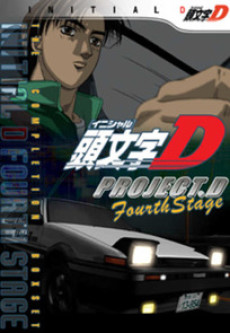
Takumi’s pre-dawn tofu runs down Mount Akina—tires whispering on wet asphalt, headlights cutting fog—mirror Undercover’s nocturnal Miami chases where every turn risks exposure. Unlike most racing stories, both anchor their 🏆 Competitive Spirit in visceral consequence: Takumi races to protect his father’s quiet dignity; you race to survive betrayal within a syndicate. That shared 🖤 Adult & Dark Seinen weight—where speed isn’t freedom but duty, danger, and moral erosion—makes their resonance startlingly intimate, not just kinetic.
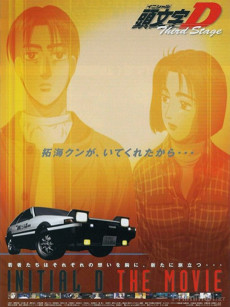
Takumi’s quiet fury behind the AE86—avenging his father’s humiliation on Mount Akina—mirrors the game’s opening chase where you’re both predator and prey, hunted by Interpol while hunting truth. Unlike most racing stories, *Undercover*’s noir-tinged infiltration and *Initial D 3rd Stage*’s grim, high-stakes team formation share a **🖤 Adult & Dark Seinen** weight: no flashy sponsors, just consequences, betrayal, and asphalt stained with consequence. That collision of vengeance and duty makes their resonance startlingly mature—not about speed alone, but what you sacrifice to keep driving.

Takumi’s rain-slicked, high-stakes downhill duel against the Emperor’s Lancer Evo—where every gear shift feels like a gamble with consequence—echoes Undercover’s breathless, neon-drenched pursuit sequences through Miami’s underbelly. Unlike most racing narratives, neither flinches from the *Adult & Dark Seinen* weight of betrayal: Takumi’s isolation after Ryosuke’s departure mirrors the player’s moral erosion while infiltrating syndicates. This isn’t just speed—it’s velocity charged with consequence, where victory demands sacrifice, not just skill.
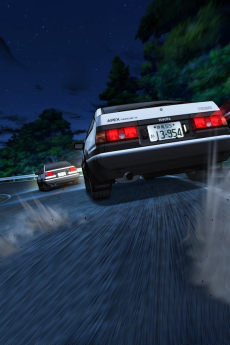
Connected through 2 aesthetic dimensions.

Connected through 2 aesthetic dimensions.

Connected through 2 aesthetic dimensions.
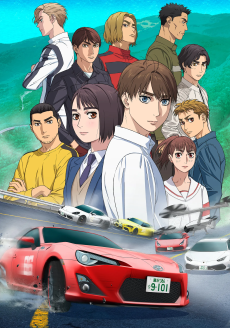
Midnight chases through neon-drenched Tokyo expressways in *MF GHOST*’s MFG races echo *Undercover*’s breathless, high-stakes pursuit sequences—where every near-miss feels like survival, not sport. Unlike most racing narratives that glorify pure speed, both weaponize the **Adult & Dark Seinen** dimension: Kanata’s quiet intensity mirrors the undercover agent’s moral erosion, each forced to race not for glory, but to stay alive in systems rigged against them. That shared tension—racing as evasion, as infiltration—is what makes their resonance so electric and unexpected.

Connected through 2 aesthetic dimensions.

Connected through 2 aesthetic dimensions.






Match Dimensions Explained
❓Frequently Asked Questions
Why does Initial D 1st Stage feel like the closest anime to Need for Speed Undercover?
Because both hinge on high-stakes, rain-slicked mountain passes where one mistake means total loss—think Takumi’s iconic downhill drifts on Akina’s winding roads mirroring Undercover’s ‘Hunted’ chases where you’re constantly evading cops while infiltrating syndicates. The tension isn’t just speed—it’s consequence: Takumi’s reputation, your undercover identity, and that fragile line between cop and criminal.
Is there an anime adaptation of Need for Speed Undercover?
No—there’s never been an official anime adaptation, and none of the top matches (like MF GHOST or Aoashi) are adaptations. They’re standalone series that happen to share Undercover’s core DNA: gritty, adult-toned racing with moral ambiguity, not flashy shonen spectacle. Even the Initial D stages—while inspired by real street racing culture—are original stories, not game tie-ins.
How does Aoashi compare to Initial D for Undercover vibes?
Aoashi nails the ‘undercover infiltration’ energy but swaps cars for soccer—think Ashito’s quiet, strategic rise inside Tokyo Esperion’s cutthroat youth system, mirroring Undercover’s slow-burn trust-building within a crime syndicate. Where Initial D leans into visceral, physics-heavy drifts (like Ryosuke’s Eight-Six on Akagi), Aoashi mirrors Undercover’s tone through its ‘Adult & Dark Seinen’ layer: corporate manipulation, hidden agendas, and that same sense of being watched from every angle.
What’s the best anime like Need for Speed Undercover if I want that ‘hunted but hunting’ adrenaline rush?
Go straight to Initial D 3rd Stage—the one with the black FD3S and the brutal, no-mercy races against the Emperor team. That arc’s claustrophobic tension, where Takumi’s forced to race *against* his own allies under surveillance, hits the exact same nerve as Undercover’s ‘Hunted’ mode: constant pressure, split-second decisions, and the feeling that every corner could blow your cover—or your life.