
Akagi
While mahjong is a game that is often played with family and friends, it is also a game that is played in the darkest corners of society. Nangou is a compulsive gambler who has accumulated a debt of over three million yen. In a last-ditch attempt to clear his record, he decides to wager his life on a game of mahjong with the mafia. Unfortunately, as the game progresses, Nangou only moves further from the prize and closer to death.
When all hope seems lost, the game parlor is suddenly intruded upon by Shigeru Akagi, a young boy on the run from the police. Desperate to turn the game around, Nangou hands the game over to Akagi after teaching him a few of the rules. The mafia can only smirk as Akagi sits down to play. However, they soon come to learn that Akagi is a natural-born gambler. An imposing figure who does not fear death. One who is destined to become a legend.
(Source: MAL Rewrite)
📺Anime Details
📝Editorial Analysis
The air in that mahjong parlor doesn’t just smell of stale tobacco and sweat—it presses. Not like humidity, but like the slow, suffocating weight of a loaded revolver held to your temple while the dealer shuffles. You feel it in Nangou’s trembling fingers as he reaches for a tile—not with hope, but with the hollow certainty of a man already buried, just waiting for the dirt to settle. That moment isn’t about winning. It’s about endurance: how long can you stay upright while every tile drawn tightens the noose? The silence between discards isn’t empty—it’s thick with unspoken debt, yakuza eyes tracking breaths, time skipping not as narrative convenience but as psychological fracture—years vanishing like smoke after a single hand ends in blood.
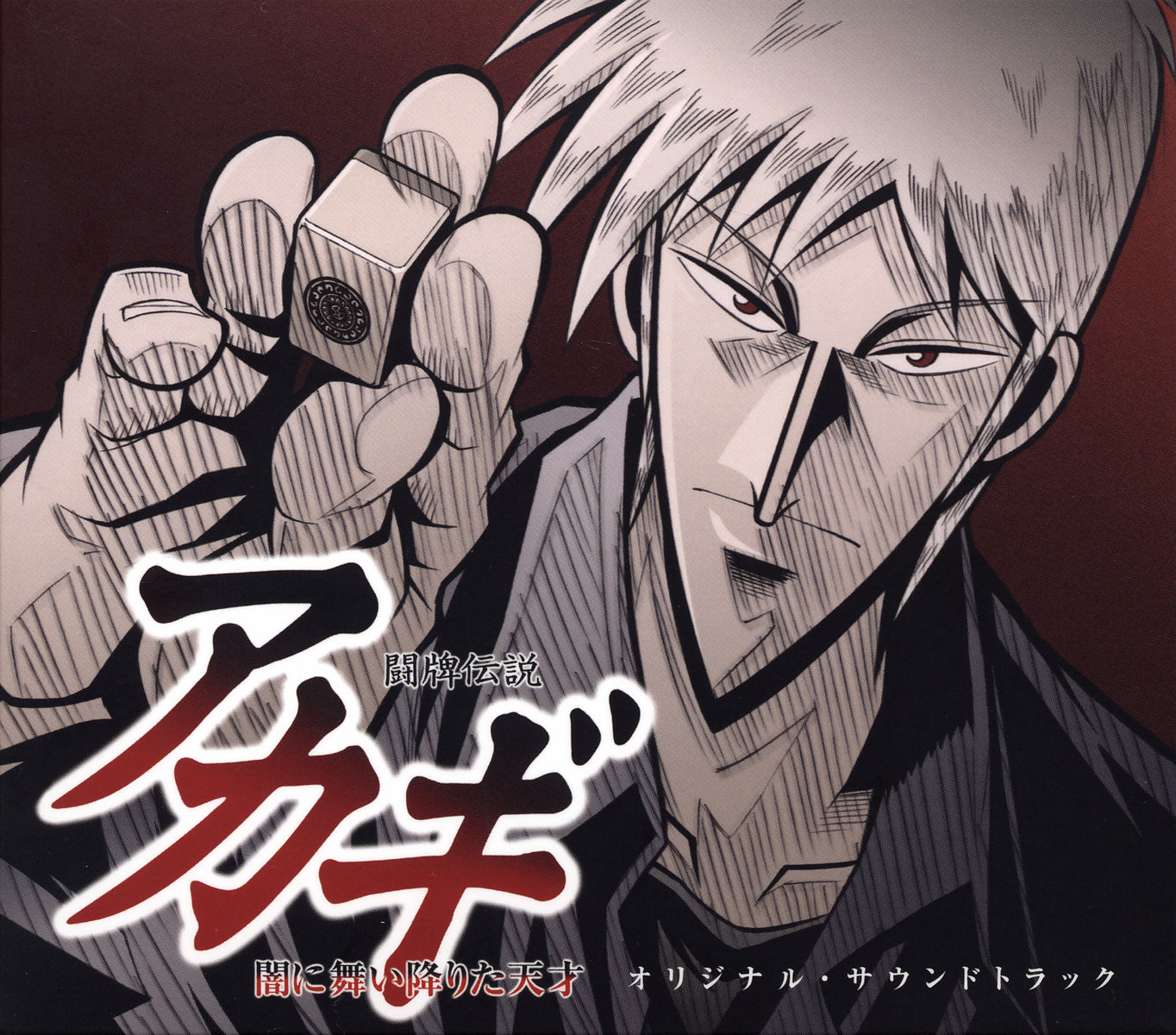
This isn’t suspense built on chase sequences or jump scares. It’s dread distilled into stillness: the low hum of fluorescent lights flickering over cracked linoleum, the deliberate click of tiles dragged across worn wood, the way shadows pool under jawlines like ink spilled from a broken pen. Akagi makes you feel complicit—not because you’re pulling the trigger, but because you understand the calculus: three million yen isn’t money here; it’s a countdown. Every hand is a negotiation with mortality, every opponent a mirror reflecting what you’d become if you lost your last shred of restraint. It’s noir not as aesthetic, but as physiology—the cold sweat behind the ears, the dry mouth before speaking, the way time doesn’t move forward so much as constrict, tightening around your ribs until breathing feels like theft.
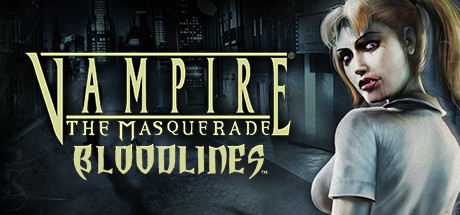
That same visceral, claustrophobic gravity lives in Vampire: The Masquerade - Bloodlines, where the world isn’t just dark—it’s corrosive. Its description calls it “Neon Noir, Adult & Dark Seinen,” and you feel that in the way every dialogue choice bleeds consequence, every alleyway hides a predator who sees your hunger before you do. A player review nails it: “BUY IT ON GOG… GOG version comes with it”—not a casual recommendation, but a warning, like handing someone a loaded gun with the safety off. Like Akagi, it trades in irreversible stakes: embrace your vampirism, and you forfeit humanity; resist it, and you starve. No clean exits. Just escalating compromise in a city that watches, judges, and feeds.
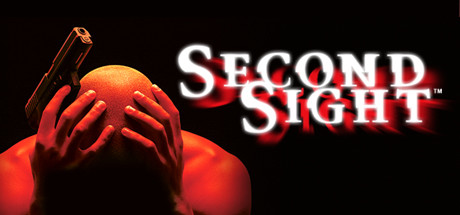
Then there’s Second Sight, described as “an atmospheric, psychological thriller narrative with paranormal psychic abilities, stealthy exploration and intense shooter action.” But the player review cuts deeper: “Despite its age and wonky mechanics, I’ve loved this game for its story and mec…” That “mec” isn’t a typo—it’s exhaustion, devotion, the kind of loyalty forged in systems that refuse to coddle you. Like Akagi, Second Sight forces you to think in layers: read an enemy’s memory, rewind time mid-fall, hold your breath in a ventilation shaft—all while your own mind unravels. It’s not about power fantasy. It’s about control slipping, then seizing it back through sheer, fraying will. The psychic bleed echoes Akagi’s uncanny reads—not supernatural, but hyper-observant, reading micro-tremors in a rival’s wrist, the dilation of a pupil before a bluff collapses.
And Max Payne, whose description paints him as “a fugitive undercover cop framed for murder, hunted by cops and the mob, a man with his back against the wall”—yes, the bullet-time dazzle grabs attention, but the player review reveals the soul: “Back in the PS2 era, my friends and I used to play Max Payne 1 and 2 together. We had a rule: once you died, you passed the controller to the next player.” That ritual isn’t about fun—it’s about shared consequence. Like the mahjong parlor where one misstep transfers fate to the next seat, Max Payne turns death into rotation, failure into relay. Both Akagi and Max Payne treat survival as a series of razor-thin margins—where a single frame of hesitation, a single tile discarded too fast, means the floor drops out.
These aren’t for players who want catharsis. They’re for the ones who crave weight: the reader who lingers on a character’s pause before speaking, the player who reloads a save not to win, but to re-feel the moment their stomach dropped. They’re for people who don’t flinch at silence—and who know the most terrifying sound isn’t a gunshot or a scream, but the click of a single mahjong tile sliding home.
🎮27 Games That Match the Vibe
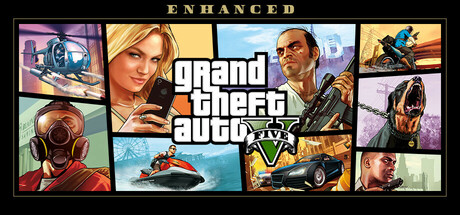







Match Dimensions Explained
❓Frequently Asked Questions
Why does the Akagi manga's 'Kanji vs. Takeda' mahjong match feel so tense compared to other gambling scenes in games?
That match nails psychological pressure—just like Max Payne’s slow-mo bullet-time during hallway shootouts, where every pause forces you to weigh risk and consequence. Both lean hard into neon-noir dread and adult/seinen themes: Max’s world is soaked in rain-slicked alleys and moral collapse, while Kanji’s hands shake mid-deal under fluorescent casino lights, mirroring how Second Sight makes you sweat through psychic stealth sequences where one wrong move triggers a mental meltdown.
Is there an official Akagi anime or game adaptation I can play right now?
No official Akagi video game exists—but if you crave that same gritty, high-stakes tension and morally gray atmosphere, Vampire: The Masquerade – Bloodlines hits closest: its noir-drenched L.A. streets, morally compromised vampire clans, and dialogue-driven choices echo Akagi’s ruthless underworld politics. Plus, the GOG version includes the essential unofficial patch—no janky Steam setup required.
How does Grand Theft Auto 2 compare to Assassin’s Creed Director’s Cut for capturing Akagi’s ‘cold, calculated underworld’ vibe?
GTA 2 nails Akagi’s chaotic, amoral energy—its top-down criminal empire building, rival gang betrayals, and absurdly lethal street fights mirror how Akagi’s characters scheme, bluff, and burn bridges without hesitation. Assassin’s Creed Director’s Cut, meanwhile, leans more into solemn ritual and historical weight (think Al Mualim’s quiet menace), lacking GTA 2’s seedy, fast-talking, neon-noir spontaneity—so for Akagi’s cutthroat pragmatism? Go with GTA 2 every time.
What’s the best game like Akagi if I want that late-night, rain-soaked, ‘I’m in too deep’ mood?
Second Sight—hands down. Its fog-draped asylum corridors, paranoid voice-overs, and psychic powers that *hurt* to use (like Akagi’s mental exhaustion after a brutal match) create that exact suffocating, 3 a.m. isolation. You’re not just playing a game—you’re trapped in a decaying mind, just like Akagi grinding through endless rounds with trembling fingers and a cigarette burning down in the ashtray.