
Initial D 1st Stage
High school student Takumi Fujiwara works as a gas station attendant during the day and a delivery boy for his father's tofu shop early in the morning. Little does he know that his precise driving skills and his father's modified Toyota Sprinter AE86 Trueno make him the best amateur road racer on Mt. Akina's highway. Because of this, racing groups from all over the Gunma prefecture issue challenges to Takumi to see if he really has what it takes to be a road legend.
(Source: Anime News Network)
📺Anime Details
📝Editorial Analysis
The headlights cut twin tunnels through the pre-dawn mist on Mt. Akina—cold, blue-white, and utterly alone. Takumi’s hands don’t grip the wheel; they rest, fingers loose as the AE86 leans into the third hairpin, tires whispering over damp asphalt while tofu crates rattle softly in the back. No engine scream, no dramatic gear shifts—just the low thrum of a 4A-GE, the hiss of air suspension settling, and the quiet certainty of someone who’s driven this same curve every morning for years, not for glory, but because his father needed the shop open by six. That’s not racing—it’s breathing. It’s muscle memory folded into routine, precision disguised as habit.
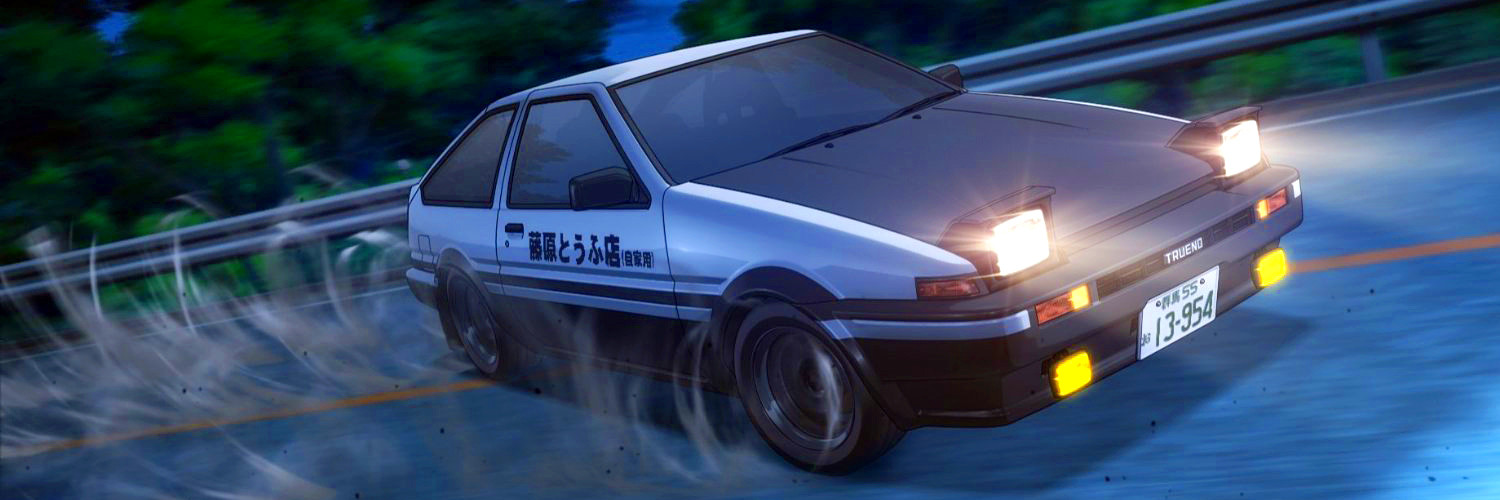
What makes Initial D 1st Stage ache like this isn’t speed—it’s weight. The weight of rural silence before sunrise, the weight of unspoken expectation between a son and a father who tests him with tofu deliveries instead of speeches, the weight of skill that arrives not through ambition but through repetition so deep it bypasses thought. This isn’t shonen escalation or flashy rivalries—it’s seinen stillness: the kind where adrenaline lives in your wrists, not your chest, and victory feels less like triumph and more like recognition—of self, of place, of time measured in turns, not trophies. It’s healing not because it’s soft, but because it honors labor, patience, and the dignity of doing one thing exactly right, again and again, long before anyone’s watching.
That same emotional gravity hums in Prince of Persia—not the sandstorms or acrobatics, but the healing & slow life dimension named in its match data. Like Takumi navigating Akina’s fog-laced curves at 5 a.m., the Prince moves with deliberate, almost meditative rhythm—each parry, each ledge-grab, each rewind a gesture carved from focus, not fury. Player reviews call it “a new epic journey” rooted in quiet myth-making, not spectacle—and that aligns: both works treat motion as ritual, not performance. The Prince doesn’t shout; he listens to the architecture, just as Takumi listens to tire feedback on wet asphalt. Both are male protagonists shaped by duty, solitude, and terrain that demands respect before speed.
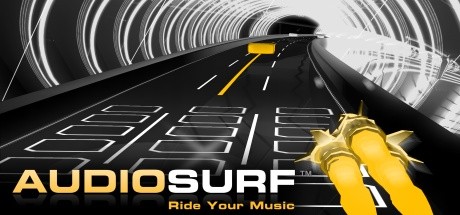
Then there’s AudioSurf, whose description declares: “Ride your music. Audiosurf is a music-adapting puzzle racer where you use your own music to create your own experience. The shape, the speed, and the mood of each ride is determined by the song you choose.” That’s Takumi’s entire ethos—his rhythm, his road, his soundtrack (even if it’s just the clink of soy cartons and wind). Player reviews praise its raw, personal flow despite technical flaws—“unskippable menu animations, crashing, flashbanging”—echoing how Initial D 1st Stage’s early CGI and limited animation never undermined its authenticity. Both reject polish-as-perfection. They’re about embodied flow: when the curve matches the beat, when the drop hits the apex, when the game (or the mountain) stops being external and becomes an extension of your nervous system.
And yes—even Team Fortress Classic and Quake III Arena, with their shared competitive spirit and adult & dark seinen dimensions, resonate—not in tone, but in structure. These aren’t games about lone wolves conquering worlds. They’re about anonymous, persistent competition in spaces that feel lived-in, weathered, and deeply social behind the scenes: clan ladders, voice comms crackling at 2 a.m., decades-old rivalries forged in map rotations. Just like Takumi’s challenges aren’t grand tournaments—they’re whispered rumors across gas stations, late-night calls from rival crews, the quiet tension of showing up again, not for fame, but because the mountain—and the men who race it—demand consistency. Player reviews call TFC “nostalgic,” “dream-worthy,” rooted in longevity and community—not flash, but endurance. That’s Akina. That’s the AE86’s odometer. That’s the quiet pride in doing something hard, well, and repeatedly, long after the spotlight’s gone cold.
This pairing isn’t for fans of explosions or power-ups. It’s for the person who replays the same driving line three times to nail the brake point, who saves a favorite song just to ride its chorus on a winding road, who hears the hum of an idling engine and feels calm, not adrenaline. It’s for the late-shift worker, the apprentice mechanic, the one who knows greatness isn’t shouted—it’s earned in the quiet, one precise, unshowy turn at a time.
🎮16 Games That Match the Vibe









Match Dimensions Explained
❓Frequently Asked Questions
Why does Need for Speed Undercover feel so different from Initial D 1st Stage even though both are street racing games?
Because Undercover trades Initial D’s grounded, physics-based downhill drift battles (like Takumi’s iconic Akina Pass showdowns) for Hollywood-style cop chases and over-the-top stunts—think jumping semi-trucks instead of precise cornering on mountain passes. It’s got that same 'Competitive Spirit' energy, but leans hard into Adult & Dark Seinen vibes with its undercover agent plot and scripted set-pieces, unlike Initial D’s tight focus on skill, rivalry, and local mountain roads.
Is there a Prince of Persia game that captures the same intense, focused driving tension as Initial D?
Not really—the Prince of Persia reboot is all about acrobatic parkour, time-bending combat, and mythic storytelling, not cars or racing. It shares Initial D’s 'Adult & Dark Seinen' tone and 'Healing & Slow Life' pacing in quieter moments, but swaps drifting on Akina Pass for rooftop leaps and dagger duels. If you love Initial D’s mood *and* want something atmospheric with weighty stakes, it’s a vibe-match—but don’t expect any speedometers or turbo boosts.
How does AudioSurf compare to Quake III Arena for someone who loves Initial D’s high-stakes, rhythm-driven races?
AudioSurf is way closer—it turns your music into a flowing, reactive racetrack where timing and flow mimic Initial D’s pulse-pounding downhill runs (imagine syncing your drifts to the beat of 'Deja Vu' like Takumi’s Fujiwara Tofu Shop theme). Quake III Arena, meanwhile, is pure arena FPS chaos—fast, competitive, and brutal, but zero driving mechanics or musical rhythm; it’s more like facing off against rival teams in a deathmatch than battling for mountain pass supremacy.
What’s the best game like Initial D 1st Stage if I’m craving that late-night, solo, almost meditative yet intense driving vibe?
AudioSurf is your go-to—it’s just you, your headphones, and your playlist shaping every curve, speed burst, and near-miss like a personal, hypnotic drift session. Reviewers call it 'ride your music', and that slow-build intensity (with healing/slow-life energy) mirrors how Initial D makes you hyper-focused on one turn, one gear shift, one perfect line—no cops, no story interruptions, just pure rhythmic flow.