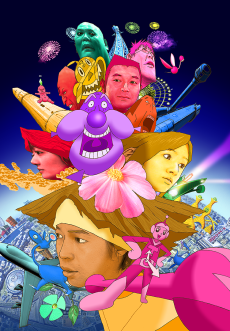
Mind Game
Audiences will begin to grasp what they are in for early on, as loser Nishi, too wimpy to try to save his childhood sweetheart from gangsters, is shot in the butt by a soccer-playing psychopath, projecting Nishi into the afterlife. In this limbo, God - shown as a series of rapidly changing characters - tells him to walk toward the light. But Nishi runs like hell in the other direction and returns to Earth a changed man, driven to live each moment to the fullest.
(Source: Shout! Factory)
📺Anime Details
📝Editorial Analysis
The thwip of a soccer ball striking flesh—not bone, not skull, but the soft, absurdly vulnerable curve of a human buttock—sends Nishi tumbling sideways in slow motion, his face slack with disbelief, then pain, then something stranger: recognition. Not of death, but of how stupidly, beautifully alive he’d been right up until that second—how he’d just been thinking about the way Myon’s hair caught the light outside the pachinko parlor, how he’d almost asked her to share a melon soda. That shot doesn’t kill him cleanly. It unzips him.
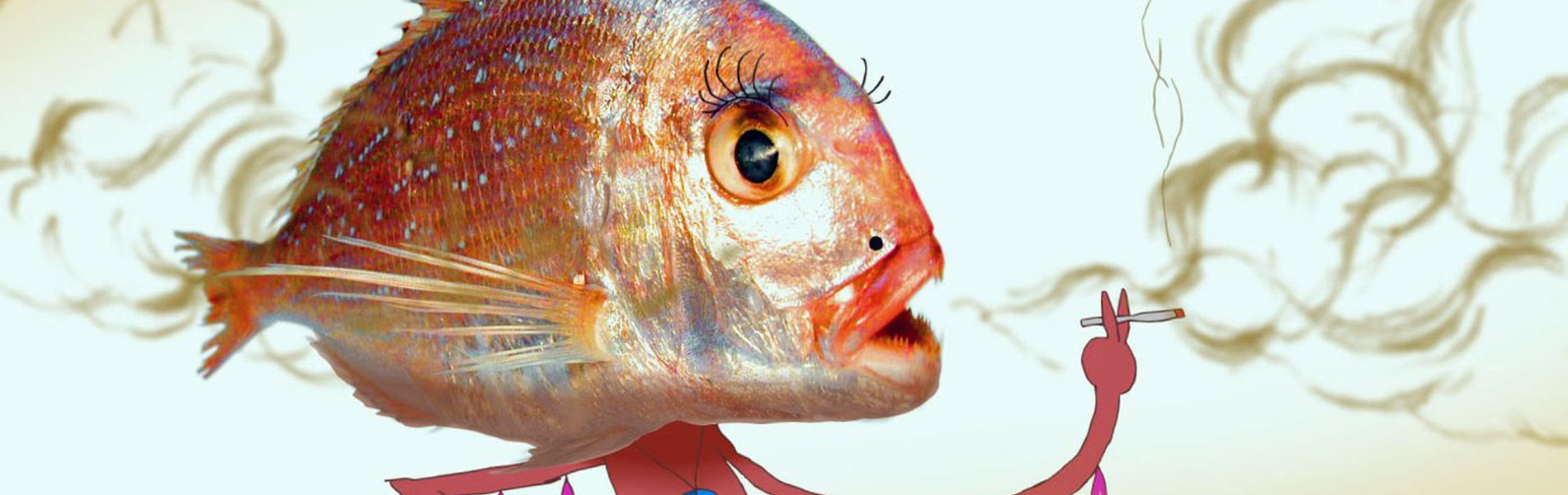
That’s the feeling Mind Game lives inside: not surrealism as spectacle, but as physiological urgency. It’s the jolt of adrenaline still humming in your ears after a near-miss, the laugh that cracks out of you mid-panic, the sudden, dizzying clarity when time stops being linear and starts vibrating like a plucked wire. You don’t watch it—you recoil, then lean in, then laugh while your stomach drops. It’s philosophy delivered via slapstick, reincarnation as a punk-rock sprint, and the afterlife as a fever dream drawn in crayon, charcoal, and VHS static. There’s no calm detachment here. Every frame pulses with aliveness, even—or especially—when Nishi is naked, screaming, or getting chased by yakuza who dissolve into origami cranes.
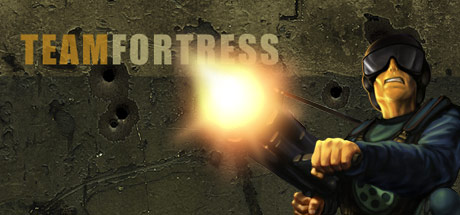
That same electric, off-kilter aliveness crackles through Team Fortress Classic, where nine wildly mismatched archetypes—Medic with his syringe-swinging glee, Spy vanishing mid-laugh, Demoman hurling whiskey-fueled explosives—don’t just fight; they perform. The player review calls it “nostalgic,” but what it really captures is that raw, unfiltered joy of chaos: the way a perfectly timed backstab feels less like strategy and more like a shared, breathless joke between enemies. Like Nishi running away from the light instead of toward it, TFC refuses solemnity—it treats combat as carnival, consequence as cartoon. Both demand you feel the sweat, the stumble, the sheer physical relief of surviving something ridiculous.
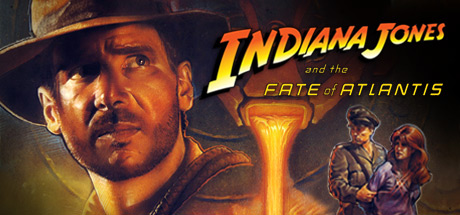
Then there’s Indiana Jones® and the Fate of Atlantis™, where 1939 isn’t backdrop—it’s texture: dusty maps, typewriter clacks, Nazi agents fumbling with ancient levers like toddlers at a museum exhibit. The player review calls it “an archaeological wonder trapped in amber”—and that’s the key. Like Mind Game, it treats weighty stakes (a weapon worse than the atom bomb!) with irreverent tenderness. Indy doesn’t save the world with grim resolve—he saves it by improvising, by tripping over relics, by leaning into the absurdity of history itself. Both works understand that meaning isn’t carved in stone—it’s scribbled in margins, shouted over gunfire, whispered between breaths during a chase across a collapsing temple roof.
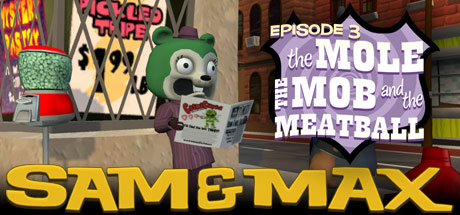
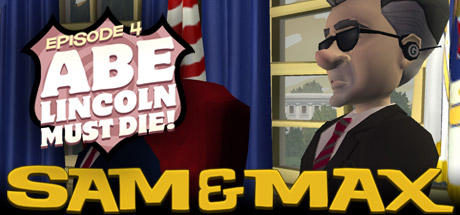
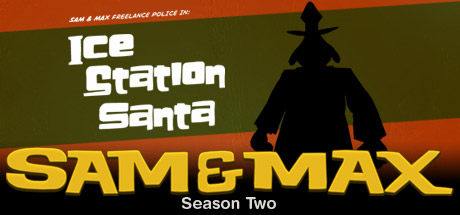
And the Sam & Max episodes—The Mole, the Mob and the Meatball, Abe Lincoln Must Die!, Ice Station Santa—they don’t parody genre; they inhale it, hold it, and exhale pure, caffeinated nonsense. A mafia-free playland run by sentient teddy bears. A president imposing pudding embargoes. Santa Claus as a “hairy, bloated, pagan God” commanding armed carols. The reviews praise the “funny as heck” gameplay and the originals—not for nostalgia’s sake, but because those pixelated, dialogue-driven worlds pulse with the same manic sincerity as Nishi’s rebirth. No irony shield. No winking at the audience. Just Max cracking a joke while holding a live grenade, Sam adjusting his hat before diving headfirst into the illogical—and somehow, somehow, it all makes sense in the moment. That’s the DNA: commitment to the bit so absolute, it becomes transcendent.
This isn’t for people who want tidy arcs or polished aesthetics. It’s for the ones who still flinch at sudden loud noises and laugh harder because of it—the insomniac who watches Mind Game at 3 a.m. and feels seen in its frantic, tender exhaustion; the player who boots up Team Fortress Classic not for rank, but for the way a well-timed rocket jump makes their chest vibrate; the one who replays Fate of Atlantis not for the puzzles, but for the sound of Indy’s sigh when yet another trap resets. They’re the ones who know that truth wears clown makeup, that courage often starts with running away, and that the most profound moments arrive not in silence—but in the glorious, messy, unfiltered noise of being utterly, irrevocably here.
🎮30 Games That Match the Vibe





Match Dimensions Explained
❓Frequently Asked Questions
Why does Mind Game match with Indiana Jones and the Fate of Atlantis?
Because both lean hard into witty, dialogue-driven puzzle-solving with a darkly comedic edge—like when Indy outsmarts Nazi agents in the Atlantis temple using environmental clues and sarcasm, mirroring Mind Game’s sharp, layered storytelling. The shared 'Adult & Dark Seinen' dimension means neither shies away from moral ambiguity or absurd stakes (e.g., stopping a weapon more dangerous than the atom bomb vs. navigating psychological labyrinths).
Is there a Sam & Max TV show or movie adaptation?
No official live-action or animated series exists yet—but the games themselves *are* the definitive adaptation: Episodes like 'The Mole, the Mob and the Meatball' (103) and 'Abe Lincoln Must Die!' (104) capture the duo’s anarchic, fourth-wall-breaking energy better than any licensed cartoon ever could. Fans even call them 'legendary reboots' for nailing the original’s tone—complete with Ted E. Bear Mafia-Free Playland cameos and pudding embargoes.
How is Team Fortress Classic different from Sam & Max in terms of comedy?
TF Classic delivers slapstick chaos through class-based mayhem—think the Spy backstabbing teammates mid-celebration or the Medic yelling 'I'm not dead yet!' while respawning—whereas Sam & Max (like in 'Ice Station Santa') uses absurdist, script-driven humor: Santa as a 'hairy, bloated, pagan God' commanding attack presents while carols drown out gunfire. Both are Comedy & Parody, but TF Classic’s laughs come from emergent multiplayer anarchy; Sam & Max’s come from tightly written, surreal narratives.
What’s the best game like Mind Game if I want something darkly funny but low-stress?
Go straight to Sam & Max 201: Ice Station Santa—it’s got that same 'Adult & Dark Seinen' vibe (Santa as an ancient, terrifying force), but zero combat pressure or time limits. Just point-and-click puzzles, razor-sharp banter between Sam and Max, and scenes like carols of gunshots drowning out bells—all wrapped in that nostalgic, hand-drawn charm fans call 'funny as heck.' No respawns, no lag, just pure, unhinged holiday noir.