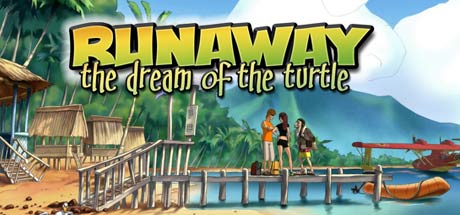
Runaway, The Dream of The Turtle
Travel to the four corners of the world with Brian and Gina in a crazy story packed full of surprises. Pirates, spies, surfers, soldiers, and even aliens get in on the act - all combining to create a wonderfully rewarding experience to savour and remember forever!
🎮Game Details
💬What Players Say
"Man, I don't know if I'm too new age gaming or just straight up stoopid, but this aint it chief. Literally nothing is spelled out, how on earth am I supposed to know to use x and y to acquire 8 and 3 BEFORE getting 4 and then....You get the idea...."
📝Editorial Analysis
You’re standing on a sun-bleached dock, salt stinging your eyes, watching Brian and Gina scramble past a pirate with a parrot on his shoulder—who then winks at you—while a surfboard leans against a crate stamped “ALIEN BIOLOGICAL SAMPLE (DO NOT OPEN)”. That’s not a cutscene. It’s the texture of Runaway, The Dream of The Turtle: a world where logic isn’t broken—it’s bent, cheerfully, repeatedly, like a rubber ruler held over a flame. The official description nails it: “Pirates, spies, surfers, soldiers, and even aliens get in on the act”—not as plot points, but as atmospheric punctuation. And yet, right there in the player review, the whiplash: “Literally nothing is spelled out, how on earth am I supposed to know to use x and y to acquire 8 and 3…” That frustration isn’t a flaw—it’s the game’s quiet thesis. You’re not solving puzzles. You’re negotiating absurdity, one nonsensical cause-and-effect at a time.
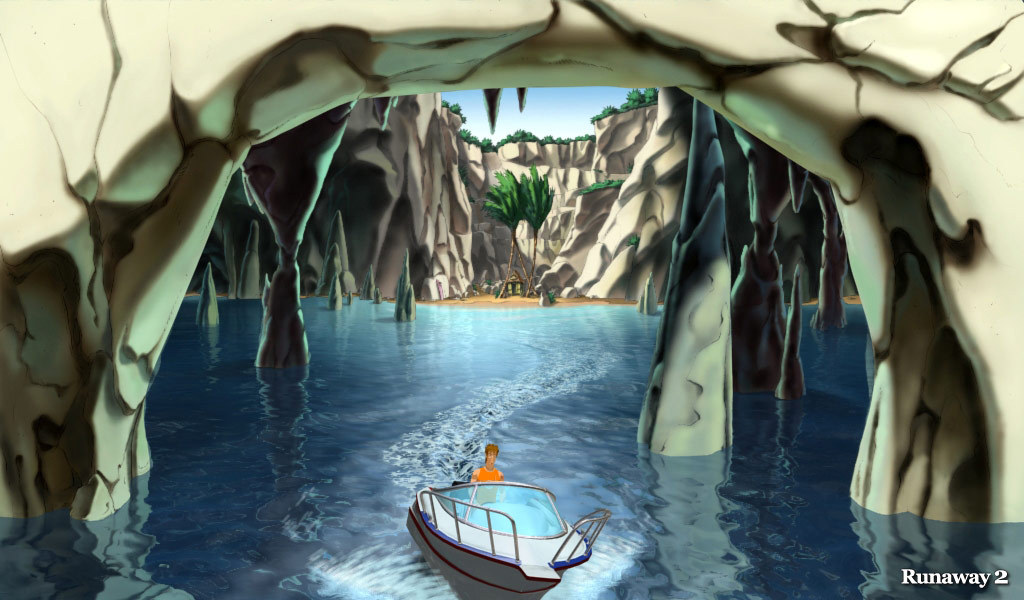
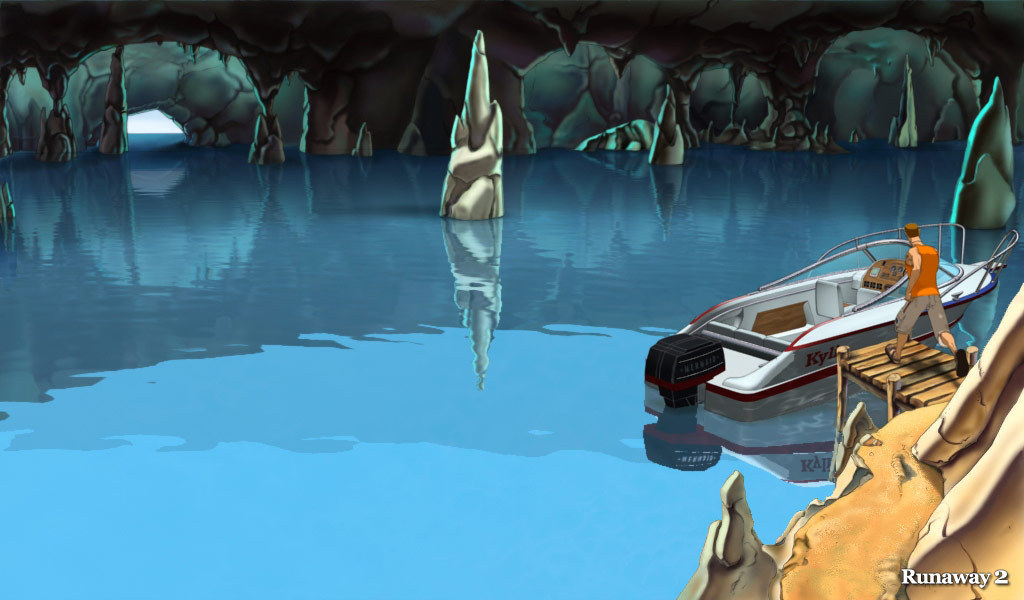
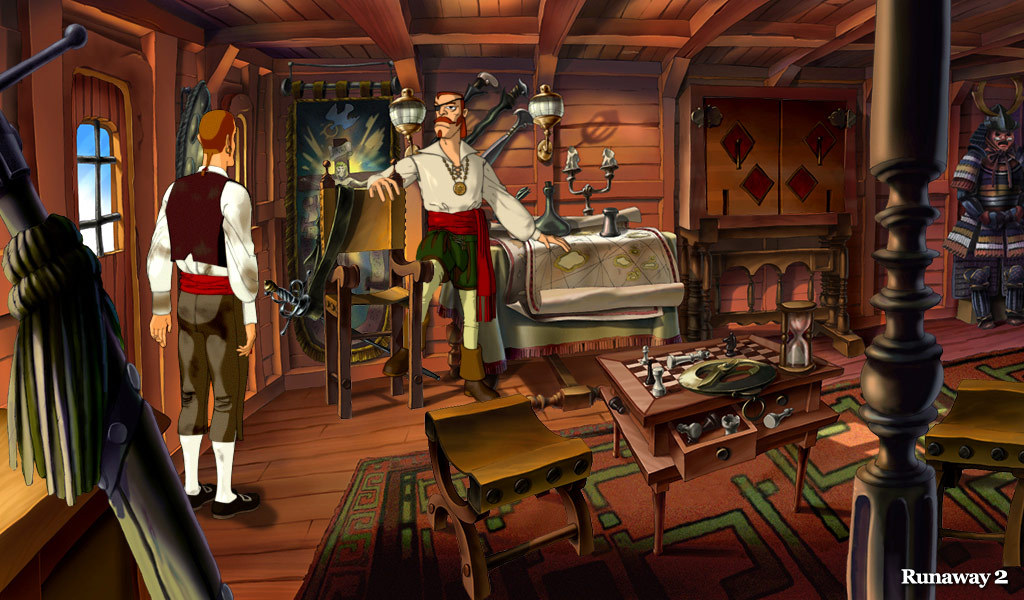
What makes this feeling so rare? Not the zaniness—plenty of games go wild—but the warmth beneath the chaos. There’s no irony here, no smirk at the player’s confusion. The world operates on dream-logic, yes, but it’s a kind dream—one where every alien has paperwork, every spy carries a thermos of chamomile tea, and every puzzle solution feels less like deduction and more like remembering a half-forgotten inside joke. It makes you feel playfully disoriented, then delightfully complicit: you don’t crack the code—you lean in, tilt your head, and whisper, “Oh. Right. Of course the turtle dreams in base-7.” It’s not about mastery. It’s about surrendering to the rhythm of the ridiculous—and finding, in that surrender, a strange, deep sense of safety.
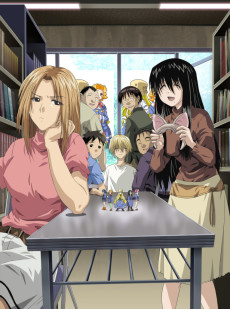
That exact alchemy—the seamless weave of Mystery & Detective tropes with Comedy & Parody—is why The World God Only Knows II fits like a glove. Keima Katsuragi doesn’t just solve cases; he reverse-engineers emotional logic from anime tropes, treating heartbreak like a boss battle and confession scenes like timed platforming. His detective work is absurd, yes—but never cruel. Like Brian fumbling through intergalactic diplomacy with a stolen snorkel, Keima’s brilliance is framed by his cluelessness, making every revelation feel earned and hilarious. Same DNA: mystery as a vehicle for affectionate parody, not cold calculation.
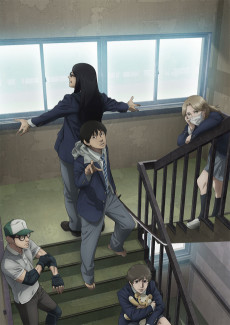
Then there’s Hentai Prince & the Stony Cat, where the “detective” is literally a boy trying to decode his own repressed feelings—and the “mystery” is whether the cat statue outside his school actually grants wishes or if he’s just sleep-deprived and hormonal. The tone matches Runaway’s core tension: high-stakes emotional stakes wrapped in low-stakes, slapstick delivery. When Gina distracts a soldier by challenging him to a limbo contest using only a banana peel, it lands with the same tonal precision as when Yūki tries to “investigate” his classmate’s secret identity… by hiding in a locker and misreading her lunchbox notes as coded transmissions. Both treat absurdity as emotional sincerity in disguise.
And Ranma½ (2024)—not the nostalgia trip, but this version’s tighter, faster, sharper commitment to paradox-as-punchline—mirrors Runaway’s refusal to explain. Ranma doesn’t explain why cold water turns him into a girl; he lives it, mid-air, while dodging a love-struck panda. Likewise, Runaway never pauses to justify why a spy’s briefcase contains three rubber ducks, a compass calibrated to tides on Mars, and a single origami crane folded from a parking ticket. The mystery isn’t what happens—it’s how much you’ll accept before you stop questioning and start laughing. That shared trust in the audience’s willingness to ride the nonsense without needing scaffolding? That’s the heartbeat.
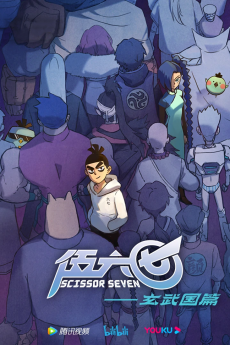
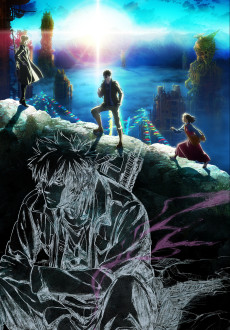
This is for the person who rewatches Scissor Seven not for the swordplay, but for the way Seven’s third arm casually holds a cup of boba while he debates existential dread with a sentient dumpling. For the one who cries during Sailor Moon’s transformation sequences—not because of the stakes, but because the glitter is so committed, the music so unapologetically earnest, that sincerity becomes its own kind of magic. It’s for players who don’t want hand-holding, but hand-waving—a conspiratorial flick of the wrist that says, “Yeah, it makes no sense. Let’s go anyway.” They don’t crave clarity. They crave communion—with worlds that are joyfully, stubbornly, tenderly illogical.
→107 Anime That Match the Vibe

Connected through 3 aesthetic dimensions.
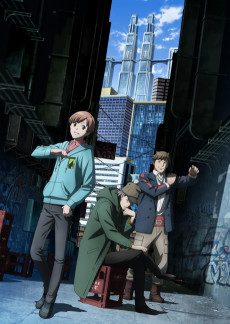
Connected through 3 aesthetic dimensions.

Connected through 2 aesthetic dimensions.
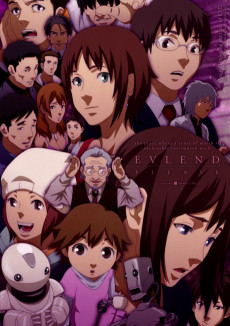
Connected through 2 aesthetic dimensions.

Connected through 2 aesthetic dimensions.

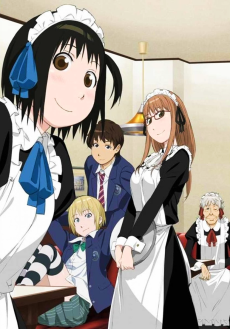
Youto’s desperate, deadpan prayer to the Stony Cat—while Brian dodges alien surfers in a neon-lit Baja bazaar—reveals how both works weaponize absurdity to dissect desire and identity. 😂 Comedy & Parody isn’t just tone here; it’s structural: Yokodera’s “pervert” persona unravels like Gina’s ever-shifting cover stories, each lie a deliberate misdirection in a world where truth hides behind theatrical exaggeration. Unlike most rom-coms, neither flinches from the surreal cost of wish-fulfillment—whether a cursed statue or a spy ring run by sentient turtles.

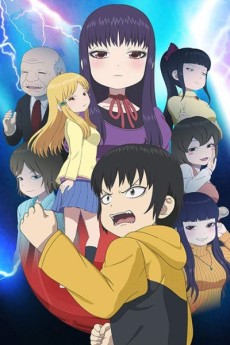
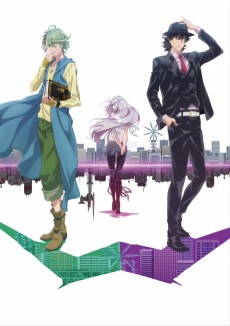
A sun-bleached Hawaiian beach where Gina dodges alien surfers mirrors Haqua’s deadpan glare as she watches Katsuragi bumble through a shrine’s sacred grounds—both moments weaponize absurdity to dissect investigative tropes. Unlike most detective parodies, *Runaway* and *The World God Only Knows II* fuse Mystery & Detective with escalating comedic whiplash, using secondary supernatural agents (Elsie’s bureaucratic demon logic; Gina’s chaotic globe-trotting) to undercut heroism. That Season 2’s Haqua embodies institutional satire while Brian stumbles through pirate-spy-alien bureaucracy makes their shared tonal tightrope thrillingly specific.

Connected through 3 aesthetic dimensions.

Connected through 2 aesthetic dimensions.

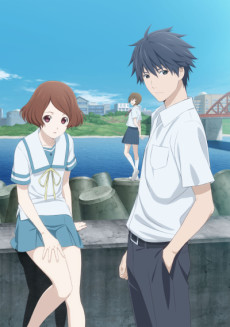
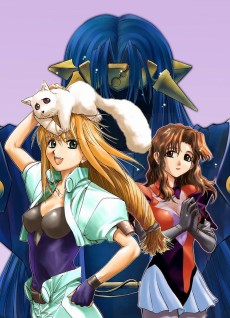
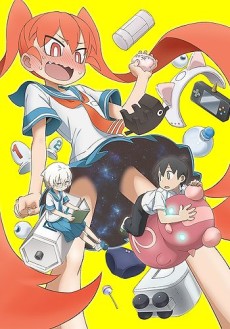
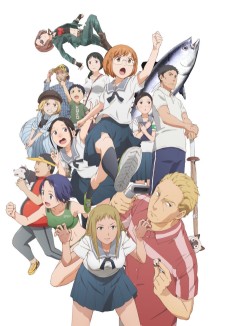
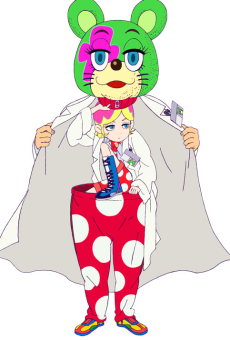
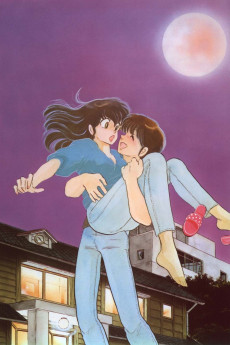
A surfboard-wielding alien crashes into Brian’s beachside chase—just as Ranma 1/2 (2024)’s opening episode reboots the cursed spring lore with slapstick precision. 😂 Comedy & Parody thrives in both: Gina’s deadpan espionage spoof mirrors Akane’s exasperated “Ranma, you idiot!” outbursts, while Brian’s globe-trotting absurdism echoes the anime’s escalating farce across Nerima’s rooftops and hot springs. Surprisingly, neither leans on nostalgia—they weaponize genre chaos to reinvent their own legacies.
















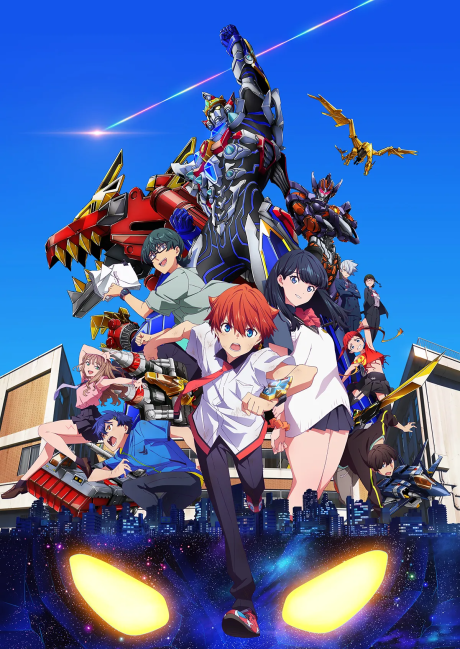










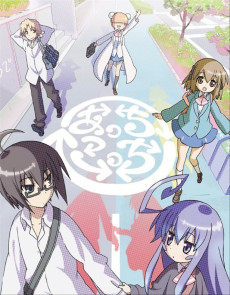



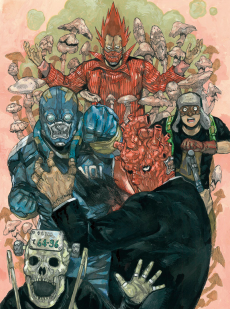
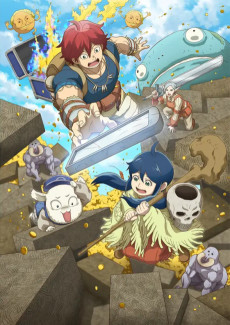
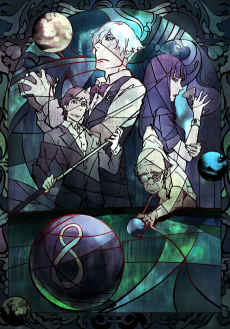
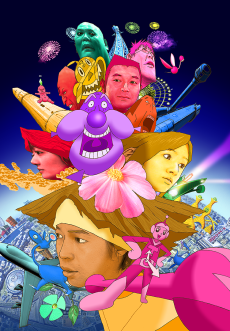


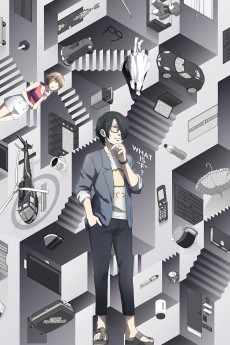



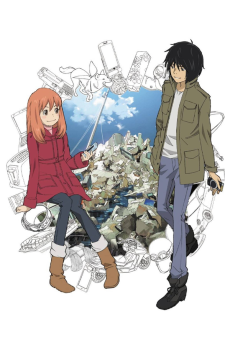

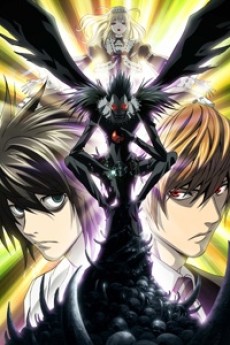


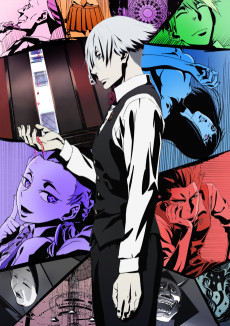

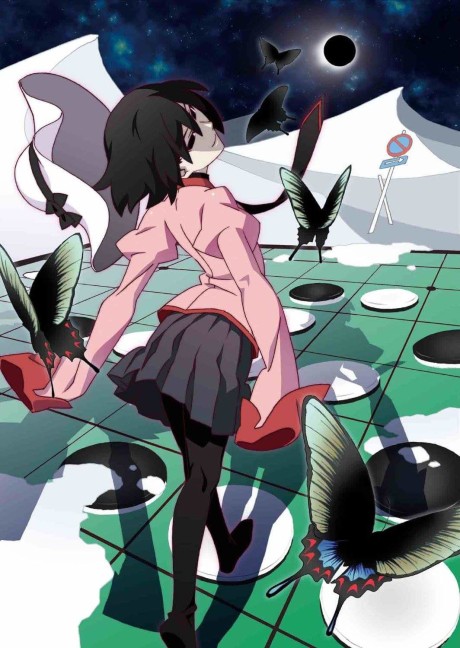
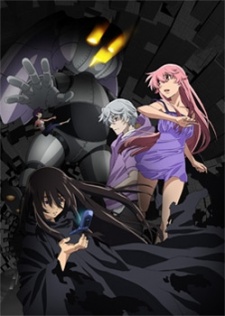


























Match Dimensions Explained
❓Frequently Asked Questions
Why is The World God Only Knows II recommended for Runaway fans?
Because both lean hard into absurd, fast-paced mystery-comedy where the protagonist stumbles through increasingly surreal scenarios—like Keima Katsuragi interrogating girls to solve supernatural 'contracts' while juggling slapstick misunderstandings, much like Brian and Gina accidentally infiltrating pirate crews and alien conspiracies without ever getting clear instructions. The tone’s spot-on: chaotic, self-aware, and packed with visual gags that reward paying attention to background details (think Keima’s exaggerated anime-logic deductions vs. Runaway’s ‘use X on Y to get 8 and 3’ puzzle logic).
Is there an anime adaptation of Runaway: The Dream of The Turtle?
Nope—no official anime adaptation exists, and it’s unlikely given how tightly Runaway’s charm lives in its interactive, dialogue-driven chaos (like Gina yelling ‘Wait, why is the surfboard *in* the submarine?’ mid-heist). That said, Sailor Moon nails the same energy: a globe-trotting, genre-blending adventure where Sailor Mercury’s tech-savvy detective work and Usagi’s accidental heroics mirror Brian and Gina’s clueless-but-effective teamwork against pirates, spies, and aliens.
How does Ranma 1/2 (2024) compare to Runaway in terms of tone and pacing?
They’re spiritual cousins—both cram escalating absurdity into tight episodes: Ranma flipping between genders mid-fight while dodging cursed springs feels just as delightfully unhinged as Brian trying to bribe a soldier with a rubber chicken to access a secret lab. The 2024 reboot doubles down on rapid-fire gags and visual callbacks (like Ranma’s ‘Nerima style’ battle poses echoing Runaway’s over-the-top cutaways), and both treat worldbuilding like a running joke—e.g., Genma turning into a panda isn’t explained, just accepted, much like Runaway’s aliens showing up at a beach party with zero exposition.
What’s the best anime like Runaway if I want that ‘clueless duo stumbling into wild conspiracies’ vibe?
Hentai Prince & the Stony Cat—it’s *exactly* that: Yuuji’s awkward attempts to ‘solve’ his own social anxiety by making deals with a mysterious cat shrine, only to get dragged into school-wide mysteries involving cursed notebooks and secret societies. Like Brian and Gina, he’s constantly misreading situations (‘Wait, is this a spy mission or a bake sale?’), and the show mirrors Runaway’s rhythm—sudden tonal swerves, fourth-wall winks, and that sweet spot where comedy and mystery feel equally urgent and ridiculous.