
Hentai Prince & the Stony Cat
Youto Yokodera is always thinking about his carnal desires, but no one acknowledges him as a pervert. He learns about a cat statue that supposedly grants wishes. The boy goes to pray that he will be able to express his lustful thoughts whenever and wherever he wants. At the statue, Youto encounters Tsukiko Tsutsukakushi, a girl from his high school with her own wish—that she would not display her real intentions so readily.
(Source: Anime News Network)
📺Anime Details
📝Editorial Analysis
The air in the school hallway smells like dust and unspoken confessions—Youto Yokodera’s voice cracks mid-sentence as he tries to confess his lust, but Tsukiko cuts him off with a quiet, unnerving smile. Not mockery. Not judgment. Just stillness. The statue of the Stony Cat sits just outside the gate, its ceramic eyes glazed over, indifferent. And in that suspended second—where desire and shame blur into something tender and absurd—you realize this isn’t about perverts or prudes. It’s about the unbearable weight of being seen, and the relief of being misread just enough to breathe.

What makes Hentai Prince & the Stony Cat vibrate at this particular frequency isn’t its crossdressing gags or harem scaffolding—it’s the way it treats emotional exposure like weather: unpredictable, atmospheric, quietly catastrophic. You don’t solve the amnesia or the memory manipulation; you learn to walk in the rain without an umbrella. The gods here aren’t omnipotent—they’re bored, half-remembered, and deeply bureaucratic. The comedy doesn’t undercut the ache; it holds it, like Tsukiko holding her teacup just so—not too tight, not too loose—while the world rearranges her intentions behind her back. It’s surreal not because things are illogical, but because feelings are illogical—and the show refuses to translate them into tidy motives. You leave each episode feeling unmoored, yet held—like someone finally named the static between heartbeats.
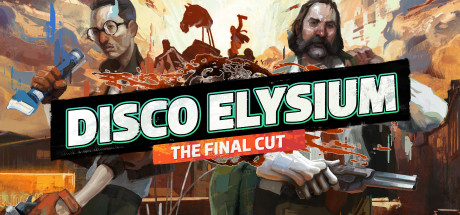
That same paradox lives in Disco Elysium - The Final Cut, where every skill check is a negotiation between self-loathing and longing, and even your own thoughts betray you with ironic detachment. The player review calls it “a cruel irony”—and yes, it is: you dissect trauma while your brain offers sarcastic commentary on your grief. Like Youto praying to a cat god for permission to be honest, Harry DuBois interrogates reality until it blurs into confession. Both works weaponize absurdity to make vulnerability survivable—not by resolving it, but by letting it sing in dissonance.
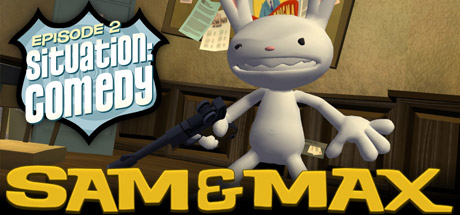
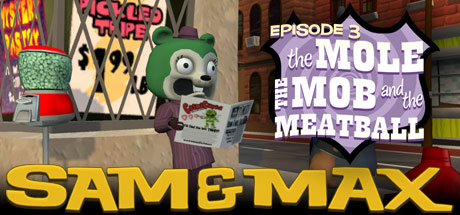
Then there’s Sam & Max 102: Situation: Comedy, where a talk show host holds her audience hostage—not with violence, but with escalating, surreal emotional collapse. The description nails it: “Myra Stump has gone berzerk!” That’s Tsukiko’s wish made manifest: the terror of intention leaking out, unfiltered. The player review praises it as “a great reboot of a legendary game”—and that reverence fits: both Sam & Max and Hentai Prince treat emotional breakdowns as punchlines and sacred texts. The jokes land because they’re true—not “ha-ha” true, but shiver-in-your-spine true. When Sam deadpans about existential dread mid-chase, it lands the same way Youto’s inner monologue spirals into philosophical panic over whether kissing counts as “expressing lust” under the cat’s terms.
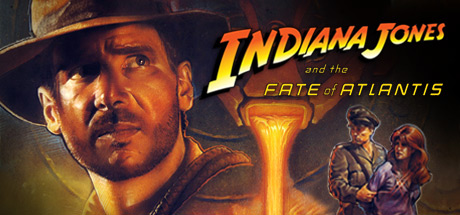
And Indiana Jones® and the Fate of Atlantis™, described as “an archaeological wonder trapped in amber,” shares that same reverence for buried things—feelings, memories, identities—that shouldn’t be dug up… but must be. The Nazi agents aren’t just villains—they’re metaphors for the invasive force of clarity, of knowing too much too soon. Like Youto’s amnesia isn’t a plot device—it’s a protective shell, cracked open only when the cost of silence outweighs the cost of speech. The player review’s nostalgia—“before modern gaming traded imagination for raw graphics”—echoes how Hentai Prince trades exposition for implication, letting silence hum louder than dialogue.
This pairing isn’t for people who want clean resolutions or cathartic climaxes. It’s for the ones who pause mid-laugh because a line landed too deep—who’ve ever rehearsed a confession in their head ten times, then said something bland instead, and felt relief, not regret. It’s for readers who underline sentences in novels not because they’re beautiful, but because they recognize the shape of their own unspoken panic. For players who replay dialogue trees not to optimize outcomes, but to hear all the ways a person might fail to say what they mean—and still be loved anyway. These stories don’t fix the stony cat inside us. They just sit beside it, quietly, and wait for the rain to stop—or not. Either way, they stay.
🎮39 Games That Match the Vibe





Match Dimensions Explained
❓Frequently Asked Questions
Why is Disco Elysium listed as similar to Hentai Prince & the Stony Cat when they’re so different?
Great question—it’s not about anime tropes or romance, but that *shared vibe* of a socially awkward, self-aware protagonist navigating absurdity with sharp, layered humor and emotional weight. Like Yuu in Hentai Prince, Disco Elysium’s Detective Harrier has crippling internal monologues, surreal inner voices (the 'Thought Cabinet'), and moments where comedy cracks open into raw vulnerability—like the 'Shivers' scene in the Whirling-in-Rags district, where satire and sorrow collide just like Yuu’s breakdowns at the shrine.
Is there an anime or visual novel adaptation of Sam & Max: Situation: Comedy?
Nope—Sam & Max stays gloriously game-only, and that’s part of why it fits so well with Hentai Prince’s energy. Unlike Hentai Prince (which *is* a light novel → anime), Sam & Max Episode 2 is pure point-and-click chaos: think Max dangling from a ceiling fan mid-interrogation at WARP TV, or Sam using ‘Cynicism’ to roast Myra Stump’s talk-show narcissism—exactly the same kind of rapid-fire parody + heartfelt absurdity you get when Yuu tries (and fails) to act cool in front of Tsukiko.
How does Runaway: A Road Adventure compare to Indiana Jones and the Fate of Atlantis for mystery-comedy fans?
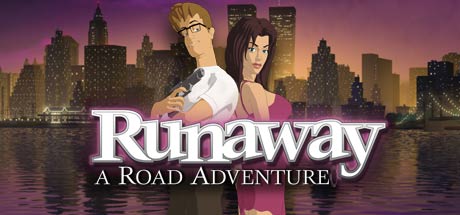
Both nail the 'clue-hunting with jokes' groove, but Runaway leans into Gen X slacker charm—Brian’s panicked escape with the enigmatic Gina mirrors Yuu’s flustered misadventures, right down to the over-the-top mobster chases and fourth-wall-breaking gags. Indiana Jones? More polished, pulpy, and historically cheeky (like Indy fake-surrendering to Nazis while whispering ‘I hate archaeology’), but both share that LucasArts-era DNA: inventory-based puzzles, witty banter, and mysteries where the real payoff is the *tone*, not just the solution.
What’s the best game like Hentai Prince if I just want that ‘awkward teen hiding big feelings behind dumb jokes’ mood?
Disco Elysium—seriously. Not for the setting, but for how deeply it commits to that same emotional whiplash: Harrier’s drunken ramblings, his Skill Checks failing spectacularly (like ‘Logic’ telling him a pigeon is definitely a spy), and sudden gut-punch moments—like the ‘Inland Empire’ memory sequence—hit the same nerve as Yuu pretending he doesn’t care about the Stony Cat wish while secretly rewriting his entire identity. It’s the *vibe*: cringe, heart, and genius-level writing—all in one flawed, hilarious, hurting brain.