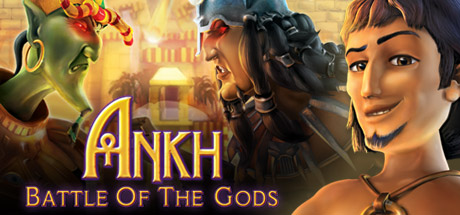
Ankh 3: Battle of the Gods
<p>The omens of the Battle of the Gods have been many, signaling the impending fight for supremacy over all other gods of Egypt. And of course, Assil will be caught in the middle of it all again. Together with his girlfriend Thara, he will have to prevent the sinister Seth from winning the battle and subjecting Egypt to his regime...
🎮Game Details
💬What Players Say
"Tags: Adventure - P&C - Point&Click Additional Tags: Delete Local Content & Remove from Library TLDR: Ankh series is a boring series of difficult point&click puzzles that require a guide to complete, while offering a kid oriented cartoony universe and characters. Not a good combination."
"pros + vividly colored nice looking cartoony 3D graphics + there are some funny moments + story is fast paced and enjoyable + egyptian background musics perfectly fits game's atmosphere + diverse cast of witty and engaging characters + character models and cutscenes looks decent + some puzzles enjoyable. there are also inventory puzzles you can combine some items + two playable characters and they are quite likeable cons - dialogs and subtitles sometimes doesn't match - voice acting hit and miss - some puzzle solutions quite nonsensical. therefore generally you don't know what supposed to do - there are no steam achievements - there are no cards - lack of a button which shows hotspots causes pixel hunting - lack of a interactive map causes too much backtracking - a hint system would be helpful...."
"Pretty good adventure game. It does not make much effort to get you invested. But it has its charm and it did make me laugh...."
📝Editorial Analysis
The first time Assil trips over a sarcophagus lid while arguing with Thara about whether hieroglyphs count as real evidence—just before Seth’s shadow flickers across a sun-baked temple wall—you feel it: that fizzy, slightly absurd tension between ancient gravity and modern snark. It’s not epic scale; it’s intimate chaos. The official description nails it: omens abound, gods loom, but Assil is caught in the middle again, breathless, unprepared, dragging his girlfriend into divine nonsense like it’s just another Tuesday. Player reviews confirm the texture: cartoony 3D graphics vividly colored, Egyptian music that perfectly fits, jokes landing mid-puzzle frustration, a story that barrels forward fast paced and enjoyable—even when the puzzles themselves demand a guide and leave you muttering at your screen.
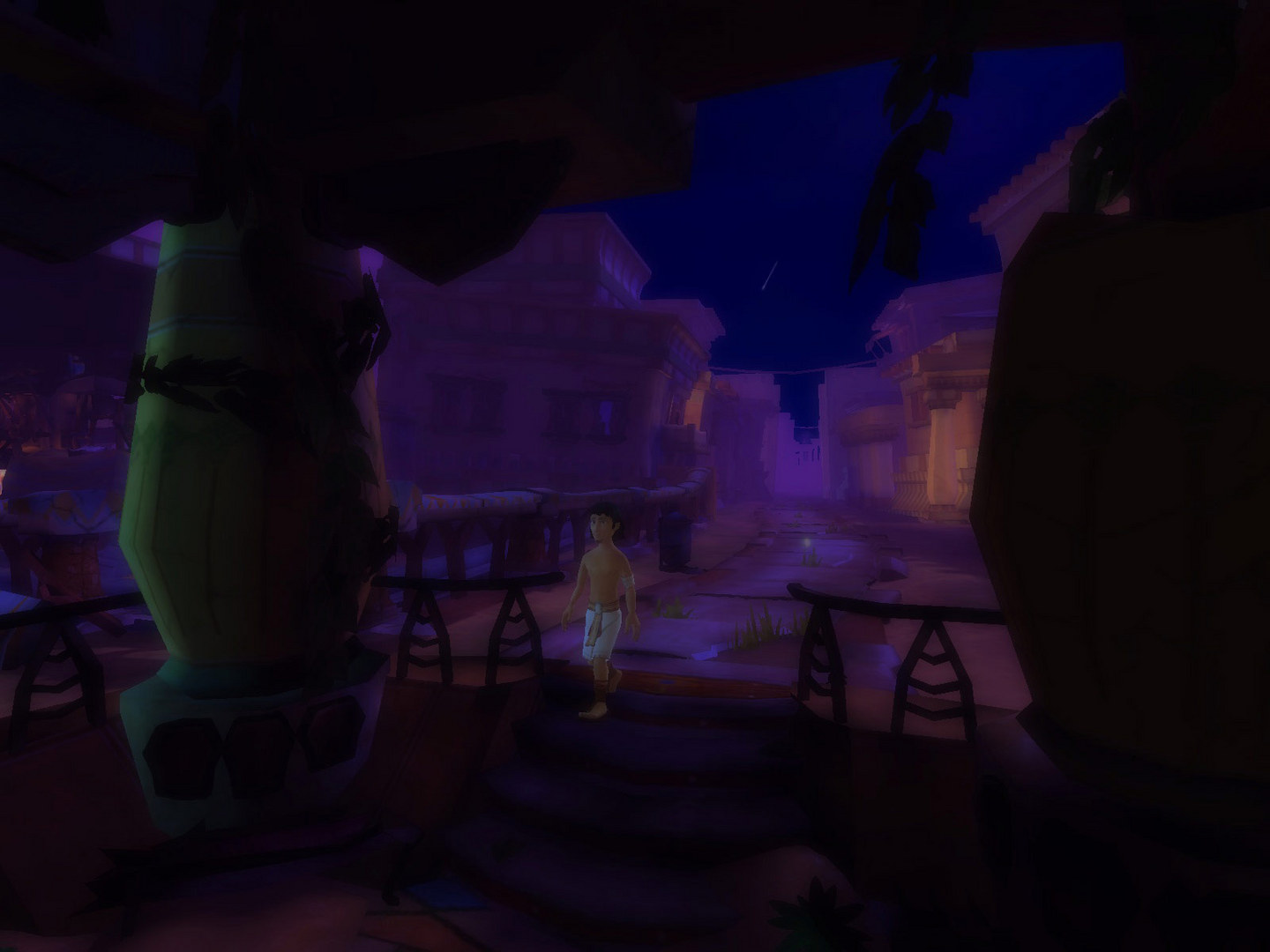
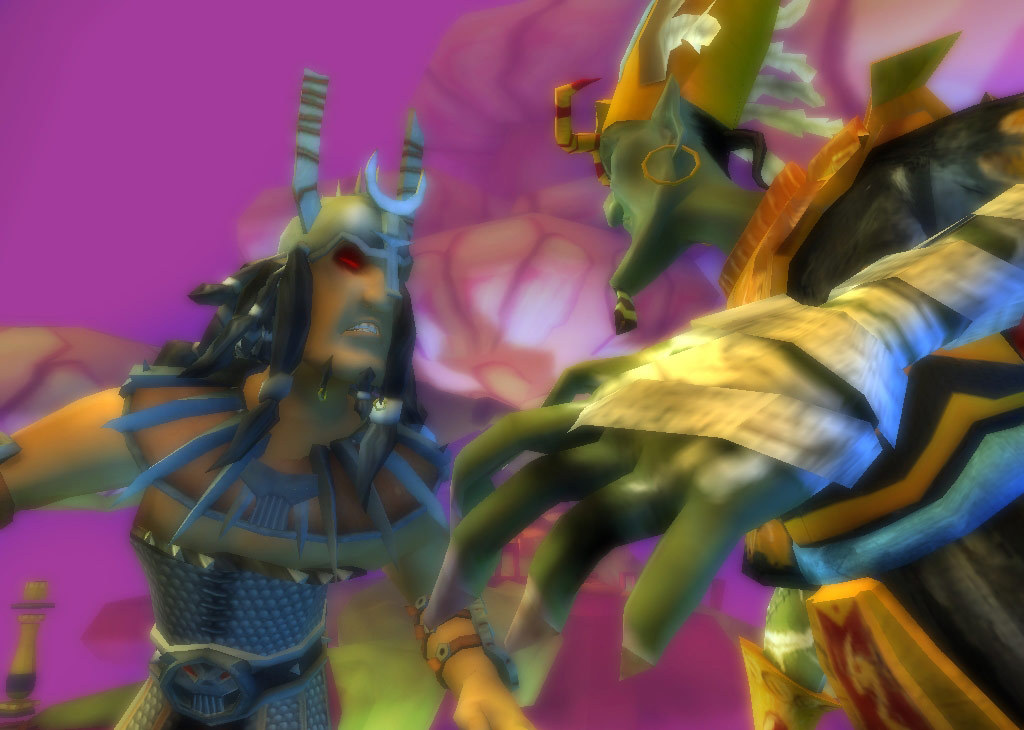
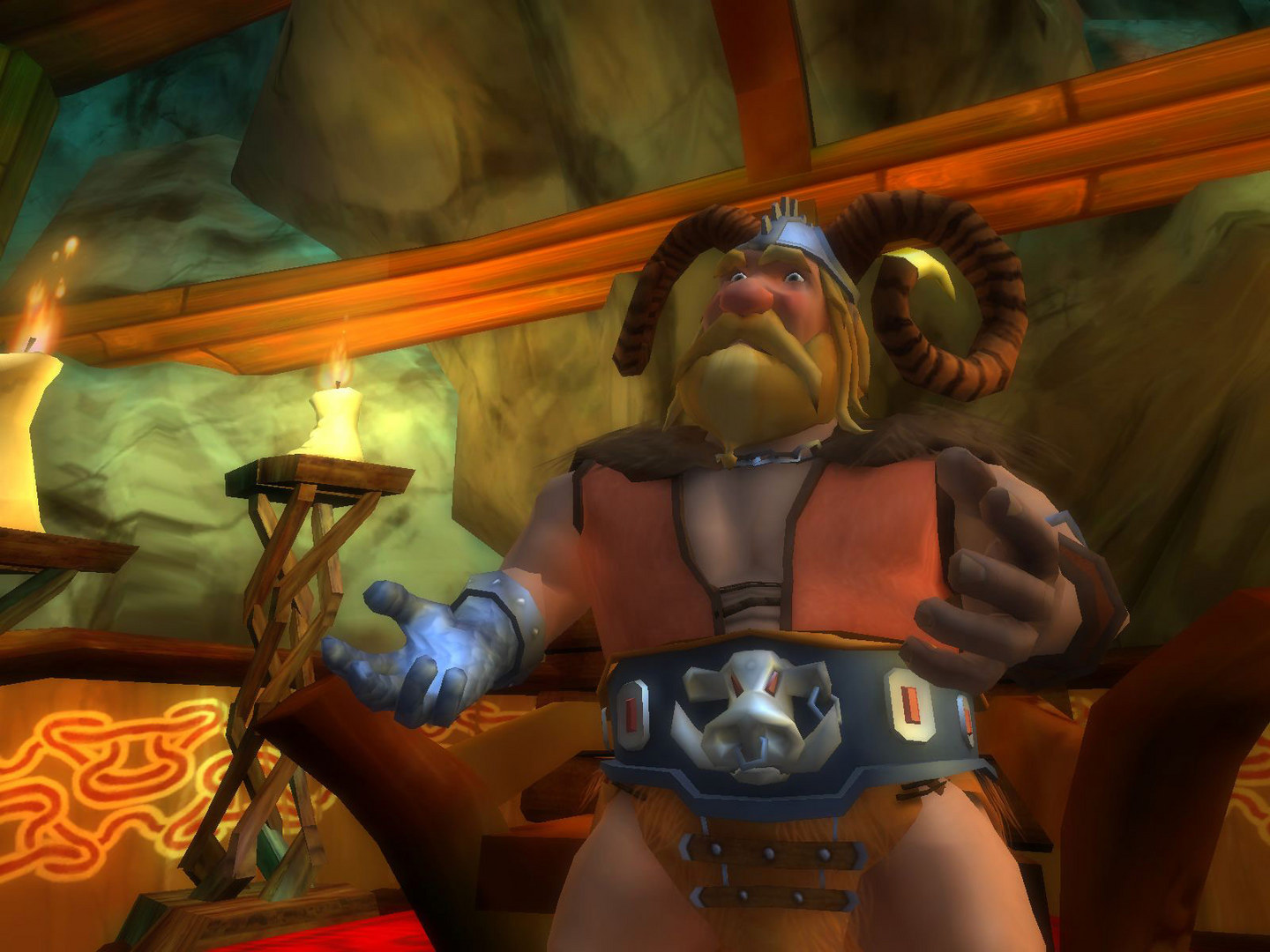
This isn’t solemn mythmaking. It’s playful irreverence draped in linen and gold leaf. You don’t feel small before the gods—you feel like you’re elbowing them aside to read the fine print on their divine edicts. The atmosphere hums with lightness, not lore-dense weight. It’s the thrill of solving a riddle carved into a scarab statue while Thara deadpans, “Assil, your theory about Anubis’ tax returns is not helping.” There’s warmth in the clutter—the bustling market stalls, the exaggerated facial animations, the way the camera lingers on a comically oversized crocodile god figurine mid-argument. It’s cozy danger: stakes are cosmic, but the emotional register stays grounded, human, funny. You’re never awed into silence—you’re grinning, rolling your eyes, then squinting at pixel-perfect inventory logic like it’s sacred geometry.
That precise blend—Mystery & Detective mechanics wrapped in Comedy & Parody delivery—lights up the anime matches like synchronized temple lamps. The World God Only Knows II doesn’t just share the detective framing; it mirrors Ankh 3’s rhythm of high-stakes emotional sleuthing masked as farce. Keima’s hyper-rational dissection of girls’ psychological “locks” echoes Assil’s stubborn, almost academic insistence on solving every puzzle his way, even when Thara’s intuition (or sheer exasperation) cracks it open faster. Both treat divine or romantic metaphysics like a badly documented software bug—frustrating, hilarious, and ultimately human.
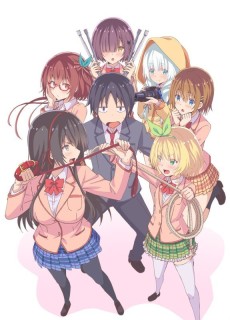
Hentai Prince & the Stony Cat lands even closer in tonal alchemy. Its core joke—teenage insecurity weaponized into supernatural detective work—is pure Ankh DNA. Yuu’s transformation into the “Hentai Prince” isn’t about power; it’s about performance, just like Assil’s frantic improvisation when Seth’s schemes escalate. Both use absurd premises (a cat-shaped deity, a jealous god manipulating fate) not for spectacle, but as pressure-cookers for character-driven comedy—where the real mystery is always why people act so weirdly when they’re scared, in love, or holding a suspiciously heavy ankh.
And Ranma1/2 (2024)? That reboot’s slapstick timing, its refusal to let mythic stakes mute personal pettiness—it’s Ankh 3’s spiritual sibling. Watch Ranma flip mid-air to dodge a cursed spring splash while yelling about lunch, and you’re back in the Karnak courtyard watching Assil use a rubber duck (yes, really—player review 2 mentions diverse cas [likely “cast” or “cases” implying eclectic props]) to distract a minor deity long enough for Thara to swipe a key from his headdress. The comedy isn’t despite the mythology—it’s forged from it. Every curse, every transformation, every divine temper tantrum exists to expose how hilariously fragile human dignity is—even when wearing ceremonial leopard-skin robes.
This pairing sings for the viewer who keeps a notebook titled “Absurdities I’ve Accepted As Canon” and laughs hardest when the world’s most powerful being gets flustered by a poorly timed sneeze. It’s for the player who sighs fondly after wrestling a puzzle for forty minutes, then grins when the solution involves feeding a confused ibis god a slightly stale date cake. They don’t want myth to feel distant—they want it lived in, argued over, tripped on. They crave warmth in the chaos, recognition in the ridiculous—and they’ll follow Assil, Keima, Yuu, or Ranma anywhere, because the real magic isn’t in the gods or curses. It’s in the shared, slightly breathless, utterly human refusal to take it all too seriously—even when the Battle of the Gods is literally happening behind you.
→37 Anime That Match the Vibe
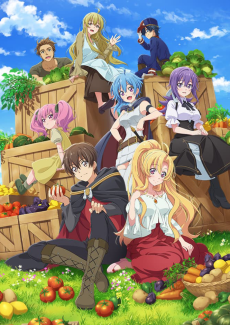
Layered mysteries that reward attention — every detail matters, and the truth is never simple.
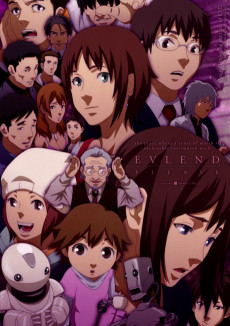
Layered mysteries that reward attention — every detail matters, and the truth is never simple.

Layered mysteries that reward attention — every detail matters, and the truth is never simple.
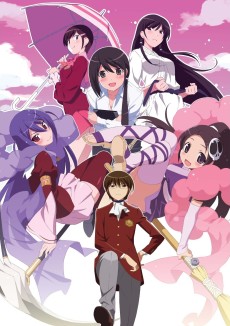
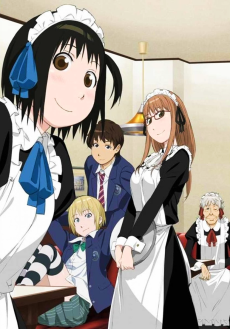
Assil dodging falling hieroglyphs while bickering with Anubis mirrors Katsuragi’s flustered negotiations with Haqua—both hinge on comedy born from divine bureaucracy clashing with mortal exasperation. Where *Ankh 3* parodies Egyptian myth through slapstick prophecy chaos, *The World God Only Knows II* deepens its supernatural detective work by adding Haqua’s rigid demon logic to Elsie’s improvisational soul-hunting. This shared **Comedy & Parody** dimension transforms cosmic stakes into intimate, character-driven farce—surprisingly tender beneath the absurdity.
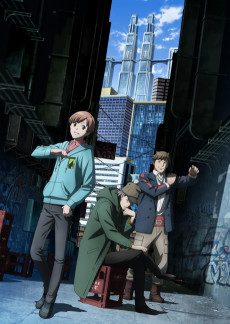
Layered mysteries that reward attention — every detail matters, and the truth is never simple.

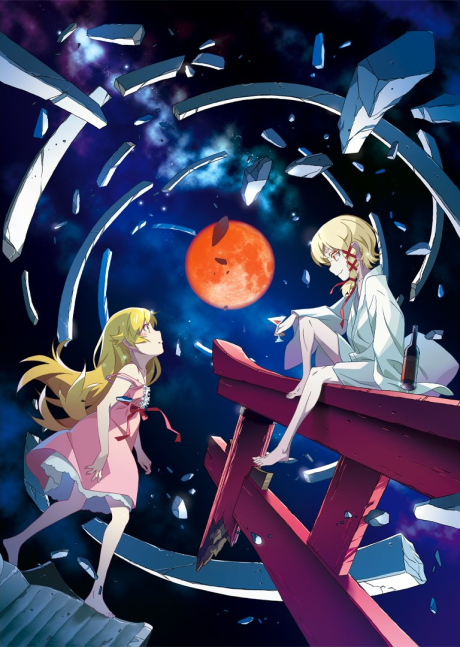
Assil dodging divine lightning while muttering about bureaucratic pantheons mirrors Youto’s frantic shrine dash—both trapped in absurd wish-logic where gods and cat statues demand ironic penance. Where *Ankh 3* parodies Egyptian myth through slapstick prophecy, *Hentai Prince* weaponizes supernatural comedy to dissect male shame as ritual. Their shared 😂 Comedy & Parody thrives on sacred systems collapsing under their own ridiculous weight—neither mocks faith, but how desperately mortals bargain with it.
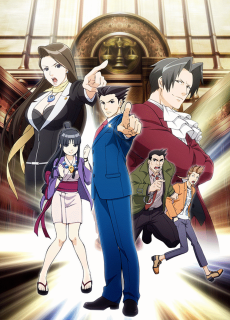
Layered mysteries that reward attention — every detail matters, and the truth is never simple.
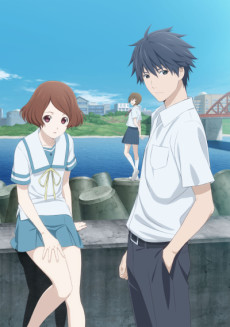
Layered mysteries that reward attention — every detail matters, and the truth is never simple.
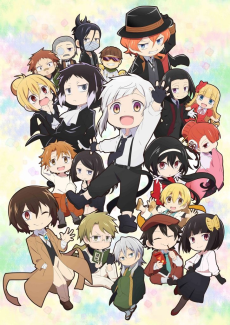
Layered mysteries that reward attention — every detail matters, and the truth is never simple.

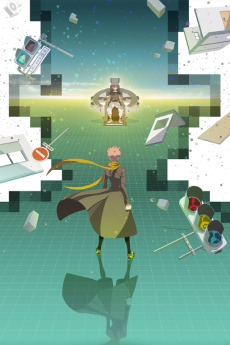
Assil dodging Anubis’s sandstorm while tripping over a sarcophagus echoes Ranma’s slapstick tumbles after cursed springs—both weaponize physical comedy to undercut divine or supernatural gravity. Where *Ankh 3* parodies Egyptian myth through bureaucratic godly squabbles, the 2024 *Ranma 1/2* leans into meta-humor about adaptation itself, like Ranma sighing at yet another “new curse” gag. This shared 😂 Comedy & Parody dimension transforms sacred and shōnen tropes into affectionate, rhythm-driven farce—surprisingly cohesive despite millennia and genres apart.
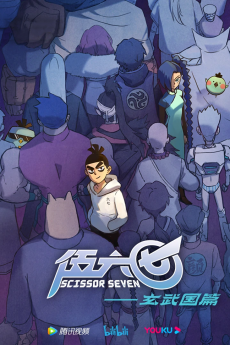


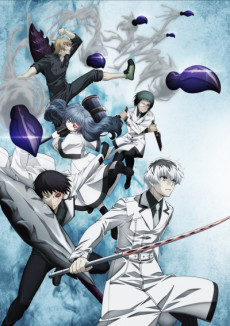
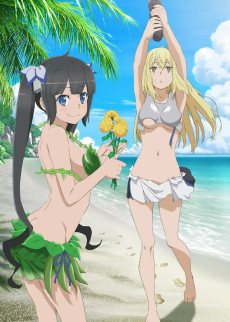

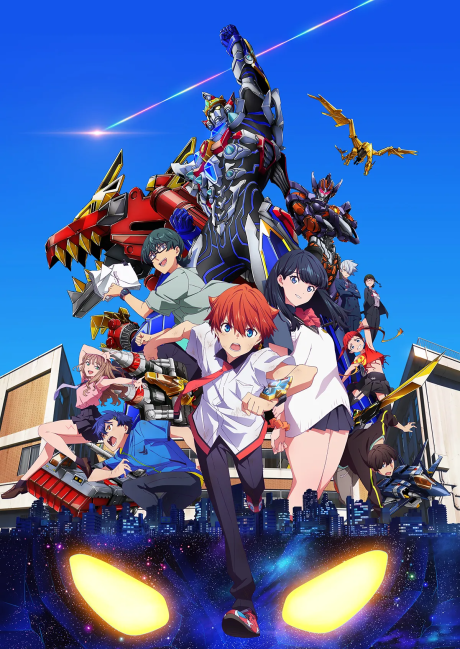



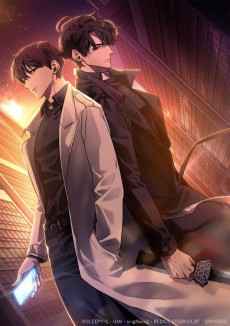
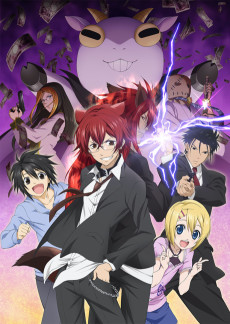
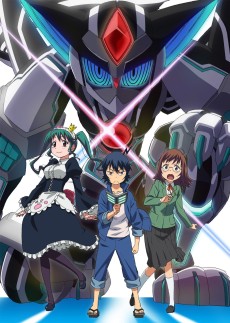

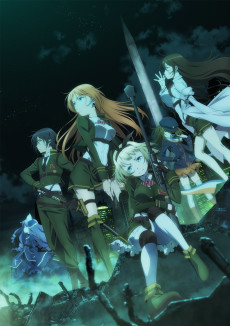
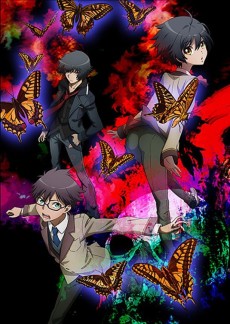
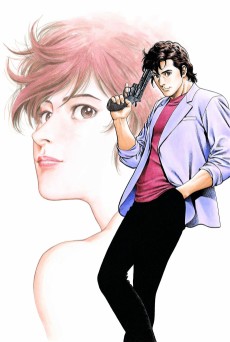

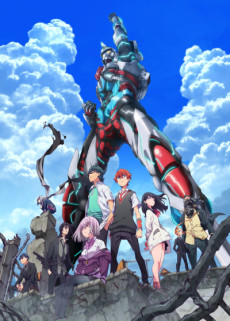
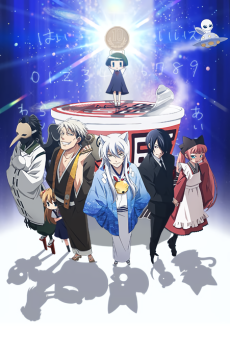
Match Dimensions Explained
❓Frequently Asked Questions
Why is The World God Only Knows II recommended for Ankh 3 fans?
Because both lean hard into witty, fast-paced comedy with mystery-tinged plots—like Keima Katsuragi solving supernatural 'conquests' while juggling absurd god-tier stakes, much like Assil dodging Seth’s schemes with Thara beside him. The Egyptian cartoony 3D charm and playful tone in Ankh 3 mirror Keima’s over-the-top reactions and the show’s sharp parody of dating sims and mythic tropes.
Is there an anime adaptation of Ankh 3: Battle of the Gods?
No—Ankh 3 is strictly a point-and-click adventure game with no anime adaptation. But if you love its blend of Egyptian mythology, lighthearted banter between Assil and Thara, and goofy-yet-stakesy energy, Sailor Moon nails that same vibe: Usagi’s clumsy heroism, Luna’s deadpan guidance, and villains like Queen Beryl echoing Seth’s god-level scheming—all wrapped in vivid, expressive animation.
How does Hentai Prince & the Stony Cat compare to Ankh 3?
Both use comedy and mystery as emotional scaffolding—Hentai Prince’s Youta deals with hidden identities and surreal wish-granting (like the Stony Cat’s rules) just like Assil navigates divine omens and Seth’s reality-bending machinations. You’ll spot the same rhythm: rapid-fire gags, sudden tonal pivots, and a core duo (Youta & Tsukiko / Assil & Thara) bouncing off each other amid escalating absurdity.
What’s the best anime like Ankh 3 if I want something funny but still got Egyptian or mythic flavor?
Go straight to Scissor Seven Season 3—it doesn’t do Egypt, but it *does* deliver Ankh 3’s exact energy: cartoony 3D-adjacent visual flair, relentless comedic timing (Seven’s obliviousness vs. Assil’s exasperated sarcasm), and a world where gods, assassins, and cosmic nonsense collide. Plus, its fast-paced story and diverse cast match Player Review 2’s praise for Ankh 3’s pacing and charm.